
































































































About CNV Detox – Drug and Alcohol Rehab in Los Angeles
Known as the world’s entertainment capital, Los Angeles, California also features CNV Detox – Drug and Alcohol Rehab in Los Angeles. This inpatient alcohol and drug detox and residential center serves adults who are experiencing addiction and co-occurring disorders. They accept most major insurance plans, including Aetna, ComPsych, BlueCross BlueShield and United Healthcare.
Many attend detox as a first step in treatment. During this process you rid your body of substances with 24/7 medical supervision and support. Their upscale location offers an intensive, personalized approach. They provide holistic interventions including individual therapy, process groups, yoga and breathwork. You’ll not only overcome the physical symptoms of withdrawal but also dive deep into the underlying psychological effects of addiction.
For me their tight knit community really caught my eye. As a family owned and operated facility, you can expect to be treated like a family member. They provide an intimate space with just six beds. This ensures you receive attentive, personalized care to meet your needs. You can also enjoy a cozy home like environment with spacious outdoor areas and common rooms. Additionally, all your basic needs are nearby with their convenient Los Angeles location.
Another wonderful feature is that they welcome pets. They understand that your pet is a significant member of the family and strive to create a comfortable stay for both of you. You’ll benefit from exchanging unconditional love with your furry friend. This can keep you motivated as you work on yourself to reach and sustain recovery.
Lastly, I think it’s great that they have a subacute detox option. Depending on your unique situation, acute detox may be too intensive. With subacute detox, you’ll still receive similar care for mild or moderate symptoms, like prescription detox medication and unwavering support.
Facility Overview
 6
6 Latest Reviews



Rehab Score
 Our Methodology


Gallery






Accepted Insurance


Other Forms of Payment
Private insurance refers to any kind of healthcare coverage that isn't from the state or federal government. This includes individual and family plans offered by an employer or purchased from the Insurance Marketplace. Every plan will have different requirements and out of pocket costs so be sure to get the full details before you start treatment.
Self-pay involves paying for treatment out of your own pocket. You can use savings or credit, get a personal loan, or receive help from family and friends to fund your treatment. If you don't have insurance or your insurance plan doesn't cover a specific program, self-pay can help ensure you still get the care you need.
Military members, veterans, and eligible dependents have access to specific insurance programs that help them get the care they need. TRICARE and VA insurance can help you access low cost or no cost addiction and mental health treatment. Programs that accept military insurance often have targeted treatment focused on the unique challenges military members, veterans, and their families face.
Addiction Treatments
Levels of Care
Residential treatment programs are those that offer housing and meals in addition to substance abuse treatment. Rehab facilities that offer residential treatment allow patients to focus solely on recovery, in an environment totally separate from their lives. Some rehab centers specialize in short-term residential treatment (a few days to a week or two), while others solely provide treatment on a long-term basis (several weeks to months). Some offer both, and tailor treatment to the patient's individual requirements.
Outpatient Programs (OP) are for those seeking mental rehab or drug rehab, but who also stay at home every night. The main difference between outpatient treatment (OP) and intensive outpatient treatment (IOP) lies in the amount of hours the patient spends at the facility. Most of the time an outpatient program is designed for someone who has completed an inpatient stay and is looking to continue their growth in recovery. Outpatient is not meant to be the starting point, it is commonly referred to as aftercare.
Intensive Outpatient programs are for those who want or need a very structured treatment program but who also wish to live at home and continue with certain responsibilities (such as work or school). IOP substance abuse treatment programs vary in duration and intensity, and certain outpatient rehab centers will offer individualized treatment programs. The Intensive Outpatient Program gives patients the chance to participate in a structured treatment plan part-time while they transition back to home and work or other responsibilities.
Completing a drug or alcohol rehab program shouldn't spell the end of substance abuse treatment. Aftercare involves making a sustainable plan for recovery, including ongoing support. This can include sober living arrangements like halfway houses, career counseling, and setting a patient up with community programs like Alcoholics Anonymous (AA) or Narcotics Anonymous (NA).
Programs
Adult rehab programs include therapies tailored to each client's specific needs, goals, and recovery progress. They are tailored to the specific challenges adult clients may face, including family and work pressures and commitments. From inpatient and residential treatment to various levels of outpatient services, there are many options available. Some facilities also help adults work through co-occurring conditions, like anxiety, that can accompany addiction.
Clinical Services
Individual therapy for drug addiction includes a customized treatment plan that considers your history and life circumstances. During your therapy sessions, the therapist helps you uncover underlying issues and triggers for addictive behavior that support a holistic approach to recovery.
During group therapy, men and women learn to express their emotions openly in a non judgmental setting. This helps you process your feelings and reduces feelings of social isolation that are often associated with addiction.
Staff
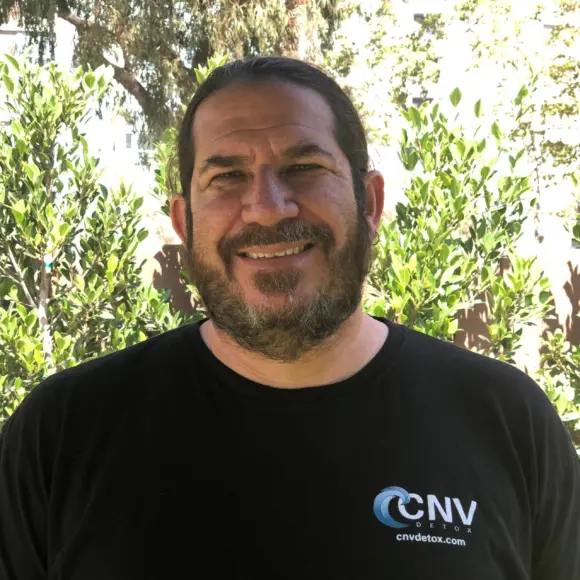
David Marvin
Chief Executive Officer

Jessica Clark
Program Director
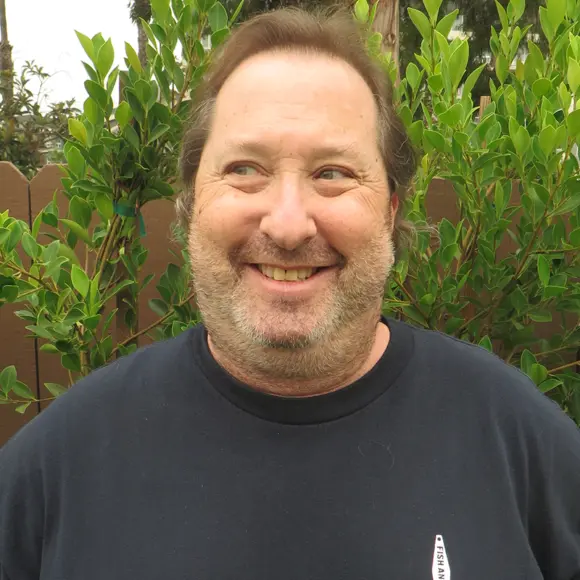
Steve Silverman
Aftercare Manager
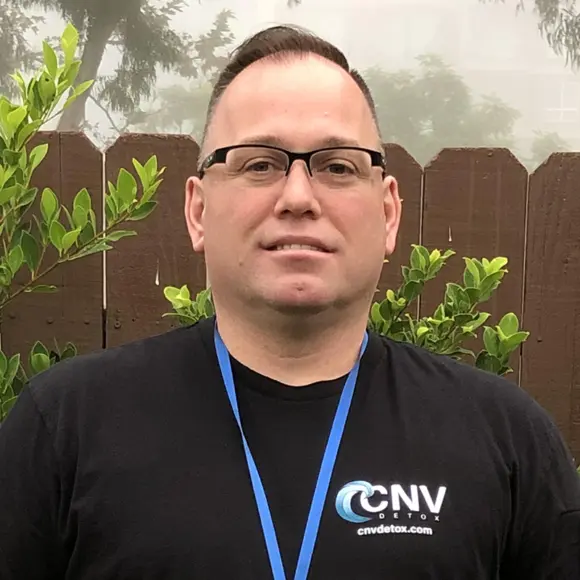
Duncan McArthur
Admissions
Contact Information


5919 W 74th St
Los Angeles, CA 90045
Sponsored Helpline

