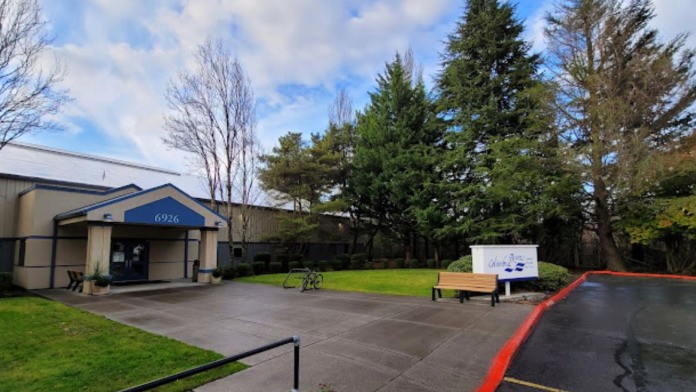
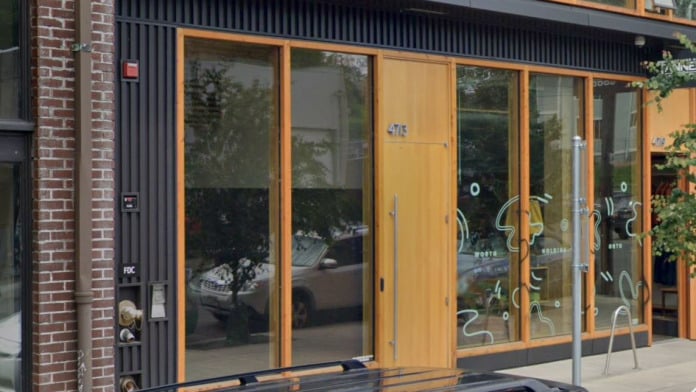
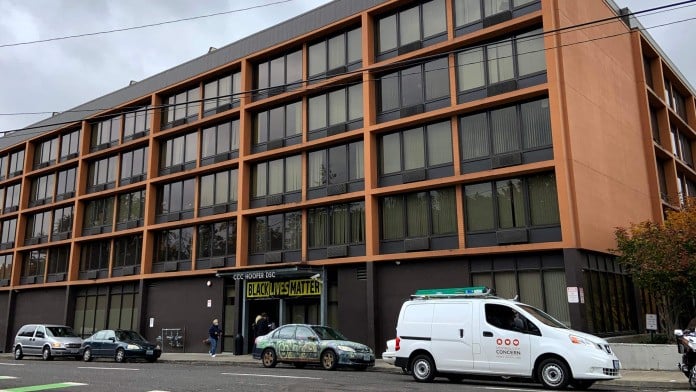
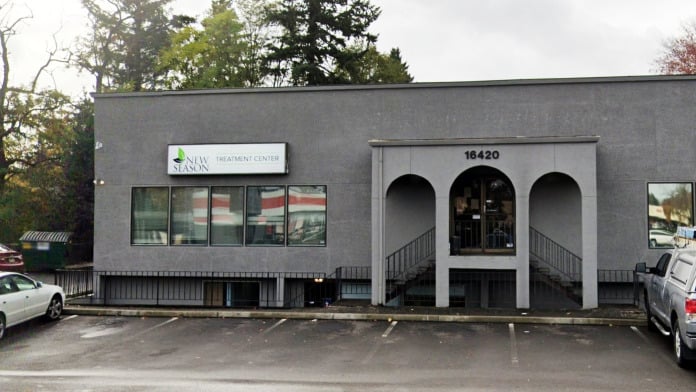
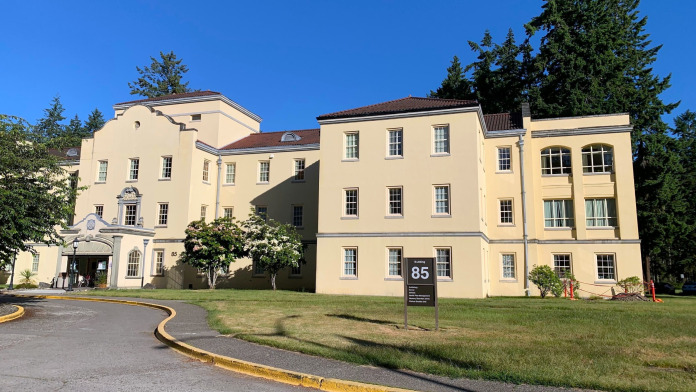
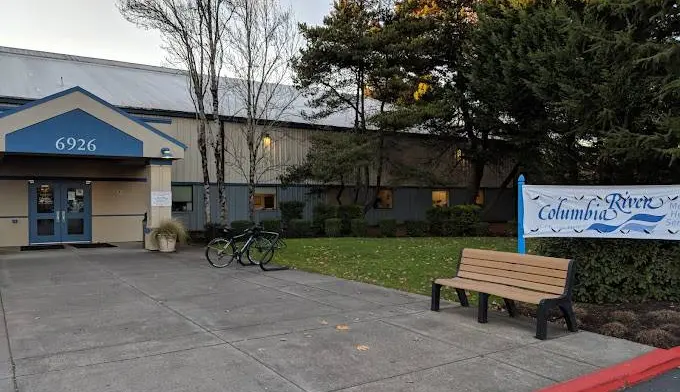
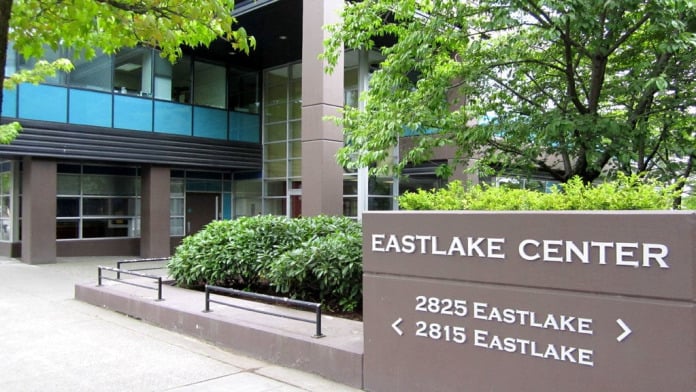
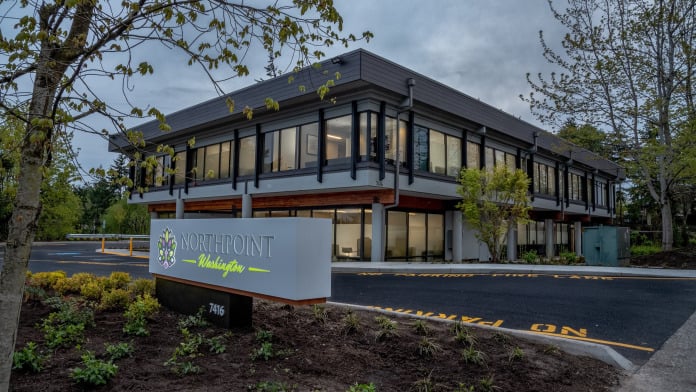
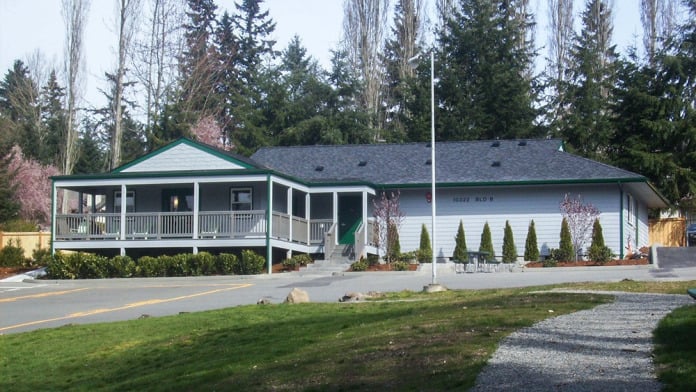
Founded in 1942, this organization has decades of experience supporting individuals in need. This location is just one of their four facilities in Southwest Washington.
Addiction treatment for opioid and substance misuse is available here or at the organization’s NorthStar Clinic. Conveniently, same-day treatment options are available, including medication assisted treatment (MAT). Their MAT provides FDA approved methadone, buprenorphine/naloxone and Vivitrol.
MAT and concurrent medication management services are just the tip of the iceberg. The center’s team of multidisciplinary professionals is trained to assess all areas of clients’ health, even if the main problem is mental health or substance use disorder (SUD). This is because they’re treating the whole person, not just the problem. Physicians are on hand to prescribe and manage clients’ medication, and case managers help connect them with resources. Meanwhile peer support specialists and addiction therapists support clients’ emotional needs. Employment and housing support staff can also help clients find stability through their work, and a safe, comfortable living environment in which they can thrive.
Other addiction treatment services that clients might benefit from may fall under the center’s intensive outpatient program (IOP). These include individual and group counseling and peer support.
Former clients describe the lobby as a calming environment, with friendly, knowledgeable staff. While some have expressed frustration with cancelled appointments, others praise the convenience of their virtual appointment options.
Certainly, this staff is following one direction. Help for good, not for anything else. I like the vision and the application, and I can see a respected leader.
Thanks for what you are doing for me now. Promise, once I'm back I will make sure I give a hand.
Mohamed Ali.
This place is amazingly wonderful they have the most amazing people working there plus they are very professional but very friendly, kind very caring this is more than just mental health they are great at all they help people with for everyday life's also such as housing, jobs, ssi i can go on and on because I love the people in this office they are like family when needed they have beautiful hearts they do amazing things in patients lifes!! I give them 5 stars plus ☺️I also want to add thank God for this amazing place! I want to praise every doctor and therapist there keep up the wonderful jobs and i might say the front desk employees are amazing always really helpful i give all them beautiful ladies up front a big shout out hey love you!
Scoring is assigned by a proprietary system which helps surface key metrics that determine quality. The 10-point scale factors in categories such as operations, customer satisfaction, and trust metrics. Read Full Methodology
6.8 / 10
Gallery
Other Forms of Payment
Private insurance refers to any kind of healthcare coverage that isn't from the state or federal government. This includes individual and family plans offered by an employer or purchased from the Insurance Marketplace. Every plan will have different requirements and out of pocket costs so be sure to get the full details before you start treatment.
Self-pay involves paying for treatment out of your own pocket. You can use savings or credit, get a personal loan, or receive help from family and friends to fund your treatment. If you don't have insurance or your insurance plan doesn't cover a specific program, self-pay can help ensure you still get the care you need.
Financial aid can take many forms. Centers may have grants or scholarships available to clients who meet eligibility requirements. Programs that receive SAMHSA grants may have financial aid available for those who need treatment as well. Grants and scholarships can help you pai for treatment without having to repay.
Military members, veterans, and eligible dependents have access to specific insurance programs that help them get the care they need. TRICARE and VA insurance can help you access low cost or no cost addiction and mental health treatment. Programs that accept military insurance often have targeted treatment focused on the unique challenges military members, veterans, and their families face.
Medicaid is a state based program that helps lower-income individuals and families pay for healthcare. Medicaid covers addiction treatment so those enrolled can use their coverage to pay for rehab. When a program accepts Medicaid the client often pays very little or nothing out of their own pocket.
Medicare is a federal program that provides health insurance for those 65 and older. It also serves people under 65 with chronic and disabling health challenges. To use Medicare for addiction treatment you need to find a program that accepts Medicare and is in network with your plan. Out of pocket costs and preauthorization requirements vary, so always check with your provider.
Addiction Treatments
Levels of Care
Outpatient Programs (OP) are for those seeking mental rehab or drug rehab, but who also stay at home every night. The main difference between outpatient treatment (OP) and intensive outpatient treatment (IOP) lies in the amount of hours the patient spends at the facility. Most of the time an outpatient program is designed for someone who has completed an inpatient stay and is looking to continue their growth in recovery. Outpatient is not meant to be the starting point, it is commonly referred to as aftercare.
Rehab aftercare programs support clients as they focus on maintaining their sobriety after intensive (often inpatient) treatment. These programs adhere to a model of life-long recovery, addressing addiction disease as a chronic, relapsing condition. Rehab aftercare services vary widely based on the specific and evolving needs of the client, but often include peer coaching, relapse prevention support, and 12 step program induction. Clients, case managers, and care teams typically collaborate on long-term care plans.
12 step programs support participants' psychological, spiritual, and emotional development as integral to sustained recovery. Though 12 step recovery programs are based on the belief in a non-denominational higher power, religious affiliation is not required. Group meetings are paper-led, anonymous, free, and available daily, including on holidays, in most communities. Peer sponsors selected by the participants provide one-on-one coaching and support. Specialized formats are widely available, including programming for youth, seniors, and families.
It can be difficult for family and friends to carry out a successful drug intervention in Washington on their own. Intervention services can help. These services typically include education about addiction and enabling behaviors, expert facilitation for interventions, and recommendations for appropriate treatment. Often, the involvement of intervention services can create a smooth transition into rehab.
Medical detox is often the first step in addiction recovery and involves ridding the body of drugs and/or alcohol in a supervised inpatient setting. If you've become physically dependent on substances like alcohol, benzodiazepines (like Xanax), or opioids, quitting abruptly may cause uncomfortable or even dangerous side effects. In medically assisted detox, a team of medical professionals will help manage any potential withdrawal symptoms with the aim of keeping you as safe and comfortable as possible.
Treatments
Many of those suffering from addiction also suffer from mental or emotional illnesses like schizophrenia, bipolar disorder, depression, or anxiety disorders. Rehab and other substance abuse facilities treating those with a dual diagnosis or co-occurring disorder administer psychiatric treatment to address the person's mental health issue in addition to drug and alcohol rehabilitation.
Mental health rehabs focus on helping individuals recover from mental illnesses like bipolar disorder, clinical depression, anxiety disorders, schizophrenia, and more. Mental health professionals at these facilities are trained to understand and treat mental health issues, both in individual and group settings.
Programs
Adult rehab programs include therapies tailored to each client's specific needs, goals, and recovery progress. They are tailored to the specific challenges adult clients may face, including family and work pressures and commitments. From inpatient and residential treatment to various levels of outpatient services, there are many options available. Some facilities also help adults work through co-occurring conditions, like anxiety, that can accompany addiction.
Young adulthood can be an exciting, yet difficult, time of transition. Individuals in their late teens to mid-20s face unique stressors related to school, jobs, families, and social circles, which can lead to a rise in substance use. Rehab centers with dedicated young adult programs will include activities and amenities that cater to this age group, with an emphasis on specialized counseling, peer socialization, and ongoing aftercare.
Clinical Services
Cognitive Behavioral Therapy (CBT) is a therapy modality that focuses on the relationship between one's thoughts, feelings, and behaviors. It is used to establish and allow for healthy responses to thoughts and feelings (instead of unhealthy responses, like using drugs or alcohol). CBT has been proven effective for recovering addicts of all kinds, and is used to strengthen a patient's own self-awareness and ability to self-regulate. CBT allows individuals to monitor their own emotional state, become more adept at communicating with others, and manage stress without needing to engage in substance abuse.
Dialectical Behavior Therapy (DBT) is a modified form of Cognitive Behavioral Therapy (CBT), a treatment designed to help people understand and ultimately affect the relationship between their thoughts, feelings, and behaviors. DBT is often used for individuals who struggle with self-harm behaviors, such as self-mutilation (cutting) and suicidal thoughts, urges, or attempts. It has been proven clinically effective for those who struggle with out-of-control emotions and mental health illnesses like Borderline Personality Disorder.
Group therapy is any therapeutic work that happens in a group (not one-on-one). There are a number of different group therapy modalities, including support groups, experiential therapy, psycho-education, and more. Group therapy involves treatment as well as processing interaction between group members.
In individual therapy, a patient meets one-on-one with a trained psychologist or counselor. Therapy is a pivotal part of effective substance abuse treatment, as it often covers root causes of addiction, including challenges faced by the patient in their social, family, and work/school life.
Clinicians who apply motivational interviewing techniques engage with their clients as equal partners. This method avoids warnings and confrontation and instead allows clients to analyze their situation and explore their options. This technique is often used when the client feels unsure about their ability or desire to change.
Trauma therapy addresses traumatic incidents from a client's past that are likely affecting their present-day experience. Trauma is often one of the primary triggers and potential causes of addiction, and can stem from child sexual abuse, domestic violence, having a parent with a mental illness, losing one or both parents at a young age, teenage or adult sexual assault, or any number of other factors. The purpose of trauma therapy is to allow a patient to process trauma and move through and past it, with the help of trained and compassionate mental health professionals.
Whether a marriage or other committed relationship, an intimate partnership is one of the most important aspects of a person's life. Drug and alcohol addiction affects both members of a couple in deep and meaningful ways, as does rehab and recovery. Couples therapy and other couples-focused treatment programs are significant parts of exploring triggers of addiction, as well as learning how to build healthy patterns to support ongoing sobriety.
Research clearly demonstrates that recovery is far more successful and sustainable when loved ones like family members participate in rehab and substance abuse treatment. Genetic factors may be at play when it comes to drug and alcohol addiction, as well as mental health issues. Family dynamics often play a critical role in addiction triggers, and if properly educated, family members can be a strong source of support when it comes to rehabilitation.
Staff & Accreditations
Staff
Victor Jackson
CEO
Kevin Fischer
Chief Medical Officer
Anne Willis
Chief Clinical Officer
Kelly Ferguson
COO
Sarah Brown
Chief Policy & Compliance Officer
Lisa Aarseth
Associate Chief Clinical Officer
Accreditations
State Licenses are permits issued by government agencies that allow rehab organizations to conduct business legally within a certain geographical area. Typically, the kind of program a rehab facility offers, along with its physical location, determines which licenses are required to operate legally.
State License: Washington
Rehab.com regularly reviews this listing for accuracy but changes may occur between updates. For the most up-to-date information, please contact Columbia River Mental Health Services.
They make 16m a year and pay themselves very well.
The staff is under funded as are the programs. Their will is so broken you can see the walls go up when they say "Its policy I cant help you." Because those that stick their head up get it cut off.
Use them for emer ...
Read More
E M.
Reviewed on 7/24/2024
Staff
4
Amenities
2
Meals
1
Value
3
Cleanliness
3
1
Columbia River has a lot of things to improve, I can tell you that they have will to help but clearly that is not enough in a matter as delicate as substance abuse.
If it wasn’t for Jodi I’d go someplace else. They CRMH took away the abilities for The counselor’s & patients to speak when desperately needed (texting, even emails!) We get a “no one is answering right now” which is suuuuuper cool when you’re needing help. Btw the contact us on your page DOESNT EVEN WORK. 👍🏻 Please ACTUALLY GIVE US THE ABILITY TO CONTACT ANYONE!!! For gods sake.
Jayy
2 months ago
1
Anthony Kalnins
2 months ago
1
Reception is amazing as always!! Reception Rocks!! Current: They messed up medication location and won't help me to solve the problem .. so I haven't had Duloxetine high doses for over 4 days because of the New prescriber and Columbia Rivers inaction... Talking to my lawyers right now! All they have to do is get back ahold of me to stop litigation ..sad.? Columbia River wrongfully discharged me from psychiatric help without either notice and want willing to help me in any regards to get my high dosage of duloxetine yet again.... if I as a result do anything I want them held responsible..... this is insane treatment of a person on a long term medication. This place should get non stop malpractice suits against them. I will talk to my social security lawyer firm if they have a firm for this.
Ryan Craig
3 months ago
1
Violated HIPPA I could have taken them to the cleaners
Lauren Lucy Thompson is a copywriter & editor, content marketer, and social media manager with nearly a decade of professional experience. Having worked on a range of marketing copy for a range of notable brands, her experience spans B2B and B2C across a range of specialties and customer niches. Beyond her experience with words and digital marketing, Lauren is also a Certified Deep Tissue Holistic Massage Therapist. Lauren specializes in the Jing Method of deep tissue massage, a modality that seeks to treat the whole person and takes the best elements from both Eastern and Western traditions, resulting in a fusion of trigger point therapy, fascial work, acupressure, and stretching, for ultimate relaxation and effective results.
By calling the helpline you agree to the terms of use. We do not receive any commission or fee that is dependent upon which treatment provider a caller chooses. There is no obligation to enter treatment.
Calls to numbers on a specific treatment center listing will be routed to that treatment center. Calls to any general helpline could be forwarded to SAMHSA or a verified treatment provider.
If you wish to connect with non-sponsor centers, you can browse top-rated listings, visit our homepage and browse by state, or visit SAMHSA.

 Sponsored Helpline