






























































































turned myself in did 60 days and stayed in after care housing another month was very serious about it i went back to making bad decisions and used another 5 years but i remembered what they taught me and i am 25 years clean
About Charlie’s Place Recovery Center
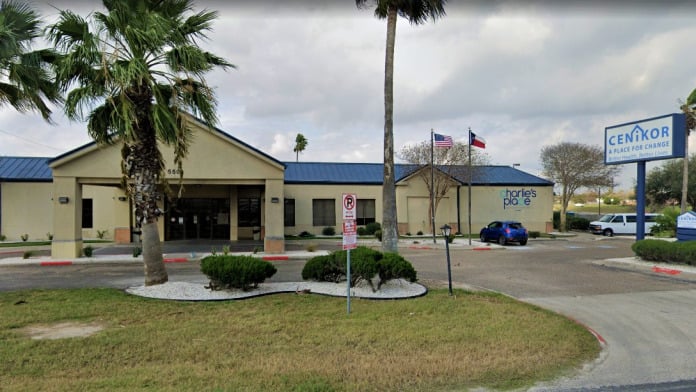
Charlie’s Place Recovery Center provides comprehensive substance use treatment in Corpus Christi, Texas, serving the Coastal Bend community since 1965. As a dedicated drug and alcohol rehab, the facility offers a full continuum of care including residential treatment, outpatient services, and medically monitored detoxification for men and outpatients of all genders. The mission focuses on providing high-quality, evidence-based recovery services to individuals seeking a life free from chemical dependency.
Addiction Treatment Programs at Charlie’s Place Recovery Center
The treatment process at this facility typically begins with a clinical assessment to determine the appropriate level of care, which may include a stay in the 15-bed detoxification unit. Following stabilization, clients can transition into the high-intensity residential program or move directly into intensive outpatient services depending on their unique recovery needs.
During treatment, participants engage in a structured schedule that emphasizes both individual accountability and peer support. The curriculum integrates the 12-Step philosophy with modern therapeutic modalities, ensuring that clients develop the practical coping skills and emotional resilience necessary for long-term sobriety.
Fast Facts About Charlie’s Place Recovery Center
- Location: Situated on a multi-acre campus in the coastal environment of Corpus Christi, Texas.
- Levels of Care: Offers medical detox, residential inpatient, and intensive outpatient programs.
- Specialized Populations: Provides gender-specific residential services specifically designed for men.
- Treatment Approach: Combines evidence-based therapy with 12-Step recovery principles and education.
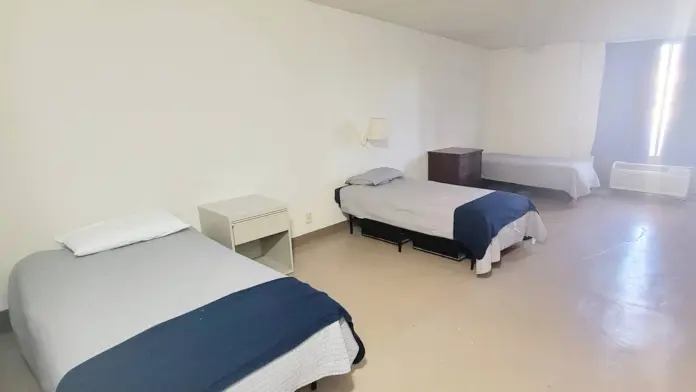
- Capacity: Features a 15-bed detoxification unit and a 40-bed residential treatment wing.
- Community Focus: Serves as a long-standing non-profit resource for the Coastal Bend region.
- Financial Options: Accepts various private insurance plans and offers self-pay arrangements.
Starting Your Journey at Charlie’s Place Recovery Center
The admissions process at Charlie’s Place Recovery Center is designed to be straightforward and supportive for those ready to begin their recovery in Corpus Christi, Texas. Staff members are available to conduct initial screenings and verify insurance benefits to help prospective clients understand their options for care.
Taking the first step toward a healthier life starts with a simple conversation about your needs and goals.
Please contact the facility directly to learn more about current availability and the intake process.
Fact checked and written by:
Peter Lee, PhD
Edited by:
Kerry Nenn, BSW

Rehab Score
 Our Methodology
Scoring is assigned by a proprietary system which helps surface key metrics that determine quality. The 10-point scale factors in categories such as operations, customer satisfaction, and trust metrics. Read Full Methodology

6.5 / 10
Gallery

Accepted Insurance
Other Forms of Payment
Medicaid is a state based program that helps lower-income individuals and families pay for healthcare. Medicaid covers addiction treatment so those enrolled can use their coverage to pay for rehab. When a program accepts Medicaid the client often pays very little or nothing out of their own pocket.
Private insurance refers to any kind of healthcare coverage that isn't from the state or federal government. This includes individual and family plans offered by an employer or purchased from the Insurance Marketplace. Every plan will have different requirements and out of pocket costs so be sure to get the full details before you start treatment.
Self-pay involves paying for treatment out of your own pocket. You can use savings or credit, get a personal loan, or receive help from family and friends to fund your treatment. If you don't have insurance or your insurance plan doesn't cover a specific program, self-pay can help ensure you still get the care you need.
Sliding scale payments are based on a client's income and family size. The goal is to make treatment affordable to everyone. By taking these factors into account, addiction recovery care providers help ensure that your treatment does not become a financial burden to you or your family, eliminating one barrier to care.
Financial aid can take many forms. Centers may have grants or scholarships available to clients who meet eligibility requirements. Programs that receive SAMHSA grants may have financial aid available for those who need treatment as well. Grants and scholarships can help you pai for treatment without having to repay.
Addiction Treatments
Levels of Care
Charlie’s Place Recovery Center provides outpatient programming as a flexible step-down option. Clients continue receiving essential clinical support, engaging in counseling and process groups while applying their new coping skills in daily life outside the facility.
As part of their integrated continuum of care, Charlie's Place offers intensive outpatient services. This level provides robust, structured clinical support through group and individual therapies, bridging the gap between inpatient residential treatment and standard outpatient recovery.
At Charlie's Place Recovery Center, inpatient residential care provides a secure, round-the-clock therapeutic environment. Clients focus entirely on healing through individual counseling, process groups, and evidence-based modalities like cognitive behavioral therapy to build a sustainable foundation.
Charlie’s Place emphasizes lifelong recovery by offering dedicated aftercare and recovery housing. Clients stepping down from primary treatment receive ongoing guidance, peer support, and continued clinical check-ins to help them maintain sobriety and successfully reintegrate into the community.
The recovery framework at Charlie's Place Recovery Center deeply integrates 12-step fellowships. Clients actively participate in these proven, peer-support models during their treatment, fostering accountability, spiritual growth, and a strong community network essential for maintaining sustainable sobriety.
The partial hospitalization program at Charlie’s Place serves as an intensive daytime treatment option. Clients receive comprehensive clinical care, including daily therapy and medical support, while returning to recovery housing or their own homes in the evenings.
During the critical early stages of recovery, Charlie's Place Recovery Center provides 24-hour clinical care. Medical professionals closely monitor clients during detoxification and residential treatment, ensuring a safe, supportive, and highly structured healing environment at all times.
Charlie's Place offers medically assisted detoxification to safely manage the physical symptoms of withdrawal. Their dedicated medical team provides round-the-clock supervision and pharmacological support, ensuring clients are comfortable and stabilized before transitioning into comprehensive inpatient residential care.
Treatments
Charlie's Place Recovery Center treats alcoholism by addressing the physical, mental, and spiritual aspects of the disease. Through medically supervised detox, individualized counseling, and 12-step immersion, clients develop the necessary coping mechanisms to achieve and maintain lasting sobriety.
Treating drug addiction at Charlie’s Place involves a comprehensive, whole-person approach. The clinical team utilizes evidence-based therapies like cognitive behavioral therapy alongside process groups to uncover underlying issues, helping clients build sustainable, drug-free lifestyles in a safe environment.
For individuals battling opioid addiction, Charlie's Place Recovery Center provides specialized care that includes Medication-Assisted Treatment. Combining medical support with intensive counseling, the facility addresses both the intense physical cravings and the psychological roots of chemical dependence.
Charlie’s Place delivers integrated substance abuse treatment across a full continuum of care. From initial detox to outpatient support, clients receive compassionate, evidence-based care tailored to their unique needs, fostering deep healing of the mind, body, and spirit.
Programs
Charlie's Place Recovery Center provides a comprehensive adult program designed to address mature challenges. Treatment combines detox, residential care, and outpatient services with evidence-based therapies to foster deep, sustainable recovery for adult individuals seeking lasting lifestyle changes.
Charlie's Place provides specialized support for young adults in their late teens to mid-20s. Programming addresses unique stressors related to school, peers, and family dynamics, emphasizing specialized counseling, peer socialization, and ongoing aftercare.
Charlie's Place Recovery Center is committed to providing a safe, inclusive environment for LGBTQ+ individuals. The center's programming ensures a validating space free of judgment, allowing clients to freely express themselves and focus on holistic recovery.
Active duty personnel and veterans receive dedicated support at Charlie's Place Recovery Center. The facility’s specialized programming addresses the unique challenges experienced by military members, providing targeted, compassionate clinical care to foster long-term healing and sustainable sobriety.
Clinical Services
Whether a marriage or other committed relationship, an intimate partnership is one of the most important aspects of a person's life. Drug and alcohol addiction affects both members of a couple in deep and meaningful ways, as does rehab and recovery. Couples therapy and other couples-focused treatment programs are significant parts of exploring triggers of addiction, as well as learning how to build healthy patterns to support ongoing sobriety.
Charlie's Place Recovery Center recognizes that addiction impacts the whole family. Their clinical services include family support to help loved ones understand the recovery journey, rebuild trust, and develop healthy communication patterns that sustain long-term, collective healing.
Group therapy is a core component of treatment at Charlie's Place. Clients participate regularly in clinical process groups, utilizing shared experiences to build peer support, process emotions, and develop healthy coping strategies under the guidance of licensed professionals.
At Charlie's Place Recovery Center, individual counseling provides a safe, nonjudgmental space for deep clinical work. Therapists help clients identify destructive patterns, address underlying issues, and build personalized coping skills using cognitive behavioral and person-centered approaches.
Together with an experienced trauma therapist, you work on healing emotional wounds from traumatic experiences within a trauma therapy environment. Your therapist will help you process the experience of the trauma, which promotes emotional healing and improves your overall mental health.
As clients progress through the continuum of care at Charlie's Place, treatment naturally incorporates life skills development. Through structured routines, recovery housing, and aftercare planning, individuals learn practical accountability and essential strategies needed for successful community reintegration.
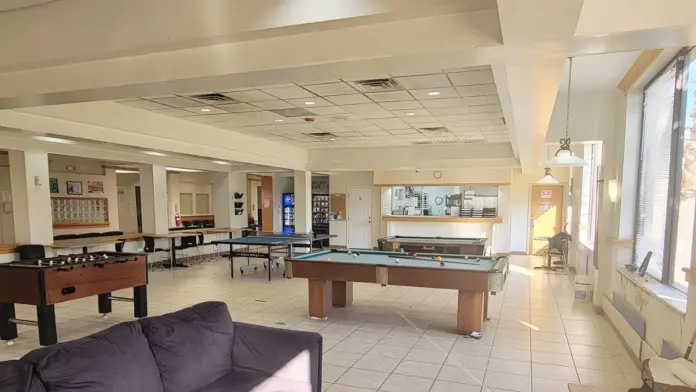
Addiction recovery treatment in Texas will offer recreational therapy in a holistic approach to treatment. Therapy incorporates enjoyable activities that support your physical and mental health, such as team sports, creative arts, or individual sports. This activity gives you an emotional outlet, reduces your stress, and improves your mood, each of which promotes long term sobriety.
Amenities
-
 Private Setting
 -
 Residential Setting
Staff & Accreditations
Staff

Bill Bailey
CEO

Kellee Webb
Chief of Staff

Matt Kuhlman
CFO
Dan Reynolds
Assistant VP of Operations
Accreditations

The Commission on Accreditation of Rehabilitation Facilities (CARF) is a non-profit organization that specifically accredits rehab organizations. Founded in 1966, CARF's, mission is to help service providers like rehab facilities maintain high standards of care.
CARF Accreditation: Yes
Accreditation Number: 243026

The National Association of Addiction Treatment Providers (NAATP) is a professional association that represents organizations in the field of addiction services. Founded in 1978, NAATP's mission is to advance addiction services and ensure that high-quality addiction treatment is available and accessible.
NAATP Member: Yes
Rehab.com regularly reviews this listing for accuracy but changes may occur between updates. For the most up-to-date information, please contact Charlie’s Place Recovery Center.
Contact Information

5501 I-37 Frontage Rd
Corpus Christi, TX 78408
Get Help Now - 361-283-6002
Sponsored Helpline
Sponsored Helpline


