




























































































About Discovery Mood & Anxiety Program
The residential treatment program offers 24/7 supervision in a safe and secure environment. This program is provided in an age-specific format to allow individuals to connect with others who are like-minded. Yoga, nutrition, evidence-based treatment interventions, relapse prevention classes, life skills classes, individual therapy, and group therapy are provided.
The partial hospitalization program meets five days a week for six hours at a time. Individual therapy, group therapy, educational classes, skills classes, peer support, and relapse prevention are provided. Medication management is also a part of this program. Individuals who are engaged in the eating disorder program will receive nutritional support.
The intensive outpatient program meets three times a week for three hours at a time. The program lasts for four to six weeks. Therapy, nutrition support, evidence-based treatment interventions, and process groups are provided. This program is designed to help people get ready to move into an outpatient level of care.
Discover Mood and Anxiety Program accepts most insurance plans, including Amerigroup, Magellan, ComPsych, Aetna, Anthem, Blue Cross Blue Shield, United Healthcare, Brightstar Health, and more. Out-of-network benefits may vary, so it’s important to verify coverage with the provider before starting treatment.
Facility Overview
 16
16 Latest Reviews



Rehab Score
 Our Methodology


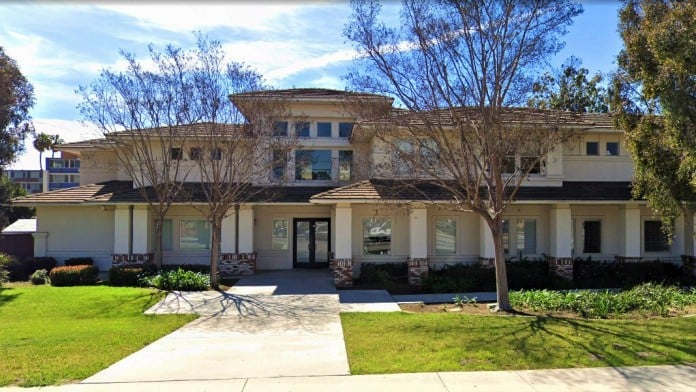
Gallery
Accepted Insurance



Other Forms of Payment
Self-pay involves paying for treatment out of your own pocket. You can use savings or credit, get a personal loan, or receive help from family and friends to fund your treatment. If you don't have insurance or your insurance plan doesn't cover a specific program, self-pay can help ensure you still get the care you need.
Private insurance refers to any kind of healthcare coverage that isn't from the state or federal government. This includes individual and family plans offered by an employer or purchased from the Insurance Marketplace. Every plan will have different requirements and out of pocket costs so be sure to get the full details before you start treatment.
Military members, veterans, and eligible dependents have access to specific insurance programs that help them get the care they need. TRICARE and VA insurance can help you access low cost or no cost addiction and mental health treatment. Programs that accept military insurance often have targeted treatment focused on the unique challenges military members, veterans, and their families face.
Addiction Treatments
Levels of Care
Intensive outpatient programs (IOP) support a client's sustained sobriety as they exit detox or step down from an inpatient program. IOPs are also designed for clients who are at an elevated risk of relapse. Intensive outpatient treatment typically requires clients to engage in a minimum of nine hours of therapy per week, but clients may receive up to 20 therapeutic hours weekly. IOP treatment modalities often combine psychotherapy, recovery-focused life skills training, and medication assisted treatment (MAT).
A partial hospitalization program (PHP) is a short-term form of intensive rehab, usually for those with acute symptoms that are hard to manage but don’t require 24-hour care. PHPs have structured programming (i.e. individual and/or group therapy), and usually meet 3-5 days a week for around 6 hours (i.e. 9am-3m). Some PHPs are residential (patients sleep on site) and some are not, so patients sleep at home. PHPs can last from 1-6 months, and some offer transportation and meals.
Treatments
Many of those suffering from addiction also suffer from mental or emotional illnesses like schizophrenia, bipolar disorder, depression, or anxiety disorders. Rehab and other substance abuse facilities treating those with a dual diagnosis or co-occurring disorder administer psychiatric treatment to address the person's mental health issue in addition to drug and alcohol rehabilitation.
Mental health rehabs focus on helping individuals recover from mental illnesses like bipolar disorder, clinical depression, anxiety disorders, schizophrenia, and more. Mental health professionals at these facilities are trained to understand and treat mental health issues, both in individual and group settings.
Programs
Adult rehab programs include therapies tailored to each client's specific needs, goals, and recovery progress. They are tailored to the specific challenges adult clients may face, including family and work pressures and commitments. From inpatient and residential treatment to various levels of outpatient services, there are many options available. Some facilities also help adults work through co-occurring conditions, like anxiety, that can accompany addiction.
Clinical Services
Cognitive behavioral therapy in California is a method that therapists often use for the effective treatment of substance use disorders. It is based on the principle that substance abuse stems from unhelpful ways of thinking and patterns of behavior, which can be changed by helping the individual learn better ways of coping.
While participating in dialectical behavior therapy in California, you'll focus on four key areas of skill development: mindfulness, interpersonal effectiveness, emotion regulation, and distress tolerance. Treatment includes weekly individual and group sessions.
Creativity is inherently healing, and can help those in recovery express thoughts or feelings they might not otherwise be able to. Creative arts therapy can include music, poetry/writing, painting, sculpting, dance, theater, sandplay, and more. Unlike traditional art, the final product matters far less than the experience of creation and expression itself.
Staff & Accreditations
Staff
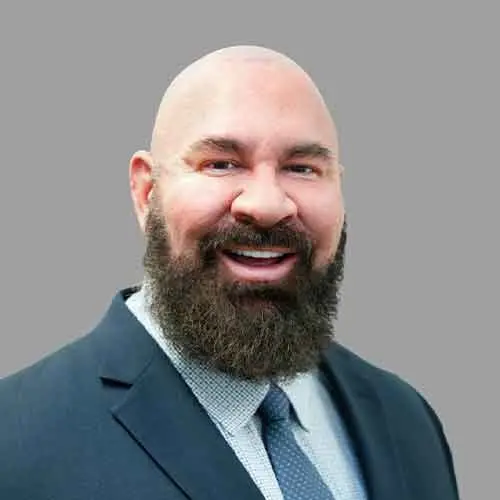
Matthew Ruble, MD
Chief Medical Officer
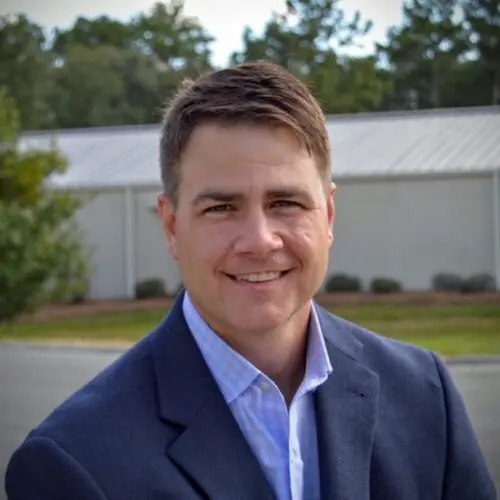
Stephen Register
President, Mental Health Division

Lisa Arndt, LMFT
Primary Therapist & Clinical Supervisor
Christopher Myrick
Primary Therapist

Dr. Michael Louie
Psychiatrist
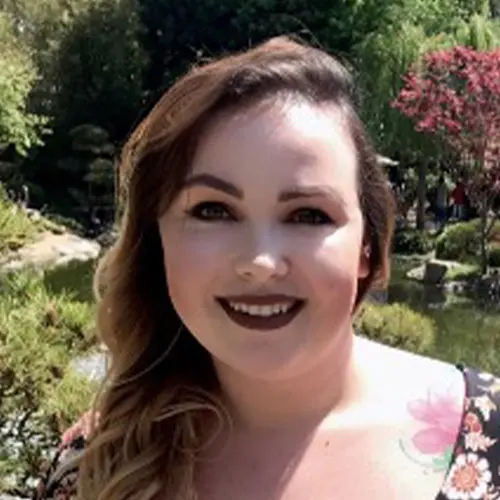
Blaise Eversole
Milieu Manager
Accreditations

The Joint Commission, formerly known as JCAHO, is a nonprofit organization that accredits rehab organizations and programs. Founded in 1951, the Joint Commision's mission is to improve the quality of patient care and demonstrating the quality of patient care.
Joint Commission Accreditation: Yes
Rehab.com regularly reviews this listing for accuracy but changes may occur between updates. For the most up-to-date information, please contact Discovery Mood & Anxiety Program.
Contact Information


350 West Wardlow Road
Long Beach, CA 90806
Sponsored Helpline



