










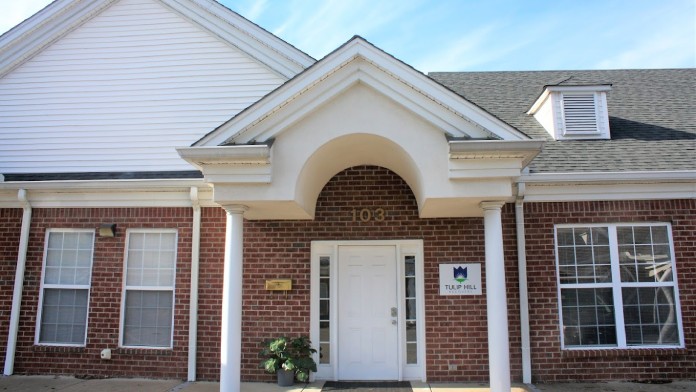
Tulip Hill Recovery
1
Top 10 Rehab Centers In Murfreesboro


















































































Duke Center for Smoking Cessation in Durham, North Carolina, offers help for adults interested in giving up a tobacco habit. The clinic‘s location in the medical campus of Duke University Hospital makes it easy for clients to access other medical services, including addiction treatment and mental healthcare.
Staff have a unique approach to treating tobacco use disorder (TUD). In addition to standard treatment, which includes medications and counseling, licensed addiction professionals offer
Mindfulness Training for Smokers. It’s a free mindfulness group open to anyone in the smoking cessation treatment program.
Something that stands out about the program is that clients aren’t expected to just give up smoking, with penalties for relapse. Jillian Dirkes, MSW, LCSW, manages the smoking cessation program and highlights the “importance of meeting people where they are, not forcing immediate abstinence and creating personalized support.”
Staff may refer clients to substance use disorder (SUD) treatment at Duke University School of Medicine when needed. Addiction treatment is available for a range of SUDs, including alcohol and cannabis use disorders. Duke is a research university, so clients have access to some of the latest and most innovative treatment approaches.
Your first appointment with the Duke Center for Smoking Cessation can be either virtual or in person. The center accepts insurance, but also offers self pay options.



 Our Methodology


Self-pay involves paying for treatment out of your own pocket. You can use savings or credit, get a personal loan, or receive help from family and friends to fund your treatment. If you don't have insurance or your insurance plan doesn't cover a specific program, self-pay can help ensure you still get the care you need.
Clients who are exiting detox or stepping down from intensive inpatient care typically transition directly into outpatient treatment. Outpatient programs are designed to allow clients to either re-enter or remain in their communities while receiving robust, personalized care. Many facilities offer evening, night, or weekend services to accommodate clients' home and work schedules. The most common outpatient treatment modalities include psychotherapy, recovery-focused life skills training, and medication assisted treatment (MAT).
Clients who receive cognitive behavioral therapy in North Carolina typically attend five to 20 sessions. During this time, they work with their therapist to learn healthier patterns of thinking, which can help them change their behavior related to substance use.
You usually develop a strong bond with your therapist during individual therapy sessions. This helps you explore the underlying causes of your substance use in a safe and nonjudgmental environment. Therapists help you develop effective coping strategies you can use in the community and improve your self awareness so you understand your addiction triggers.
Family therapy sessions address the emotional toll that addiction has had on the family unit and individual members. Therapists work with families to develop better coping strategies, which in turn create a stable environment for their loved one's recovery process.
Rehab.com regularly reviews this listing for accuracy but changes may occur between updates. For the most up-to-date information, please contact Duke Center for Smoking Cessation.

2424 Erwin Rd #201, Durham, NC 27705
Sponsored Helpline
 Back
Sharing your insights and experiences can help others learn more about this rehab center.

 Written By: Amy Ramirez-Leal
MA
