Our Rehab Score is designed to make it easier for you to find the best treatment centers. We combine overall ratings with recent feedback to create a score that reflects a center's quality right now.
9.10 / 10
1
Top 10 Rehab in Kailua Kona
Rehab Score
Our Rehab Score is designed to make it easier for you to find the best treatment centers. We combine overall ratings with recent feedback to create a score that reflects a center's quality right now.
Our Rehab Score is designed to make it easier for you to find the best treatment centers. We combine overall ratings with recent feedback to create a score that reflects a center's quality right now.
9.10 / 10
1
Top 10 Rehab in Kailua Kona
Rehab Score
Our Rehab Score is designed to make it easier for you to find the best treatment centers. We combine overall ratings with recent feedback to create a score that reflects a center's quality right now.
9.10 / 10
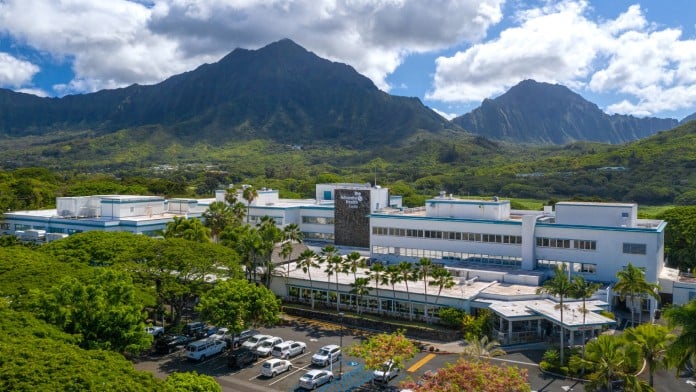
About Hawaii Island Recovery
Along with proven therapy methods such as counseling and group therapy, they take full advantage of island life to give you a holistic recovery experience. Yoga and meditation are on offer. This type of exercise has been shown to reduce stress and may aid in your recovery. You get to do nature based therapy which gives you time outside, breathing the air, surrounded by vibrant life.
Ocean therapy is another highly effective means of healing that involves swimming, surfing or kayaking in the sparkling waters of the Pacific. You can experience the island’s marine wildlife up close as you meditate while sitting on a surfboard.
They include local cultural traditions in your treatment such as the ultra-simple Ho’oponopono. This profoundly healing activity is powerful for resolving inner turmoil, restoring broken relationships and making things right.
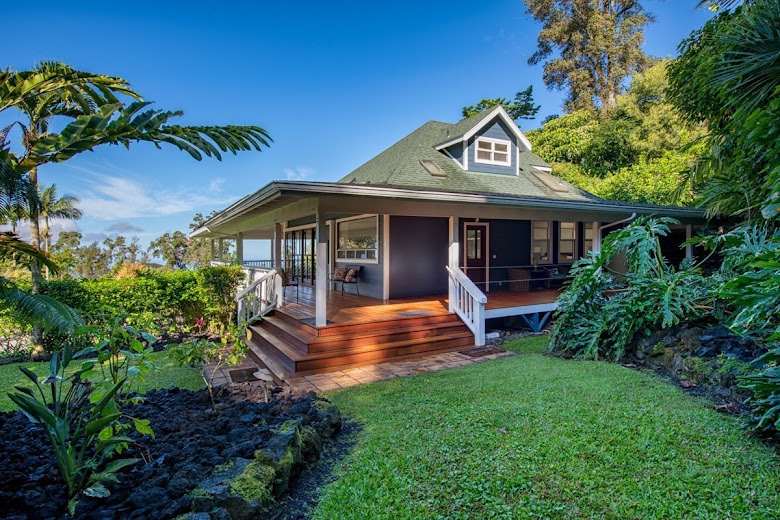
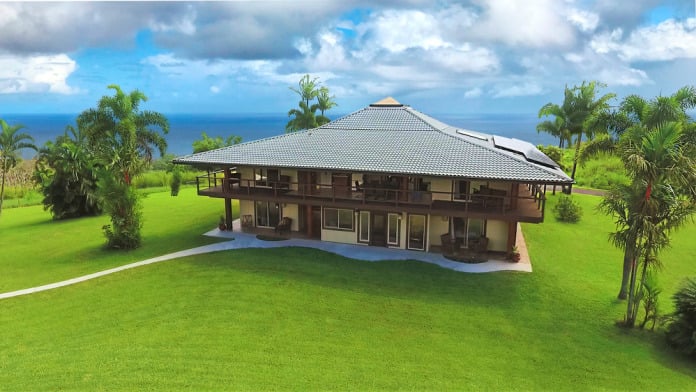
Kailua Kona is a true paradise for recovery among waterfalls, volcanoes and beaches with soft black sand. You can go deep sea fishing, or whale watching. From the top of Mauna Kea, you can see the world’s largest active volcano, the Mauna Loa. As you restore your quality of life, you can take in the sight of lava, the desert, a vibrant valley and beautiful stretches of beach.
My experience at Hawai’i Island Recovery has truly been a once-in-a-lifetime experience. I felt so welcome from the beginning, and it really became a home away from home for me. The staff took the time to get to know me, cared about what I was going through, and pushed me in ways that helped me believe in myself again. The encouragement and support I received every day made such a difference.
One of the things I’ll always be grateful for is the community. HIR gets you involved in AA and NA meetings around Kona, and because Kona is such a small and close-knit place, you start seeing familiar faces and building real connections. The people I met and the friendships I made became such an important part of my recovery.
I had been to treatment in Los Angeles before, and honestly, I came to HIR with a lot of doubt. My experiences in LA left me wondering if treatment could really change my life. HIR completely changed that perspective for me.
Of course, treatment isn’t always sunshine and rainbows. There are challenging days, especially when everyone is at different points in their recovery, but that’s part of the process and those moments don’t define the experience as a whole. If you truly want recovery and are willing to put the work in, I believe this program gives you a really supportive environment to do that.
They also keep you busy and give you experiences outside of the treatment center. Going to the gym, beach and hiking outings with your therapist, getting massages, and getting out into the community made the experience feel so much more well-rounded. Being in Hawai’i definitely doesn’t hurt either, but it was the people and the environment that made this place so special to me.
I also want to give a special thank you to Toby, my therapist. He made a real difference for me and always made me feel comfortable being honest. I’m very grateful I got to work with him.
And Tiffany deserves a special mention too. She is such a positive and inspiring person, and her energy brought a lot of encouragement to the environment. Having staff who genuinely want to see you succeed means more than they probably realize.
I stayed for 60 days, and HIR gave me an opportunity to actually start rebuilding my life. I came in unsure of whether treatment could really work for me, and I’m leaving with a completely different perspective and so much more hope for my future.
I would wholeheartedly recommend this program to anyone who is ready to put the work into their recovery. I will always be grateful that I ended up at Hawai’i Island Recovery. Thank you to everyone there who showed up for me, believed in me, challenged me, laughed with me, and helped me remember who I am. This place will always hold a very special place in my heart. 🤙🏼🌺
Response from the owner1 week ago
Thank you so much for your review - HIR strives to generate just this kind of high quality experience. Not all programs try as hard as we do. We do appreciate that early recovery is not all “rainbows”. As one of our HIR family, we will always be there for you. Your positive contribution to everyone's recovery experience is greatly appreciated. Aloha and Mahalo, HIR Team Kona, Hawaii
I did a 30 day program at HIR and can honestly say it was the best thing I could have ever done for myself. From the daily therapy, the meetings, the food provided by the chef and the outings, this program is made to work if you want it to. All the staff were beyond great and very attentive when needed. I couldn't have asked to be at a better rehab then HIR.
Response from the owner1 week ago
You came to HIR honest, open-minded and willing. It was a joy and an honor to be a part of your quest for recovery. We truly believe you have great prospects for long term success. If you ever need us, you are part of the HIR family now. Aloha and Mahalo, HIR Team
Having known the CEO for years, I can say firsthand that his commitment to helping others comes from a deeply authentic place. Having walked the path of recovery himself, he truly understands what it takes to heal and rebuild a life. That personal experience—combined with his love for the outdoors and nature-based healing—is woven into the core of Hawaii Island Recovery. He is a stand-up guy with a genuine heart for people, and anyone looking for a compassionate, top-tier environment for recovery will find it here.
Scoring is assigned by a proprietary system which helps surface key metrics that determine quality. The 10-point scale factors in categories such as operations, customer satisfaction, and trust metrics. Read Full Methodology
9.1 / 10
Gallery
Accepted Insurance
Please contact to verify your specific insurance provider.
Hawaii Island Recovery works with several private insurance providers, please contact to verify your specific insurance provider.
Private insurance refers to any kind of healthcare coverage that isn't from the state or federal government. This includes individual and family plans offered by an employer or purchased from the Insurance Marketplace. Every plan will have different requirements and out of pocket costs so be sure to get the full details before you start treatment.
Self-pay involves paying for treatment out of your own pocket. You can use savings or credit, get a personal loan, or receive help from family and friends to fund your treatment. If you don't have insurance or your insurance plan doesn't cover a specific program, self-pay can help ensure you still get the care you need.
Financial aid can take many forms. Centers may have grants or scholarships available to clients who meet eligibility requirements. Programs that receive SAMHSA grants may have financial aid available for those who need treatment as well. Grants and scholarships can help you pai for treatment without having to repay.
Military members, veterans, and eligible dependents have access to specific insurance programs that help them get the care they need. TRICARE and VA insurance can help you access low cost or no cost addiction and mental health treatment. Programs that accept military insurance often have targeted treatment focused on the unique challenges military members, veterans, and their families face.
Addiction Treatments
Levels of Care
Outpatient Programs (OP) are for those seeking mental rehab or drug rehab, but who also stay at home every night. The main difference between outpatient treatment (OP) and intensive outpatient treatment (IOP) lies in the amount of hours the patient spends at the facility. Most of the time an outpatient program is designed for someone who has completed an inpatient stay and is looking to continue their growth in recovery. Outpatient is not meant to be the starting point, it is commonly referred to as aftercare.
Residential treatment programs are those that offer housing and meals in addition to substance abuse treatment. Rehab facilities that offer residential treatment allow patients to focus solely on recovery, in an environment totally separate from their lives. Some rehab centers specialize in short-term residential treatment (a few days to a week or two), while others solely provide treatment on a long-term basis (several weeks to months). Some offer both, and tailor treatment to the patient's individual requirements.
12-step programs are addiction recovery models based on Alcoholics Anonymous (AA). A number of substance abuse programs (including some drug and alcohol rehab centers) use the 12 steps as a basis for treatment. Beginning steps involve admitting powerlessness over the addiction and creating a spiritual basis for recovery. Middle steps including making direct amends to those who've been hurt by the addiction, and the final step is to assist others in addiction recovery in the same way. 12-Step offshoots including Narcotics Anonymous (NA), Cocaine Anonymous (CA), Dual Recovery Anonymous (DRA), Sex and Love Addicts Anonymous (SLAA) and Gamblers Anonymous (GA).
A sober living home in Hawaii helps residents achieve several goals that will help them move forward in their recovery journey. During their stay at a men's or women's sober living home, residents find and maintain employment, locate more permanent housing, make amends with friends and family members hurt by their substance abuse, and adjust to maintaining a sober lifestyle in a less structured environment.
For anyone struggling with substance abuse but reluctant to seek help, a drug intervention in Hawaii can help to provide that essential motivation. Drug intervention services provide a professional interventionist to assist families with this process. The interventionist helps the individual understand the extent of the damage caused by substance abuse and how treatment works. This clinical perspective can be a helpful addition to the family's personal expressions of concern.
Drug and alcohol addiction often takes a heavy toll on one's body. Over time, a physical dependence can develop, meaning the body physiologically needs the substance to function. Detox is the process of removing drugs and/or alcohol from the body, a process that can be lethal if mismanaged. Medical detox is done by licensed medical professionals who monitor vital signs and keep you safe, healthy, and as comfortable as possible as you go through detox and withdrawal.
Treatments
The goal of treatment for alcoholism is abstinence. Those with poor social support, poor motivation, or psychiatric disorders tend to relapse within a few years of treatment. For these people, success is measured by longer periods of abstinence, reduced use of alcohol, better health, and improved social functioning. Recovery and Maintenance are usually based on 12 step programs and AA meetings.
Drug rehab in Hawaii is for individuals suffering from substance use disorders. Treatment addresses the many issues involved with addiction, typically through a combination of medical and psychotherapy treatments.
Co-occurring mental health disorders are almost always present with addictive disorders. Because of this, it is imperative to appropriately treat mental health issues concurrent with the addiction. To treat one without the other creates a vulnerability for relapse, and results in the painful cycle of repeated stints in rehab and treatment failures. For real and lasting change to occur in mood and behavior, underlying feelings, traumas and beliefs must be identified and resolved.
A combined mental health and substance abuse rehab has the staff and resources available to handle individuals with both mental health and substance abuse issues. It can be challenging to determine where a specific symptom stems from (a mental health issue or an issue related to substance abuse), so mental health and substance abuse professionals are helpful in detangling symptoms and keeping treatment on track.
Opioid rehabs specialize in supporting those recovering from opioid addiction. They treat those suffering from addiction to illegal opioids like heroin, as well as prescription drugs like oxycodone. These centers typically combine both physical as well as mental and emotional support to help stop addiction. Physical support often includes medical detox and subsequent medical support (including medication), and mental support includes in-depth therapy to address the underlying causes of addiction.
Programs
Adult rehab programs include therapies tailored to each client's specific needs, goals, and recovery progress. They are tailored to the specific challenges adult clients may face, including family and work pressures and commitments. From inpatient and residential treatment to various levels of outpatient services, there are many options available. Some facilities also help adults work through co-occurring conditions, like anxiety, that can accompany addiction.
Serving in the military is both mentally and physically challenging, and can result in trauma that persists even after combat ends. Military programs are tailored to the specific and often complex needs of active duty personnel, veterans, and military families. Clients often access these programs through the U.S. Department of Veterans Affairs (VA).
Clinical Services
During cognitive behavioral therapy in Hawaii, patients learn about their mental and behavioral health conditions and then learn techniques to help them change their patterns of thinking and behavior. Tools such as stress management, coping, and assertiveness are used to break free from patterns of substance abuse.
During dialectical behavior therapy in Hawaii, you'll focus on developing skills that allow you to manage daily life challenges. The main areas of focus are emotional regulation, interpersonal effectiveness, distress tolerance, and mindfulness.
Group therapy is any therapeutic work that happens in a group (not one-on-one). There are a number of different group therapy modalities, including support groups, experiential therapy, psycho-education, and more. Group therapy involves treatment as well as processing interaction between group members.
In individual therapy, a patient meets one-on-one with a trained psychologist or counselor. Therapy is a pivotal part of effective substance abuse treatment, as it often covers root causes of addiction, including challenges faced by the patient in their social, family, and work/school life.
Motivational Interviewing (MI) is a clinical approach to helping people with substance abuse issues and other conditions shift behavior in positive ways. It is more goal-oriented than traditional psychotherapy, as MI counselors directly attempt to get clients to consider making behavioral change (rather than wait for them to come to conclusions themselves). Its primary purpose is to resolve ambivalence and help clients become able to make healthy choices freely.
Trauma therapy addresses traumatic incidents from a client's past that are likely affecting their present-day experience. Trauma is often one of the primary triggers and potential causes of addiction, and can stem from child sexual abuse, domestic violence, having a parent with a mental illness, losing one or both parents at a young age, teenage or adult sexual assault, or any number of other factors. The purpose of trauma therapy is to allow a patient to process trauma and move through and past it, with the help of trained and compassionate mental health professionals.
During couples therapy in Hawaii, your therapist may borrow techniques from multiple forms of therapy based on your needs. Methods may include cognitive behavioral therapy and emotionally focused therapy. The ultimate goal of treatment is a stronger relationship.
EMDR is a therapeutic modality originally developed to help process trauma. In an EMDR session, a patient is prompted to undergo eye movements that mimic those of REM sleep. This is accomplished by watching a therapist's finger move back and forth across, or following a bar of light. The goal is repetitive sets of eye movements that help the brain reprocess memory, which can significantly reduce the intensity of remembered traumatic incidents. Associated memories can heal simultaneously, leaving patients significantly calmer, more stable, and more emotionally relaxed.
Family therapy engages members in a collective effort to understand and combat addiction. Therapists help families establish healthy boundaries and improve emotional support systems. By working together, family members can help their loved one sustain long term recovery.
Life skills trainings involve all the skills a person must have in order to function successfully in the world. These include time management, career guidance, money management, and effective communication. Truly successful addiction recovery is based on the ability to not only live substance-free, but to thrive. Life skills teaches the practical necessities of functioning in society, which sets clients up for success in life, and therefore sobriety.
Nutrition therapy in Hawaii empowers you to gain control of your nutrition that has been thrown off balance by addiction. You'll discover what foods are best for recovery and how to restore and maintain nutritional balance.
Recreational therapy supports addiction recovery by helping you engage in activities that improve your physical and mental health. Participating in creative arts, nature activities, and sports helps reduce cravings, focus your attention on positive things, alleviate stress, and build a supportive community.
Creativity is inherently healing, and can help those in recovery express thoughts or feelings they might not otherwise be able to. Creative arts therapy can include music, poetry/writing, painting, sculpting, dance, theater, sandplay, and more. Unlike traditional art, the final product matters far less than the experience of creation and expression itself.
Experiential therapy is a form of therapy in which clients are encouraged to surface and work through subconscious issues by engaging in real-time experiences. Experiential therapy departs from traditional talk therapy by involving the body, and having clients engage in activities, movements, and physical and emotional expression. This can involve role-play or using props (which can include other people). Experiential therapy can help people process trauma, memories, and emotion quickly, deeply, and in a lasting fashion, leading to substantial and impactful healing.
Amenities
Residential Setting
Yoga Studio
Wifi
Private Transportation
Private Rooms
Hiking
Gym
Meditation Room
Beach Setting
Gardens
Staff & Accreditations
Staff
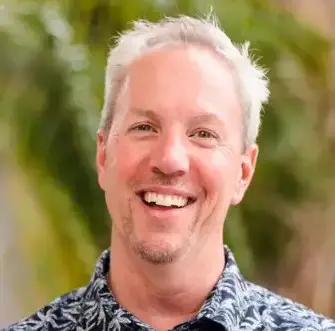
Scott Schroeder
CEO
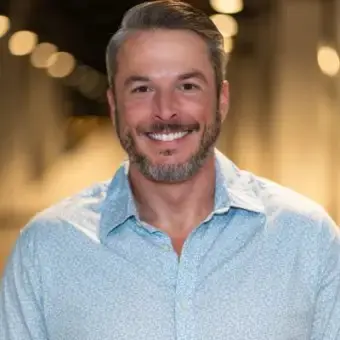
Kevin Schroeder
Director of Admissions
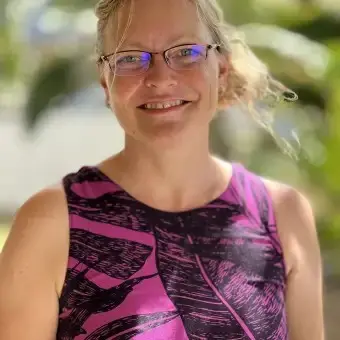
Gudrun Baumgaertl, PH.D
Finance Director
Sophie Holm Higgins
QA Specialist & Chief Compliance Officer
Accreditations
The Commission on Accreditation of Rehabilitation Facilities (CARF) is a non-profit organization that specifically accredits rehab organizations. Founded in 1966, CARF's, mission is to help service providers like rehab facilities maintain high standards of care.
CARF Accreditation: Yes
The Joint Commission, formerly known as JCAHO, is a nonprofit organization that accredits rehab organizations and programs. Founded in 1951, the Joint Commision's mission is to improve the quality of patient care and demonstrating the quality of patient care.
Joint Commission Accreditation: Yes
The National Association of Addiction Treatment Providers (NAATP) is a professional association that represents organizations in the field of addiction services. Founded in 1978, NAATP's mission is to advance addiction services and ensure that high-quality addiction treatment is available and accessible.
NAATP Member: Yes
Member ID: 231
Rehab.com regularly reviews this listing for accuracy but changes may occur between updates. For the most up-to-date information, please contact Hawaii Island Recovery.
On the website they offer a healing experience different from the one they truly offer, they deceive people. It is not worth the money spent in this place, the quality of care is poor, there was little holistic care, patients spend most of the time they spend doing nothing o ...
Read More
My experience at Hawai’i Island Recovery has truly been a once-in-a-lifetime experience. I felt so welcome from the beginning, and it really became a home away from home for me. The staff took the time to get to know me, cared about what I was going through, and pushed me in ways that helped me believe in myself again. The encouragement and support I received every day made such a difference.
One of the things I’ll always be grateful for is the community. HIR gets you involved in AA and NA meetings around Kona, and because Kona is such a small and close-knit place, you start seeing familiar faces and building real connections. The people I met and the friendships I made became such an important part of my recovery.
I had been to treatment in Los Angeles before, and honestly, I came to HIR with a lot of doubt. My experiences in LA left me wondering if treatment could really change my life. HIR completely changed that perspective for me.
Of course, treatment isn’t always sunshine and rainbows. There are challenging days, especially when everyone is at different points in their recovery, but that’s part of the process and those moments don’t define the experience as a whole. If you truly want recovery and are willing to put the work in, I believe this program gives you a really supportive environment to do that.
They also keep you busy and give you experiences outside of the treatment center. Going to the gym, beach and hiking outings with your therapist, getting massages, and getting out into the community made the experience feel so much more well-rounded. Being in Hawai’i definitely doesn’t hurt either, but it was the people and the environment that made this place so special to me.
I also want to give a special thank you to Toby, my therapist. He made a real difference for me and always made me feel comfortable being honest. I’m very grateful I got to work with him.
And Tiffany deserves a special mention too. She is such a positive and inspiring person, and her energy brought a lot of encouragement to the environment. Having staff who genuinely want to see you succeed means more than they probably realize.
I stayed for 60 days, and HIR gave me an opportunity to actually start rebuilding my life. I came in unsure of whether treatment could really work for me, and I’m leaving with a completely different perspective and so much more hope for my future.
I would wholeheartedly recommend this program to anyone who is ready to put the work into their recovery. I will always be grateful that I ended up at Hawai’i Island Recovery. Thank you to everyone there who showed up for me, believed in me, challenged me, laughed with me, and helped me remember who I am. This place will always hold a very special place in my heart. 🤙🏼🌺
Response from the owner
Thank you so much for your review - HIR strives to generate just this kind of high quality experience. Not all programs try as hard as we do. We do appreciate that early recovery is not all “rainbows”. As one of our HIR family, we will always be there for you. Your positive contribution to everyone's recovery experience is greatly appreciated. Aloha and Mahalo, HIR Team Kona, Hawaii
Lisabeth
1 month ago
1
My experience at Hawaii Island Recovery was deeply concerning. When I was discharged, I was given less than an hour to leave and told law enforcement would be contacted if I did not. I had not displayed combative, threatening, or disruptive behavior that would have justified that response.
I told staff that I did not feel safe leaving and asked to speak with a medical professional about my concerns. I was not given that opportunity; instead, my request was handled by a technician.
I also experienced delays receiving my prescribed medication because I was told I had to wait for Chris, the house manager, to wake up before my medication could be provided. These delays caused me to begin experiencing withdrawal symptoms.
I was also concerned that Dr. Denzer did not provide the cancer-related care I understood would be available if I remained a patient at the facility.
At discharge, I was unable to retrieve my prescribed Adderall, which I had brought with me at admission and was told would be returned. Staff could not locate it, and I was not provided documentation showing whether it had been disposed of, transferred, or otherwise accounted for.
I found the discharge process distressing and felt my safety concerns, cancer-care concerns, and medication-related questions were not handled appropriately. I hope the facility reviews its discharge procedures, access to medication, communication practices, and medication-accountability process.
Justin Marfil
1 month ago
5
I did a 30 day program at HIR and can honestly say it was the best thing I could have ever done for myself. From the daily therapy, the meetings, the food provided by the chef and the outings, this program is made to work if you want it to. All the staff were beyond great and very attentive when needed. I couldn't have asked to be at a better rehab then HIR.
Response from the owner
You came to HIR honest, open-minded and willing. It was a joy and an honor to be a part of your quest for recovery. We truly believe you have great prospects for long term success. If you ever need us, you are part of the HIR family now. Aloha and Mahalo, HIR Team
Russell Stout
2 months ago
5
Having known the CEO for years, I can say firsthand that his commitment to helping others comes from a deeply authentic place. Having walked the path of recovery himself, he truly understands what it takes to heal and rebuild a life. That personal experience—combined with his love for the outdoors and nature-based healing—is woven into the core of Hawaii Island Recovery. He is a stand-up guy with a genuine heart for people, and anyone looking for a compassionate, top-tier environment for recovery will find it here.
With nearly 20 years of writing experience for both print and digital media, Dianne specializes in making complex topics simple. As a word-lover, she splits her time between content creation and fiction writing, embracing both as opportunities to keep learning.
By calling the helpline you agree to the terms of use. We do not receive any commission or fee that is dependent upon which treatment provider a caller chooses. There is no obligation to enter treatment.
Calls to numbers on a specific treatment center listing will be routed to that treatment center. Calls to any general helpline could be forwarded to SAMHSA or a verified treatment provider.
If you wish to connect with non-sponsor centers, you can browse top-rated listings, visit our homepage and browse by state, or visit SAMHSA.

 Sponsored Helpline





























































































 10
10  $34500





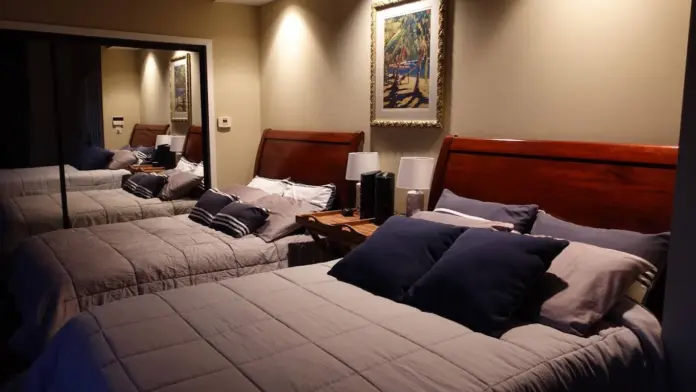
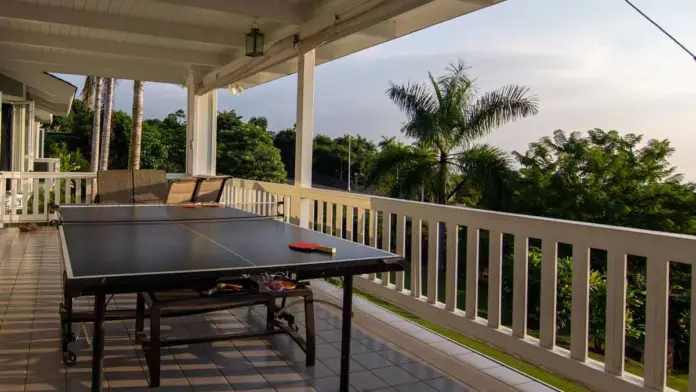
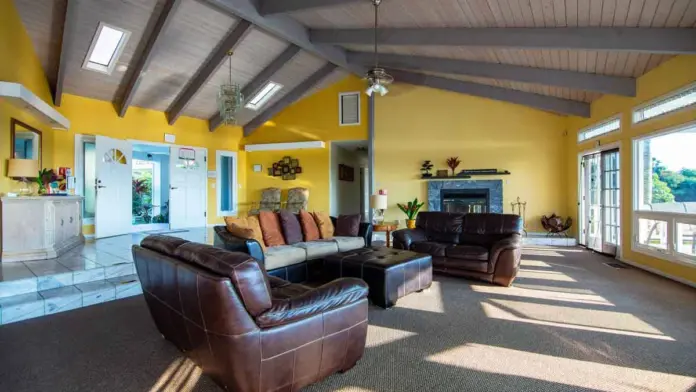

 Residential Setting
  Yoga Studio
  Wifi
Wifi  Private Transportation
  Private Rooms
  Hiking
  Gym
Gym  Meditation Room
  Beach Setting
  Gardens