






























































































My brother has struggled with alcohol for most of his life. I think with my family we lost hope for some time. But some family friend recommended this place and we decided to take a chance. I'm so glad we did, my brother came back a different man. If you have a loved one who ...
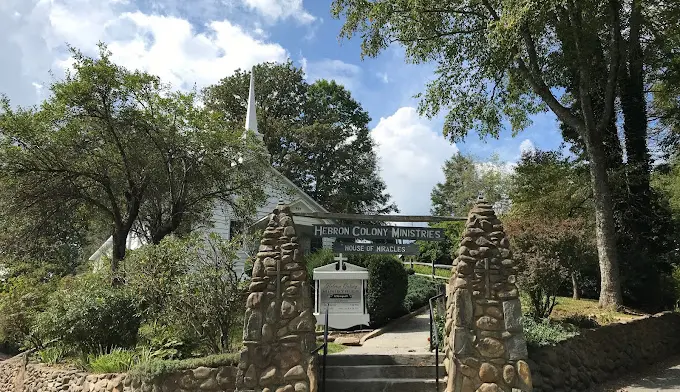
About Hebron Colony Ministries Inc
Addiction-related services offered at Hebron Colony Ministries include mental health assessment and counseling, residential addiction treatment, and sober housing.
Mental Health Assessment and Counseling
These assessments help determine the severity of addiction and establish a faith-based treatment plan for clients in their inpatient program. Counseling services include group and individual lay-person counseling.
Residential Substance Use Disorder Treatment
The addiction treatment program at Hebron Colony Ministries relies on Christian principles to treat addiction and mental health conditions. Treatment focuses on developing a relationship with a higher power, discipleship, and Bible study. This program is available for men over 20.
Sober Living
Following the completion of their inpatient rehab program, Hebron Colony Ministries provides a structured recovery residence for men in early recovery. Residents are required to attend regular recovery meetings, comply with house rules, secure employment, and take part in worship and household chores. Participants may also be required to undergo a random drug screening to ensure compliance with the house rules.
Latest Reviews
Awesome recovery, incredible ministry that’s for real. If you ever had doubts, fears, denialism when it came to getting help and the fear of going to a “rehabilitation facility, go here. People here really care. It’s for real.
Blessing and moment of time. You go in lost and come home relationship Jesus Christ. Freedom from bandage of self thru word of God. Carl Hinnant became willing to forgive. Hebron ministries staff walk thru with him . He died August 18,2024. I know he is in heaven.
Graduation class ‘24. Recent graduate here. Hebron Colony holds a special place in my heart. FOREVER!!! During my time of healing on the mountain I experienced a sincerity, and honest compassion from the pastors that was real. That mountain is amazing, the presence of The Lord there is absolutely UNDENIABLE!! I met some of the best men in the world there that just happened to get off track in life & sought The Lord to get back on track! I would recommend this place to ANY MAN struggling with drug addiction/alcoholism. Pastor Bryan, Gene, Don and RD are incredible Men of God. It’s my other family now. I’m forever grateful and changed.

Rehab Score
 Our Methodology
Scoring is assigned by a proprietary system which helps surface key metrics that determine quality. The 10-point scale factors in categories such as operations, customer satisfaction, and trust metrics. Read Full Methodology

7.1 / 10
Gallery

Other Forms of Payment
Self-pay involves paying for treatment out of your own pocket. You can use savings or credit, get a personal loan, or receive help from family and friends to fund your treatment. If you don't have insurance or your insurance plan doesn't cover a specific program, self-pay can help ensure you still get the care you need.
 Free
FreeAddiction Treatments
Levels of Care
Residential treatment programs are those that offer housing and meals in addition to substance abuse treatment. Rehab facilities that offer residential treatment allow patients to focus solely on recovery, in an environment totally separate from their lives. Some rehab centers specialize in short-term residential treatment (a few days to a week or two), while others solely provide treatment on a long-term basis (several weeks to months). Some offer both, and tailor treatment to the patient's individual requirements.
Rehab aftercare programs offer a complete continuum of care for clients in the maintenance phase of recovery and are predicated on the idea that addiction disease is a chronic condition prone to relapse and warranting continuing care. Clients collaborate with their care team and case manager to access the specific rehab aftercare services they need to promote their sustained sobriety. Peer coaching, relapse prevention services, career counseling, and 12 step program induction are common in these programs.
A sober living home in North Carolina offers structure and support to help individuals maintain sobriety. The home is free from substances and offers 12-step programs, individual responsibilities, and mutual support with others in recovery. This setting can provide a lifeline as individuals strengthen recovery skills and prepare to reenter mainstream society. Most residents remain in a men's or women's sober living home for six months or more.
Treatments
The goal of treatment for alcoholism is abstinence. Those with poor social support, poor motivation, or psychiatric disorders tend to relapse within a few years of treatment. For these people, success is measured by longer periods of abstinence, reduced use of alcohol, better health, and improved social functioning. Recovery and Maintenance are usually based on 12 step programs and AA meetings.
There are many types of drug rehab in North Carolina. To receive treatment for addiction, you can choose from many inpatient and outpatient programs. Often, participants start with detox and work through a full continuum of care that continues with ongoing support for long-term recovery.
Opioid rehabs specialize in supporting those recovering from opioid addiction. They treat those suffering from addiction to illegal opioids like heroin, as well as prescription drugs like oxycodone. These centers typically combine both physical as well as mental and emotional support to help stop addiction. Physical support often includes medical detox and subsequent medical support (including medication), and mental support includes in-depth therapy to address the underlying causes of addiction.
Substance rehabs focus on helping individuals recover from substance abuse, including alcohol and drug addiction (both illegal and prescription drugs). They often include the opportunity to engage in both individual as well as group therapy.
Programs
Adult rehab programs include therapies tailored to each client's specific needs, goals, and recovery progress. They are tailored to the specific challenges adult clients may face, including family and work pressures and commitments. From inpatient and residential treatment to various levels of outpatient services, there are many options available. Some facilities also help adults work through co-occurring conditions, like anxiety, that can accompany addiction.
Young adulthood can be an exciting, yet difficult, time of transition. Individuals in their late teens to mid-20s face unique stressors related to school, jobs, families, and social circles, which can lead to a rise in substance use. Rehab centers with dedicated young adult programs will include activities and amenities that cater to this age group, with an emphasis on specialized counseling, peer socialization, and ongoing aftercare.
Recovery is most successful when clients feel accepted and validated by their peers and treatment providers. Facilities that offer LGBTQ-inclusive programming are committed to creating a safe space where everyone can grow and recover without fear of judgment or discrimination. They will have dedicated policies in place to create a safe and supportive environment that fosters free expression.
Clinical Services
Group therapy is any therapeutic work that happens in a group (not one-on-one). There are a number of different group therapy modalities, including support groups, experiential therapy, psycho-education, and more. Group therapy involves treatment as well as processing interaction between group members.
In individual therapy, a patient meets one-on-one with a trained psychologist or counselor. Therapy is a pivotal part of effective substance abuse treatment, as it often covers root causes of addiction, including challenges faced by the patient in their social, family, and work/school life.
Trauma therapy helps you reclaim your life after experiencing or witnessing a traumatic event. Therapists help to process these memories, which promotes emotional healing and reduces anxiety in social situations. This improves your overall well being and increases your self confidence.
Whether a marriage or other committed relationship, an intimate partnership is one of the most important aspects of a person's life. Drug and alcohol addiction affects both members of a couple in deep and meaningful ways, as does rehab and recovery. Couples therapy and other couples-focused treatment programs are significant parts of exploring triggers of addiction, as well as learning how to build healthy patterns to support ongoing sobriety.
Research clearly demonstrates that recovery is far more successful and sustainable when loved ones like family members participate in rehab and substance abuse treatment. Genetic factors may be at play when it comes to drug and alcohol addiction, as well as mental health issues. Family dynamics often play a critical role in addiction triggers, and if properly educated, family members can be a strong source of support when it comes to rehabilitation.
Life skills trainings involve all the skills a person must have in order to function successfully in the world. These include time management, career guidance, money management, and effective communication. Truly successful addiction recovery is based on the ability to not only live substance-free, but to thrive. Life skills teaches the practical necessities of functioning in society, which sets clients up for success in life, and therefore sobriety.
During nutrition therapy in North Carolina, you'll work with a nutritionist to develop a dietary plan. Medical professionals will provide input based on your health needs. You'll learn to create goals for nutrition and develop the skills you need to meet them.
Creativity is inherently healing, and can help those in recovery express thoughts or feelings they might not otherwise be able to. Creative arts therapy can include music, poetry/writing, painting, sculpting, dance, theater, sandplay, and more. Unlike traditional art, the final product matters far less than the experience of creation and expression itself.
Experiential therapy is a form of therapy in which clients are encouraged to surface and work through subconscious issues by engaging in real-time experiences. Experiential therapy departs from traditional talk therapy by involving the body, and having clients engage in activities, movements, and physical and emotional expression. This can involve role-play or using props (which can include other people). Experiential therapy can help people process trauma, memories, and emotion quickly, deeply, and in a lasting fashion, leading to substantial and impactful healing.
If you've been smoking for a while, your body has become physically dependent on the addictive substance nicotine. To avoid unpleasant withdrawal as you quit smoking, you can use nicotine replacement therapy in North Carolina. This gives you controlled amounts of nicotine in the form of lozenges, inhalers, sprays, patches, or gum.
Amenities
-
 Residential Setting
 -
 Private Rooms
 -
 Gardens
Staff

Don Holder
Executive Director
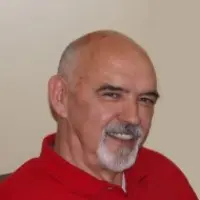
RD Hodges
Admissions Director
Rehab.com regularly reviews this listing for accuracy but changes may occur between updates. For the most up-to-date information, please contact Hebron Colony Ministries Inc.
Contact Information

356 Old Turnpike Road
Boone, NC 28607
Get Help Now - 828-974-8579
Sponsored Helpline
Sponsored Helpline



