










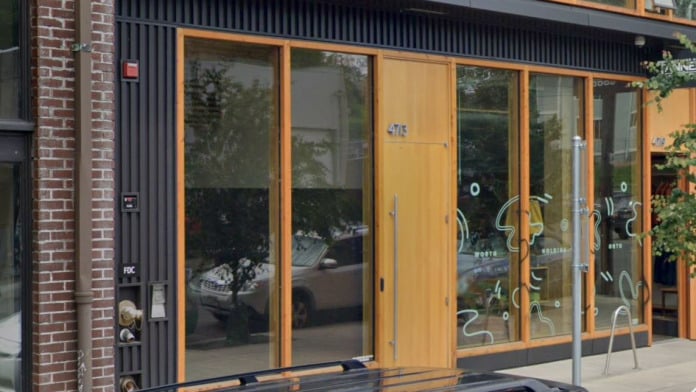
Tree House Recovery PDX
1
Top 10 Rehab Centers In Portland



















































































During MAT, FDA-approved medications are combined with mental health counseling to help individuals work through the mental, emotional, and physical aspects of addiction. Counseling supports people in identifying the emotions and behavioral patterns that perpetuate their addiction, while providing an opportunity to learn new skills to maintain their recovery. The medications support a safe and effective detox by removing addictive substances from the body while reducing cravings and withdrawal symptoms.
The medication-assisted treatment program is offered on an outpatient basis. This means individuals receive treatment and then return to their home environment upon completion of their session. Dosing is overseen by trained staff. After a client progresses through the program, they may reduce the frequency of their visits in order to move into an aftercare phase of treatment.
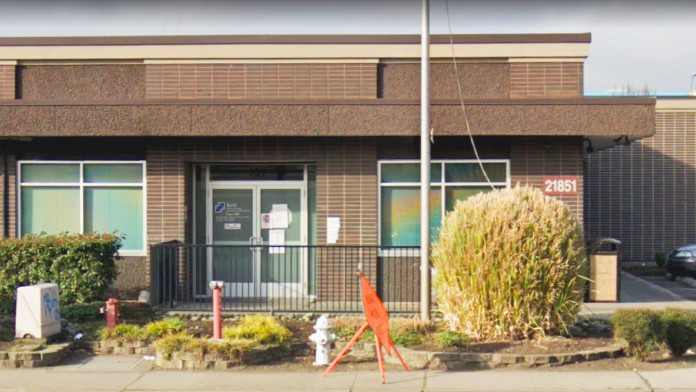
Kent Treatment Solutions accepts most insurance plans, including Amerigroup, United Healthcare, ComPsych, HCSC, Brightstar Health, Aetna, Anthem, Cigna, Blue Cross Blue Shield, and more. Out of network benefits may vary, so it is important to verify coverage with your provider prior to starting treatment.



 Our Methodology


Private insurance refers to any kind of healthcare coverage that isn't from the state or federal government. This includes individual and family plans offered by an employer or purchased from the Insurance Marketplace. Every plan will have different requirements and out of pocket costs so be sure to get the full details before you start treatment.
Self-pay involves paying for treatment out of your own pocket. You can use savings or credit, get a personal loan, or receive help from family and friends to fund your treatment. If you don't have insurance or your insurance plan doesn't cover a specific program, self-pay can help ensure you still get the care you need.
Financial aid can take many forms. Centers may have grants or scholarships available to clients who meet eligibility requirements. Programs that receive SAMHSA grants may have financial aid available for those who need treatment as well. Grants and scholarships can help you pai for treatment without having to repay.
Medicare is a federal program that provides health insurance for those 65 and older. It also serves people under 65 with chronic and disabling health challenges. To use Medicare for addiction treatment you need to find a program that accepts Medicare and is in network with your plan. Out of pocket costs and preauthorization requirements vary, so always check with your provider.
Military members, veterans, and eligible dependents have access to specific insurance programs that help them get the care they need. TRICARE and VA insurance can help you access low cost or no cost addiction and mental health treatment. Programs that accept military insurance often have targeted treatment focused on the unique challenges military members, veterans, and their families face.
Medicaid is a state based program that helps lower-income individuals and families pay for healthcare. Medicaid covers addiction treatment so those enrolled can use their coverage to pay for rehab. When a program accepts Medicaid the client often pays very little or nothing out of their own pocket.
Intensive Outpatient Programs (IOP) are for those who want or need a very structured treatment program but who also wish to live at home and continue with certain responsibilities (such as work or school). IOP substance abuse treatment programs vary in duration and intensity, and certain outpatient rehab centers will offer individualized treatment programs.
Inpatient rehab enables clients who are exiting detox or who are at an increased risk of relapse to focus on their recovery in a highly structured and supportive environment. Inpatient rehabs provide intensive clinical supervision and high-level treatment. Clients remain at the facility through the length of their program and typically receive multiple addiction counseling and education sessions per day. Holistic therapies, such as yoga, message, and meditation, may be used to relieve stress and ease discomfort.
Intensive outpatient programs (IOP) are frequently used to facilitate clients' transition from inpatient to outpatient care. Clients who are more stable may also choose to enter IOP rather than a residential rehab following detox. Intensive outpatient treatment typically consists of nine to 20 therapeutic hours per week, with services ranging from psychotherapy to recovery education to holistic care. Many programs offer medication assisted treatment (MAT) for opioid and/or alcohol addiction.
Rehab aftercare programs support clients as they focus on maintaining their sobriety after intensive (often inpatient) treatment. These programs adhere to a model of life-long recovery, addressing addiction disease as a chronic, relapsing condition. Rehab aftercare services vary widely based on the specific and evolving needs of the client, but often include peer coaching, relapse prevention support, and 12 step program induction. Clients, case managers, and care teams typically collaborate on long-term care plans.
12 step programs support participants' psychological, spiritual, and emotional development as integral to sustained recovery. Though 12 step recovery programs are based on the belief in a non-denominational higher power, religious affiliation is not required. Group meetings are paper-led, anonymous, free, and available daily, including on holidays, in most communities. Peer sponsors selected by the participants provide one-on-one coaching and support. Specialized formats are widely available, including programming for youth, seniors, and families.
Every sober living home in Washington allows for increased independence in recovery while still providing structure and accountability. Residents are expected to be responsible for themselves. They must pay for room and board and do everything they would do for themselves if they lived in a regular home. Typically, residents can live in a men's or women's sober living home for as long as they want, as long as they follow the house rules.
Intervention services helps family or friends of addicts stage an intervention, which is a meeting in which loved ones share their concerns and attempt to get an addict into treatment. Professional intervention specialists can help loved ones organize, gather, and communicate with an addict. They can guide intervention participants in describing the damage the addict's behavior is causing and that outside help is necessary to address the addiction. The ideal outcome of an intervention is for the addict to go to rehab and get the help they need
Drug and alcohol addiction often takes a heavy toll on one's body. Over time, a physical dependence can develop, meaning the body physiologically needs the substance to function. Detox is the process of removing drugs and/or alcohol from the body, a process that can be lethal if mismanaged. Medical detox is done by licensed medical professionals who monitor vital signs and keep you safe, healthy, and as comfortable as possible as you go through detox and withdrawal. The length of stay at the detoxification program is determined according to the specific needs of the patient.
Opioid rehabs specialize in supporting those recovering from opioid addiction. They treat those suffering from addiction to illegal opioids like heroin, as well as prescription drugs like oxycodone. These centers typically combine both physical as well as mental and emotional support to help stop addiction. Physical support often includes medical detox and subsequent medical support (including medication), and mental support includes in-depth therapy to address the underlying causes of addiction.
Substance rehabs focus on helping individuals recover from substance abuse, including alcohol and drug addiction (both illegal and prescription drugs). They often include the opportunity to engage in both individual as well as group therapy.
Adult rehab programs include therapies tailored to each client's specific needs, goals, and recovery progress. They are tailored to the specific challenges adult clients may face, including family and work pressures and commitments. From inpatient and residential treatment to various levels of outpatient services, there are many options available. Some facilities also help adults work through co-occurring conditions, like anxiety, that can accompany addiction.
Young adulthood can be an exciting, yet difficult, time of transition. Individuals in their late teens to mid-20s face unique stressors related to school, jobs, families, and social circles, which can lead to a rise in substance use. Rehab centers with dedicated young adult programs will include activities and amenities that cater to this age group, with an emphasis on specialized counseling, peer socialization, and ongoing aftercare.
Serving in the military is both mentally and physically challenging, and can result in trauma that persists even after combat ends. Military programs are tailored to the specific and often complex needs of active duty personnel, veterans, and military families. Clients often access these programs through the U.S. Department of Veterans Affairs (VA).
Often, substance use disorder originates with negative thinking patterns. Cognitive behavioral therapy in Washington is designed to help individuals change these patterns of thought, which leads to changes in behavior and freedom from addiction.
Dialectical behavior therapy (DBT) is a highly structured form of therapy that teaches skills to help participants change negative thoughts and behaviors. Applying a philosophy of acceptance and change, you'll learn and practice these skills to break unhealthy patterns and establish healthy ones.
Group therapy is any therapeutic work that happens in a group (not one-on-one). There are a number of different group therapy modalities, including support groups, experiential therapy, psycho-education, and more. Group therapy involves treatment as well as processing interaction between group members.
In individual therapy, a patient meets one-on-one with a trained psychologist or counselor. Therapy is a pivotal part of effective substance abuse treatment, as it often covers root causes of addiction, including challenges faced by the patient in their social, family, and work/school life.
Clinicians who apply motivational interviewing techniques engage with their clients as equal partners. This method avoids warnings and confrontation and instead allows clients to analyze their situation and explore their options. This technique is often used when the client feels unsure about their ability or desire to change.
The goal of trauma therapy is to help you heal from the aftereffects of a traumatic experience. Your therapist will provide you with a safe and supportive space to process these trauma memories and develop better coping strategies that enhance your emotional resilience.
Couples therapy can help a couple navigate their differences. By learning powerful interpersonal skills in therapy, the couple can work together to overcome challenges and change the direction of their relationship.
One goal of family therapy is to provide a platform where members have a safe place to talk about the challenges that addiction has created in their lives. Using guided sessions, therapists help individual family members develop healthy communication skills and address unresolved issues between themselves to support their loved one's sobriety.
 Residential Setting
  Private Rooms
The Substance Abuse and Mental Health Services Administration (SAMHSA) is a branch of the U.S. Department of Health and Human Services. Established in 1992 by congress, SAMHSA's mission is to reduce the impact of substance abuse and mental illness on American's communities.
SAMHSA Listed: Yes

The Commission on Accreditation of Rehabilitation Facilities (CARF) is a non-profit organization that specifically accredits rehab organizations. Founded in 1966, CARF's, mission is to help service providers like rehab facilities maintain high standards of care.
CARF Accreditation: Yes

State Licenses are permits issued by government agencies that allow rehab organizations to conduct business legally within a certain geographical area. Typically, the kind of program a rehab facility offers, along with its physical location, determines which licenses are required to operate legally.
State License: Washington
Rehab.com regularly reviews this listing for accuracy but changes may occur between updates. For the most up-to-date information, please contact Kent Comprehensive Treatment Center.

21851 84th Ave South
Suite 101
Kent, WA 98032
Sponsored Helpline

I have been going to the Kent Comprehensive treatment Center for a little over a year now. I did have a small break after only being a client for 3 months or so. But came back because I was ready to use the program for what its intended for. I've made some friends at the clinic. I credit the in person art group for helping me rediscover my love for coloring/drawing. The staff are always super friendly. And the counselors are all here for us when we need the help. If you've contemplated going to a methadone clinic, I will always recommend doing it. Cause it saved my life as well as my girlfriends. And I will always be grateful for that

Im on my second week this week and I truly love it the two girls in reception are total sweethearts and my counselor Amy i knew her 5 seconds before I knew I was in good hands I instantly felt comfortable and that I could tell her anything and I new she actually cares and isn't there just for a paycheck ! And idk why I didn't listen to people sooner about getting on the program it's working and I'm slowly but surely getting better

Staff cares about clients, they wan't you to get clean & stay clean.

I know that some people don't like this clinic-;it has always been fairly hard-ass about continued use,and has some high expectations, but it doesn't really penalize people for their slips. (IMO, a relapse is only a failure of one stops trying)... On the other hand, all of the counselors really seem to be dedicated to, and care for, their clients- many of them are in recovery themselves- like a sponsor. I've attended this clinic and it's predecessor for many years, and, although other clinics closer to me have had better reviews, I have always figured that 'If it ain't broke, don't fix it!', and I'm still there, and sober, despite some slips over the years. I can honestly recommend it as a good place to begin one's recovery. Some people in this thread have said that there are a lot of people on this program that are still unsig... Well... DUH!! Bottom line is that If one never tries the program of methadone maintenance to facilitate recovery, well, you'll never know. (It drives me nuts that many people say I'm still a junkie, when I take only my Methadone dose every day, and they have several/many meds that they have to take daily! Addiction is a DISEASE!! (And, if that means taking a dose of methadone every day for the rest of my life, so be it! (Who knows- Ill probably be on blood pressure meds, statins for cholesterol, 81mg Aspirin for my heart, prostate and even dementia meds before too long- I am pushing 60)... If they keep me alive, sane and sober, I'll take 'em!) Just IMHO, of course. We all need to find what works for each of us, weather it be cold-turkey detox, methadone maintenance,AA/NA meetings, etc... again, you've only failed if you stop trying. Hang in there, my friends!
 Back
Back
Sharing your insights and experiences can help others learn more about this rehab center.

 Written By: Terri Beth Miller
PhD Author, Award-Winning Post-Secondary Teacher
Written By: Terri Beth Miller
PhD Author, Award-Winning Post-Secondary Teacher
