Tree House Recovery PDX
1
Top 10 Rehab Centers In Portland




















































































Lake Whatcom Residential Treatment is a nonprofit behavioral health and substance use treatment provider in Bellingham, Washington, offering integrated care for adults with severe and persistent mental illness, including those with co-occurring substance use disorders.
The organization provides a continuum of outpatient, residential and community-based services rooted in a recovery oriented, person centered approach that has served Whatcom County since 1968.
Care often begins at the Orchard Outpatient Office on Meridian Street, where open access intakes are available Monday and Wednesday mornings for assessment and connection to appropriate services.
After an assessment, clients may engage in the Intensive Outpatient Program (IOP), therapy, medical support, case management or PACT services delivered in clinic, at home or virtually.
For those needing a higher level of support, the organization operates Baker Creek residential treatment, a co-occurring facility with 24/7 clinical care, psychiatric services, medication assisted treatment (MAT), counseling and relapse prevention.
HEART adds crisis intervention, peer support, recovery beds and substance use screening.


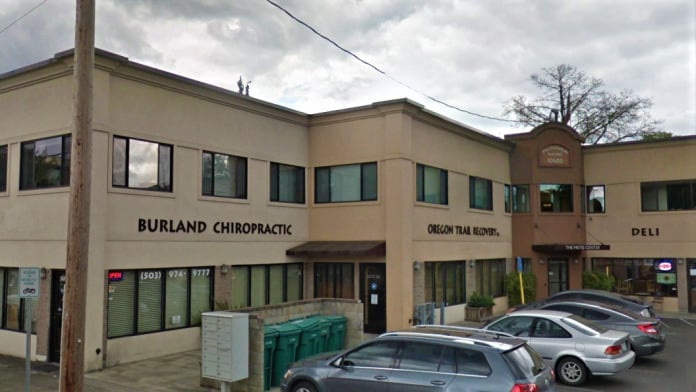
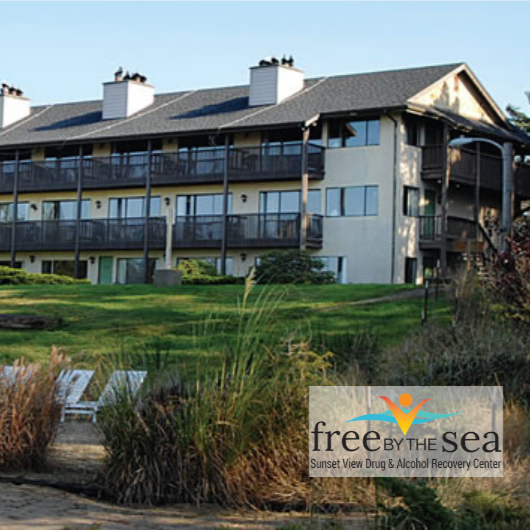
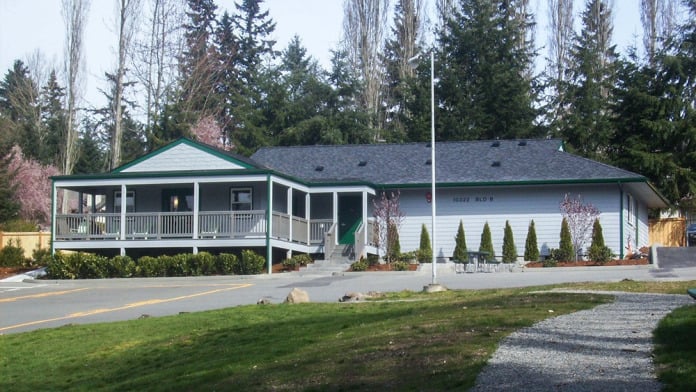
 32
32 
 Our Methodology


Medicaid is a state based program that helps lower-income individuals and families pay for healthcare. Medicaid covers addiction treatment so those enrolled can use their coverage to pay for rehab. When a program accepts Medicaid the client often pays very little or nothing out of their own pocket.
Medicare is a federal program that provides health insurance for those 65 and older. It also serves people under 65 with chronic and disabling health challenges. To use Medicare for addiction treatment you need to find a program that accepts Medicare and is in network with your plan. Out of pocket costs and preauthorization requirements vary, so always check with your provider.
Outpatient Programs (OP) are for those seeking mental rehab or drug rehab, but who also stay at home every night. The main difference between outpatient treatment (OP) and intensive outpatient treatment (IOP) lies in the amount of hours the patient spends at the facility. Most of the time an outpatient program is designed for someone who has completed an inpatient stay and is looking to continue their growth in recovery. Outpatient is not meant to be the starting point, it is commonly referred to as aftercare.
Residential treatment programs are those that offer housing and meals in addition to substance abuse treatment. Rehab facilities that offer residential treatment allow patients to focus solely on recovery, in an environment totally separate from their lives. Some rehab centers specialize in short-term residential treatment (a few days to a week or two), while others solely provide treatment on a long-term basis (several weeks to months). Some offer both, and tailor treatment to the patient's individual requirements.
Completing a drug or alcohol rehab program shouldn't spell the end of substance abuse treatment. Aftercare involves making a sustainable plan for recovery, including ongoing support. This can include sober living arrangements like halfway houses, career counseling, and setting a patient up with community programs like Alcoholics Anonymous (AA) or Narcotics Anonymous (NA).
Substance rehabs focus on helping individuals recover from substance abuse, including alcohol and drug addiction (both illegal and prescription drugs). They often include the opportunity to engage in both individual as well as group therapy.
Cognitive Behavioral Therapy (CBT) is a therapy modality that focuses on the relationship between one's thoughts, feelings, and behaviors. It is used to establish and allow for healthy responses to thoughts and feelings (instead of unhealthy responses, like using drugs or alcohol). CBT has been proven effective for recovering addicts of all kinds, and is used to strengthen a patient's own self-awareness and ability to self-regulate. CBT allows individuals to monitor their own emotional state, become more adept at communicating with others, and manage stress without needing to engage in substance abuse.
Motivational Interviewing (MI) is a clinical approach to helping people with substance abuse issues and other conditions shift behavior in positive ways. It is more goal-oriented than traditional psychotherapy, as MI counselors directly attempt to get clients to consider making behavioral change (rather than wait for them to come to conclusions themselves). Its primary purpose is to resolve ambivalence and help clients become able to make healthy choices freely.
Executive Director

Human Resources Director

Finance & IT Director

Quality Managment Director
Operations Director

Medical Director
Rehab.com regularly reviews this listing for accuracy but changes may occur between updates. For the most up-to-date information, please contact Lake Whatcom Residential Treatment.

3600 Meridian Street
Graham, WA 98225
Sponsored Helpline

Lake Whatcom Center has been invaluable to my healing, the staff have dedicated so much time to saving my life. I couldn’t be more grateful for their services.


Lake whatcom helped my son when the governmentsystems failed. He has done so much better. The place isn't perfect, they are as perfect as they can be, considering all they do. Initially my son thought it was the best place because of the bad state he was in. Now that he is better his expectations are higher and doesn't think it is as good. I remind him how much Lake Whatcom helped and how bad things were prior. He is better now so it looks different now. They still saved his life and helped when all the other systems in place failed. I appreciate what they have done and it is definitely not an easy service to provide.
 Back
Back
Sharing your insights and experiences can help others learn more about this rehab center.