











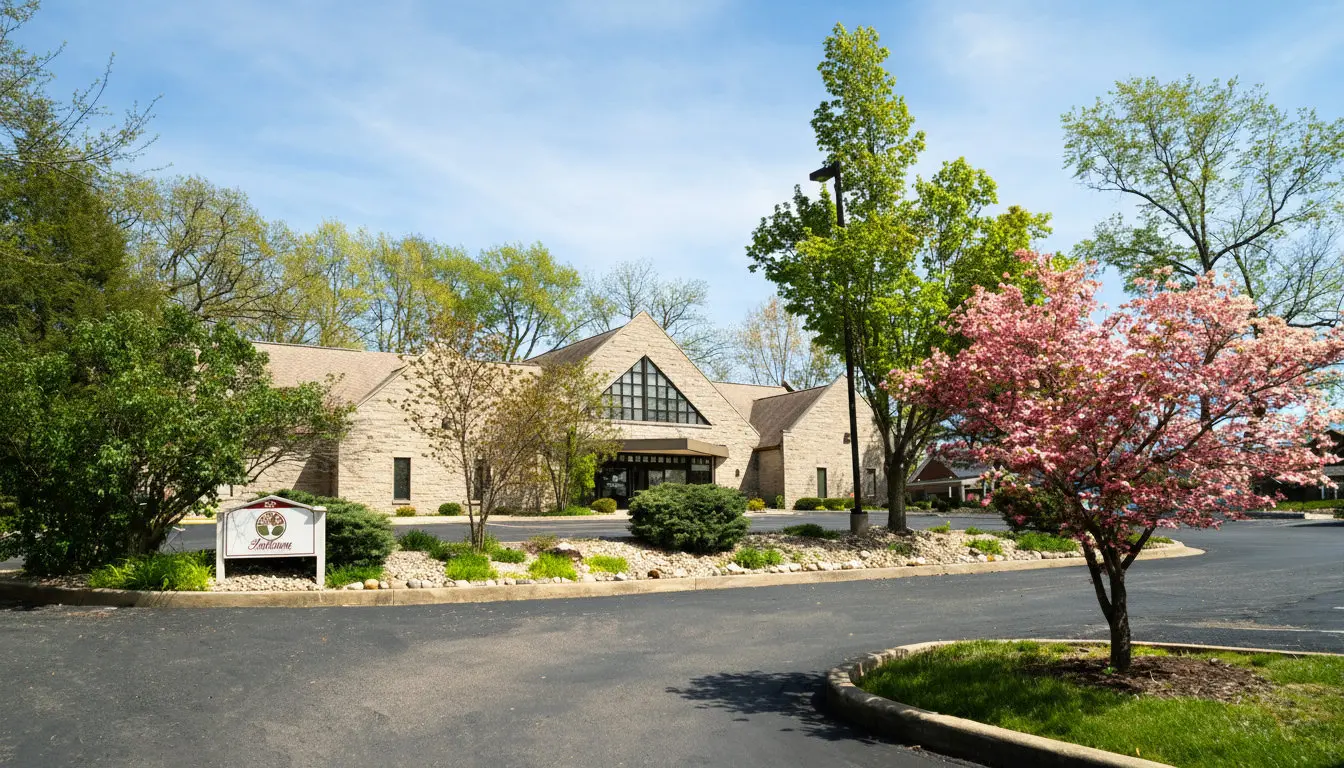
Indiana Center For Recovery – Alcohol & Drug Rehab Center – Bloomington
1
Top 10 Rehab Centers In Bloomington



















































































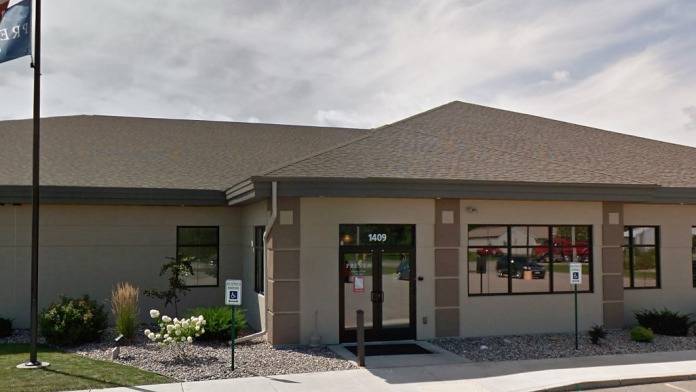
Libertas Treatment, located in Marinette, Wisconsin provides holistic recovery services for adults and adolescents pursuing freedom from substance use disorders. They address a variety of substances such as alcohol and opioids. I like their hard work in leveraging resources through partnerships with other local agencies to give you a comprehensive approach to your wellness and healing.
What strikes me most about Libertas Treatment is their reputation of excellence among patients who’ve used their services. Reviews frequently emphasize the kindness and compassion of their staff. There are also many testimonials from alumni that speak to the continuance of support after completing the programs
Libertas Treatment has an outpatient program for adolescents ages 10 through 19 in both Marinette and Green Bay. This includes programs that nurture your child physically, emotionally, and spiritually.
A key component to their adolescent program is consistent activity. This works to teach and foster responsibility.
There are even group programs with positive peer support. If your child experiences dependence on opioids, methamphetamine or other drugs, this service may be a good option.
They work with most major health insurance plans. If you need payment assistance, they provide sliding fee scales based on your circumstances. Their admissions teams offer personalized assistance in understanding all of your coverage details early on during your registration process.
While in the area getting care, you won’t be far from a variety of therapeutic activities to complement your recovery journey. Your proximity to Riverside Park and Stephenson Island will provide you with gorgeous walking trails and green spaces for relation. We believe that filling your time with outings like these can really level up your self-care plan and enhance your healing process.

 Our Methodology


Self-pay involves paying for treatment out of your own pocket. You can use savings or credit, get a personal loan, or receive help from family and friends to fund your treatment. If you don't have insurance or your insurance plan doesn't cover a specific program, self-pay can help ensure you still get the care you need.
Private insurance refers to any kind of healthcare coverage that isn't from the state or federal government. This includes individual and family plans offered by an employer or purchased from the Insurance Marketplace. Every plan will have different requirements and out of pocket costs so be sure to get the full details before you start treatment.
Medicaid is a state based program that helps lower-income individuals and families pay for healthcare. Medicaid covers addiction treatment so those enrolled can use their coverage to pay for rehab. When a program accepts Medicaid the client often pays very little or nothing out of their own pocket.
Intensive Outpatient Programs (IOP) are for those who want or need a very structured treatment program but who also wish to live at home and continue with certain responsibilities (such as work or school). IOP substance abuse treatment programs vary in duration and intensity, and certain outpatient rehab centers will offer individualized treatment programs.
Outpatient programs are for those seeking mental rehab or drug rehab, but who also stay at home every night. The main difference between outpatient treatment (OP) and intensive outpatient treatment (IOP) lies in the amount of hours the patient spends at the facility. Most of the time an outpatient program is designed for someone who has completed an inpatient stay and is looking to continue their growth in recovery. An important aspect of Libertas's outpatient treatment philosophy is to keep patients active and productive as family members and community citizens. In fact, an essential component of the outpatient treatment process is for the patient to assume responsibility for his or her own recovery.
12-step programs are addiction recovery models based on Alcoholics Anonymous (AA). A number of substance abuse programs (including some drug and alcohol rehab centers) use the 12 steps as a basis for treatment. Beginning steps involve admitting powerlessness over the addiction and creating a spiritual basis for recovery. Middle steps including making direct amends to those who've been hurt by the addiction, and the final step is to assist others in addiction recovery in the same way. 12-Step offshoots including Narcotics Anonymous (NA), Cocaine Anonymous (CA), Dual Recovery Anonymous (DRA), Sex and Love Addicts Anonymous (SLAA) and Gamblers Anonymous (GA).
Completing a drug or alcohol rehab program shouldn't spell the end of substance abuse treatment. Aftercare involves making a sustainable plan for recovery, including ongoing support. This can include sober living arrangements like halfway houses, career counseling, and setting a patient up with community programs like Alcoholics Anonymous (AA) or Narcotics Anonymous (NA).
The goal of treatment for alcoholism is abstinence. Those with poor social support, poor motivation, or psychiatric disorders tend to relapse within a few years of treatment. For these people, success is measured by longer periods of abstinence, reduced use of alcohol, better health, and improved social functioning. Recovery and Maintenance are usually based on 12 step programs and AA meetings.
The goal of drug rehab in Wisconsin is to address drug addiction as a complex issue that involves physical, mental, and relational aspects. During rehab, treatment focuses on each of these areas and gives you the tools you need to achieve and maintain sobriety.
Opioid rehabs specialize in supporting those recovering from opioid addiction. They treat those suffering from addiction to illegal opioids like heroin, as well as prescription drugs like oxycodone. These centers typically combine both physical as well as mental and emotional support to help stop addiction. Physical support often includes medical detox and subsequent medical support (including medication), and mental support includes in-depth therapy to address the underlying causes of addiction.
Substance rehabs focus on helping individuals recover from substance abuse, including alcohol and drug addiction (both illegal and prescription drugs). They often include the opportunity to engage in both individual as well as group therapy.
Adult rehab programs include therapies tailored to each client's specific needs, goals, and recovery progress. They are tailored to the specific challenges adult clients may face, including family and work pressures and commitments. From inpatient and residential treatment to various levels of outpatient services, there are many options available. Some facilities also help adults work through co-occurring conditions, like anxiety, that can accompany addiction.
Research clearly demonstrates that recovery is far more successful and sustainable when loved ones like family members participate in rehab and substance abuse treatment. Genetic factors may be at play when it comes to drug and alcohol addiction, as well as mental health issues. Family dynamics often play a critical role in addiction triggers, and if properly educated, family members can be a strong source of support when it comes to rehabilitation.
Group therapy is any therapeutic work that happens in a group (not one-on-one). There are a number of different group therapy modalities, including support groups, experiential therapy, psycho-education, and more. Group therapy involves treatment as well as processing interaction between group members.
In individual therapy, a patient meets one-on-one with a trained psychologist or counselor. Therapy is a pivotal part of effective substance abuse treatment, as it often covers root causes of addiction, including challenges faced by the patient in their social, family, and work/school life.
 Private Setting
The Joint Commission, formerly known as JCAHO, is a nonprofit organization that accredits rehab organizations and programs. Founded in 1951, the Joint Commision's mission is to improve the quality of patient care and demonstrating the quality of patient care.
Joint Commission Accreditation: Yes
Rehab.com regularly reviews this listing for accuracy but changes may occur between updates. For the most up-to-date information, please contact Libertas Treatment.

1409 Cleveland Avenue
Marinette, WI 54143
Sponsored Helpline

Great place. If you really want to get, or stay clean. They will do everything they can to help you.

Wouldn't recommend if you're seeking medication assisted treatment.

Nice place, nice people, NO DOCTORS which means you'll be charged hundreds of dollars and go without medication for weeks maybe months.
 Back
Back
Sharing your insights and experiences can help others learn more about this rehab center.
 Written By: Elizabeth Austen