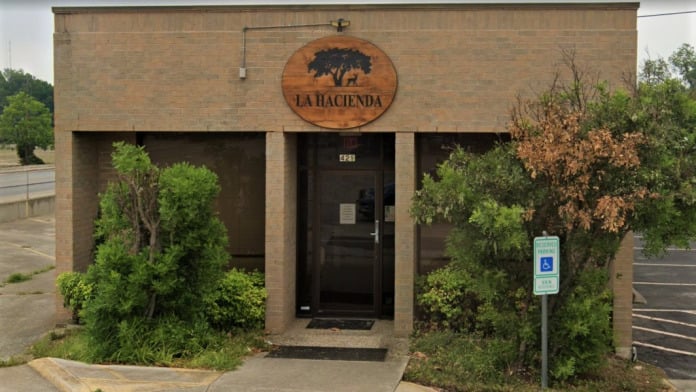
La Hacienda Treatment Center
1
Top 10 Rehab Centers In Hunt




















































































They offer supervised medical treatment to safely manage withdrawal symptoms during detoxification, residential care providing long term support for addiction recovery, as well as flexible outpatient addiction therapy allowing patients to live at home while receiving regular treatment. Additional levels of care offered include relapse prevention and 12-step therapy.
Specialty rehab programs at Ministerio En Victoria include tailored care focusing on women’s specific needs and experiences and gender-specific addiction treatment addressing unique challenges faced by men.
Patients at Ministerio En Victoria will find the residential setting creates an immersive environment promoting full engagement in recovery away from daily triggers and the private rooms that give personal space for reflection and undisturbed rest during treatment.


 Our Methodology


Private insurance refers to any kind of healthcare coverage that isn't from the state or federal government. This includes individual and family plans offered by an employer or purchased from the Insurance Marketplace. Every plan will have different requirements and out of pocket costs so be sure to get the full details before you start treatment.
Self-pay involves paying for treatment out of your own pocket. You can use savings or credit, get a personal loan, or receive help from family and friends to fund your treatment. If you don't have insurance or your insurance plan doesn't cover a specific program, self-pay can help ensure you still get the care you need.
Outpatient Programs (OP) are for those seeking mental rehab or drug rehab, but who also stay at home every night. The main difference between outpatient treatment (OP) and intensive outpatient treatment (IOP) lies in the amount of hours the patient spends at the facility. Most of the time an outpatient program is designed for someone who has completed an inpatient stay and is looking to continue their growth in recovery. Outpatient is not meant to be the starting point, it is commonly referred to as aftercare.
Inpatient rehab programs are geared toward clients in early recovery. They also provide intensive support for clients in crisis and those at an increased relapse risk. Clients receive housing and meals while in inpatient care, allowing them to focus solely on their recovery. Most programs prioritize addiction counseling but may draw on various psychotherapeutic modalities, including CBT, DBT, RBT, trauma therapy, and motivational interviewing. Life skills training and holistic therapies are also common in inpatient care.
Rehab aftercare programs are based on a model of continuing care and the premise that recovery is a life-long process requiring ongoing client support. Many rehab aftercare services include outpatient care, but clients often continue to receive support after being discharged from formal treatment. Case managers and care teams typically collaborate with clients to design their long-term care plan, which may include peer coaching, career counseling, and 12 step program induction, among other services.
12-step programs are addiction recovery models based on Alcoholics Anonymous (AA). A number of substance abuse programs (including some drug and alcohol rehab centers) use the 12 steps as a basis for treatment. Beginning steps involve admitting powerlessness over the addiction and creating a spiritual basis for recovery. Middle steps including making direct amends to those who've been hurt by the addiction, and the final step is to assist others in addiction recovery in the same way. 12-Step offshoots including Narcotics Anonymous (NA), Cocaine Anonymous (CA), Dual Recovery Anonymous (DRA), Sex and Love Addicts Anonymous (SLAA) and Gamblers Anonymous (GA).
24-hour clinical care in Texas provides a safe environment for medical detox. This setting is crucial to provide medical care during withdrawal. Certain withdrawal symptoms can cause life-threatening conditions, but patients in a supervised clinical setting have treatment readily available to address any symptoms before they become severe. Treatment can also be provided for co-occurring physical and mental health issues.
Ridding the body of harmful, addictive substances, also known as detoxification, is usually the first phase of recovery. Those going through medically assisted detox can be administered medications by a team of medical professionals who are on-site 24/7 to provide different types of therapies that help mitigate withdrawal symptoms.
Adult rehab programs include therapies tailored to each client's specific needs, goals, and recovery progress. They are tailored to the specific challenges adult clients may face, including family and work pressures and commitments. From inpatient and residential treatment to various levels of outpatient services, there are many options available. Some facilities also help adults work through co-occurring conditions, like anxiety, that can accompany addiction.
Young adulthood can be an exciting, yet difficult, time of transition. Individuals in their late teens to mid-20s face unique stressors related to school, jobs, families, and social circles, which can lead to a rise in substance use. Rehab centers with dedicated young adult programs will include activities and amenities that cater to this age group, with an emphasis on specialized counseling, peer socialization, and ongoing aftercare.
Peer support is an important aspect of group therapy sessions for drug and alcohol addiction. As you and your peers share stories and encourage each other, it fosters a sense of community and belonging that helps you process your feelings and reduces the sense of isolation that is associated with addiction.
Individual therapy offers you a confidential space to address the complexities of your drug or alcohol addiction. Your therapist guides these personalized sessions to help develop self awareness and manage stress. This promotes sustained sobriety and overall well being.
Together with an experienced trauma therapist, you work on healing emotional wounds from traumatic experiences within a trauma therapy environment. Your therapist will help you process the experience of the trauma, which promotes emotional healing and improves your overall mental health.
The purpose of family therapy is to create a supportive and understanding family dynamic within the family unit. Therapists help individual members to identify and change harmful behavior patterns and improve communication. This provides a stable foundation for the family and their loved one's recovery.
The right life skills training will help you build the skills you need for recovery. You'll learn how to solve problems, improve your social life, enhance your mental health, and make good decisions. This is a key component of drug rehab programs in Texas.
 Residential Setting
  Private Rooms
 CEO
COO
Chief Administrative Officer
Chief Medical Officer
CFO
Rehab.com regularly reviews this listing for accuracy but changes may occur between updates. For the most up-to-date information, please contact Ministerio En Victoria.

1414 E Paisano Dr
C
El Paso, TX 79901
Sponsored Helpline

This place is a joke, they talk about how they wanna help people but when it come time they staff don’t care if your item get stolen the place is a mess and people attending don’t care for otters


A PLACE WHERE JESUS IS LORD!!

 Back
Back
Sharing your insights and experiences can help others learn more about this rehab center.