All In Solutions Wellness Center
1
Top 10 Rehab Centers In West Palm Beach



















































































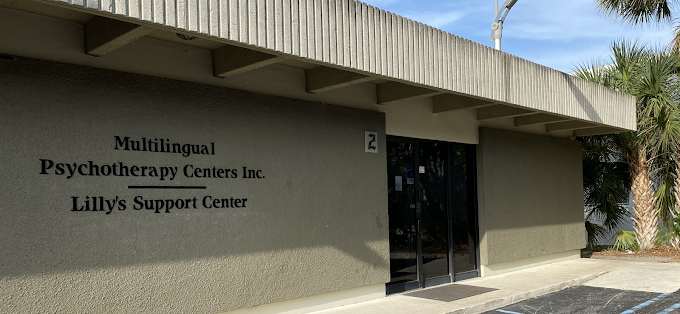
In West Palm Beach, Florida, Multilingual Psychotherapy Centers is an outpatient mental health center. It admits children, adolescents and adults, and it works with families. Since 1997, the center has served children and families in Palm Beach County.
Many of the clinicians are licensed in Florida, and the staff speak more than ten languages in all. Care is offered in English and Spanish, and in Haitian Creole and Portuguese.
The reason therapy depends on a shared language is that the work is finding words for what is happening. Bilingual staff are present for in-person visits at each office, and video sessions are available on a laptop, tablet or smartphone.
The center holds accreditation from CARF, the Commission for Rehabilitation Facilities, and a license from the Florida Agency for Healthcare Administration. Psychiatric care includes board-certified evaluations, along with diagnosis and medication management.
Through its therapeutic behavioral services, the West Palm Beach center sees minors ages 0 to 20 at home and at school when behavioral challenges are severe. Staff complete a behavioral health assessment for a child or adolescent in the child welfare system.
Payment is through Medicaid, including its managed care plans, Medicare and Florida Healthy Kids plans. ChildNet and Brighter Family are accepted, as is self-pay, and commercial insurance, private insurance and Marketplace plans are not.

 Our Methodology


Self-pay involves paying for treatment out of your own pocket. You can use savings or credit, get a personal loan, or receive help from family and friends to fund your treatment. If you don't have insurance or your insurance plan doesn't cover a specific program, self-pay can help ensure you still get the care you need.
Medicaid is a state based program that helps lower-income individuals and families pay for healthcare. Medicaid covers addiction treatment so those enrolled can use their coverage to pay for rehab. When a program accepts Medicaid the client often pays very little or nothing out of their own pocket.
Medicare is a federal program that provides health insurance for those 65 and older. It also serves people under 65 with chronic and disabling health challenges. To use Medicare for addiction treatment you need to find a program that accepts Medicare and is in network with your plan. Out of pocket costs and preauthorization requirements vary, so always check with your provider.
Outpatient therapy covers children, adolescents, adults and families in a clinic or a community setting. That is outpatient treatment at this center.
Rehab aftercare programs are a collection of highly individualized services designed to promote long-term recovery. These services evolve as your needs change. Case managers and recovery teams typically begin formulating the rehab aftercare service plan early in the recovery process to facilitate your reintegration back into the home, workplace, and community.
Mental health care is offered in the client's language, with respect for culture. Children are served, as are adolescents and families, in Palm Beach County.
Adults are served at all three Palm Beach County locations, along with children and adolescents. Care is given in the person's language and with respect for culture.
Young adulthood can be an exciting, yet difficult, time of transition. Individuals in their late teens to mid-20s face unique stressors related to school, jobs, families, and social circles, which can lead to a rise in substance use. Rehab centers with dedicated young adult programs will include activities and amenities that cater to this age group, with an emphasis on specialized counseling, peer socialization, and ongoing aftercare.
Therapists who apply cognitive behavioral therapy in Florida believe patient thoughts and behaviors are closely linked. They use this treatment method to help clients change their thought patterns so they can also change behaviors and break free from substance abuse.
Dialectical Behavior Therapy (DBT) is a modified form of Cognitive Behavioral Therapy (CBT), a treatment designed to help people understand and ultimately affect the relationship between their thoughts, feelings, and behaviors. DBT is often used for individuals who struggle with self-harm behaviors, such as self-mutilation (cutting) and suicidal thoughts, urges, or attempts. It has been proven clinically effective for those who struggle with out-of-control emotions and mental health illnesses like Borderline Personality Disorder.
Group therapy is among the formats licensed clinicians offer, set beside individual, family and couples sessions.
In individual therapy, a patient meets one-on-one with a trained psychologist or counselor. Therapy is a pivotal part of effective substance abuse treatment, as it often covers root causes of addiction, including challenges faced by the patient in their social, family, and work/school life.
Trauma therapy addresses traumatic incidents from a client's past that are likely affecting their present-day experience. Trauma is often one of the primary triggers and potential causes of addiction, and can stem from child sexual abuse, domestic violence, having a parent with a mental illness, losing one or both parents at a young age, teenage or adult sexual assault, or any number of other factors. The purpose of trauma therapy is to allow a patient to process trauma and move through and past it, with the help of trained and compassionate mental health professionals.
Whether a marriage or other committed relationship, an intimate partnership is one of the most important aspects of a person's life. Drug and alcohol addiction affects both members of a couple in deep and meaningful ways, as does rehab and recovery. Couples therapy and other couples-focused treatment programs are significant parts of exploring triggers of addiction, as well as learning how to build healthy patterns to support ongoing sobriety.
Research clearly demonstrates that recovery is far more successful and sustainable when loved ones like family members participate in rehab and substance abuse treatment. Genetic factors may be at play when it comes to drug and alcohol addiction, as well as mental health issues. Family dynamics often play a critical role in addiction triggers, and if properly educated, family members can be a strong source of support when it comes to rehabilitation.
 Private Setting
 President & Co-Founder

The Commission on Accreditation of Rehabilitation Facilities (CARF) is a non-profit organization that specifically accredits rehab organizations. Founded in 1966, CARF's, mission is to help service providers like rehab facilities maintain high standards of care.
CARF Accreditation: Yes
Rehab.com regularly reviews this listing for accuracy but changes may occur between updates. For the most up-to-date information, please contact Multilingual Psychotherapy Centers, Inc.

1639 Forum Place
Suite 7
West Palm Beach, FL 33401
Sponsored Helpline

Excellent very thorough

Dr.gozal is the best thank to her I been able to feel like myself and able to do things wasn’t able to do due to my mental health she’s the best !

I love their services, and they are very patient with you n they sit down n ask us questions about ourselves n they are great n I really appreciate them allot, and I truly love Dr. Bernadette he is amazing with my kids n they adore him 😍💘😍The new Dr. Mrs. Magnalie is awesome and my kids love her allot

Case management is the best. My case manager Carl is wonderful . He helps me with every problem I have and I appreciate him so much . Thanks Carl for everything.!!!!!!!
 Back
Back
Sharing your insights and experiences can help others learn more about this rehab center.
Both. Outpatient therapy covers children, adolescents, adults and families, and it can take place in a clinic or in a community setting. Video sessions are also available, and it’s HIPAA-compliant conferencing on a laptop, a tablet or a phone. The video option is the remote level.
Medicaid, including Medicaid managed care plans, is accepted, and Medicare is accepted too, as are Florida Healthy Kids plans. ChildNet and Brighter Family are accepted, and self-pay is an option.
Yes. In-person appointments are available at every office, and bilingual staff work at each office. The setting is face to face at the office. That is true of all locations, so the appointment doesn’t depend on which office you reach.