










Tree House Recovery PDX
1
Top 10 Rehab Centers In Portland



















































































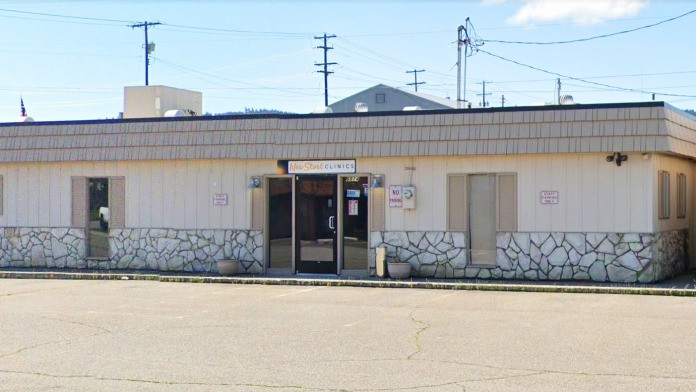
New Start Clinics provides opioid recovery services in a safe and welcoming environment. They have multiple locations in Washington state including this one in Spokane, Washington. This clinic is easily accessible by public transit and is directly off the #9 and #94 route. Their specialty is medication assisted treatment (MAT). In 2023, this location won an award for best Suboxone treatment in Spokane.
They work with in-network and out-of-network insurance providers such as Amerigroup, Cigna, Washington State Medicaid, Medicare, Molina and Lifewise. They also have affordable self-pay packages to suit your budget. They’ll help you arrange special financing if necessary.
New Start specializes in MAT with Suboxone, Sublocade and Vivitrol. I think that giving clients medication options is vital to get the best treatment suited to each person’s needs and bodies.
I also appreciate their holistic approach to recovery. It involves working with your primary care provider, family and support system to collaborate for your total wellbeing.
The New Start Clinics treatment program is all voluntary. It begins with an intake call where you’ll have a substance assessment, mental health evaluation and physical exam.
Their MAT happens in three phrases with induction, stabilization and maintenance. Once you’re stabilized, you may be able to switch to alternate-day doses instead of daily doses.
During your treatment, you’ll have frequent visits to ensure your safety and progress. All clients participate in random drug screens.


 40
40  $200
$200 
 Our Methodology


Medicare is a federal program that provides health insurance for those 65 and older. It also serves people under 65 with chronic and disabling health challenges. To use Medicare for addiction treatment you need to find a program that accepts Medicare and is in network with your plan. Out of pocket costs and preauthorization requirements vary, so always check with your provider.
Medicaid is a state based program that helps lower-income individuals and families pay for healthcare. Medicaid covers addiction treatment so those enrolled can use their coverage to pay for rehab. When a program accepts Medicaid the client often pays very little or nothing out of their own pocket.
Military members, veterans, and eligible dependents have access to specific insurance programs that help them get the care they need. TRICARE and VA insurance can help you access low cost or no cost addiction and mental health treatment. Programs that accept military insurance often have targeted treatment focused on the unique challenges military members, veterans, and their families face.
Outpatient Programs (OP) are for those seeking mental rehab or drug rehab, but who also stay at home every night. The main difference between outpatient treatment (OP) and intensive outpatient treatment (IOP) lies in the amount of hours the patient spends at the facility. Most of the time an outpatient program is designed for someone who has completed an inpatient stay and is looking to continue their growth in recovery. Outpatient is not meant to be the starting point, it is commonly referred to as aftercare.
Residential treatment programs are those that offer housing and meals in addition to substance abuse treatment. Rehab facilities that offer residential treatment allow patients to focus solely on recovery, in an environment totally separate from their lives. Some rehab centers specialize in short-term residential treatment (a few days to a week or two), while others solely provide treatment on a long-term basis (several weeks to months). Some offer both, and tailor treatment to the patient's individual requirements.
Opioid rehabs specialize in supporting those recovering from opioid addiction. They treat those suffering from addiction to illegal opioids like heroin, as well as prescription drugs like oxycodone. These centers typically combine both physical as well as mental and emotional support to help stop addiction. Physical support often includes medical detox and subsequent medical support (including medication), and mental support includes in-depth therapy to address the underlying causes of addiction.
Substance rehabs focus on helping individuals recover from substance abuse, including alcohol and drug addiction (both illegal and prescription drugs). They often include the opportunity to engage in both individual as well as group therapy.
Adult rehab programs include therapies tailored to each client's specific needs, goals, and recovery progress. They are tailored to the specific challenges adult clients may face, including family and work pressures and commitments. From inpatient and residential treatment to various levels of outpatient services, there are many options available. Some facilities also help adults work through co-occurring conditions, like anxiety, that can accompany addiction.
In individual therapy, a patient meets one-on-one with a trained psychologist or counselor. Therapy is a pivotal part of effective substance abuse treatment, as it often covers root causes of addiction, including challenges faced by the patient in their social, family, and work/school life.
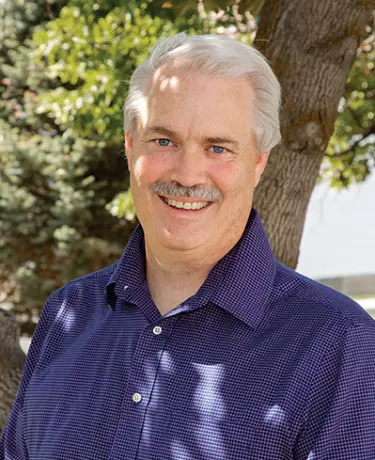
Director
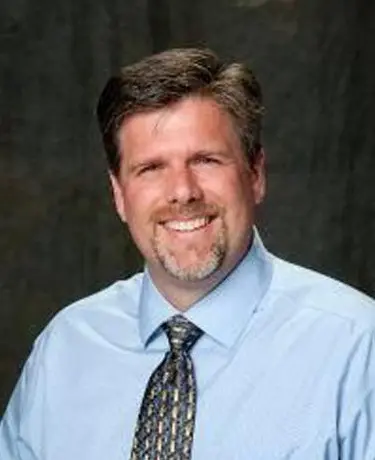
Medical Director
Rehab.com regularly reviews this listing for accuracy but changes may occur between updates. For the most up-to-date information, please contact New Start Clinics.

6614 E Main Ave
Spokane, WA 99212
Sponsored Helpline

Why are you guys getting almost 6.00 reimbursement from the IRS just to give out directions to your clinic on the internet per ask? Maps does that for free. Pretty sure it doesn't cost you anything to give directions, so why are tax dollars going towards that? It seems pretty greedy, and I'm tired of dealing with financially motivated medical practices who are just there to profit off the misery of addicts. Please explain yourself.

This place have been just amazing providers and the service is great I like everyone that works there I been going there for about year and a half and would recommend to everyone that needs help

I've been seeing Sarah for the past almost year, and she empathizes with me on a level that has been so necessary for my healing and recovery.. I'm not sure where I would be without this clinic. I've been to others in the past and this clinic greatly surpassed all of them. They actually care at this office. May 2025, unfortunately I'm having to change my review. After Sarah and her friend leaving the office, things went pretty downhill pretty fast. It started with Deborah not even knowing what medication was in the shot she was administering. I ended up having to call and let them know she was wrong about sublocade having naloxone in it. She was so certain and told me several times with complete confidence that suboxone strips and sublocade are EXACTLY the same drugs. Wrong. My second complaint is that I stated several times with Deborah that I wished to get off the meds. I have maintained for years now and felt like a great candidate for coming off of them. She would constantly remind me of withdrawal and started prescribing me a high dose of strips within one month of my last shot which ended up upping my tolerance to where I was forced to get back on the shot and start over from scratch to avoid intense withdrawal. My tolerance had gone so far up for doubling up on the existing shot in my system with strips that my subsequent shot still left me feeling withdrawal. When I was switching insurance last month I flat out told them I had no insurance and no plans to get on a new insurance plan (not true, I have insurance as of may 1st) and when I told Deborah, she said in a singsongy voice "you're going to have wiiithdraaawaaall!" I think Deborah is a kind woman and has a friendly demeanor but she is a dangerous provider when it comes to treating addicts. Ppl go to these places looking to get their lives back- not to sign up for another ball and chain. I'm not sure if what she did and said to me was intentionally done or if it was out of ignorance or lack of consideration but either way, it is pretty inexcusable. Deborah needs a run down on how sublocade injections are supposed to work and what is in them. Upper management, please make sure that happens. Deborah has potential to be a decent medicated maintenence provider but she definitely isn't there yet.

I have been going here for years and I can personally say they care about there patients on top of that the two lady's who run the place are just simply amazing! Thank you for your amazing care! And have a great day! Sincerely Brionna
 Back
Back
Sharing your insights and experiences can help others learn more about this rehab center.
 Written By: Mari Mendoza
BS
Written By: Mari Mendoza
BS

