





























































































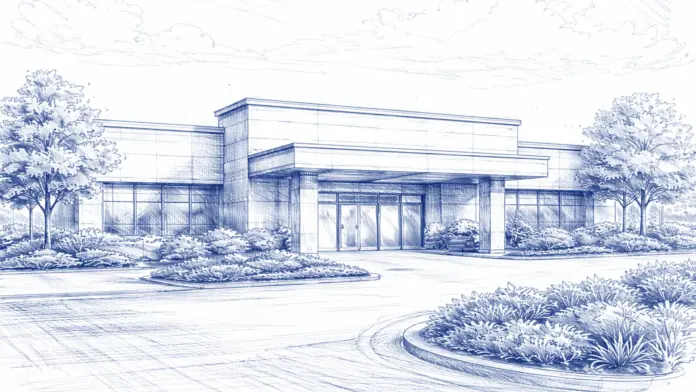
About Norfolk Regional Center
Norfolk Regional Center is located on North Victory Road in Norfolk, Nebraska. They’re operated by the Nebraska Department of Health and Human Services and provide behavioral health services to assess and treat your co-occurring mental health and substance use disorder.
This center is located in a psychiatric hospital in a rural community with plenty of onsite parking available. They are close to the Northeast Community College and accessible by Highway 35 and Route 275. Downtown Norfolk is close as well as natural landmarks including Zouka Park, Off Road Ranch and Ta-Ha-Zouka Park.
Inpatient Care for Co-Occurring Conditions
They offer inpatient care for those experiencing serious mental illness with potential co-occurring drug abuse. They also work with sex offenders to provide counseling, therapy and medication management to rehabilitate offenders and work through traumas and behavior patterns that may have led to their offenses.
Acute Care with Medication Assisted Treatment (MAT)
I like that they provide acute care for those experiencing withdrawal symptoms from opioid addiction. To assist in your stabilization, the staff can provide MAT to prevent cravings and other uncomfortable symptoms that may coincide with your detox process. Stabilization typically takes between 24 and 48 hours.
Once you’re stabilized, you’ll progress to addressing co-occurring mental and behavioral health conditions. Treatment may include multi levels of therapy and one-on-one counseling sessions.
Therapy Focuses on Accountability
I find it encouraging to know that therapy focuses on accountability and addresses past traumas, environmental issues and negative behaviors that may need to be worked through in order for you to comfortably reintegrate into your community, workplace and home setting. They also focus on helping you develop coping skills and life skills in order to avoid repeat behavior.
Facility Overview
 120
120 
Rehab Score
 Our Methodology


Location
Accepted Insurance
Other Forms of Payment
Private insurance refers to any kind of healthcare coverage that isn't from the state or federal government. This includes individual and family plans offered by an employer or purchased from the Insurance Marketplace. Every plan will have different requirements and out of pocket costs so be sure to get the full details before you start treatment.
Self-pay involves paying for treatment out of your own pocket. You can use savings or credit, get a personal loan, or receive help from family and friends to fund your treatment. If you don't have insurance or your insurance plan doesn't cover a specific program, self-pay can help ensure you still get the care you need.
Financial aid can take many forms. Centers may have grants or scholarships available to clients who meet eligibility requirements. Programs that receive SAMHSA grants may have financial aid available for those who need treatment as well. Grants and scholarships can help you pai for treatment without having to repay.
Sliding scale payments are based on a client's income and family size. The goal is to make treatment affordable to everyone. By taking these factors into account, addiction recovery care providers help ensure that your treatment does not become a financial burden to you or your family, eliminating one barrier to care.
Medicaid is a state based program that helps lower-income individuals and families pay for healthcare. Medicaid covers addiction treatment so those enrolled can use their coverage to pay for rehab. When a program accepts Medicaid the client often pays very little or nothing out of their own pocket.
Medicare is a federal program that provides health insurance for those 65 and older. It also serves people under 65 with chronic and disabling health challenges. To use Medicare for addiction treatment you need to find a program that accepts Medicare and is in network with your plan. Out of pocket costs and preauthorization requirements vary, so always check with your provider.
Addiction Treatments
Levels of Care
Inpatient rehabs primarily serve clients who are transitioning out of detox and those who are at a heightened risk of relapse, including those with a history of recurrence. Clients in inpatient treatment receive multiple counseling sessions per week using a variety of psychotherapeutic approaches, including CBT, DBT, RBT, and motivational interviewing. Relapse prevention is also prioritized and many programs feature recovery-focused life skills training. Some facilities also offer holistic therapies, such as meditation and yoga.
24-hour clinical care in Nebraska lowers the risk of complications during detox. If you detox on your own, you may experience life-threatening symptoms such as seizures or heart palpitations that require medication to treat. In a supervised clinical setting, medical staff can provide this treatment and monitor your health 24/7. You'll receive tailored treatment to ensure a safe and more comfortable detox that allows you to overcome drug or alcohol dependence.
Treatments
The goal of treatment for alcoholism is abstinence. Those with poor social support, poor motivation, or psychiatric disorders tend to relapse within a few years of treatment. For these people, success is measured by longer periods of abstinence, reduced use of alcohol, better health, and improved social functioning. Recovery and Maintenance are usually based on 12 step programs and AA meetings.
During drug rehab in Nebraska, you'll participate in therapies that address the many issues that contribute to addiction. Treatment includes physical, mental, emotional, and relational aspects. These methods provide the tools you need to achieve long-term recovery.
Opioid rehabs specialize in supporting those recovering from opioid addiction. They treat those suffering from addiction to illegal opioids like heroin, as well as prescription drugs like oxycodone. These centers typically combine both physical as well as mental and emotional support to help stop addiction. Physical support often includes medical detox and subsequent medical support (including medication), and mental support includes in-depth therapy to address the underlying causes of addiction.
Substance rehabs focus on helping individuals recover from substance abuse, including alcohol and drug addiction (both illegal and prescription drugs). They often include the opportunity to engage in both individual as well as group therapy.
Programs
Adult rehab programs include therapies tailored to each client's specific needs, goals, and recovery progress. They are tailored to the specific challenges adult clients may face, including family and work pressures and commitments. From inpatient and residential treatment to various levels of outpatient services, there are many options available. Some facilities also help adults work through co-occurring conditions, like anxiety, that can accompany addiction.
Young adulthood can be an exciting, yet difficult, time of transition. Individuals in their late teens to mid-20s face unique stressors related to school, jobs, families, and social circles, which can lead to a rise in substance use. Rehab centers with dedicated young adult programs will include activities and amenities that cater to this age group, with an emphasis on specialized counseling, peer socialization, and ongoing aftercare.
Teen programs are designed to address the unique pressures teens face, pressures that can drive them to experiment with dangerous, addictive substances. They need programs that meet them exactly where they are and give them tools for long-term recovery. Therapy can help teenagers understand and work through underlying issues so they can reclaim the life ahead of them.
Clinical Services
Group therapy is any therapeutic work that happens in a group (not one-on-one). There are a number of different group therapy modalities, including support groups, experiential therapy, psycho-education, and more. Group therapy involves treatment as well as processing interaction between group members.
Collaboration is key during individual therapy. This requires a trusting relationship between the therapist and the patient so that personal experiences and emotional struggles can be addressed in a nonjudgmental environment, building the patient's resilience and providing a foundation for sustainable recovery.
Therapists in Nebraska offer family therapy to help facilitate discussions about how addiction is a disease and can affect the entire family. This approach fosters empathy between family members and helps to reduce blame. This collective effort supports recovery and reduces negative behaviors within the family unit.
Cognitive behavioral therapy in Nebraska is often the preferred method of treatment for substance use. In just a few sessions, clients can learn how to identify challenges and start to develop healthy coping methods to manage them.
The premise of dialectical behavior therapy is that many problems are due to a lack of skills to properly handle them. This therapy aims to give you the skills to manage your emotions and challenging situations so you can live a healthier, productive life.
Amenities
-
 Gym
Gym -
 Private Rooms
 -
 Recreation Room
Accreditations

The Commission on Accreditation of Rehabilitation Facilities (CARF) is a non-profit organization that specifically accredits rehab organizations. Founded in 1966, CARF's, mission is to help service providers like rehab facilities maintain high standards of care.
CARF Accreditation: Yes

The Joint Commission, formerly known as JCAHO, is a nonprofit organization that accredits rehab organizations and programs. Founded in 1951, the Joint Commision's mission is to improve the quality of patient care and demonstrating the quality of patient care.
Joint Commission Accreditation: Yes

The Substance Abuse and Mental Health Services Administration (SAMHSA) is a branch of the U.S. Department of Health and Human Services. Established in 1992 by congress, SAMHSA's mission is to reduce the impact of substance abuse and mental illness on American's communities.
SAMHSA Listed: Yes

State Licenses are permits issued by government agencies that allow rehab organizations to conduct business legally within a certain geographical area. Typically, the kind of program a rehab facility offers, along with its physical location, determines which licenses are required to operate legally.
State License: Nebraska
Rehab.com regularly reviews this listing for accuracy but changes may occur between updates. For the most up-to-date information, please contact Norfolk Regional Center.
Contact Information


1700 North Victory Road
Norfolk, NE 68701
Sponsored Helpline


