











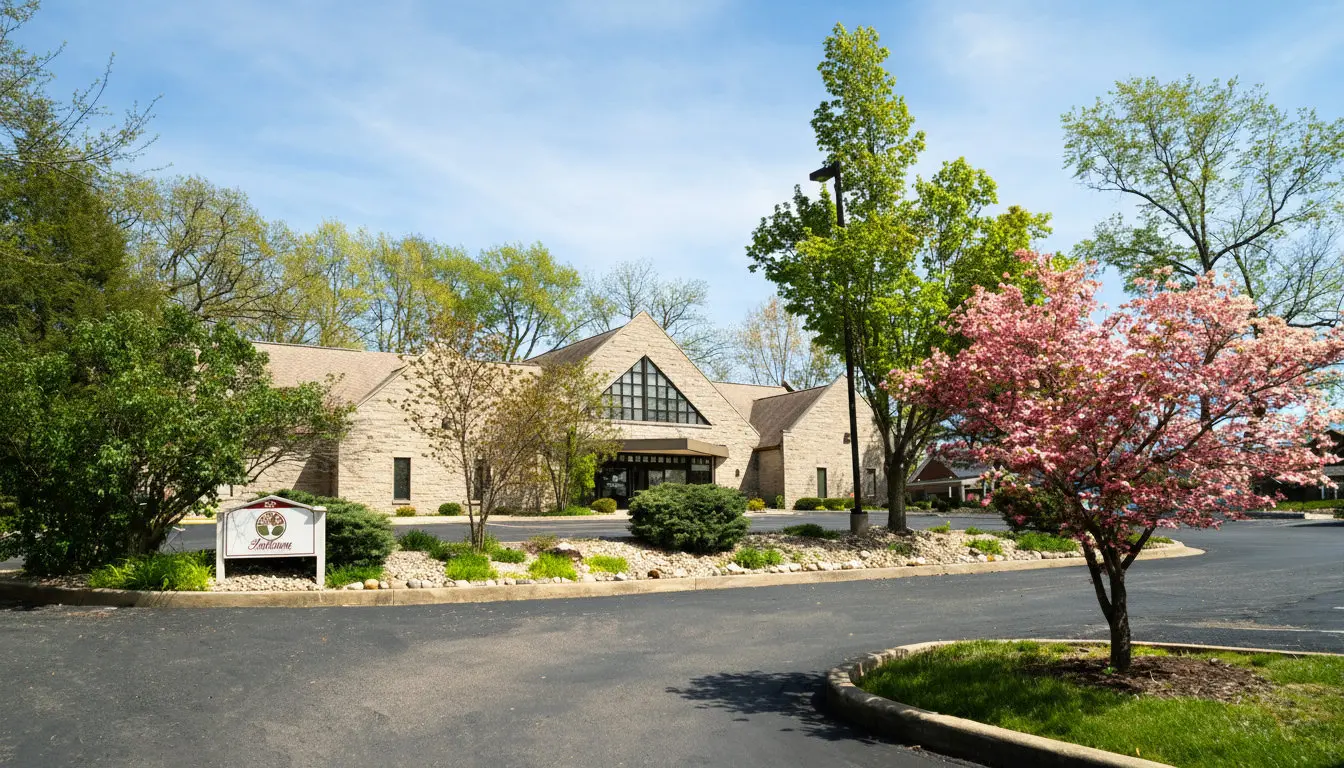
Indiana Center For Recovery – Alcohol & Drug Rehab Center – Bloomington
1
Top 10 Rehab Centers In Bloomington



















































































They specialize in medication assisted treatment. This is the gold standard in evidence based techniques for treating opioid dependence or alcoholism. The technique uses behavioral therapy alongside medicine to support lasting recovery. You’ll normally undergo an intake assessment to enable the clinical team to craft a personalized treatment plan that addresses your core needs. Your personalized care will include the level of therapeutic support and specific meds to help you overcome opioid dependence.
This clinic offers various choices of meds for this purpose. Available options include methadone, Suboxone, buprenorphine and Vivitrol. These meds curb cravings and reduce withdrawal symptoms. The facility provides individual and group therapy that uses clinically proven models to address the psychological issues fueling your opioid use.
Models like cognitive (CBT) and dialectical behavioral therapy (DBT) equip you with practical tools to handle stress and manage emotions that trigger “use.” They promote positive emotions and thought patterns that help you break unhealthy habits like opioid misuse. This is all while equipping you with the healthier coping tools that foster a sober lifestyle in a town known for art, hot music, and outdoors adventure along the Chippewa River.
Group therapy can especially be effective in helping you build healthy relationships and support networks. It provides an avenue to connect with and share experiences with others facing similar issues. This makes your recovery process feel less lonely. It can also boost your self-confidence and social interaction and improve your communication skills. That said, combining behavioral therapy and meds provides a ‘whole person’ recovery experience. This is because the approach tackles both the physical and psychological aspects of substance misuse.
That’s not even the best part of this program. The facility boasts many appealing features that make it worth considering. They support same day admission and 24/7 appointment scheduling. Take-home dosing is available.
Their services accept Medicaid, Medicare and various commercial insurance plans. They also accept out of pocket payments, state and public funding and the VA. It’s no doubt a great facility to establish a strong foundation for opioid addiction recovery.

 Our Methodology


Medicare is a federal program that provides health insurance for those 65 and older. It also serves people under 65 with chronic and disabling health challenges. To use Medicare for addiction treatment you need to find a program that accepts Medicare and is in network with your plan. Out of pocket costs and preauthorization requirements vary, so always check with your provider.
Self-pay involves paying for treatment out of your own pocket. You can use savings or credit, get a personal loan, or receive help from family and friends to fund your treatment. If you don't have insurance or your insurance plan doesn't cover a specific program, self-pay can help ensure you still get the care you need.
Private insurance refers to any kind of healthcare coverage that isn't from the state or federal government. This includes individual and family plans offered by an employer or purchased from the Insurance Marketplace. Every plan will have different requirements and out of pocket costs so be sure to get the full details before you start treatment.
Medicaid is a state based program that helps lower-income individuals and families pay for healthcare. Medicaid covers addiction treatment so those enrolled can use their coverage to pay for rehab. When a program accepts Medicaid the client often pays very little or nothing out of their own pocket.
Outpatient Programs (OP) are for those seeking mental rehab or drug rehab, but who also stay at home every night. The main difference between outpatient treatment (OP) and intensive outpatient treatment (IOP) lies in the amount of hours the patient spends at the facility. Most of the time an outpatient program is designed for someone who has completed an inpatient stay and is looking to continue their growth in recovery. Outpatient is not meant to be the starting point, it is commonly referred to as aftercare.
Intervention services helps family or friends of addicts stage an intervention, which is a meeting in which loved ones share their concerns and attempt to get an addict into treatment. Professional intervention specialists can help loved ones organize, gather, and communicate with an addict. They can guide intervention participants in describing the damage the addict's behavior is causing and that outside help is necessary to address the addiction. The ideal outcome of an intervention is for the addict to go to rehab and get the help they need
Drug and alcohol addiction often takes a heavy toll on one's body. Over time, a physical dependence can develop, meaning the body physiologically needs the substance to function. Detox is the process of removing drugs and/or alcohol from the body, a process that can be lethal if mismanaged. Medical detox is done by licensed medical professionals who monitor vital signs and keep you safe, healthy, and as comfortable as possible as you go through detox and withdrawal. The length of stay at the detoxification program is determined according to the specific needs of the patient.
Opioid rehabs specialize in supporting those recovering from opioid addiction. They treat those suffering from addiction to illegal opioids like heroin, as well as prescription drugs like oxycodone. These centers typically combine both physical as well as mental and emotional support to help stop addiction. Physical support often includes medical detox and subsequent medical support (including medication), and mental support includes in-depth therapy to address the underlying causes of addiction.
Substance rehabs focus on helping individuals recover from substance abuse, including alcohol and drug addiction (both illegal and prescription drugs). They often include the opportunity to engage in both individual as well as group therapy.
Adult rehab programs include therapies tailored to each client's specific needs, goals, and recovery progress. They are tailored to the specific challenges adult clients may face, including family and work pressures and commitments. From inpatient and residential treatment to various levels of outpatient services, there are many options available. Some facilities also help adults work through co-occurring conditions, like anxiety, that can accompany addiction.
Young adulthood can be an exciting, yet difficult, time of transition. Individuals in their late teens to mid-20s face unique stressors related to school, jobs, families, and social circles, which can lead to a rise in substance use. Rehab centers with dedicated young adult programs will include activities and amenities that cater to this age group, with an emphasis on specialized counseling, peer socialization, and ongoing aftercare.
Group therapy is any therapeutic work that happens in a group (not one-on-one). There are a number of different group therapy modalities, including support groups, experiential therapy, psycho-education, and more. Group therapy involves treatment as well as processing interaction between group members.
In individual therapy, a patient meets one-on-one with a trained psychologist or counselor. Therapy is a pivotal part of effective substance abuse treatment, as it often covers root causes of addiction, including challenges faced by the patient in their social, family, and work/school life.
 Private Setting
The Commission on Accreditation of Rehabilitation Facilities (CARF) is a non-profit organization that specifically accredits rehab organizations. Founded in 1966, CARF's, mission is to help service providers like rehab facilities maintain high standards of care.
CARF Accreditation: Yes
Rehab.com regularly reviews this listing for accuracy but changes may occur between updates. For the most up-to-date information, please contact North West Wisconsin Comprehensive Treatment Center.

3440 Oakwood Hills Pkwy
Eau Claire, WI 54701
Sponsored Helpline

yes loved it

Everyone that works here are the most wonderful people ever and they're always there if you need something! They are also very nonjudgmental, the workers definitely make the place a safe space for everyone who needs it.

My boyfriend (Donald Trepania) and I decided it was time to get clean not only for ourselves but also cuz we have a grandbaby on the way so we called and were able to get in the same morning and could see both of us and I was feeling a little ashamed and embarrassed due to being an addict that immediately went away after meeting staff I didn't feel ashamed anymore for being an addict. The staff was so friendly and non-judgemental and from the very first visit they showed they truly cared about my recovery. I couldn't have asked for a better first visit. Thanks for everything! Both of us are excited to start this new journey together and even more excited about the end goal of being sober! Starting a sober life together while welcoming our first grand baby is beyond exciting!! Thank you to all the staff at the clinic!

This place is amazing!!
 Back
Back
Sharing your insights and experiences can help others learn more about this rehab center.
 Written By: Chika Uchendu