











Amazing over all experience in family recovery Court.

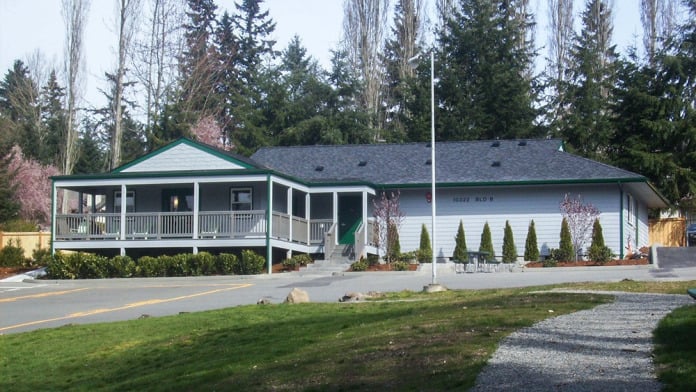
Ashwood Recovery – Outpatient
1
Top 10 Rehab Centers In Boise



















































































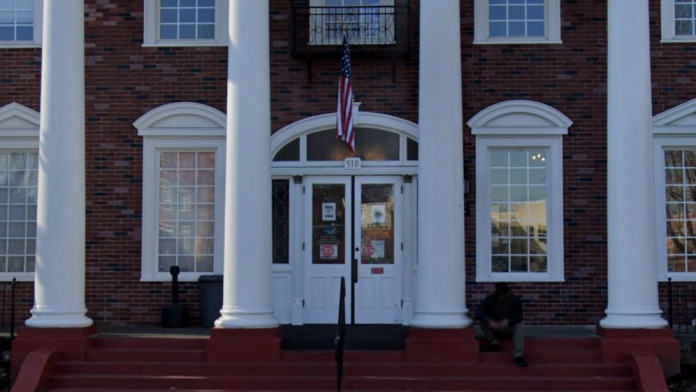
They won’t refuse service to anyone who is unable to pay. In many cases, Medicare or other insurances cover treatment costs.
The facility’s state certified treatment professionals have been working in cooperation with Pierce County Superior Court since 1994 to provide evidence-based treatment to eligible offenders through the felony drug court.
The treatment includes moral reconation therapy (MRT), trauma informed care, life skills, and relapse prevention. MRT is a program based on cognitive behavioral therapy. It helps clients improve decision making, behavior, and moral reasoning to reduce criminal and risky behavior.
You can get medication assisted treatment (MAT) if appropriate. MAT helps reduce drug cravings while improving treatment outcomes if you have an opioid use disorder. The center uses contracted local medical professionals. They’re on site a few days a week to administer medications.
There’s also an adult outpatient program (AOP) for adults in Pierce County who need help with substance use and mental health disorders. The AOP includes MAT if necessary and is for adults 18 and older. You’ll have a comprehensive assessment and be given an individualized treatment plan. The program is at least one year but is more often 16-18 months. The duration depends on your progress.
You can also get treatment for co-occurring mental health disorders at this facility. They have licensed mental health counselors who provide therapy. They’re well versed in trauma informed care and can help you work through any adverse childhood experiences and trauma. Adverse childhood experiences often lead to mental health and substance use challenges. Getting to the bottom of your mental health disorder can help you better tackle any substance use issue and help you live a better, more fulfilling life.


 Our Methodology


Medicaid is a state based program that helps lower-income individuals and families pay for healthcare. Medicaid covers addiction treatment so those enrolled can use their coverage to pay for rehab. When a program accepts Medicaid the client often pays very little or nothing out of their own pocket.
Private insurance refers to any kind of healthcare coverage that isn't from the state or federal government. This includes individual and family plans offered by an employer or purchased from the Insurance Marketplace. Every plan will have different requirements and out of pocket costs so be sure to get the full details before you start treatment.
Self-pay involves paying for treatment out of your own pocket. You can use savings or credit, get a personal loan, or receive help from family and friends to fund your treatment. If you don't have insurance or your insurance plan doesn't cover a specific program, self-pay can help ensure you still get the care you need.
Financial aid can take many forms. Centers may have grants or scholarships available to clients who meet eligibility requirements. Programs that receive SAMHSA grants may have financial aid available for those who need treatment as well. Grants and scholarships can help you pai for treatment without having to repay.
Sliding scale payments are based on a client's income and family size. The goal is to make treatment affordable to everyone. By taking these factors into account, addiction recovery care providers help ensure that your treatment does not become a financial burden to you or your family, eliminating one barrier to care.
Medicare is a federal program that provides health insurance for those 65 and older. It also serves people under 65 with chronic and disabling health challenges. To use Medicare for addiction treatment you need to find a program that accepts Medicare and is in network with your plan. Out of pocket costs and preauthorization requirements vary, so always check with your provider.
Military members, veterans, and eligible dependents have access to specific insurance programs that help them get the care they need. TRICARE and VA insurance can help you access low cost or no cost addiction and mental health treatment. Programs that accept military insurance often have targeted treatment focused on the unique challenges military members, veterans, and their families face.
The Adult Outpatient (AOP) Treatment Center provides state certified drug and alcohol outpatient and intensive outpatient treatment services. As a government-subsidized program, AOP can provide services to low-income citizens of Pierce County on a sliding-fee scale. Program services include assessment, individual, group and family counseling, gender specific treatment programs, and DUI assessment and treatment services.
Intensive Outpatient Programs (IOP) are for those who want or need a very structured treatment program but who also wish to live at home and continue with certain responsibilities (such as work or school). IOP substance abuse treatment programs vary in duration and intensity, and certain outpatient rehab centers will offer individualized treatment programs.
Rehab aftercare programs support clients as they focus on maintaining their sobriety after intensive (often inpatient) treatment. These programs adhere to a model of life-long recovery, addressing addiction disease as a chronic, relapsing condition. Rehab aftercare services vary widely based on the specific and evolving needs of the client, but often include peer coaching, relapse prevention support, and 12 step program induction. Clients, case managers, and care teams typically collaborate on long-term care plans.
Medical detox is often the first step in addiction recovery and involves ridding the body of drugs and/or alcohol in a supervised inpatient setting. If you've become physically dependent on substances like alcohol, benzodiazepines (like Xanax), or opioids, quitting abruptly may cause uncomfortable or even dangerous side effects. In medically assisted detox, a team of medical professionals will help manage any potential withdrawal symptoms with the aim of keeping you as safe and comfortable as possible.
The goal of treatment for alcoholism is abstinence. Those with poor social support, poor motivation, or psychiatric disorders tend to relapse within a few years of treatment. For these people, success is measured by longer periods of abstinence, reduced use of alcohol, better health, and improved social functioning. Recovery and Maintenance are usually based on 12 step programs and AA meetings.
Effective drug rehab in Washington integrates care for the whole person, offering comprehensive solutions to addiction. Treatment methods address mental, physical, and relational aspects of substance abuse.
Many of those suffering from addiction also suffer from mental or emotional illnesses like schizophrenia, bipolar disorder, depression, or anxiety disorders. Rehab and other substance abuse facilities treating those with a dual diagnosis or co-occurring disorder administer psychiatric treatment to address the person's mental health issue in addition to drug and alcohol rehabilitation.
A combined mental health and substance abuse rehab has the staff and resources available to handle individuals with both mental health and substance abuse issues. It can be challenging to determine where a specific symptom stems from (a mental health issue or an issue related to substance abuse), so mental health and substance abuse professionals are helpful in detangling symptoms and keeping treatment on track.
Opioid rehabs specialize in supporting those recovering from opioid addiction. They treat those suffering from addiction to illegal opioids like heroin, as well as prescription drugs like oxycodone. These centers typically combine both physical as well as mental and emotional support to help stop addiction. Physical support often includes medical detox and subsequent medical support (including medication), and mental support includes in-depth therapy to address the underlying causes of addiction.
Adult rehab programs include therapies tailored to each client's specific needs, goals, and recovery progress. They are tailored to the specific challenges adult clients may face, including family and work pressures and commitments. From inpatient and residential treatment to various levels of outpatient services, there are many options available. Some facilities also help adults work through co-occurring conditions, like anxiety, that can accompany addiction.
Young adulthood can be an exciting, yet difficult, time of transition. Individuals in their late teens to mid-20s face unique stressors related to school, jobs, families, and social circles, which can lead to a rise in substance use. Rehab centers with dedicated young adult programs will include activities and amenities that cater to this age group, with an emphasis on specialized counseling, peer socialization, and ongoing aftercare.
Group therapy is any therapeutic work that happens in a group (not one-on-one). There are a number of different group therapy modalities, including support groups, experiential therapy, psycho-education, and more. Group therapy involves treatment as well as processing interaction between group members.
In individual therapy, a patient meets one-on-one with a trained psychologist or counselor. Therapy is a pivotal part of effective substance abuse treatment, as it often covers root causes of addiction, including challenges faced by the patient in their social, family, and work/school life.
 Residential Setting
  Private Rooms
Mental Health Therapist

The Commission on Accreditation of Rehabilitation Facilities (CARF) is a non-profit organization that specifically accredits rehab organizations. Founded in 1966, CARF's, mission is to help service providers like rehab facilities maintain high standards of care.
CARF Accreditation: Yes
Accreditation Number: 257080
Rehab.com regularly reviews this listing for accuracy but changes may occur between updates. For the most up-to-date information, please contact Pierce County Alliance.

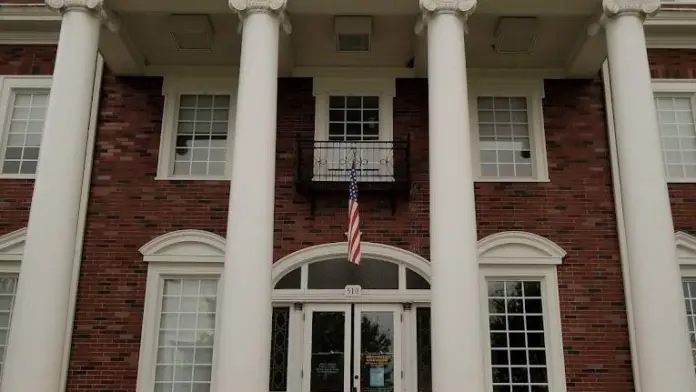
510 Tacoma Avenue South
Tacoma, WA 98402
Sponsored Helpline
Amazing over all experience in family recovery Court.
I think that there are plenty of other rehabilitation centers that are way more worth it than this one.
I have supported my son on this journey and have had questions arise about this program. Yes, he has an alcohol problem and I will only fight for him when he is right. Red flags have been going off left and right with the counselor(s) , which has been many. Pierce County ...
 Back
Back
Sharing your insights and experiences can help others learn more about this rehab center.
 Written By: Susan Bertram
BA
Written By: Susan Bertram
BA