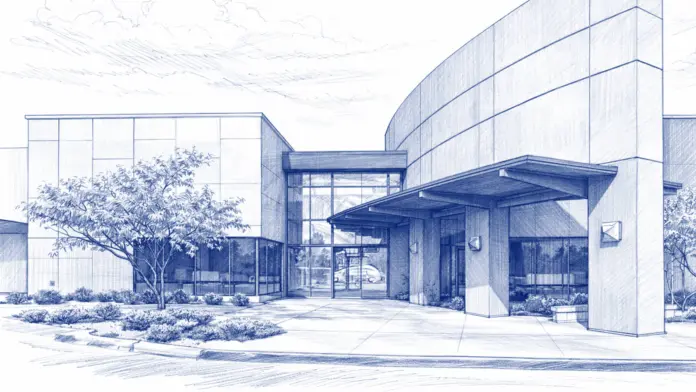
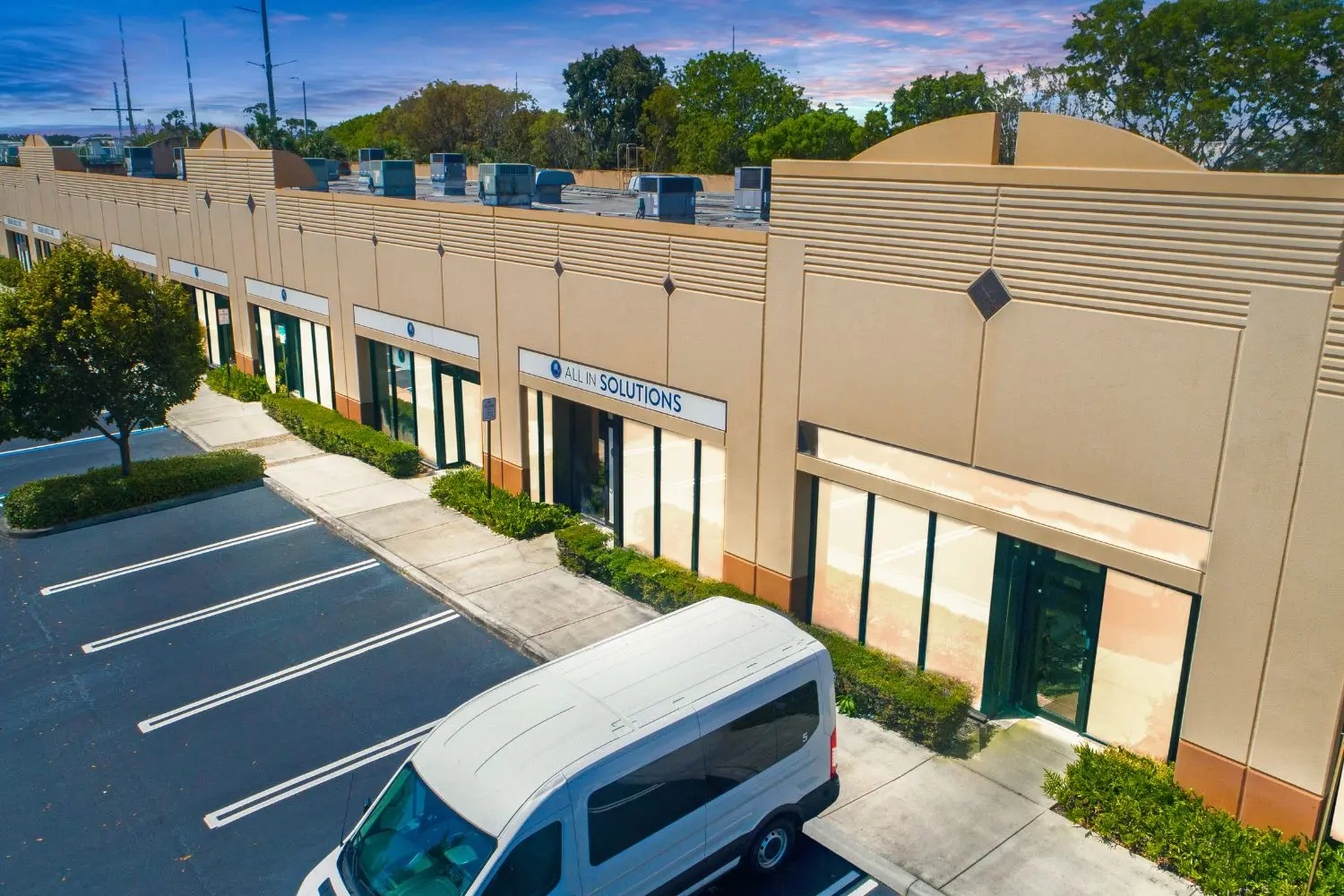
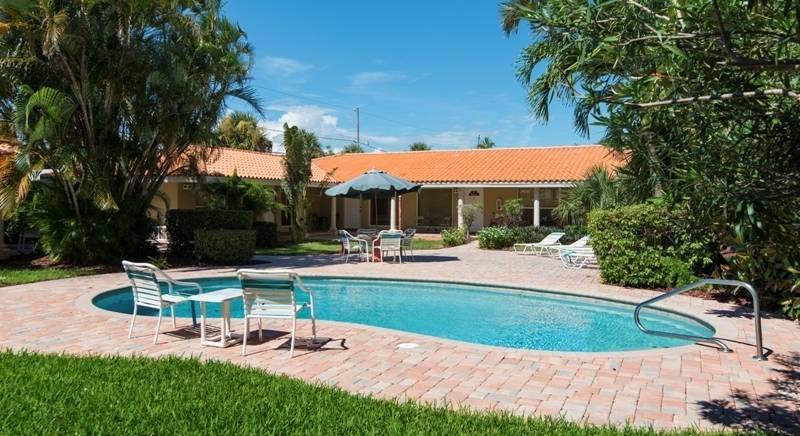
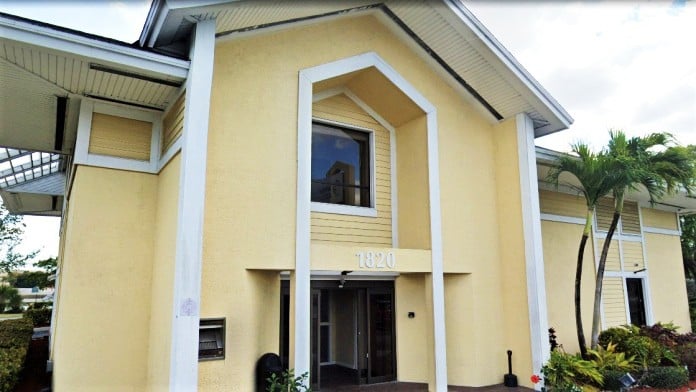
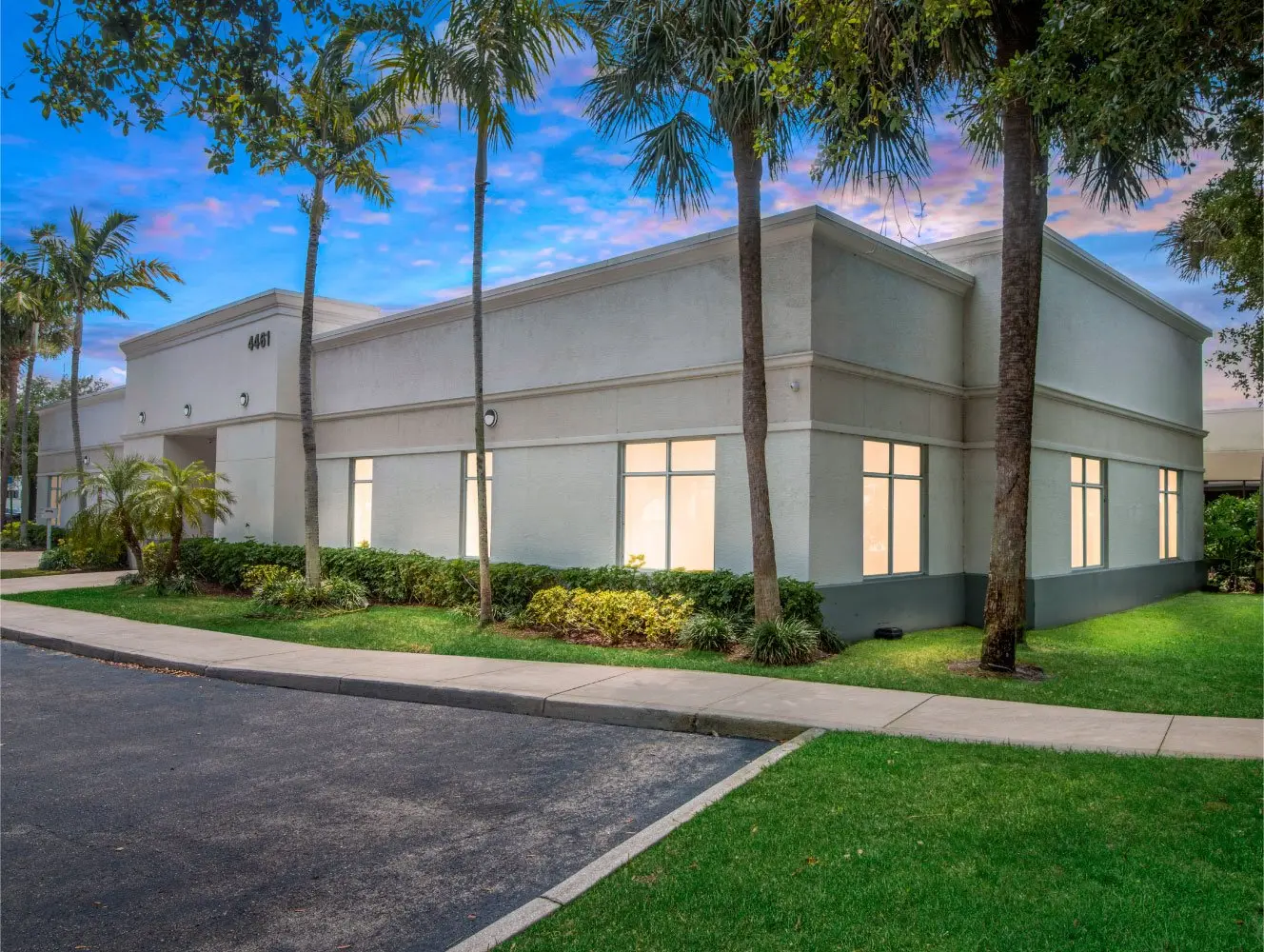
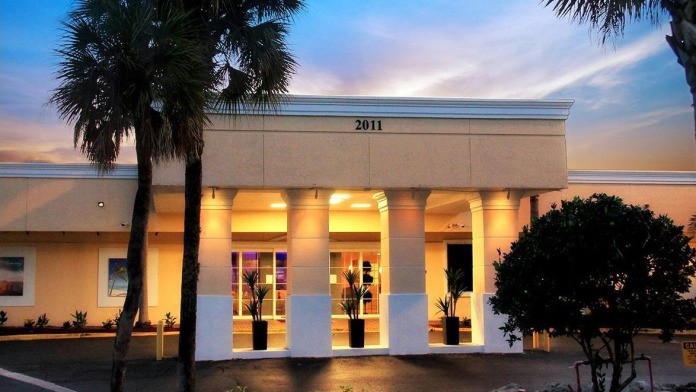
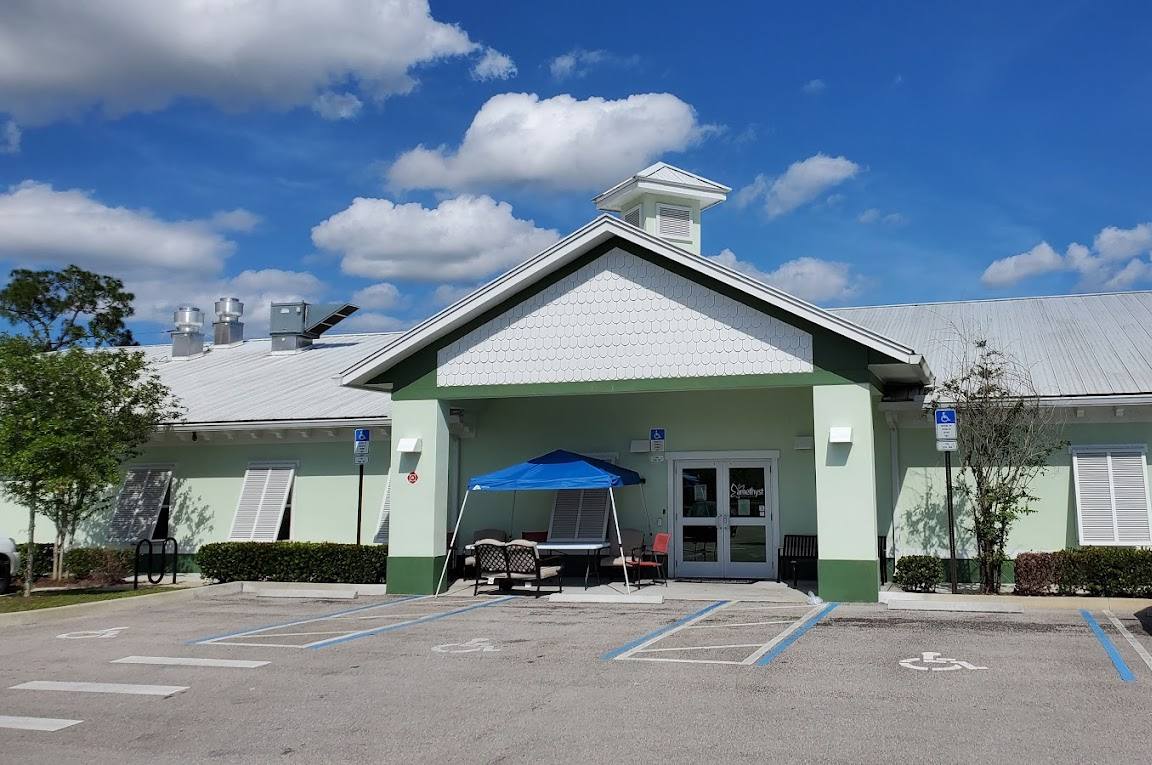
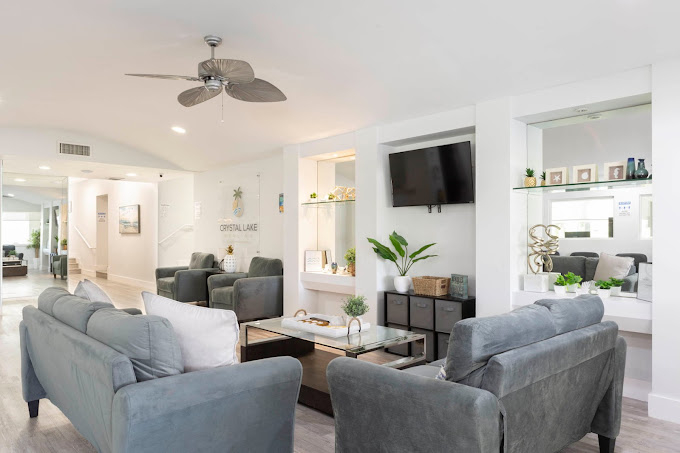
Reflections Wellness Center was located in Hollywood, Florida, and offered psychosocial rehabilitation and psychiatric services for clients with mental health and/or co-occurring substance use disorders (SUDs).
They offered outpatient treatment programs that included psychiatric medication management. The facility was easily accessible from major roads and about seven miles from downtown Hollywood. This facility is now closed.
Flexible Program Options
The center provided treatment programs for adolescents and adults. They offered an after school program for teens and provided morning and afternoon programs to accommodate working adults.
They specialized in helping clients with co-occurring disorders and had experience working with first responders. It’s not uncommon for first responders to have post traumatic stress disorder co-occurring with substance use issues.
Domestic Violence Intervention Program
The team offered batterer’s intervention programs as well as anger management. The anger management and batterer’s programs were scheduled programs conducted in a group format and lasted from 13 to 29 weeks.
The psychosocial rehabilitation programs helped to improve social skills, promote overall wellness, and increase clients’ knowledge and connection to available community resources.
Great Place. Great staff. Treatment consisted in group therapy and Individual therapy very effective. The center is small so the staff get to know you well. They become your second family. The Director, Lucy is very caring. Yamaira, Haidy, Dina they are all so genuine and they go above and beyond to help patients. I recommend this Center.
Dina at the front desk is a superstar! Very attentive and on top of her job responsibilities. I met with Dr. Baskin. She was good. She’s serious and asked a lot of questions. The whole staff overall are very attentive and polite. It’s hard to find places now of days with good quality staff members. I had a good experience. Cheers people!!
I love reflections. From Lucy to Deena to the amazing therapists and the phenomenal psychiatrists. Dr. Binder and Dr. baskin are amazing and considerate and patient. I recommend reflections to everyone I know. This has been an amazing experience for my children who were so troubled. The individual therapy and the group therapy has helped them so much!!!!! They are now doing so much better and I owe it all to Deena. She has been so much help to me and my children I can never thank them enough. I seriously recommend anyone who’s having trouble dealing with life or just wants to talk to someone, call reflections. They are the best. ♥️
Scoring is assigned by a proprietary system which helps surface key metrics that determine quality. The 10-point scale factors in categories such as operations, customer satisfaction, and trust metrics. Read Full Methodology
5.6 / 10
Location
Other Forms of Payment
Medicaid is a state based program that helps lower-income individuals and families pay for healthcare. Medicaid covers addiction treatment so those enrolled can use their coverage to pay for rehab. When a program accepts Medicaid the client often pays very little or nothing out of their own pocket.
Private insurance refers to any kind of healthcare coverage that isn't from the state or federal government. This includes individual and family plans offered by an employer or purchased from the Insurance Marketplace. Every plan will have different requirements and out of pocket costs so be sure to get the full details before you start treatment.
Self-pay involves paying for treatment out of your own pocket. You can use savings or credit, get a personal loan, or receive help from family and friends to fund your treatment. If you don't have insurance or your insurance plan doesn't cover a specific program, self-pay can help ensure you still get the care you need.
Financial aid can take many forms. Centers may have grants or scholarships available to clients who meet eligibility requirements. Programs that receive SAMHSA grants may have financial aid available for those who need treatment as well. Grants and scholarships can help you pai for treatment without having to repay.
Sliding scale payments are based on a client's income and family size. The goal is to make treatment affordable to everyone. By taking these factors into account, addiction recovery care providers help ensure that your treatment does not become a financial burden to you or your family, eliminating one barrier to care.
Medicare is a federal program that provides health insurance for those 65 and older. It also serves people under 65 with chronic and disabling health challenges. To use Medicare for addiction treatment you need to find a program that accepts Medicare and is in network with your plan. Out of pocket costs and preauthorization requirements vary, so always check with your provider.
Private insurance refers to any kind of healthcare coverage that isn't from the state or federal government. This includes individual and family plans offered by an employer or purchased from the Insurance Marketplace. Every plan will have different requirements and out of pocket costs so be sure to get the full details before you start treatment.
Addiction Treatments
Levels of Care
Outpatient Programs (OP) are for those seeking mental rehab or drug rehab, but who also stay at home every night. The main difference between outpatient treatment (OP) and intensive outpatient treatment (IOP) lies in the amount of hours the patient spends at the facility. Most of the time an outpatient program is designed for someone who has completed an inpatient stay and is looking to continue their growth in recovery. Outpatient is not meant to be the starting point, it is commonly referred to as aftercare.
The first step of the recovery process involves the removal of all drugs and alcohol from your system while under 24/7 medical supervision. Known as a medically assisted detox, you are closely monitored by medical staff who can provide medications, if necessary, to help alleviate any potential withdrawal symptoms. Medical detox is usually followed by a period of inpatient addiction treatment.
Clients typically choose inpatient rehab when they are in early recovery or are experiencing a crisis that puts them at an increased risk of relapse. They reside at the treatment center for the length of their program, which may range from two weeks to more than 18 months, depending on the program design. Intensive psychotherapy is often the primary treatment modality, but clients in inpatient care may also receive holistic treatment and recovery-focused life skills training.
Treatments
Many of those suffering from addiction also suffer from mental or emotional illnesses like schizophrenia, bipolar disorder, depression, or anxiety disorders. Rehab and other substance abuse facilities treating those with a dual diagnosis or co-occurring disorder administer psychiatric treatment to address the person's mental health issue in addition to drug and alcohol rehabilitation.
Mental health rehabs focus on helping individuals recover from mental illnesses like bipolar disorder, clinical depression, anxiety disorders, schizophrenia, and more. Mental health professionals at these facilities are trained to understand and treat mental health issues, both in individual and group settings.
When a person has alcohol use disorder (AUD), also referred to as alcoholism or alcohol addiction, they experience withdrawal symptoms when they stop drinking. This physical dependence results from overuse of alcohol, which may be used as a coping mechanism or escape. Individuals who have AUD can overcome the alcohol addiction through alcohol rehab in Florida. This treatment process involves essential therapy and supports to help the individual achieve and maintain recovery.
Drug rehab in Florida provides quality treatment to help individuals overcome dependency related to a wide range of addictive substances. Programs address both the physical and mental aspects of addiction in order to help you make a full recovery.
Opioid Addiction
Programs
Adult rehab programs include therapies tailored to each client's specific needs, goals, and recovery progress. They are tailored to the specific challenges adult clients may face, including family and work pressures and commitments. From inpatient and residential treatment to various levels of outpatient services, there are many options available. Some facilities also help adults work through co-occurring conditions, like anxiety, that can accompany addiction.
Serving in the military is both mentally and physically challenging, and can result in trauma that persists even after combat ends. Military programs are tailored to the specific and often complex needs of active duty personnel, veterans, and military families. Clients often access these programs through the U.S. Department of Veterans Affairs (VA).
Young adulthood can be an exciting, yet difficult, time of transition. Individuals in their late teens to mid-20s face unique stressors related to school, jobs, families, and social circles, which can lead to a rise in substance use. Rehab centers with dedicated young adult programs will include activities and amenities that cater to this age group, with an emphasis on specialized counseling, peer socialization, and ongoing aftercare.
Clinical Services
Whether a marriage or other committed relationship, an intimate partnership is one of the most important aspects of a person's life. Drug and alcohol addiction affects both members of a couple in deep and meaningful ways, as does rehab and recovery. Couples therapy and other couples-focused treatment programs are significant parts of exploring triggers of addiction, as well as learning how to build healthy patterns to support ongoing sobriety.
Research clearly demonstrates that recovery is far more successful and sustainable when loved ones like family members participate in rehab and substance abuse treatment. Genetic factors may be at play when it comes to drug and alcohol addiction, as well as mental health issues. Family dynamics often play a critical role in addiction triggers, and if properly educated, family members can be a strong source of support when it comes to rehabilitation.
Group therapy is any therapeutic work that happens in a group (not one-on-one). There are a number of different group therapy modalities, including support groups, experiential therapy, psycho-education, and more. Group therapy involves treatment as well as processing interaction between group members.
In individual therapy, a patient meets one-on-one with a trained psychologist or counselor. Therapy is a pivotal part of effective substance abuse treatment, as it often covers root causes of addiction, including challenges faced by the patient in their social, family, and work/school life.
Life skills trainings involve all the skills a person must have in order to function successfully in the world. These include time management, career guidance, money management, and effective communication. Truly successful addiction recovery is based on the ability to not only live substance-free, but to thrive. Life skills teaches the practical necessities of functioning in society, which sets clients up for success in life, and therefore sobriety.
Trauma therapy addresses traumatic incidents from a client's past that are likely affecting their present-day experience. Trauma is often one of the primary triggers and potential causes of addiction, and can stem from child sexual abuse, domestic violence, having a parent with a mental illness, losing one or both parents at a young age, teenage or adult sexual assault, or any number of other factors. The purpose of trauma therapy is to allow a patient to process trauma and move through and past it, with the help of trained and compassionate mental health professionals.
Therapists who apply cognitive behavioral therapy in Florida believe patient thoughts and behaviors are closely linked. They use this treatment method to help clients change their thought patterns so they can also change behaviors and break free from substance abuse.
Dialectical behavior therapy in Florida consists of individual therapy and group instruction. This structured program is a form of psychotherapy that incorporates the development of skills for managing emotions and relationships.
Rehab.com regularly reviews this listing for accuracy but changes may occur between updates. For the most up-to-date information, please contact Reflections Wellness Center.
Great Place. Great staff. Treatment consisted in group therapy and Individual therapy very effective. The center is small so the staff get to know you well. They become your second family. The Director, Lucy is very caring. Yamaira, Haidy, Dina they are all so genuine and th ...
Read More
I understand this is a facility about helping people but some are under substance abuse. When they leave the center they walk through my neighborhood I live in. This is the second time I found a person leaving your center in my fenced off back yard. If you're about helping people tell them not to trespass on private property. If you want to help your community then help me to help them. The next time I will call the police and they will be charged with a crime. I have kids and a family. How would you feel if someone cursed your family and kids. Have a blessed day and Thank you for caring about your community.
Erica Feliciano
7 years ago
1
Kevin Seoane
7 years ago
1
Lady in the front is very unprofessional not there to help and on a powertrip.
Joe
7 years ago
5
Dina at the front desk is a superstar! Very attentive and on top of her job responsibilities. I met with Dr. Baskin. She was good. She’s serious and asked a lot of questions. The whole staff overall are very attentive and polite. It’s hard to find places now of days with good quality staff members. I had a good experience. Cheers people!!
Susan is a freelance writer and photographer. She has experience creating written content across many specialties, including education, health and wellness, home decor, and more. For the past two years, her personal photography blog has been ranked #4 on FeedSpot’s list of the 45 best Atlanta photography blogs. She also writes a weekly newsletter about her photographic adventures around Atlanta and the world.
By calling the helpline you agree to the terms of use. We do not receive any commission or fee that is dependent upon which treatment provider a caller chooses. There is no obligation to enter treatment.
Calls to numbers on a specific treatment center listing will be routed to that treatment center. Calls to any general helpline could be forwarded to SAMHSA or a verified treatment provider.
If you wish to connect with non-sponsor centers, you can browse top-rated listings, visit our homepage and browse by state, or visit SAMHSA.

 Sponsored Helpline