










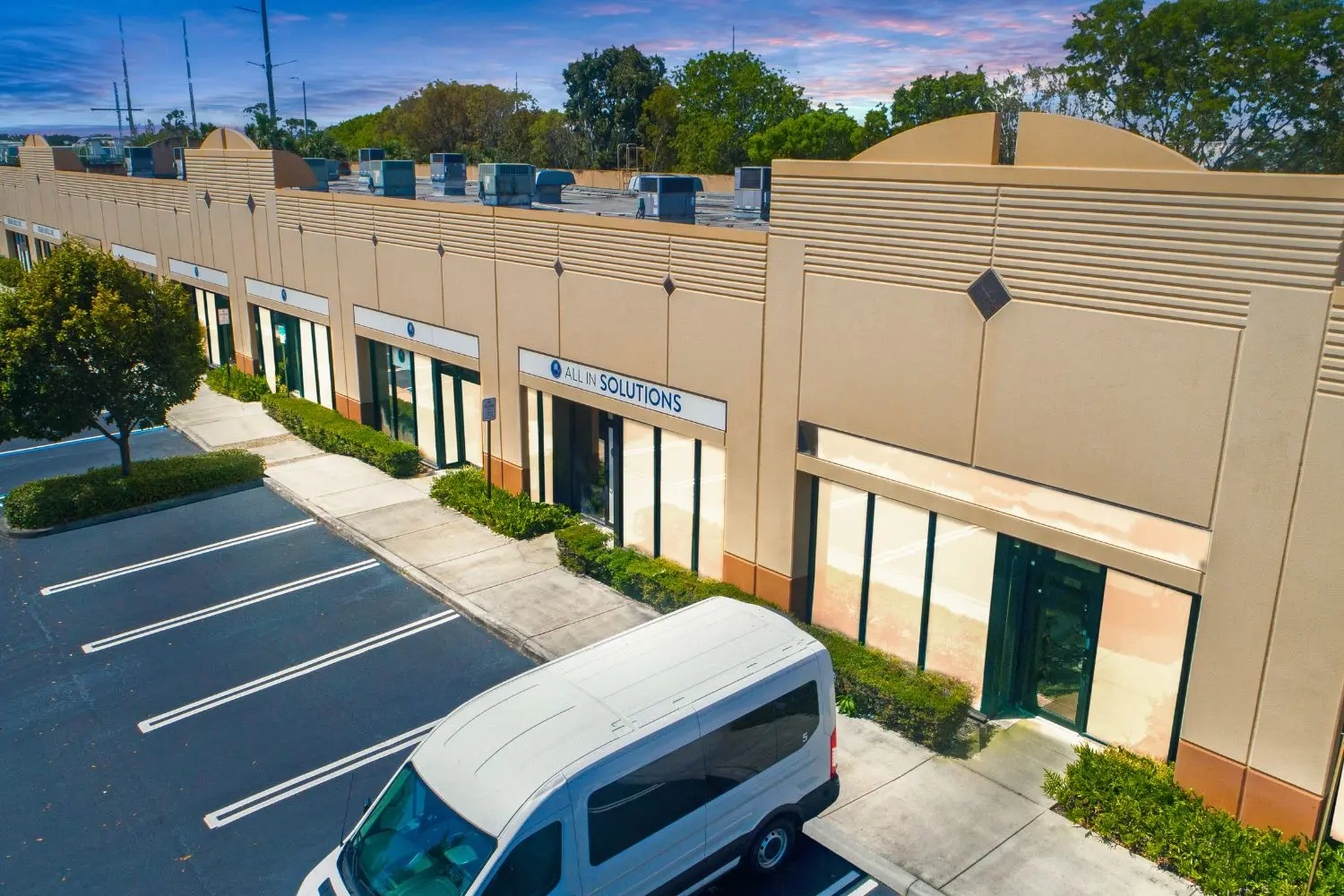
All In Solutions Counseling Center
1
Top 10 Rehab Centers In Boynton Beach



















































































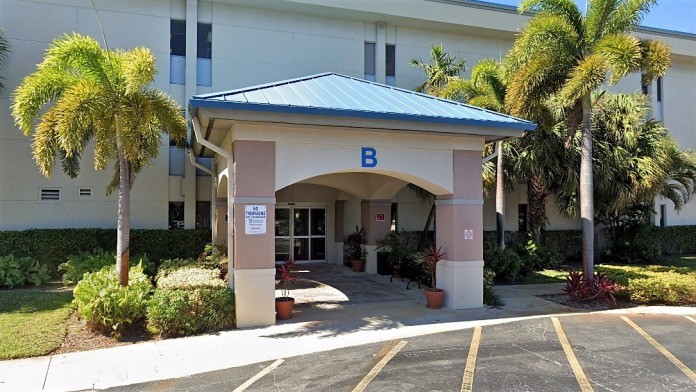
If you have issues with opioids, you should not let the fact that they are an outpatient facility put you off. They offer detox services for people who are withdrawing from opioids. You can receive medication assisted treatment to help you stop using illegal or prescription opioids and move toward recovery. They are licensed to provide methadone, buprenorphine or naltrexone. You’ll have an intake meeting that will help them determine which treatment is right for you. You’ll also participate in talk therapy while you go through the medication treatment.
They offer an intensive outpatient program. This lets you come in several times a week for group and individual therapy. What I liked about it is that all group and individual sessions are led by a licensed family therapist with an advanced degree.
They may treat you with cognitive behavioral therapy which teaches you to think in a more positive and realistic way. They believe that when your thoughts are healthier you are less likely to use substances. They may use other types of behavioral therapy depending on the situation. They also use motivational interviewing in which the therapist will ask questions designed to determine how you think and what motivates you.
If you don’t need intensive therapy you can still come in once or twice a week for treatment sessions. They offer telehealth options for people who cannot come to the office.


 Our Methodology


Self-pay involves paying for treatment out of your own pocket. You can use savings or credit, get a personal loan, or receive help from family and friends to fund your treatment. If you don't have insurance or your insurance plan doesn't cover a specific program, self-pay can help ensure you still get the care you need.
Drug and alcohol addiction often takes a heavy toll on one's body. Over time, a physical dependence can develop, meaning the body physiologically needs the substance to function. Detox is the process of removing drugs and/or alcohol from the body, a process that can be lethal if mismanaged. Medical detox is done by licensed medical professionals who monitor vital signs and keep you safe, healthy, and as comfortable as possible as you go through detox and withdrawal.
Intervention services helps family or friends of addicts stage an intervention, which is a meeting in which loved ones share their concerns and attempt to get an addict into treatment. Professional intervention specialists can help loved ones organize, gather, and communicate with an addict. They can guide intervention participants in describing the damage the addict's behavior is causing and that outside help is necessary to address the addiction. The ideal outcome of an intervention is for the addict to go to rehab and get the help they need.
Completing a drug or alcohol rehab program shouldn't spell the end of substance abuse treatment. Aftercare involves making a sustainable plan for recovery, including ongoing support. This can include sober living arrangements like halfway houses, career counseling, and setting a patient up with community programs like Alcoholics Anonymous (AA) or Narcotics Anonymous (NA).
Outpatient Programs (OP) are for those seeking mental rehab or drug rehab, but who also stay at home every night. The main difference between outpatient treatment (OP) and intensive outpatient treatment (IOP) lies in the amount of hours the patient spends at the facility. Most of the time an outpatient program is designed for someone who has completed an inpatient stay and is looking to continue their growth in recovery. Outpatient is not meant to be the starting point, it is commonly referred to as aftercare.
The goal of treatment for alcoholism is abstinence. Those with poor social support, poor motivation, or psychiatric disorders tend to relapse within a few years of treatment. For these people, success is measured by longer periods of abstinence, reduced use of alcohol, better health, and improved social functioning. Recovery and Maintenance are usually based on 12 step programs and AA meetings.
Drug rehab in Florida provides quality treatment to help individuals overcome dependency related to a wide range of addictive substances. Programs address both the physical and mental aspects of addiction in order to help you make a full recovery.
Opioid rehabs specialize in supporting those recovering from opioid addiction. They treat those suffering from addiction to illegal opioids like heroin, as well as prescription drugs like oxycodone. These centers typically combine both physical as well as mental and emotional support to help stop addiction. Physical support often includes medical detox and subsequent medical support (including medication), and mental support includes in-depth therapy to address the underlying causes of addiction.
Substance rehabs focus on helping individuals recover from substance abuse, including alcohol and drug addiction (both illegal and prescription drugs). They often include the opportunity to engage in both individual as well as group therapy.
Adult rehab programs include therapies tailored to each client's specific needs, goals, and recovery progress. They are tailored to the specific challenges adult clients may face, including family and work pressures and commitments. From inpatient and residential treatment to various levels of outpatient services, there are many options available. Some facilities also help adults work through co-occurring conditions, like anxiety, that can accompany addiction.
Young adulthood can be an exciting, yet difficult, time of transition. Individuals in their late teens to mid-20s face unique stressors related to school, jobs, families, and social circles, which can lead to a rise in substance use. Rehab centers with dedicated young adult programs will include activities and amenities that cater to this age group, with an emphasis on specialized counseling, peer socialization, and ongoing aftercare.
Group therapy is any therapeutic work that happens in a group (not one-on-one). There are a number of different group therapy modalities, including support groups, experiential therapy, psycho-education, and more. Group therapy involves treatment as well as processing interaction between group members.
In individual therapy, a patient meets one-on-one with a trained psychologist or counselor. Therapy is a pivotal part of effective substance abuse treatment, as it often covers root causes of addiction, including challenges faced by the patient in their social, family, and work/school life.
Medical Director
Rehab.com regularly reviews this listing for accuracy but changes may occur between updates. For the most up-to-date information, please contact Resolutions Medical Services.

2151 45th street
Suite 108
West Palm Beach, FL 33407
Sponsored Helpline

This place saved my life! I gave this program a shot and never looked back. At first it may be a little costly but once you get past that it's very affordable. The staff and Doctors are so helpful they go out of their way to help you but remember yo are not going to fool anybody here they have been in business for a very long time so expect the best care anyone can give. Ty resolutions for a better life

Resolutions is the most caring and amazing group of doctors that I have ever been to. They have helped me immensely through the years including when I recently lost my mom and Nadine (the best receptionist in the game) called me several times in between appointments to check on me. I will always be grateful for Nadine, Dr E, Nikki, Kristi and the other PA’s for helping me no matter what!!

I’ve been a patient of Resolutions’ for years, and I am so incredibly grateful for their services! Resolutions saved me and saw potential in me when I couldn’t see any in myself. Whenever I call, I’m speaking with someone (usually Nadine <3) who actually cares about me and my life, and wants my success as much as I do. The doctors are patient and thorough, the reception staff are kind and welcoming, and it is overall the BEST doctor’s office I’ve ever been a patient at. They also offer affordable counseling that you can schedule weekly, monthly, or just whenever you need a person to talk to. I’ve lost many friends to the disease of addiction, as have most of us who are still around today. I attribute my success in recovery to God, my loving family, and Resolutions. Without any of those 3 components, I wouldn’t be here today.

 Back
Back
Sharing your insights and experiences can help others learn more about this rehab center.
 Written By: Eliza Gale
