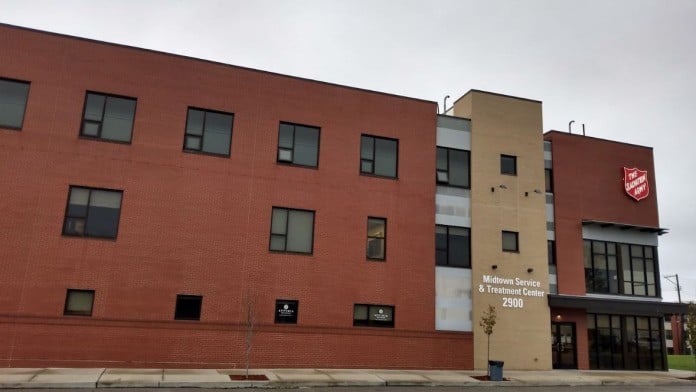
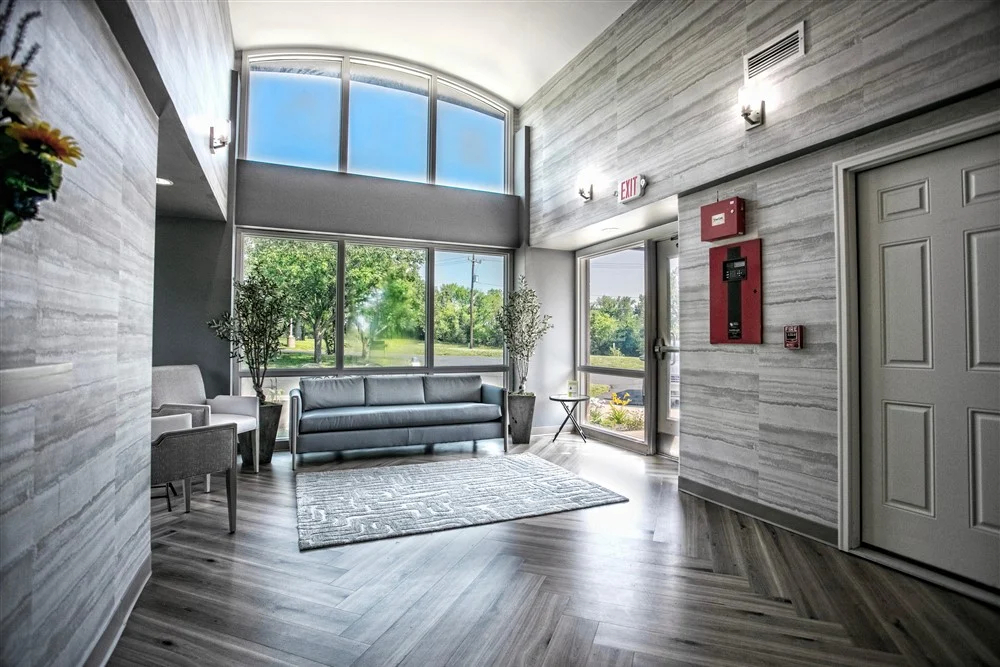
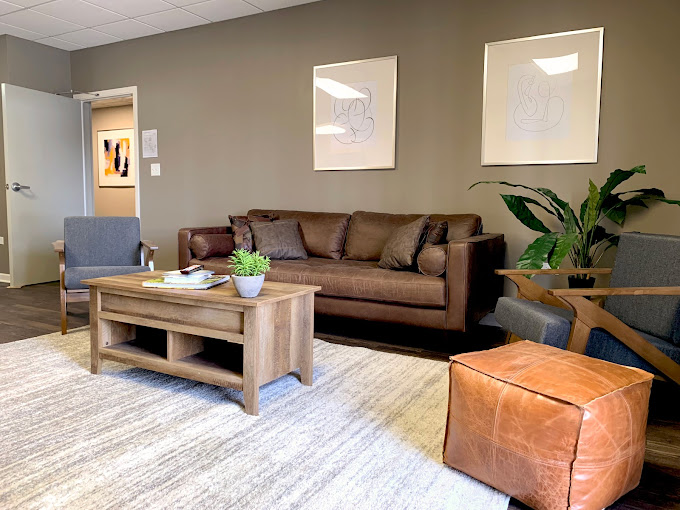
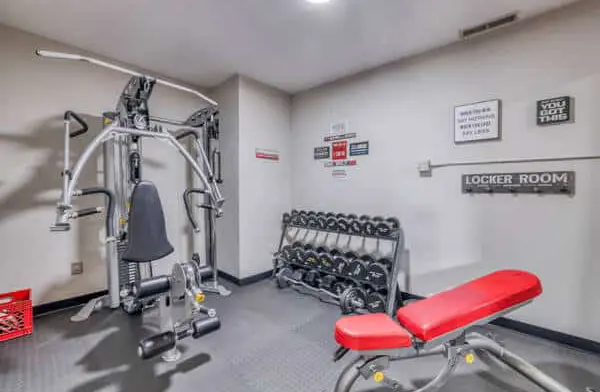
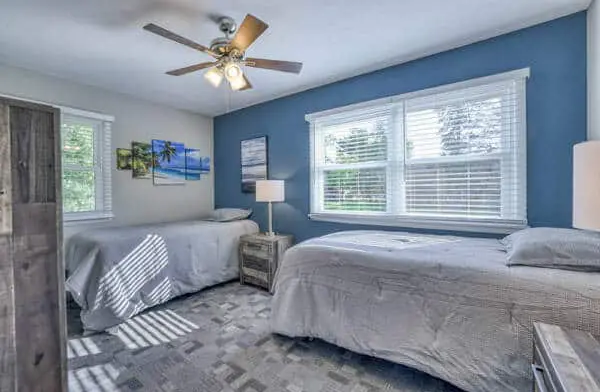
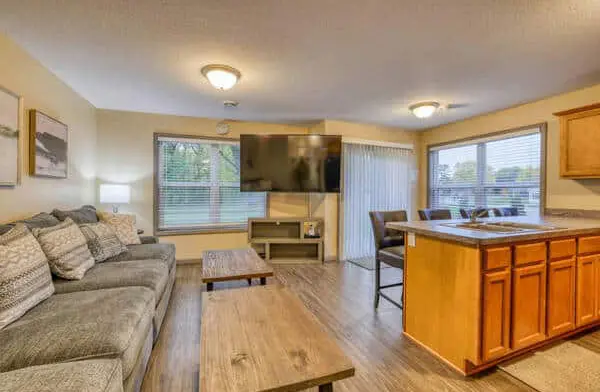
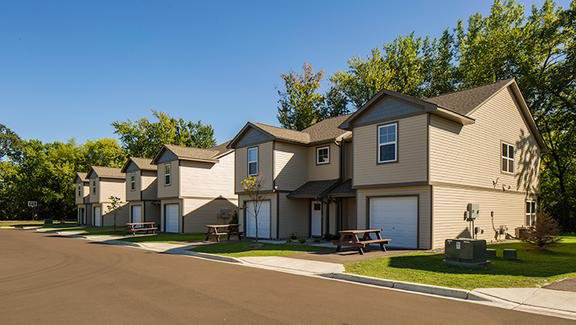
One standout feature I noticed was their impressive accommodations. Their campus consists of five townhomes with ten units total. You’ll have access to a fully furnished two bedroom, three bathroom unit to share with other peers. Each space features a living room with a 75” TV, a dining room, a full sized kitchen, a fitness center, and an onsite laundry room. You’ll benefit from the freedom and responsibility to prepare your own meals and live in a space that truly feels like home.
Their programming emphasizes strengthening the whole person. You’ll participate in programming from Monday to Friday from 8:50 a.m. to 3:00 p.m. They help you dive deep into challenges contributing to your addiction and provide the tools to address them healthily. Private and group therapy and psychoeducation along with peer recovery groups and speaker meetings are available. Other wonderful features including a family program along with nutrition and fitness programs are coming soon.
Another thing that caught my eye was their program structure. It’s great that although they offer intensive outpatient care they still include certain aspects of residential care like 24/7 staff support and lodging. This is an incredible way to make treatment more in depth while balancing structure and independence. Furthermore, you’ll live among peers in recovery. Along with growing in recovery you’ll learn the significance of self sufficiency and foster a solid sober community.
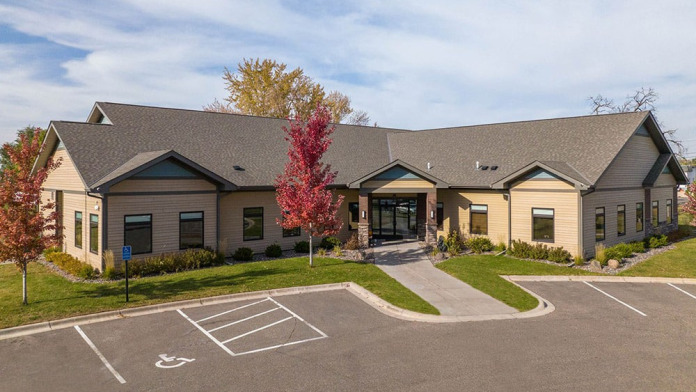
Beautiful facility with kind and helpful staff! The housing is set up in a convenient way to focus clients towards recovery. Clean and healthy environment in housing and facility that promote a stable, trustworthy environment for clients to grow in. Staff members are communicative and oriented towards clients first. Very serene and relaxing environment. 10/10 would recommend.
Scoring is assigned by a proprietary system which helps surface key metrics that determine quality. The 10-point scale factors in categories such as operations, customer satisfaction, and trust metrics. Read Full Methodology
7.4 / 10
Gallery
Accepted Insurance
Please contact to verify your specific insurance provider.
Riverplace Counseling Center works with several private insurance providers, please contact to verify your specific insurance provider.
Private insurance refers to any kind of healthcare coverage that isn't from the state or federal government. This includes individual and family plans offered by an employer or purchased from the Insurance Marketplace. Every plan will have different requirements and out of pocket costs so be sure to get the full details before you start treatment.
Self-pay involves paying for treatment out of your own pocket. You can use savings or credit, get a personal loan, or receive help from family and friends to fund your treatment. If you don't have insurance or your insurance plan doesn't cover a specific program, self-pay can help ensure you still get the care you need.
Financial aid can take many forms. Centers may have grants or scholarships available to clients who meet eligibility requirements. Programs that receive SAMHSA grants may have financial aid available for those who need treatment as well. Grants and scholarships can help you pai for treatment without having to repay.
Addiction Treatments
Levels of Care
Outpatient Programs (OP) are for those seeking mental rehab or drug rehab, but who also stay at home every night. The main difference between outpatient treatment (OP) and intensive outpatient treatment (IOP) lies in the amount of hours the patient spends at the facility. Most of the time an outpatient program is designed for someone who has completed an inpatient stay and is looking to continue their growth in recovery. Outpatient is not meant to be the starting point, it is commonly referred to as aftercare.
Clients typically enter inpatient rehab after they complete detox. Inpatient care is also designed for clients who are experiencing a crisis and are at an increased risk of relapse. Clients reside at the treatment center for the duration of their program. Clients engage in intensive addiction counseling, often using CBT, DBT, RBT, motivational interviewing or other proven modalities. Many inpatient rehabs offer recovery-focused life skills training. Evidence-based complementary therapies, such as meditation and yoga, may be included.
Intensive Outpatient Programs (IOP) are for those who want or need a very structured treatment program but who also wish to live at home and continue with certain responsibilities (such as work or school). IOP substance abuse treatment programs vary in duration and intensity, and certain outpatient rehab centers will offer individualized treatment programs.
Rehab aftercare programs provide robust, wraparound care for clients who have completed detox and/or intensive inpatient rehab. Their services may vary widely, but typically include peer coaching, relapse prevention support, 12 step program induction, career counseling, and related community reintegration services. The client's case manager and recovery team coordinates with the client to identify the rehab aftercare services they need to promote their sustained sobriety.
12 step programs support long-term recovery through personal growth. Participants are expected to regularly attend 12 step meetings, which are free, anonymous, and accessible 365 days per year in most communities. They are also mentored by self-selected sponsors who help guide them through the steps of recovery, which are rooted in spiritual principles and designed to foster self-awareness, forgiveness, accountability, and acceptance. Religious affiliation is not required and specialized formats, including age and gender specific meetings, are available.
Sober Living Houses (SLHs), aka sober homes or halfway houses, are safe, substance-free, supportive living facilities for those recovering from substance abuse. Ideal for those who've just been through inpatient or outpatient treatment, SLHs are supervised environments with rules that support sobriety, such as curfews, shared chores, and therapeutic meetings. Residents are also often trained on life skills and coping skills to make it easier to transition into society. SLHs also provide a strong sense of community that can lead to the kind of deep and lasting connections with other sober individuals that supports a new, healthy lifestyle.
A drug intervention in Minnesota is a planned effort to persuade an individual to quit using drugs or to enter a treatment program. The intervention may be led by a specialist provided by rehab intervention services. This interventionist should have training in addiction treatment and experience in the mental health profession. Their expertise can prove invaluable in leading the intervention discussion and guiding the family in appropriate next steps.
A partial hospitalization program (PHP) can provide supportive and structured care to those who don't require 24/7 supervision. It can be used as a "step-down" option after you're released from the hospital or a residential program. PHP treatment integrates evidence-based therapies, such as cognitive-behavioral therapy (CBT), and dialectical behavior therapy (DBT). The duration of a partial hospital program is tailored to meet your specific needs and goals but averages 90 days.
When individuals first enter rehab, they may be malnourished due to substance use. They may also suffer from illness, organ damage, or other medical issues. 24-hour clinical care in Minnesota provides on-call staff who can monitor these conditions and provide appropriate treatment 24/7. This setting helps individuals who need substance use disorder treatment get the physical as well as psychological support they need.
Withdrawal from alcohol and drugs can be uncomfortable - even dangerous - without the proper medical supervision. The safest way to remove addictive substances from your body is with a medically supervised detox where a team of on-site medical professionals can monitor your health and progress 24/7, then administer medications (like Suboxone or Vivitrol) if necessary to mitigate symptoms of withdrawal.
Treatments
The goal of treatment for alcoholism is abstinence. Those with poor social support, poor motivation, or psychiatric disorders tend to relapse within a few years of treatment. For these people, success is measured by longer periods of abstinence, reduced use of alcohol, better health, and improved social functioning. Recovery and Maintenance are usually based on 12 step programs and AA meetings.
Drug addiction is defined as an inability to stop using drugs even though it causes negative consequences in your life. Drug rehab in Minnesota provides treatment for drug addiction in a variety of settings including inpatient treatment and outpatient treatment.
Opioid rehabs specialize in supporting those recovering from opioid addiction. They treat those suffering from addiction to illegal opioids like heroin, as well as prescription drugs like oxycodone. These centers typically combine both physical as well as mental and emotional support to help stop addiction. Physical support often includes medical detox and subsequent medical support (including medication), and mental support includes in-depth therapy to address the underlying causes of addiction.
Substance rehabs focus on helping individuals recover from substance abuse, including alcohol and drug addiction (both illegal and prescription drugs). They often include the opportunity to engage in both individual as well as group therapy.
Programs
Adult rehab programs include therapies tailored to each client's specific needs, goals, and recovery progress. They are tailored to the specific challenges adult clients may face, including family and work pressures and commitments. From inpatient and residential treatment to various levels of outpatient services, there are many options available. Some facilities also help adults work through co-occurring conditions, like anxiety, that can accompany addiction.
Young adulthood can be an exciting, yet difficult, time of transition. Individuals in their late teens to mid-20s face unique stressors related to school, jobs, families, and social circles, which can lead to a rise in substance use. Rehab centers with dedicated young adult programs will include activities and amenities that cater to this age group, with an emphasis on specialized counseling, peer socialization, and ongoing aftercare.
Recovery is most successful when clients feel accepted and validated by their peers and treatment providers. Facilities that offer LGBTQ-inclusive programming are committed to creating a safe space where everyone can grow and recover without fear of judgment or discrimination. They will have dedicated policies in place to create a safe and supportive environment that fosters free expression.
Clinical Services
Therapists often use cognitive behavioral therapy in Minnesota to treat substance use disorders because it can help clients quickly identify challenges and ways to cope with them. Its structured, specific methods require fewer sessions than other types of therapy.
Group therapy is any therapeutic work that happens in a group (not one-on-one). There are a number of different group therapy modalities, including support groups, experiential therapy, psycho-education, and more. Group therapy involves treatment as well as processing interaction between group members.
Qualified therapists in Minnesota offer individual therapy to men and women so they can receive customized care tailored to their needs. Your therapist works to understand your unique circumstances and provide you with targeted interventions and coping skills essential for long term recovery.
When conducting motivational interviewing in Minnesota, the interviewer encourages clients to discuss their reasons for making changes and their need for change in their lives. The interviewer's role is to listen and reflect, to evoke conversation about commitment to change.
Families in Minnesota use family therapy to understand the roles they play in addiction. Each member plays a role and contributes to a pattern of behavior. Families learn to interact in healthier ways that support each other and contribute to their loved one's journey to recovery.
For a successful recovery, life skills training is key. That's why rehab programs in Minnesota include training in social skills, self care, time management, financial management, and other daily life skills. By growing in these areas, you'll gain tools that allow you to navigate challenges and avoid relapse.
Substance abuse leads to poor dietary choices and vitamin deficiencies. To address these issues, many drug rehab programs in Minnesota include nutrition therapy. You'll learn about the right foods to eat to support recovery and develop a plan for long term success.
Amenities
Private Transportation
Residential Setting
Private Rooms
Staff & Accreditations
Staff
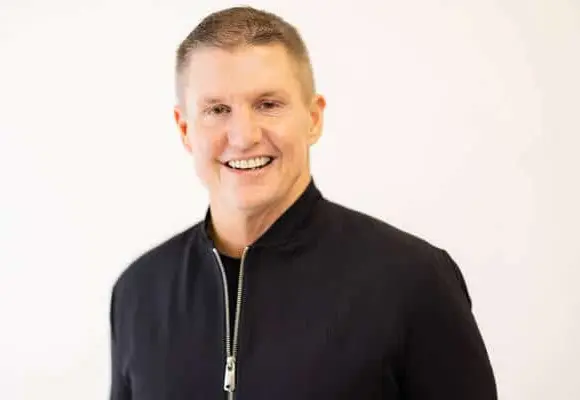
Jeff Hill
CEO
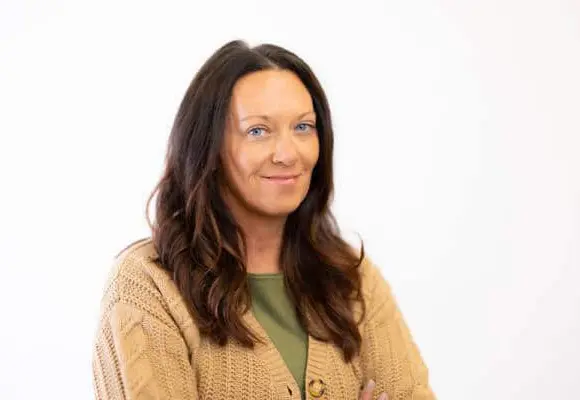
Shannon Bookwalter, LADC
Treatment Director
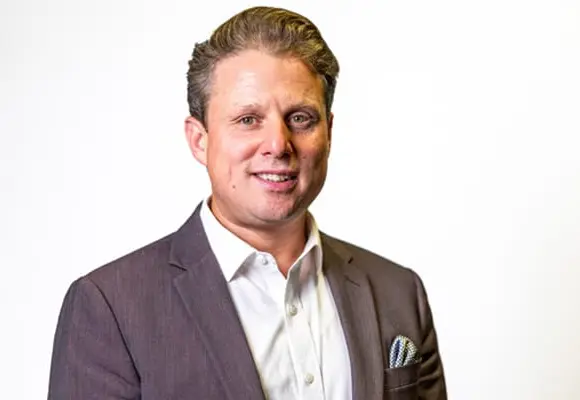
Sol Ryan
VP of Business Development
Accreditations
The Substance Abuse and Mental Health Services Administration (SAMHSA) is a branch of the U.S. Department of Health and Human Services. Established in 1992 by congress, SAMHSA's mission is to reduce the impact of substance abuse and mental illness on American's communities.
SAMHSA Listed: Yes
The Commission on Accreditation of Rehabilitation Facilities (CARF) is a non-profit organization that specifically accredits rehab organizations. Founded in 1966, CARF's, mission is to help service providers like rehab facilities maintain high standards of care.
CARF Accreditation: Yes
State Licenses are permits issued by government agencies that allow rehab organizations to conduct business legally within a certain geographical area. Typically, the kind of program a rehab facility offers, along with its physical location, determines which licenses are required to operate legally.
State License: Minnesota
License Number: 808376
Rehab.com regularly reviews this listing for accuracy but changes may occur between updates. For the most up-to-date information, please contact Riverplace Counseling Center.
I'm furious with this place because they don't do their job as they should. Don't waste your time coming to this place, the staff has little education, the only thing that interests them is their salary at the end of the month, the main interest of this organization is not t ...
Read More
Reviewed on 2/27/2019
4.5
Staff were really nice. I thought my treatment experience was easier then other times and I felt I got more out of this program then other ones. I learned a lot about my addiction and feel Riverplace helped with the relapse thoughts I was having.
If you are wanting genuine help do not come to this place. 💯💯💯💯
Brian Stauffer
1 month ago
5
Pete Berger
3 months ago
3
Reallly good at pushing medications onto people that don’t need it and then labeling them as ‘junkies and addicts’.
Diana W
11 months ago
1
They sneak drugs and alcohol into their treatment I don’t recommend this treatment place to anyone who’s serious about recovery and doesn’t want to be around hardcore drugs
Mariah Bourne received her Master of Arts in Community Social Psychology from the University of Massachusetts Lowell. She later served as a Research Associate in many studies focused on education, addiction, and treatment, including one examining the efficacy of an LED treatment device in reducing opioid cravings. Currently, she works as a freelance writer and is dedicated to providing helpful information to those seeking recovery from substance abuse.
By calling the helpline you agree to the terms of use. We do not receive any commission or fee that is dependent upon which treatment provider a caller chooses. There is no obligation to enter treatment.
Calls to numbers on a specific treatment center listing will be routed to that treatment center. Calls to any general helpline could be forwarded to SAMHSA or a verified treatment provider.
If you wish to connect with non-sponsor centers, you can browse top-rated listings, visit our homepage and browse by state, or visit SAMHSA.

 Sponsored Helpline


































































































 Private Transportation
  Residential Setting
  Private Rooms