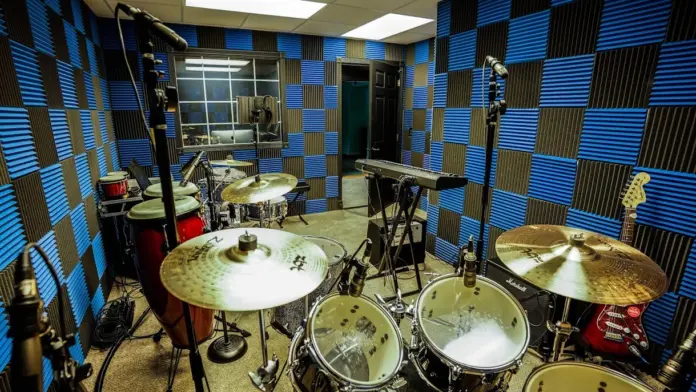
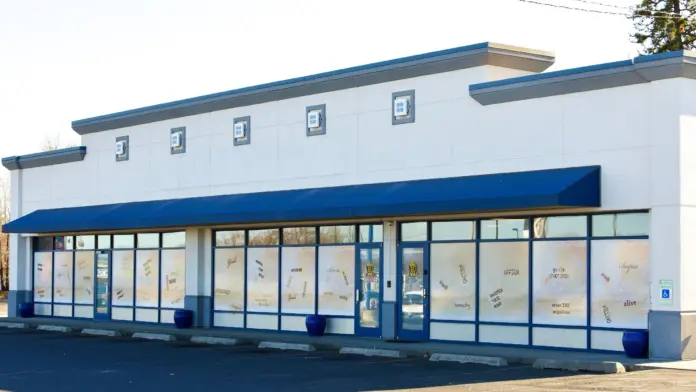
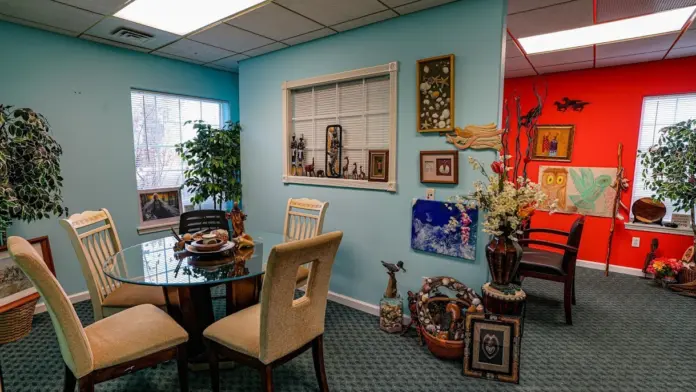
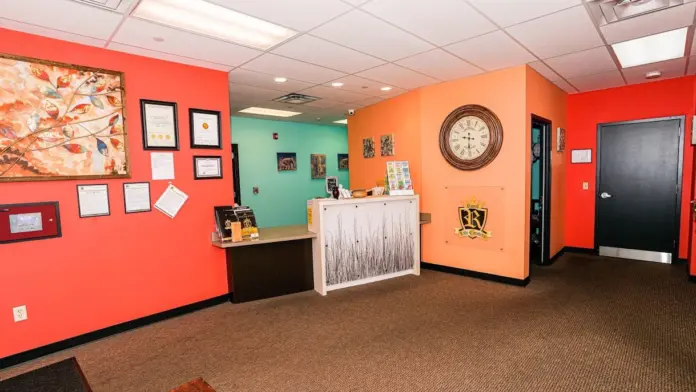
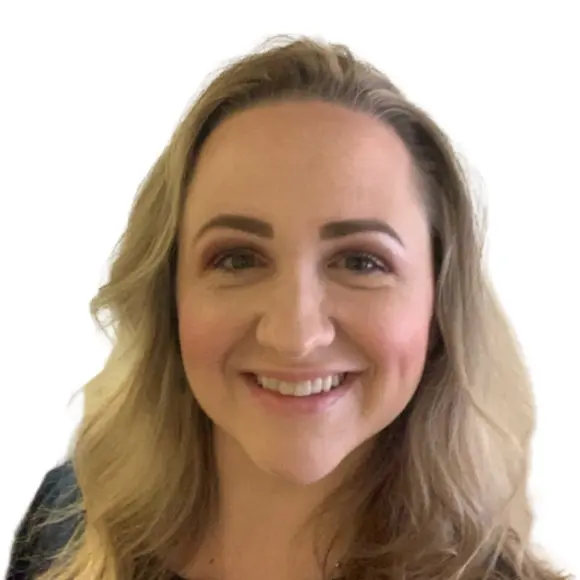
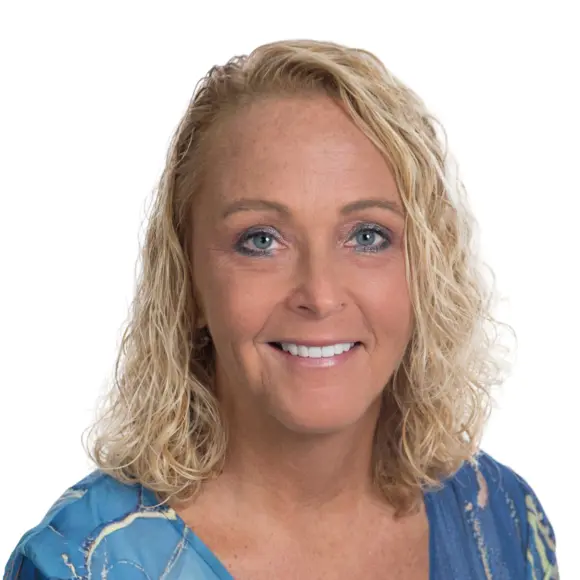
These people were there for me when I needed them most, when family and friends would not help me. The second chance I have now in my life is something other state ran facilities would never give me.
About Royal Life Centers at Spokane Heights
A friendly community will surround you as soon as you arrive at the facility. In order to build solid relationships and support one another during their recuperation, guests are encouraged to interact with one another. A key component of the healing process is this supportive environment that turns you from a visitor into a respected member of their family.
Your entire medically assisted detox program will be centered around comfort and safety. Detox is an essential part of treating physical dependence even though it might be the shortest stage of treatment.
A customized treatment plan will be created by qualified and experienced medical professionals to help your body regain its equilibrium. Complete medical care including 24/7 supervision and medication to ease withdrawal symptoms are offered to guarantee your safety during the detoxification process.
You will enter intensive therapy to address the mental aspects of addiction after being cleared by their clinical team. After a thorough examination of the root causes of substance abuse, the residential inpatient program will assist you in redefining your core beliefs and getting rid of any unhelpful thoughts that may have been impeding your progress.
The residential treatment usually lasts 14 days, but it can be prolonged to 30 days if necessary. In depth evaluations during this phase result in the creation of a customized treatment plan that directs your clinical path. This extensive program will provide you with the fundamental coping mechanisms and techniques for sustained sobriety and wellbeing, enabling you to face life with redoubled resilience and self assurance.
Latest Reviews
Rehab Score
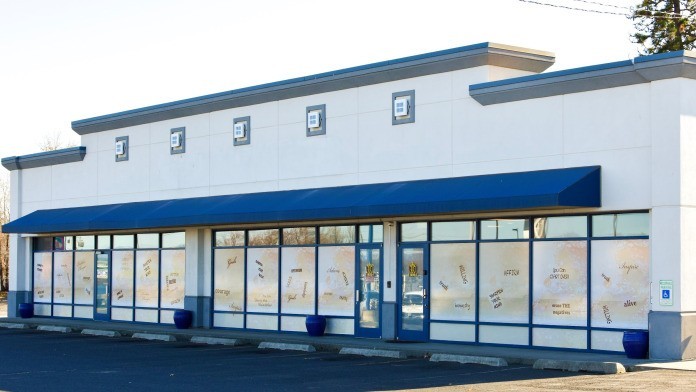
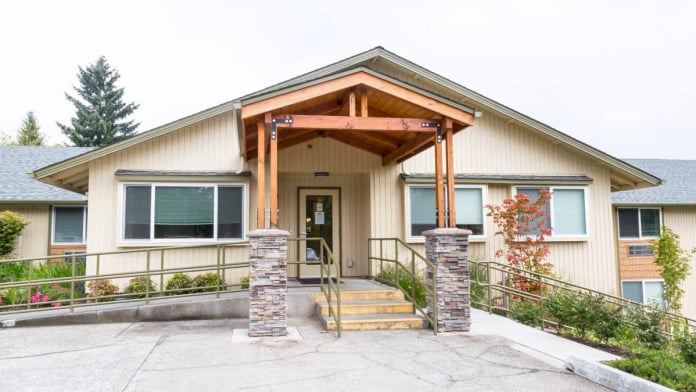
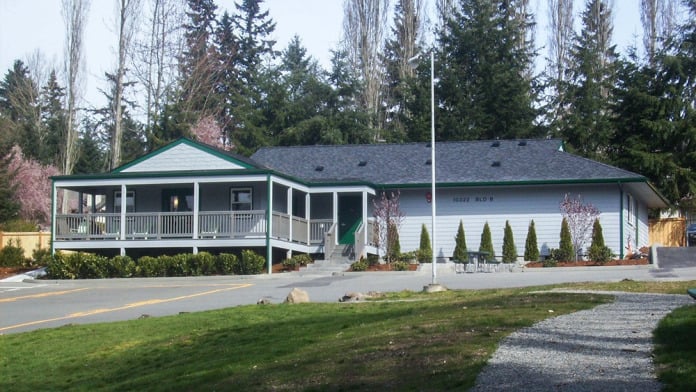
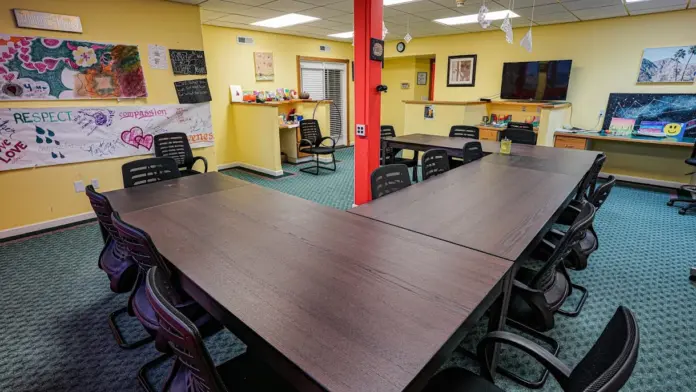
Gallery
Accepted Insurance
Other Forms of Payment
Private insurance refers to any kind of healthcare coverage that isn't from the state or federal government. This includes individual and family plans offered by an employer or purchased from the Insurance Marketplace. Every plan will have different requirements and out of pocket costs so be sure to get the full details before you start treatment.
Self-pay involves paying for treatment out of your own pocket. You can use savings or credit, get a personal loan, or receive help from family and friends to fund your treatment. If you don't have insurance or your insurance plan doesn't cover a specific program, self-pay can help ensure you still get the care you need.
Addiction Treatments
Levels of Care
Clients enrolled in an outpatient rehab program typically engage in multiple therapeutic sessions each week, but reside in their own homes and communities while receiving care. Outpatient treatment typically involves extensive addiction counseling, including family and group therapy. Most programs also emphasize recovery-focused life skills training and medical, mental health, and social support services to promote clients' sustained sobriety. Evening, night, weekend, and virtual services are widely available to accommodate the schedules of working professionals, students, and caregivers.
Life Centers inpatient drug treatment programs include group therapies, individual therapy, and many other holistic therapies and treatment modalities. Their approach is to truly address all facets of your addiction because they believe in treating the individual as a whole and not just the most apparent symptoms of an addiction issue. People with severe and recurring issues with addiction find that an inpatient drug detox is the best place to start the recovery process.
Intensive outpatient programs (IOP) are frequently used to facilitate clients' transition from inpatient to outpatient care. Clients who are more stable may also choose to enter IOP rather than a residential rehab following detox. Intensive outpatient treatment typically consists of nine to 20 therapeutic hours per week, with services ranging from psychotherapy to recovery education to holistic care. Many programs offer medication assisted treatment (MAT) for opioid and/or alcohol addiction.

Rehab aftercare programs support clients as they focus on maintaining their sobriety after intensive (often inpatient) treatment. These programs adhere to a model of life-long recovery, addressing addiction disease as a chronic, relapsing condition. Rehab aftercare services vary widely based on the specific and evolving needs of the client, but often include peer coaching, relapse prevention support, and 12 step program induction. Clients, case managers, and care teams typically collaborate on long-term care plans.
Every sober living home in Washington allows for increased independence in recovery while still providing structure and accountability. Residents are expected to be responsible for themselves. They must pay for room and board and do everything they would do for themselves if they lived in a regular home. Typically, residents can live in a men's or women's sober living home for as long as they want, as long as they follow the house rules.
With a partial hospitalization program (PHP), individuals can receive intensive rehab with the ability to return home each day. PHP treatment is often an alternative to inpatient hospitalization or a step-down option. PHP treatment typically requires at least 20 hours per week for approximately 90 days. Common components of PHP treatment plans include relapse prevention, medication management, and behavioral therapy services. Insurance coverage for PHP treatment is typically available, though coverage specifics depend on your insurance provider.
They have medical staff and nurses overseeing the medical aspects of the program while certified behavioral health technicians are monitoring and assisting you throughout your entire stay. They have elaborate security & observation systems throughout the facility as your safety and security are their utmost priority.
Royal Life Centers inpatient detox centers provide 24-hour addiction care, with a variety of medical staff on hand round the clock, and are typically closed facilities where clients do not leave until their stay is complete. Inpatient drug detox is the most involved form of treatment, allowing people to focus on their recovery from drugs and alcohol, and provide the highest level of care.
Treatments
The goal of treatment for alcoholism is abstinence. Those with poor social support, poor motivation, or psychiatric disorders tend to relapse within a few years of treatment. For these people, success is measured by longer periods of abstinence, reduced use of alcohol, better health, and improved social functioning. Recovery and Maintenance are usually based on 12 step programs and AA meetings.
Effective drug rehab in Washington integrates care for the whole person, offering comprehensive solutions to addiction. Treatment methods address mental, physical, and relational aspects of substance abuse.
Many of those suffering from addiction also suffer from mental or emotional illnesses like schizophrenia, bipolar disorder, depression, or anxiety disorders. Rehab and other substance abuse facilities treating those with a dual diagnosis or co-occurring disorder administer psychiatric treatment to address the person's mental health issue in addition to drug and alcohol rehabilitation.
Opioid rehabs specialize in supporting those recovering from opioid addiction. They treat those suffering from addiction to illegal opioids like heroin, as well as prescription drugs like oxycodone. These centers typically combine both physical as well as mental and emotional support to help stop addiction. Physical support often includes medical detox and subsequent medical support (including medication), and mental support includes in-depth therapy to address the underlying causes of addiction.

Substance rehabs focus on helping individuals recover from substance abuse, including alcohol and drug addiction (both illegal and prescription drugs). They often include the opportunity to engage in both individual as well as group therapy.
Clinical Services
Group therapy is any therapeutic work that happens in a group (not one-on-one). There are a number of different group therapy modalities, including support groups, experiential therapy, psycho-education, and more. Group therapy involves treatment as well as processing interaction between group members.
In individual therapy, a patient meets one-on-one with a trained psychologist or counselor. Therapy is a pivotal part of effective substance abuse treatment, as it often covers root causes of addiction, including challenges faced by the patient in their social, family, and work/school life.
Amenities
-
Private Setting
-
Yoga Studio
Staff & Accreditations
Staff
Vaun Williams, PsyD, LPC
Chief Operating Officer
Dr. Lisa Tomsak, DO
Medical Director
Rick Rorie, SUDP
Executive Director
Accreditations
The Joint Commission, formerly known as JCAHO, is a nonprofit organization that accredits rehab organizations and programs. Founded in 1951, the Joint Commision's mission is to improve the quality of patient care and demonstrating the quality of patient care.
Joint Commission Accreditation: Yes
Contact Information
524 East Francis Avenue
Spokane, WA 99208