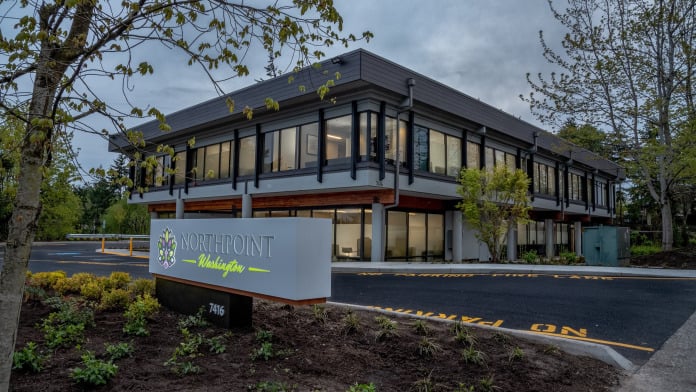
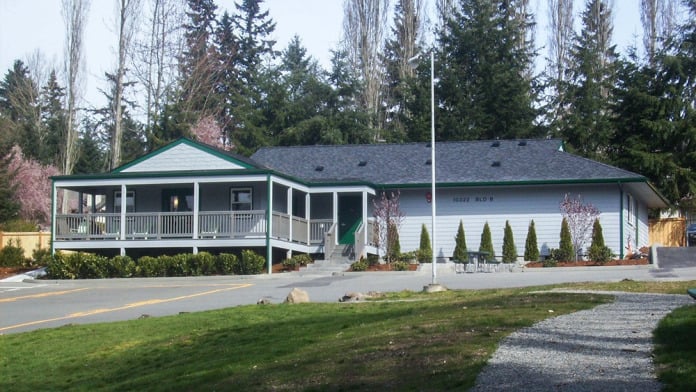
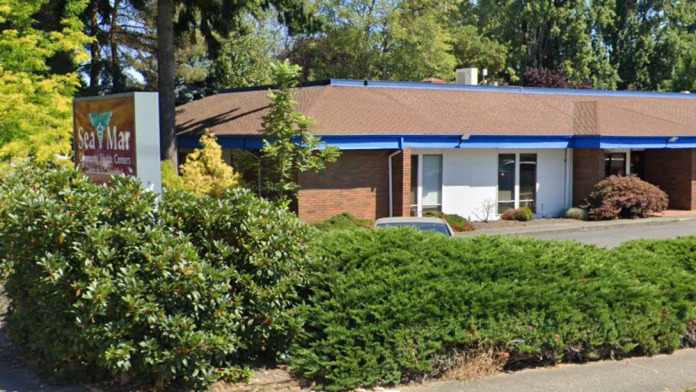
Sea Mar Tacoma Behavioral Health in Tacoma, Washington, is a community-based behavioral health provider and addiction treatment center offering comprehensive care for adults, adolescents, and children. The facility provides specialized mental health and substance use disorder services in a welcoming, culturally competent environment. Sea Mar’s mission focuses on delivering accessible, evidence-based care to diverse populations regardless of their ability to pay.
Addiction Treatment and Mental Health Programs
Treatment at Sea Mar Tacoma Behavioral Health typically begins with a comprehensive psychiatric and chemical dependency assessment to determine the appropriate level of care. From there, clients can transition into either standard outpatient treatment or an intensive outpatient program, depending on the severity of their substance use and behavioral health needs.
Clients participating in these programs can expect a blend of individual psychotherapy, group counseling, and case management designed to support ongoing recovery. The clinical team also provides psychiatric medication assessments and ongoing medication management, which is particularly beneficial for individuals requiring dual diagnosis care for co-occurring mental health conditions.
Quick Facts About Sea Mar Tacoma Behavioral Health
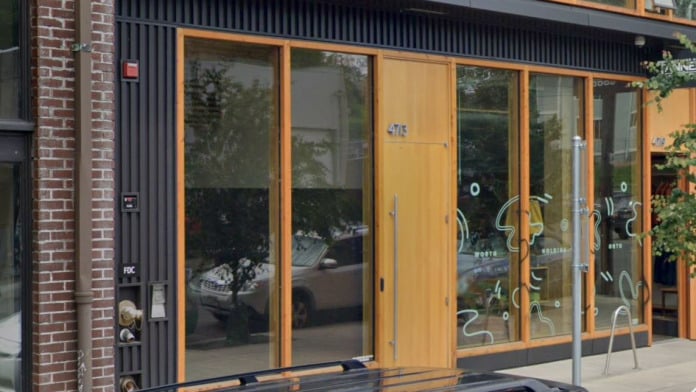
Location: The clinic is located on South 19th Street in Tacoma, Washington.
Levels of Care: Services include intensive outpatient programs, standard outpatient care, and psychiatric assessments.
Populations Served: The facility treats adults, adolescents, and children from diverse cultural backgrounds.
Treatment Approach: Care plans utilize evidence-based therapies and multidisciplinary collaboration among therapists and psychiatrists.
Multilingual Support: Many staff members speak multiple languages to better serve the local community.
Payment Options: The center accepts self-pay, private insurance, and Medicaid, while also offering a sliding fee scale based on household income.
Getting Started in Tacoma
Individuals looking to begin their recovery or mental health treatment can reach out to the Sea Mar clinic to schedule an initial evaluation. During the intake process, the administrative staff can also assist with insurance enrollment and verify specific health benefits. The multidisciplinary team will then collaborate with the client to develop a personalized treatment plan.
Reach out today to learn more about the available treatment options and schedule an assessment.
I see a lot of one star reviews from years ago, maybe things have improved a lot since because I haven't had issues at this location, all of the staff have been polite and kind, and therapy with Anastasia has really helped. Their service dog is very calm, he loves being petted and he always smells nice. The clinic is older but clean. I've been going for maybe 9-10 months now, I signed up for text reminders so I don't miss appointments, and if I'm not feeling well or have my kid home I can call and change my appointment to a virtual zoom call. I completely understand if some patients had a bad experience, I personally haven't had issues. I've even seen a few super stressed and/or demanding patients come in late, and the staff fits them in. Maybe things have improved in recent years.
Scoring is assigned by a proprietary system which helps surface key metrics that determine quality. The 10-point scale factors in categories such as operations, customer satisfaction, and trust metrics. Read Full Methodology
7.2 / 10
Gallery
Other Forms of Payment
Private insurance refers to any kind of healthcare coverage that isn't from the state or federal government. This includes individual and family plans offered by an employer or purchased from the Insurance Marketplace. Every plan will have different requirements and out of pocket costs so be sure to get the full details before you start treatment.
Self-pay involves paying for treatment out of your own pocket. You can use savings or credit, get a personal loan, or receive help from family and friends to fund your treatment. If you don't have insurance or your insurance plan doesn't cover a specific program, self-pay can help ensure you still get the care you need.
Financial aid can take many forms. Centers may have grants or scholarships available to clients who meet eligibility requirements. Programs that receive SAMHSA grants may have financial aid available for those who need treatment as well. Grants and scholarships can help you pai for treatment without having to repay.
Sliding scale payments are based on a client's income and family size. The goal is to make treatment affordable to everyone. By taking these factors into account, addiction recovery care providers help ensure that your treatment does not become a financial burden to you or your family, eliminating one barrier to care.
Medicare is a federal program that provides health insurance for those 65 and older. It also serves people under 65 with chronic and disabling health challenges. To use Medicare for addiction treatment you need to find a program that accepts Medicare and is in network with your plan. Out of pocket costs and preauthorization requirements vary, so always check with your provider.
Military members, veterans, and eligible dependents have access to specific insurance programs that help them get the care they need. TRICARE and VA insurance can help you access low cost or no cost addiction and mental health treatment. Programs that accept military insurance often have targeted treatment focused on the unique challenges military members, veterans, and their families face.
Medicaid is a state based program that helps lower-income individuals and families pay for healthcare. Medicaid covers addiction treatment so those enrolled can use their coverage to pay for rehab. When a program accepts Medicaid the client often pays very little or nothing out of their own pocket.
Addiction Treatments
Levels of Care
Outpatient Programs (OP) are for those seeking mental rehab or drug rehab, but who also stay at home every night. The main difference between outpatient treatment (OP) and intensive outpatient treatment (IOP) lies in the amount of hours the patient spends at the facility. Most of the time an outpatient program is designed for someone who has completed an inpatient stay and is looking to continue their growth in recovery. Outpatient is not meant to be the starting point, it is commonly referred to as aftercare.
Intensive outpatient programs (IOP) are frequently used to facilitate clients' transition from inpatient to outpatient care. Clients who are more stable may also choose to enter IOP rather than a residential rehab following detox. Intensive outpatient treatment typically consists of nine to 20 therapeutic hours per week, with services ranging from psychotherapy to recovery education to holistic care. Many programs offer medication assisted treatment (MAT) for opioid and/or alcohol addiction.
Rehab aftercare programs support clients as they focus on maintaining their sobriety after intensive (often inpatient) treatment. These programs adhere to a model of life-long recovery, addressing addiction disease as a chronic, relapsing condition. Rehab aftercare services vary widely based on the specific and evolving needs of the client, but often include peer coaching, relapse prevention support, and 12 step program induction. Clients, case managers, and care teams typically collaborate on long-term care plans.
It can be difficult for family and friends to carry out a successful drug intervention in Washington on their own. Intervention services can help. These services typically include education about addiction and enabling behaviors, expert facilitation for interventions, and recommendations for appropriate treatment. Often, the involvement of intervention services can create a smooth transition into rehab.
Medical detox is often the first step in addiction recovery and involves ridding the body of drugs and/or alcohol in a supervised inpatient setting. If you've become physically dependent on substances like alcohol, benzodiazepines (like Xanax), or opioids, quitting abruptly may cause uncomfortable or even dangerous side effects. In medically assisted detox, a team of medical professionals will help manage any potential withdrawal symptoms with the aim of keeping you as safe and comfortable as possible.
Treatments
The goal of treatment for alcoholism is abstinence. Those with poor social support, poor motivation, or psychiatric disorders tend to relapse within a few years of treatment. For these people, success is measured by longer periods of abstinence, reduced use of alcohol, better health, and improved social functioning. Recovery and Maintenance are usually based on 12 step programs and AA meetings.
Effective drug rehab in Washington integrates care for the whole person, offering comprehensive solutions to addiction. Treatment methods address mental, physical, and relational aspects of substance abuse.
Washington's specialized dual-diagnosis addiction treatment programs provide inpatient and intensive outpatient care for individuals with co-occurring substance use disorders and mental health conditions. Treatment generally includes psychiatric evaluations and individualized treatment planning, evidence-based therapies, mindfulness-based programming, and group therapy address both disorders and promote mental health. Treating both disorders simultaneously can improve long-term outcomes and sustain sobriety.
A combined mental health and substance abuse rehab has the staff and resources available to handle individuals with both mental health and substance abuse issues. It can be challenging to determine where a specific symptom stems from (a mental health issue or an issue related to substance abuse), so mental health and substance abuse professionals are helpful in detangling symptoms and keeping treatment on track.
Opioid rehabs specialize in supporting those recovering from opioid addiction. They treat those suffering from addiction to illegal opioids like heroin, as well as prescription drugs like oxycodone. These centers typically combine both physical as well as mental and emotional support to help stop addiction. Physical support often includes medical detox and subsequent medical support (including medication), and mental support includes in-depth therapy to address the underlying causes of addiction.
Programs
Adult rehab programs include therapies tailored to each client's specific needs, goals, and recovery progress. They are tailored to the specific challenges adult clients may face, including family and work pressures and commitments. From inpatient and residential treatment to various levels of outpatient services, there are many options available. Some facilities also help adults work through co-occurring conditions, like anxiety, that can accompany addiction.
Young adulthood can be an exciting, yet difficult, time of transition. Individuals in their late teens to mid-20s face unique stressors related to school, jobs, families, and social circles, which can lead to a rise in substance use. Rehab centers with dedicated young adult programs will include activities and amenities that cater to this age group, with an emphasis on specialized counseling, peer socialization, and ongoing aftercare.
Clinical Services
Cognitive Behavioral Therapy (CBT) is a therapy modality that focuses on the relationship between one's thoughts, feelings, and behaviors. It is used to establish and allow for healthy responses to thoughts and feelings (instead of unhealthy responses, like using drugs or alcohol). CBT has been proven effective for recovering addicts of all kinds, and is used to strengthen a patient's own self-awareness and ability to self-regulate. CBT allows individuals to monitor their own emotional state, become more adept at communicating with others, and manage stress without needing to engage in substance abuse.
Dialectical Behavior Therapy (DBT) is a modified form of Cognitive Behavioral Therapy (CBT), a treatment designed to help people understand and ultimately affect the relationship between their thoughts, feelings, and behaviors. DBT is often used for individuals who struggle with self-harm behaviors, such as self-mutilation (cutting) and suicidal thoughts, urges, or attempts. It has been proven clinically effective for those who struggle with out-of-control emotions and mental health illnesses like Borderline Personality Disorder.
Group therapy is any therapeutic work that happens in a group (not one-on-one). There are a number of different group therapy modalities, including support groups, experiential therapy, psycho-education, and more. Group therapy involves treatment as well as processing interaction between group members.
In individual therapy, a patient meets one-on-one with a trained psychologist or counselor. Therapy is a pivotal part of effective substance abuse treatment, as it often covers root causes of addiction, including challenges faced by the patient in their social, family, and work/school life.
Trauma therapy addresses traumatic incidents from a client's past that are likely affecting their present-day experience. Trauma is often one of the primary triggers and potential causes of addiction, and can stem from child sexual abuse, domestic violence, having a parent with a mental illness, losing one or both parents at a young age, teenage or adult sexual assault, or any number of other factors. The purpose of trauma therapy is to allow a patient to process trauma and move through and past it, with the help of trained and compassionate mental health professionals.
Research clearly demonstrates that recovery is far more successful and sustainable when loved ones like family members participate in rehab and substance abuse treatment. Genetic factors may be at play when it comes to drug and alcohol addiction, as well as mental health issues. Family dynamics often play a critical role in addiction triggers, and if properly educated, family members can be a strong source of support when it comes to rehabilitation.
Life skills trainings involve all the skills a person must have in order to function successfully in the world. These include time management, career guidance, money management, and effective communication. Truly successful addiction recovery is based on the ability to not only live substance-free, but to thrive. Life skills teaches the practical necessities of functioning in society, which sets clients up for success in life, and therefore sobriety.
When your body is properly nourished, healing is much faster. That's why nutrition therapy is an important part of drug rehab in Washington. It helps you learn how to take care of your body so you can heal both mentally and physically from addiction.
Recreational therapy is a dynamic approach to drug and alcohol addiction treatments that integrates activities like gardening, music therapy, and sports. These activities give you a therapeutic outlet for your emotions and help you to reduce your stress levels. This protects your physical and mental health and helps you develop new skills that foster a sober lifestyle.
Creativity is inherently healing, and can help those in recovery express thoughts or feelings they might not otherwise be able to. Creative arts therapy can include music, poetry/writing, painting, sculpting, dance, theater, sandplay, and more. Unlike traditional art, the final product matters far less than the experience of creation and expression itself.
Amenities
Private Setting
Staff & Accreditations
Staff
Sanjana Karnik
Child & Family Therapist
Anastasia G. Gauen-Fidler
Mental Health Therapist III
James Presson, M.Ed., MHP
Program Manager
Eric Simmons
Psychiatrist
Gloriam Mercado-Justiniano
Mental Health Therapist III
Accreditations
The Joint Commission, formerly known as JCAHO, is a nonprofit organization that accredits rehab organizations and programs. Founded in 1951, the Joint Commision's mission is to improve the quality of patient care and demonstrating the quality of patient care.
Joint Commission Accreditation: Yes
Rehab.com regularly reviews this listing for accuracy but changes may occur between updates. For the most up-to-date information, please contact Sea Mar Tacoma Behavioral Health – 19th St..
Reviews of Sea Mar Tacoma Behavioral Health – 19th St.
3.21/5
(29 reviews)
0
Staff
0
Amenities
0
Meals
0
Value
0
Cleanliness
5
15
4
1
3
3
2
4
1
10
Reviews
5
Maybe the program isn't the best in the world but I can assure you that the therapists are the best in the field, every one of them helped me in a way and I will be eternally grateful for that.
My brother told me that the therapist told him all the stuff that went on in my mom and I therapy session when he wasn't there or her caregiver at the time saying I was extreme. This is crazy and very unprofessional and violates privacy. My sister placed my mom in a mental institution where she wasn't even diagnosed properly with Mania where she was going to become ward to the state. I ended up getting her out and became her new caregiver. This place helped in taking her off the mental meds which was good but they didn't check for anything else. 8 months after I had her court ordered to be rediagnosed at the same mental facility she was and found the whole time my mom had vascular dementia not a mental illness. Me and my mom don't get along but I was her only child to want to help her at the time. I ended up voluntarily stopping being her caregiver 7 months ago even though she lives with me because the drama with family, my mom and her care team. Now my brother after I did everything who didn't help wants to take over since he is paid. She moves with him this month because I was going to evict her if he didn't let her move there as he is her caregiver and she only listen to her other kids that didn't want her living with them which I talked about in the session as well as her being friends with a guy who robbed her which upset me in the therapy session my mom wanted me to go to.
Write a review for Sea Mar Tacoma Behavioral Health – 19th St.
Sharing your insights and experiences can help others learn more about this rehab center.
Sea Mar Tacoma Behavioral Health – 19th St. FAQs
Does Sea Mar in Tacoma accept Medicaid or uninsured patients?
Yes, Sea Mar Community Health Centers accepts most major insurance plans, including Washington Medicaid. For those without insurance, the Tacoma facility offers services regardless of your ability to pay through a sliding fee scale discount based on household income. Contact their admissions team to verify your benefits.
What is the treatment approach at Sea Mar Tacoma Adult Treatment Center?
The facility utilizes a whole-person approach that addresses the mind, body, and spirit. Your recovery plan will combine evidence-based practices like cognitive behavioral therapy and dialectical behavior therapy with daily fitness, nutrition education, and 12-step meetings.
Does the Sea Mar Tacoma facility treat co-occurring mental health conditions?
Yes, the multidisciplinary team at Sea Mar provides integrated dual diagnosis care. Because addiction often occurs alongside mental health challenges, the inpatient program addresses co-occurring issues like anxiety, depression, and trauma simultaneously with your substance use treatment.
Chika Uchendu is an expert freelance SEO writer, proofreader and editor with over 10 years experience delivering compelling and digestible articles across multiple verticals for various reputable digital publishers. His core specialties are personal finance and investing, technology, and health and wellness. He is deeply passionate about addiction treatment and recovery and is dedicated to raising awareness and offering valuable insights that help individuals understand and overcome this critical issue. He has a master’s in digital marketing. In his free time, he enjoys playing sports, hiking and outdoor adventures, and traveling to explore new cultures.
By calling the helpline you agree to the terms of use. We do not receive any commission or fee that is dependent upon which treatment provider a caller chooses. There is no obligation to enter treatment.
Calls to numbers on a specific treatment center listing will be routed to that treatment center. Calls to any general helpline could be forwarded to SAMHSA or a verified treatment provider.
If you wish to connect with non-sponsor centers, you can browse top-rated listings, visit our homepage and browse by state, or visit SAMHSA.

 Sponsored Helpline



































































































 Private Setting