










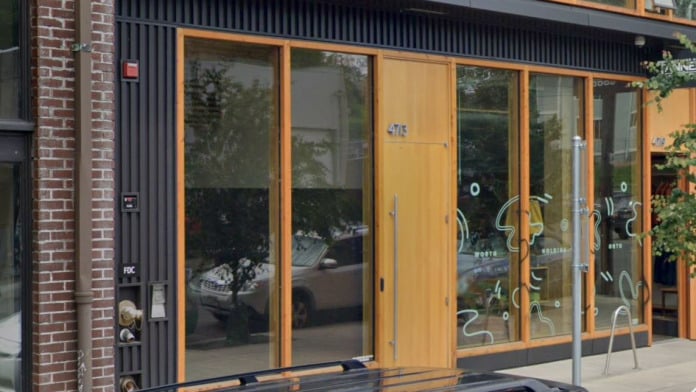
Tree House Recovery PDX
1
Top 10 Rehab Centers In Portland



















































































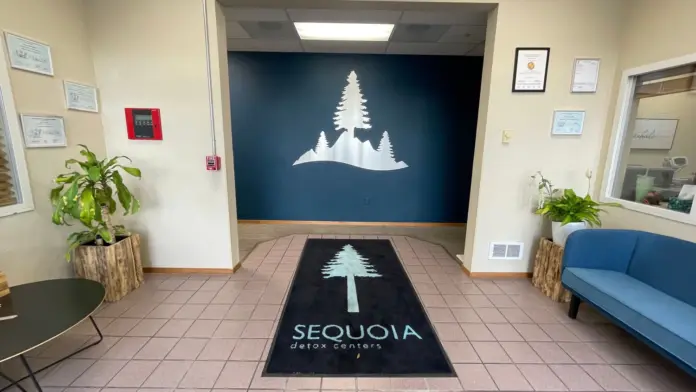
Detox is often the first step in recovery for many. Their boutique facility offers a calm living space to withdraw from substances comfortably. You can access 24/7 medical supervision throughout your process. They use a holistic approach, ensuring you not only quit substances but work on the underlying causes of addiction.
What stands out most to me is their impressive campus. You can access a safe, private environment with cozy bedrooms and exclusive amenities, including nutritious, chef-prepared meals. They provide a home away from home to detox safely and plan your next treatment steps.
Another wonderful feature I noticed was your therapeutic experience begins in detox. While detox is just the first step in treatment, they provide proven proven interventions throughout your stay. You’ll benefit from a customized detox plan, with private therapy, group activities, and education sessions. I think this is great because they expose you to therapy early so you can start working toward recovery as soon as possible.
Lastly, I think their seamless transition to other levels of care is great. While in detox, you’ll work with a discharge planner to help determine your next treatment steps. They can connect you to their sister inpatient and various outpatient programs. That way, you won’t only leave detox with a path to sustained recovery. You can also continue receiving care from the same organization if you enjoy their services.



 Our Methodology





Private insurance refers to any kind of healthcare coverage that isn't from the state or federal government. This includes individual and family plans offered by an employer or purchased from the Insurance Marketplace. Every plan will have different requirements and out of pocket costs so be sure to get the full details before you start treatment.
Self-pay involves paying for treatment out of your own pocket. You can use savings or credit, get a personal loan, or receive help from family and friends to fund your treatment. If you don't have insurance or your insurance plan doesn't cover a specific program, self-pay can help ensure you still get the care you need.
Medicare is a federal program that provides health insurance for those 65 and older. It also serves people under 65 with chronic and disabling health challenges. To use Medicare for addiction treatment you need to find a program that accepts Medicare and is in network with your plan. Out of pocket costs and preauthorization requirements vary, so always check with your provider.
Clients enrolled in an outpatient rehab program typically engage in multiple therapeutic sessions each week, but reside in their own homes and communities while receiving care. Outpatient treatment typically involves extensive addiction counseling, including family and group therapy. Most programs also emphasize recovery-focused life skills training and medical, mental health, and social support services to promote clients' sustained sobriety. Evening, night, weekend, and virtual services are widely available to accommodate the schedules of working professionals, students, and caregivers.
Residential treatment programs are those that offer housing and meals in addition to substance abuse treatment. Rehab facilities that offer residential treatment allow patients to focus solely on recovery, in an environment totally separate from their lives. Some rehab centers specialize in short-term residential treatment (a few days to a week or two), while others solely provide treatment on a long-term basis (several weeks to months). Some offer both, and tailor treatment to the patient's individual requirements.
Intensive outpatient programs (IOP) are frequently used to facilitate clients' transition from inpatient to outpatient care. Clients who are more stable may also choose to enter IOP rather than a residential rehab following detox. Intensive outpatient treatment typically consists of nine to 20 therapeutic hours per week, with services ranging from psychotherapy to recovery education to holistic care. Many programs offer medication assisted treatment (MAT) for opioid and/or alcohol addiction.
12 step programs support participants' psychological, spiritual, and emotional development as integral to sustained recovery. Though 12 step recovery programs are based on the belief in a non-denominational higher power, religious affiliation is not required. Group meetings are paper-led, anonymous, free, and available daily, including on holidays, in most communities. Peer sponsors selected by the participants provide one-on-one coaching and support. Specialized formats are widely available, including programming for youth, seniors, and families.
With a partial hospitalization program (PHP), individuals can receive intensive rehab with the ability to return home each day. PHP treatment is often an alternative to inpatient hospitalization or a step-down option. PHP treatment typically requires at least 20 hours per week for approximately 90 days. Common components of PHP treatment plans include relapse prevention, medication management, and behavioral therapy services. Insurance coverage for PHP treatment is typically available, though coverage specifics depend on your insurance provider.
Medical detox is often the first step in addiction recovery and involves ridding the body of drugs and/or alcohol in a supervised inpatient setting. If you've become physically dependent on substances like alcohol, benzodiazepines (like Xanax), or opioids, quitting abruptly may cause uncomfortable or even dangerous side effects. In medically assisted detox, a team of medical professionals will help manage any potential withdrawal symptoms with the aim of keeping you as safe and comfortable as possible.
Adult rehab programs include therapies tailored to each client's specific needs, goals, and recovery progress. They are tailored to the specific challenges adult clients may face, including family and work pressures and commitments. From inpatient and residential treatment to various levels of outpatient services, there are many options available. Some facilities also help adults work through co-occurring conditions, like anxiety, that can accompany addiction.
Often, substance use disorder originates with negative thinking patterns. Cognitive behavioral therapy in Washington is designed to help individuals change these patterns of thought, which leads to changes in behavior and freedom from addiction.
Dialectical behavior therapy (DBT) is a highly structured form of therapy that teaches skills to help participants change negative thoughts and behaviors. Applying a philosophy of acceptance and change, you'll learn and practice these skills to break unhealthy patterns and establish healthy ones.
Group therapy is a safe space that offers you a confidential environment to openly discuss your challenges with addiction and the progress you're making without fear of judgment. Group therapy participants share responsibility for recovery, which fosters a collective commitment to sobriety.
Individual therapy sessions for drug and alcohol addiction treatment emphasize the importance of personalized care. Your therapist works with you to understand your unique life experiences and develop effective coping mechanisms to address your underlying issues. This comprehensive approach to recovery is the foundation of drug rehab.
One goal of family therapy is to provide a platform where members have a safe place to talk about the challenges that addiction has created in their lives. Using guided sessions, therapists help individual family members develop healthy communication skills and address unresolved issues between themselves to support their loved one's sobriety.
 Yoga Studio
  Residential Setting
  Private Rooms
LegitScript has reviewed Sequoia Detox Centers as part of their certification program, and has determined that it meets the LegitScript standards for legality, safety and transparency.
LegitScript verified in November 2021

The Joint Commission, formerly known as JCAHO, is a nonprofit organization that accredits rehab organizations and programs. Founded in 1951, the Joint Commision's mission is to improve the quality of patient care and demonstrating the quality of patient care.
Joint Commission Accreditation: Yes
Rehab.com regularly reviews this listing for accuracy but changes may occur between updates. For the most up-to-date information, please contact Sequoia Detox Centers.

10305 E Montgomery Drive
Spokane, WA 99206
Sponsored Helpline

You’re either in their click or you’re not. They treat you great until you graduate and ove they stop collecting your insurance money they drop you like a bad habit. Probably hoping you’ll be a repeat customer.


I have tried to reach out for over a week.. no one replies. Phone, text, email.. nothing .😢

I just started outpatient PHP there but so far I love this place highly recommend
 Back
Back
Sharing your insights and experiences can help others learn more about this rehab center.

 Written By: Mariah Bourne
M.A.
Written By: Mariah Bourne
M.A.


