































































































The therapists are very knowledgeable, their advice has been very useful for my recovery. The staff, in general, is friendly and compassionate, this center is the best place to seek help in the area.
About Shephearst Meadows
Shephearst Meadows is a women focused outpatient treatment center in Flowood, Mississippi, offering intensive outpatient programming for addiction and mental health concerns. The center provides specialized tracks for substance use, behavioral addictions, depression, anxiety, PTSD, bipolar disorder and grief, alongside individual, family and couples therapy.
Shephearst Meadows creates a safe, supportive environment where women can address trauma, reduce shame and build lasting recovery with compassionate, multidisciplinary care.
Women Only Intensive Outpatient Programs for Addiction and Mental Health
Shephearst Meadows offers separate iops for addiction and mental health, both tailored exclusively for women. The addiction iop addresses substance use, alcohol, prescription medications, illicit drugs and compulsive behaviors, including eating disorders and sexual behavior, while the mental health iop targets co occurring conditions such as depression, anxiety and trauma.
Treatment integrates psychiatrist services with evidence based therapies including emdr and internal family systems. Sessions combine group support, skill building and individual work to address root causes and day to day challenges. Clients consistently describe the program as a safe place to heal, with one noting the team “made my recovery goals possible,” and another sharing “they never gave up on me.”
Intimacy Disorders And Betrayal Trauma Support
The center offers specialty groups addressing intimacy disorders, codependency, love addiction, sex addiction and betrayal trauma related to partner infidelity, or emotional affairs. These groups incorporate guided journaling, mindfulness, breathwork and trauma informed yoga led by licensed therapists, providing tools to rebuild trust, process pain and reclaim self worth in a women only setting.
Access and Getting Started
Shephearst Meadows serves clients in person at its Flowood, Mississippi, location on Stone Creek Boulevard. The multidisciplinary team includes psychiatrists and licensed therapists offering comprehensive outpatient stabilization and growth.
The center accepts major insurance plans, including Blue Cross Blue Shield of Mississippi, Aetna, Cigna, UnitedHealthcare and Humana, plus self pay and sliding scale options.
Latest Reviews
I have been in this program for a month. While I have a lot of work to do, they have been so easy to work with. Each session has brought me closer to a place of understanding and peace. If you are struggling, I highly encourage you to see if this program is a good fit for you. DISCLAIMER: No program will be beneficial if you are not willing to put in the work that is required. In my opinion Shephearst Meadows gives you the tools and support to do that work to get the best possible results.
Not caring or devoted staff. Yawning while in session, completely causing me to just shut down again, very disappointed with this so-called professionalism. Edit: I've since changed therapist, it's alot better!
Shephearst Meadows is a SAFE place to heal. I have only had the best experience from the front staff to my counselor! I would recommend Shephearst Meadows to anyone needing a safe place for healing council. Thank you for all you have done for me and my healing journey!

Rehab Score
 Our Methodology
Scoring is assigned by a proprietary system which helps surface key metrics that determine quality. The 10-point scale factors in categories such as operations, customer satisfaction, and trust metrics. Read Full Methodology

7 / 10
Gallery


Accepted Insurance
Other Forms of Payment
Private insurance refers to any kind of healthcare coverage that isn't from the state or federal government. This includes individual and family plans offered by an employer or purchased from the Insurance Marketplace. Every plan will have different requirements and out of pocket costs so be sure to get the full details before you start treatment.
Self-pay involves paying for treatment out of your own pocket. You can use savings or credit, get a personal loan, or receive help from family and friends to fund your treatment. If you don't have insurance or your insurance plan doesn't cover a specific program, self-pay can help ensure you still get the care you need.
Sliding scale payments are based on a client's income and family size. The goal is to make treatment affordable to everyone. By taking these factors into account, addiction recovery care providers help ensure that your treatment does not become a financial burden to you or your family, eliminating one barrier to care.
Addiction Treatments
Levels of Care
Outpatient Programs (OP) are for those seeking mental rehab or drug rehab, but who also stay at home every night. The main difference between outpatient treatment (OP) and intensive outpatient treatment (IOP) lies in the amount of hours the patient spends at the facility. Most of the time an outpatient program is designed for someone who has completed an inpatient stay and is looking to continue their growth in recovery. Outpatient is not meant to be the starting point, it is commonly referred to as aftercare.
Clients in an intensive outpatient program (IOP) require substantive support as they prepare to transition into standard outpatient (OP) care or community-based recovery programs, such as AA. Most IOP clients are in early recovery or are at an elevated relapse risk. Intensive outpatient treatment generally involves multiple, extended sessions weekly. Many programs require clients to participate in a minimum of nine therapeutic hours weekly. The most common treatment modalities include psychotherapy, recovery education, and medication assisted treatment.
Treatments
The goal of treatment for alcoholism is abstinence. Those with poor social support, poor motivation, or psychiatric disorders tend to relapse within a few years of treatment. For these people, success is measured by longer periods of abstinence, reduced use of alcohol, better health, and improved social functioning. Recovery and Maintenance are usually based on 12 step programs and AA meetings.
For those seeking help with addiction, a drug rehab in Mississippi offers the necessary care to achieve long-term recovery. Options include inpatient, residential, partial hospitalization, intensive outpatient, and long-term drug rehab in Mississippi.
Many of those suffering from addiction also suffer from mental or emotional illnesses like schizophrenia, bipolar disorder, depression, or anxiety disorders. Rehab and other substance abuse facilities treating those with a dual diagnosis or co-occurring disorder administer psychiatric treatment to address the person's mental health issue in addition to drug and alcohol rehabilitation.
A combined mental health and substance abuse rehab has the staff and resources available to handle individuals with both mental health and substance abuse issues. It can be challenging to determine where a specific symptom stems from (a mental health issue or an issue related to substance abuse), so mental health and substance abuse professionals are helpful in detangling symptoms and keeping treatment on track.
Opioid rehabs specialize in supporting those recovering from opioid addiction. They treat those suffering from addiction to illegal opioids like heroin, as well as prescription drugs like oxycodone. These centers typically combine both physical as well as mental and emotional support to help stop addiction. Physical support often includes medical detox and subsequent medical support (including medication), and mental support includes in-depth therapy to address the underlying causes of addiction.
Clinical Services
In individual therapy, a patient meets one-on-one with a trained psychologist or counselor. Therapy is a pivotal part of effective substance abuse treatment, as it often covers root causes of addiction, including challenges faced by the patient in their social, family, and work/school life.
Trauma therapy addresses traumatic incidents from a client's past that are likely affecting their present-day experience. Trauma is often one of the primary triggers and potential causes of addiction, and can stem from child sexual abuse, domestic violence, having a parent with a mental illness, losing one or both parents at a young age, teenage or adult sexual assault, or any number of other factors. The purpose of trauma therapy is to allow a patient to process trauma and move through and past it, with the help of trained and compassionate mental health professionals.
Whether a marriage or other committed relationship, an intimate partnership is one of the most important aspects of a person's life. Drug and alcohol addiction affects both members of a couple in deep and meaningful ways, as does rehab and recovery. Couples therapy and other couples-focused treatment programs are significant parts of exploring triggers of addiction, as well as learning how to build healthy patterns to support ongoing sobriety.
Research clearly demonstrates that recovery is far more successful and sustainable when loved ones like family members participate in rehab and substance abuse treatment. Genetic factors may be at play when it comes to drug and alcohol addiction, as well as mental health issues. Family dynamics often play a critical role in addiction triggers, and if properly educated, family members can be a strong source of support when it comes to rehabilitation.
Amenities
-
 Private Setting
Staff
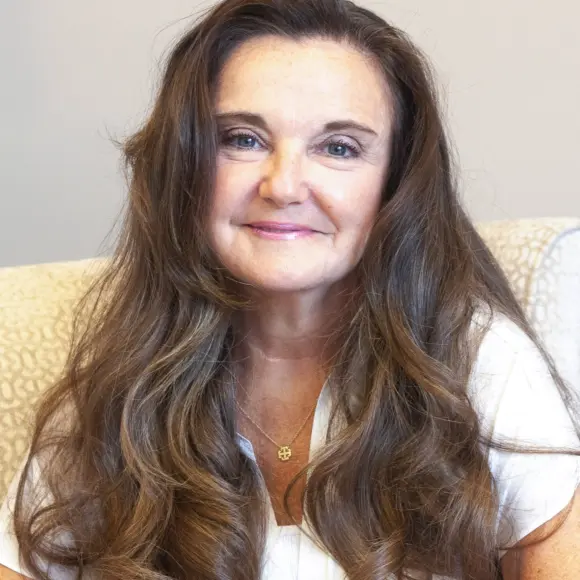
Cynthia Hearst-Turner
Clinical Director
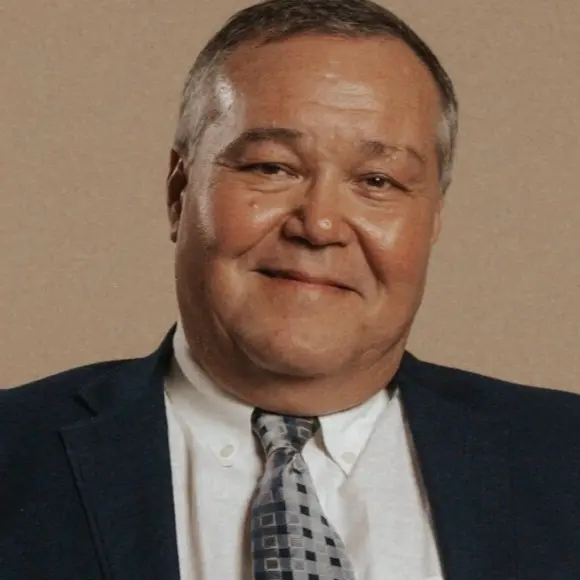
John Turner
CFO
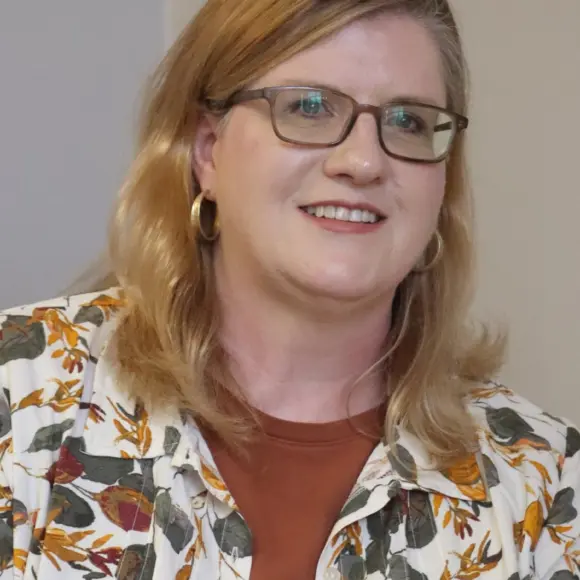
Katie McNeece
Front Office Administrator
Rehab.com regularly reviews this listing for accuracy but changes may occur between updates. For the most up-to-date information, please contact Shephearst Meadows.
Contact Information

120 Stone Creek Blvd
#100
Flowood, MS 39232
Get Help Now - 601-439-6848
Sponsored Helpline
Sponsored Helpline


