










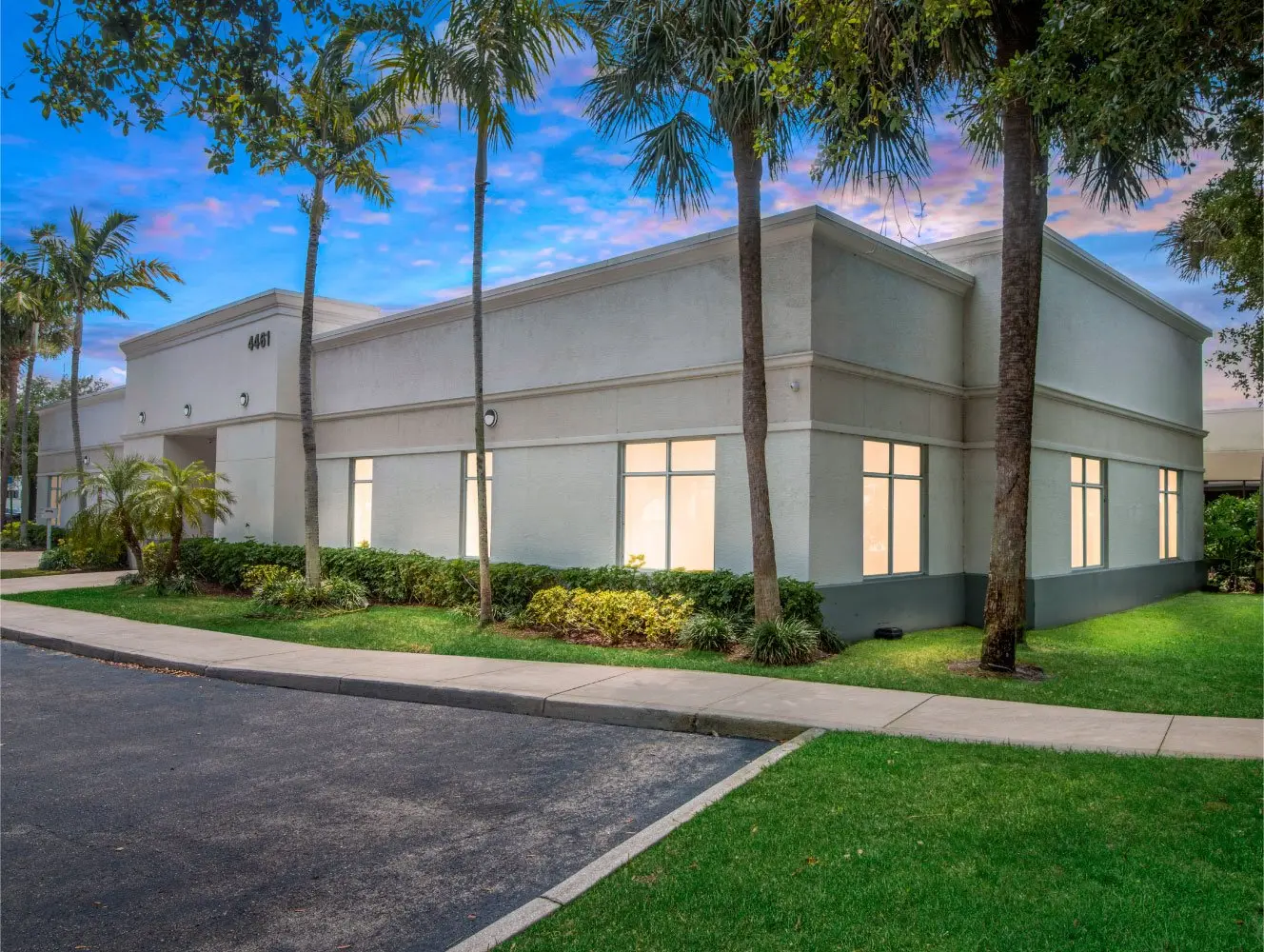
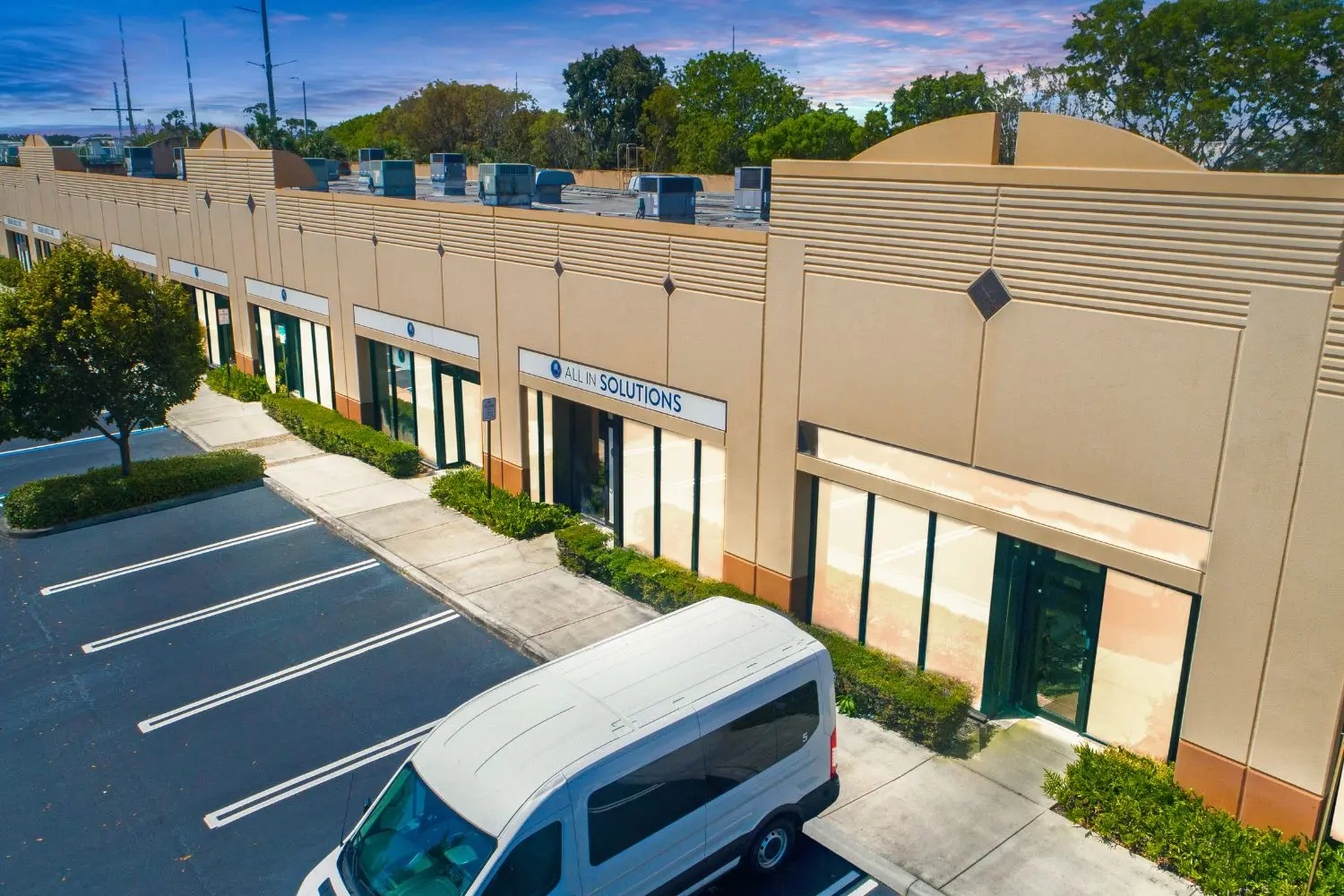
All In Solutions Wellness Center
1
Top 10 Rehab Centers In West Palm Beach



















































































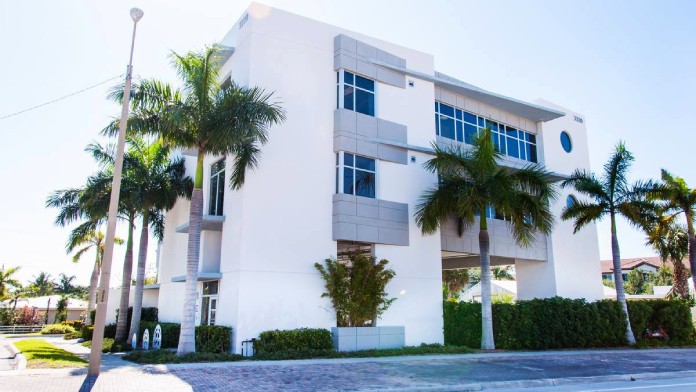
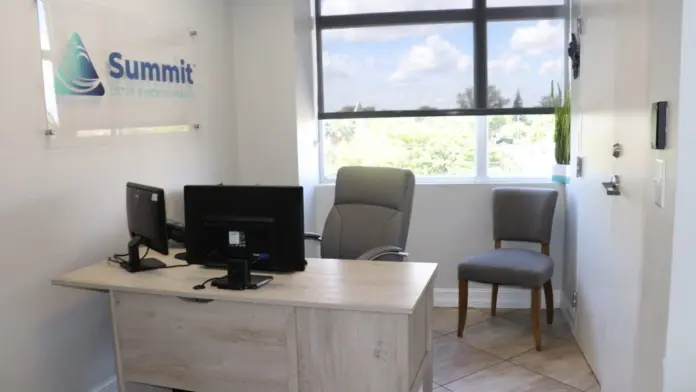
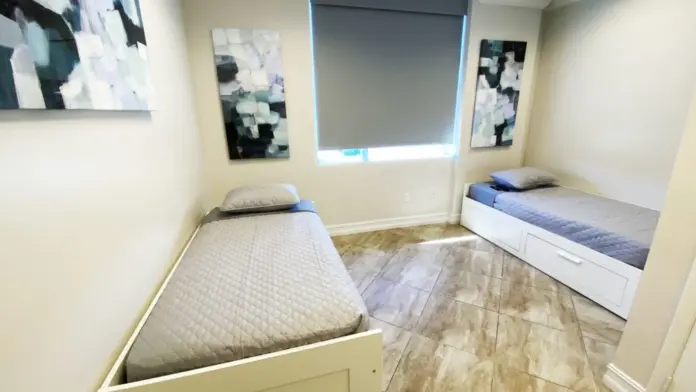
During inpatient programming, you can expect 24-hour care with medically supported withdrawal and detox. The medical team will give you an assessment, blood testing to detect substances, a psychological assessment, and a social assessment. Prescription medications help eliminate your withdrawal symptoms, reduce your drug cravings, and help you reach long term recovery. You’ll also engage in individual, group, and family therapy sessions. In these sessions you’ll learn coping skills and tools and gain community support. While in sessions you’ll participate in cognitive behavioral therapy and relapse prevention.
Therapy will help you with negative emotions, develop stronger coping skills, and teach you how to navigate life changes. They’ll help you identify relapse triggers, learn mindfulness, and organize living arrangements following discharge.
Summit Detox is in-network with TRICARE, Aetna, Cigna, and Blue Cross Blue Shield. They will run a free verification of your insurance plan and costs when you call their facility.
Former clients mention feeling safe and comfortable and that treatment was a pleasant experience for them.

 20
20  91+
91+ 
 Our Methodology




Private insurance refers to any kind of healthcare coverage that isn't from the state or federal government. This includes individual and family plans offered by an employer or purchased from the Insurance Marketplace. Every plan will have different requirements and out of pocket costs so be sure to get the full details before you start treatment.
Self-pay involves paying for treatment out of your own pocket. You can use savings or credit, get a personal loan, or receive help from family and friends to fund your treatment. If you don't have insurance or your insurance plan doesn't cover a specific program, self-pay can help ensure you still get the care you need.
Military members, veterans, and eligible dependents have access to specific insurance programs that help them get the care they need. TRICARE and VA insurance can help you access low cost or no cost addiction and mental health treatment. Programs that accept military insurance often have targeted treatment focused on the unique challenges military members, veterans, and their families face.
Rehab aftercare programs are a collection of highly individualized services designed to promote long-term recovery. These services evolve as your needs change. Case managers and recovery teams typically begin formulating the rehab aftercare service plan early in the recovery process to facilitate your reintegration back into the home, workplace, and community.
12-step programs are addiction recovery models based on Alcoholics Anonymous (AA). A number of substance abuse programs (including some drug and alcohol rehab centers) use the 12 steps as a basis for treatment. Beginning steps involve admitting powerlessness over the addiction and creating a spiritual basis for recovery. Middle steps including making direct amends to those who've been hurt by the addiction, and the final step is to assist others in addiction recovery in the same way. 12-Step offshoots including Narcotics Anonymous (NA), Cocaine Anonymous (CA), Dual Recovery Anonymous (DRA), Sex and Love Addicts Anonymous (SLAA) and Gamblers Anonymous (GA).
If a person with a substance use disorder continually denies their problem or refuses to get treatment, a drug intervention in Florida may be necessary. Intervention services can help mediate the intervention by providing an addiction expert. This professional can de-escalate situations and facilitate a healthier discussion between the individual and their loved ones. Specialists can also help families handle issues they don't know how to navigate on their own.
At certain points in the recovery process, it's important to have support available 24/7. 24-hour clinical care offers a safe environment in which to recover from drug or alcohol addiction in peace, knowing medical detox and other treatment will happen with professionals on hand.
Drug detox is the first step in the recovery process and living a sober life. After the actual medical process of detoxification, most enter a treatment program where skills, self-awareness and knowledge are gained to continue to live a substance-free life. Detoxification focuses on ridding the body of the drug of choice and treating the withdrawal symptoms as they appear. At Summit Detox, they offer medically supervised detoxification. Depending on the substance, there are a variety of medications administered to safely and comfortably step the client down from their addiction. The traditional medical treatment is complemented with a holistic component of diet, nutritional supplementation, and chiropractic therapy. They understand that addiction is psychological and physical. During and after detox, their staff therapist works with clients to start psychotherapeutic treatment as well as beginning to identify the underlying reasons for the addiction. Their team works to develop a plan and offers next treatment steps and options after detox.
The goal of treatment for alcoholism is abstinence. Those with poor social support, poor motivation, or psychiatric disorders tend to relapse within a few years of treatment. For these people, success is measured by longer periods of abstinence, reduced use of alcohol, better health, and improved social functioning. Recovery and Maintenance are usually based on 12 step programs and AA meetings.
Drug rehab in Florida provides quality treatment to help individuals overcome dependency related to a wide range of addictive substances. Programs address both the physical and mental aspects of addiction in order to help you make a full recovery.
Opioid rehabs specialize in supporting those recovering from opioid addiction. They treat those suffering from addiction to illegal opioids like heroin, as well as prescription drugs like oxycodone. These centers typically combine both physical as well as mental and emotional support to help stop addiction. Physical support often includes medical detox and subsequent medical support (including medication), and mental support includes in-depth therapy to address the underlying causes of addiction.
Substance rehabs focus on helping individuals recover from substance abuse, including alcohol and drug addiction (both illegal and prescription drugs). They often include the opportunity to engage in both individual as well as group therapy.
Adult rehab programs include therapies tailored to each client's specific needs, goals, and recovery progress. They are tailored to the specific challenges adult clients may face, including family and work pressures and commitments. From inpatient and residential treatment to various levels of outpatient services, there are many options available. Some facilities also help adults work through co-occurring conditions, like anxiety, that can accompany addiction.
Young adulthood can be an exciting, yet difficult, time of transition. Individuals in their late teens to mid-20s face unique stressors related to school, jobs, families, and social circles, which can lead to a rise in substance use. Rehab centers with dedicated young adult programs will include activities and amenities that cater to this age group, with an emphasis on specialized counseling, peer socialization, and ongoing aftercare.
Recovery is most successful when clients feel accepted and validated by their peers and treatment providers. Facilities that offer LGBTQ-inclusive programming are committed to creating a safe space where everyone can grow and recover without fear of judgment or discrimination. They will have dedicated policies in place to create a safe and supportive environment that fosters free expression.
Serving in the military is both mentally and physically challenging, and can result in trauma that persists even after combat ends. Military programs are tailored to the specific and often complex needs of active duty personnel, veterans, and military families. Clients often access these programs through the U.S. Department of Veterans Affairs (VA).
Therapists who apply cognitive behavioral therapy in Florida believe patient thoughts and behaviors are closely linked. They use this treatment method to help clients change their thought patterns so they can also change behaviors and break free from substance abuse.
Group therapy provides a safe and supportive environment for people in Florida who are struggling with drug addiction. There you can openly discuss the challenges and progress you're making without fear of judgment from your peers who experience many of the same things you are.
In individual therapy, a patient meets one-on-one with a trained psychologist or counselor. Therapy is a pivotal part of effective substance abuse treatment, as it often covers root causes of addiction, including challenges faced by the patient in their social, family, and work/school life.
As a short term therapeutic method, motivational interviewing in Florida requires only a couple of sessions. During these sessions, you'll have the opportunity to talk about your circumstances and any discrepancies between your current situation and future goals. You'll then decide for yourself what changes you want to make.
Trauma therapy helps you work through the psychological impact that traumatic events have had on your life. Your therapist helps you identify the physical, emotional, and mental triggers and develop coping mechanisms. This helps rebuild a sense of safety and trust in yourself and others.
During couples therapy in Florida, your therapist will take steps to get to know you, help you identify feelings, explore the past, develop solutions, and help you learn skills to manage relationship challenges. This process will allow you to work through conflict and strengthen your relationship.
During family therapy sessions, you navigate the complexities of addiction and are provided tools to help improve communication and resolve conflicts. When you work together, families can better support their loved one's recovery and restore balance and harmony within the household.
Life skills are the core skills you need for daily success. They can include self care, stress management, daily routines, and emotion control. Rehab treatment includes the development of these skills so you have the tools you need for long term recovery.
One benefit of nicotine replacement therapy (NRT) in Florida is variety. NRT comes in multiple forms that you can use in different ways. This allows you to choose the form that works best with your needs and lifestyle. Your options include gum, patches, inhalers, and prescription medication.
 Private Transportation
The Substance Abuse and Mental Health Services Administration (SAMHSA) is a branch of the U.S. Department of Health and Human Services. Established in 1992 by congress, SAMHSA's mission is to reduce the impact of substance abuse and mental illness on American's communities.
SAMHSA Listed: Yes

The Joint Commission, formerly known as JCAHO, is a nonprofit organization that accredits rehab organizations and programs. Founded in 1951, the Joint Commision's mission is to improve the quality of patient care and demonstrating the quality of patient care.
Joint Commission Accreditation: Yes
Accreditation Number: 578822
Rehab.com regularly reviews this listing for accuracy but changes may occur between updates. For the most up-to-date information, please contact Summit Detox, Inc..

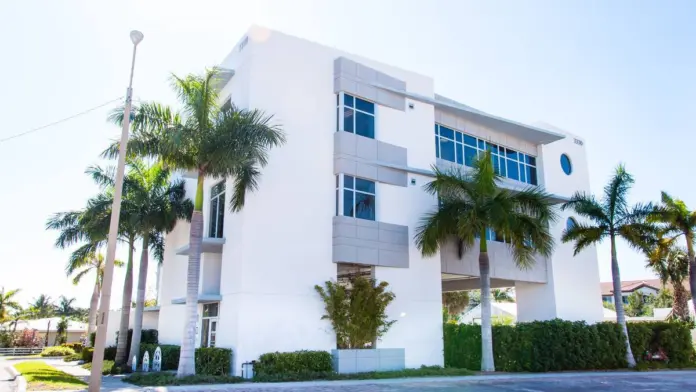
3330 Federal Hwy
Boynton Beach, FL 33435
Sponsored Helpline

When my husband and I first came here everyone from admissions to the driver was absolutely amazing. When we got to the facility Michelle was doing my intake and after doing my UA and pregnancy test my pregnancy test came back positive. They advised me that I would need to go to the hospital to see if my baby was “dead or alive”. If it was not alive Michelle told me I could come back to the facility to finish treatment and if I was confined pregnant I would be transferred to another facility to detox properly there. Seeing as I was not even late for my cycle I already knew there would be no way to determine if there was a heartbeat or not since it was too soon but I went to the hospital anyways. They were going to drop me off at the emergency room at 10pm with all of my luggage and belongs and just leave me there. Hours later blood tests confirmed I was not pregnant. As soon as the facility heard that they did not to take me back since my husband was at the facility. They left me up at the hospital with no ride and no way to get back to my vehicle and then lied and said they never told me I could come back. If that was the case my husband would have gone with me. The whole process of being told I was pregnant, finding out I wasn’t, and then being lied to was absolutely traumatic and I would not suggest going to this facility at all. They are liars and did not care about someone they thought could be pregnant. If you have Ambetter or Florida Blue through marketplace please try The Haven Detox. This place was absolutely amazing!!!

I cannot say enough about the exceptional care and support provided by Summit Detox Center. From the moment I arrived, I was met with compassion, professionalism, and a genuine desire to help me succeed on my path to recovery. The staff is incredibly knowledgeable, attentive, and always available when I needed guidance or encouragement. The detox process, which I was initially nervous about, was made as comfortable as possible. The medical team carefully monitored my progress and adjusted my treatment plan to meet my specific needs. I felt safe and well taken care of at every stage. In addition to the medical support, the counseling and therapy sessions were transformative. The therapists helped me understand the root causes of my addiction and gave me practical tools to maintain my sobriety once I left. The holistic approach, including group therapy, mindfulness exercises, and nutrition, really made a difference in my overall well-being. The facilities were clean and welcoming, and the environment was designed to promote healing and relaxation. I’m truly grateful for the positive impact this center has had on my life, and I highly recommend it to anyone seeking compassionate, effective help in their recovery journey. By the way, Amanda, Carolyn, and Walter were the best.

Very accommodating and caring place! All the techs and staff are very nice and thoughtful when it comes to your recovery.

My experience was amazing. The staff were absolutely very friendly and helpful with me during my time there! They go above and beyond to ensure that we have everything we need to make it very successful for transition! Shoutout to Sebastian, Mary,Jermaine, Walter Arlene and the entire staff for their incredible performance in this first round of my recovery and shout out to the nursing staff faith Dylan NaKeisha Kim !
 Back
Back
Sharing your insights and experiences can help others learn more about this rehab center.

 Written By: Kelly Junco
CPC, CPRC, BA, BS Certified Professional Coach, Certified Professional Recovery Coach, Author
Written By: Kelly Junco
CPC, CPRC, BA, BS Certified Professional Coach, Certified Professional Recovery Coach, Author
