Everyone knows that in order to treat someone with a condition as delicate as an addiction a lot of patience is needed and in Sunchine BH case that is exactly what they lack of.
About Sunshine Terrace and Behavioral Health
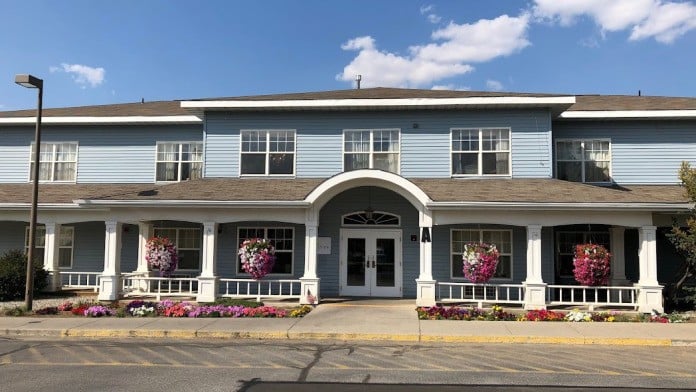
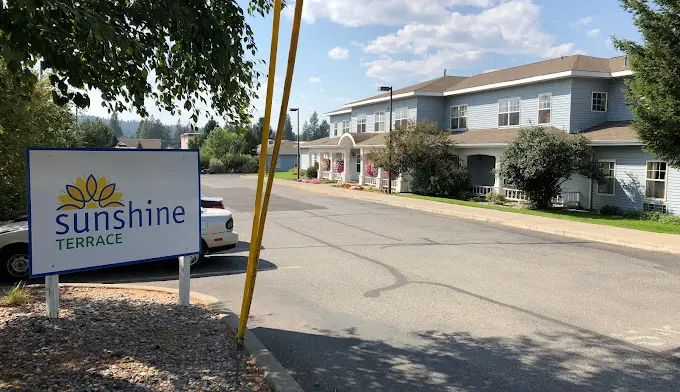
Located in Spokane, Washington is the Sunshine Terrace and Behavioral Health Campus. This campus provides residential treatment to men and women who are struggling with a behavioral health condition.
While the care here is primarily focused on helping you manage mental health struggles you might be facing, they will also support you if you have a co occurring diagnosis including struggles with substance use.
A Peaceful and Therapeutic Environment for Recovery
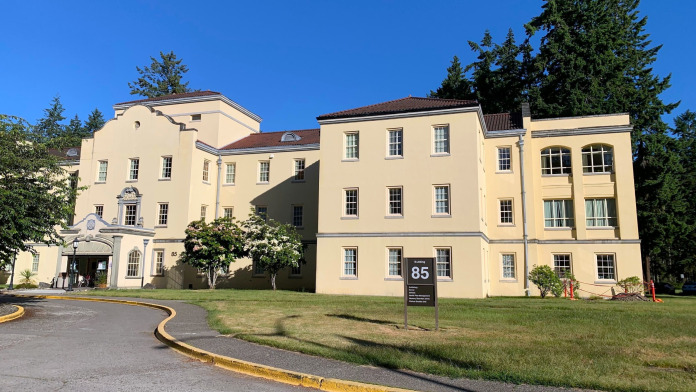
The Spokane, Washington campus is incredibly charming. This is a two level, co ed building that features both private rooms and shared suites. You’ll find amenities including inviting day rooms where recreational activities take place. There’s also a large activity room, a library, and a beautiful atrium.
You’ll find a home like feel throughout the facility, making it a comfortable place for you to focus on your health and wellness.
Evidence Based Care
Their approach to care is individualized. Whatever mental health challenges you’re facing, the treatment team employs evidence based strategies including cognitive behavioral therapy and dialectical behavioral therapy to help you get to the root cause of your mental health issues.
Along with modern, proven therapies, they also employ a faith based approach to care here and will encourage you to tap into your spiritual side for continued motivation. You don’t have to be a person of faith to receive services here, however.
Targeted Care for Co Occurring Diagnoses
Mental health illnesses can arise from a variety of life experiences and often they might be accompanied by substance use, whether it be recreational or a more severe diagnosis.
Your substance use struggles will be addressed at this center. You’ll work with a treatment team that will help you understand the root cause of your substance use struggles, how they relate to your mental health struggles, and how you can plan forward in a direction that’s healthy and productive.

Facility Overview
Latest Reviews
Sunshine Terrace strives for an exceptional patient experiences and care, we would like to talk to you in person. Please call us at 509.926.3547 Ext 6003.
Rehab Score
Gallery
Other Forms of Payment
Private insurance refers to any kind of healthcare coverage that isn't from the state or federal government. This includes individual and family plans offered by an employer or purchased from the Insurance Marketplace. Every plan will have different requirements and out of pocket costs so be sure to get the full details before you start treatment.
Self-pay involves paying for treatment out of your own pocket. You can use savings or credit, get a personal loan, or receive help from family and friends to fund your treatment. If you don't have insurance or your insurance plan doesn't cover a specific program, self-pay can help ensure you still get the care you need.
Financial aid can take many forms. Centers may have grants or scholarships available to clients who meet eligibility requirements. Programs that receive SAMHSA grants may have financial aid available for those who need treatment as well. Grants and scholarships can help you pai for treatment without having to repay.
Medicare is a federal program that provides health insurance for those 65 and older. It also serves people under 65 with chronic and disabling health challenges. To use Medicare for addiction treatment you need to find a program that accepts Medicare and is in network with your plan. Out of pocket costs and preauthorization requirements vary, so always check with your provider.
Addiction Treatments
Levels of Care
Clients enrolled in an outpatient rehab program typically engage in multiple therapeutic sessions each week, but reside in their own homes and communities while receiving care. Outpatient treatment typically involves extensive addiction counseling, including family and group therapy. Most programs also emphasize recovery-focused life skills training and medical, mental health, and social support services to promote clients' sustained sobriety. Evening, night, weekend, and virtual services are widely available to accommodate the schedules of working professionals, students, and caregivers.
Residential treatment programs are those that offer housing and meals in addition to substance abuse treatment. Rehab facilities that offer residential treatment allow patients to focus solely on recovery, in an environment totally separate from their lives. Some rehab centers specialize in short-term residential treatment (a few days to a week or two), while others solely provide treatment on a long-term basis (several weeks to months). Some offer both, and tailor treatment to the patient's individual requirements.
Rehab aftercare programs support clients as they focus on maintaining their sobriety after intensive (often inpatient) treatment. These programs adhere to a model of life-long recovery, addressing addiction disease as a chronic, relapsing condition. Rehab aftercare services vary widely based on the specific and evolving needs of the client, but often include peer coaching, relapse prevention support, and 12 step program induction. Clients, case managers, and care teams typically collaborate on long-term care plans.
24-hour clinical care in Washington includes a team of medical professionals who are on-site 24/7 to provide the care you need. Medical staff can provide medications and other physical treatment to help you safely navigate withdrawal. Counselors offer mental and emotional support. Other specialists who offer additional resources may include nutritionists, family therapists, and case managers.
Treatments
Many of those suffering from addiction also suffer from mental or emotional illnesses like schizophrenia, bipolar disorder, depression, or anxiety disorders. Rehab and other substance abuse facilities treating those with a dual diagnosis or co-occurring disorder administer psychiatric treatment to address the person's mental health issue in addition to drug and alcohol rehabilitation.
Mental health rehabs focus on helping individuals recover from mental illnesses like bipolar disorder, clinical depression, anxiety disorders, schizophrenia, and more. Mental health professionals at these facilities are trained to understand and treat mental health issues, both in individual and group settings.
Programs
Adult rehab programs include therapies tailored to each client's specific needs, goals, and recovery progress. They are tailored to the specific challenges adult clients may face, including family and work pressures and commitments. From inpatient and residential treatment to various levels of outpatient services, there are many options available. Some facilities also help adults work through co-occurring conditions, like anxiety, that can accompany addiction.
Young adulthood can be an exciting, yet difficult, time of transition. Individuals in their late teens to mid-20s face unique stressors related to school, jobs, families, and social circles, which can lead to a rise in substance use. Rehab centers with dedicated young adult programs will include activities and amenities that cater to this age group, with an emphasis on specialized counseling, peer socialization, and ongoing aftercare.
Clinical Services
Cognitive Behavioral Therapy (CBT) is a therapy modality that focuses on the relationship between one's thoughts, feelings, and behaviors. It is used to establish and allow for healthy responses to thoughts and feelings (instead of unhealthy responses, like using drugs or alcohol). CBT has been proven effective for recovering addicts of all kinds, and is used to strengthen a patient's own self-awareness and ability to self-regulate. CBT allows individuals to monitor their own emotional state, become more adept at communicating with others, and manage stress without needing to engage in substance abuse.
Dialectical Behavior Therapy (DBT) is a modified form of Cognitive Behavioral Therapy (CBT), a treatment designed to help people understand and ultimately affect the relationship between their thoughts, feelings, and behaviors. DBT is often used for individuals who struggle with self-harm behaviors, such as self-mutilation (cutting) and suicidal thoughts, urges, or attempts. It has been proven clinically effective for those who struggle with out-of-control emotions and mental health illnesses like Borderline Personality Disorder.

Group therapy is any therapeutic work that happens in a group (not one-on-one). There are a number of different group therapy modalities, including support groups, experiential therapy, psycho-education, and more. Group therapy involves treatment as well as processing interaction between group members.
In individual therapy, a patient meets one-on-one with a trained psychologist or counselor. Therapy is a pivotal part of effective substance abuse treatment, as it often covers root causes of addiction, including challenges faced by the patient in their social, family, and work/school life.

Trauma therapy addresses traumatic incidents from a client's past that are likely affecting their present-day experience. Trauma is often one of the primary triggers and potential causes of addiction, and can stem from child sexual abuse, domestic violence, having a parent with a mental illness, losing one or both parents at a young age, teenage or adult sexual assault, or any number of other factors. The purpose of trauma therapy is to allow a patient to process trauma and move through and past it, with the help of trained and compassionate mental health professionals.
One goal of family therapy is to provide a platform where members have a safe place to talk about the challenges that addiction has created in their lives. Using guided sessions, therapists help individual family members develop healthy communication skills and address unresolved issues between themselves to support their loved one's sobriety.
Life skills training in Washington involves relearning how to manage daily living. It boosts your abilities and confidence so you can overcome challenges both big and small, without returning to substance use.
Amenities
-
Gym
-
Wifi
-
Private Rooms
Contact Information
1102 South Raymond Road
Spokane Valley, WA 99206