All In Solutions Counseling Center
1
Top 10 Rehab Centers In Boynton Beach
















































































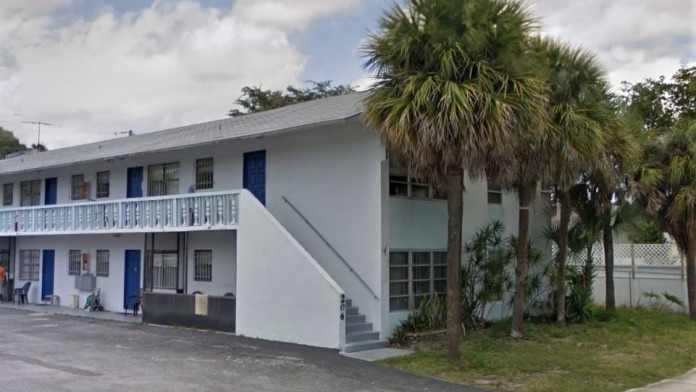
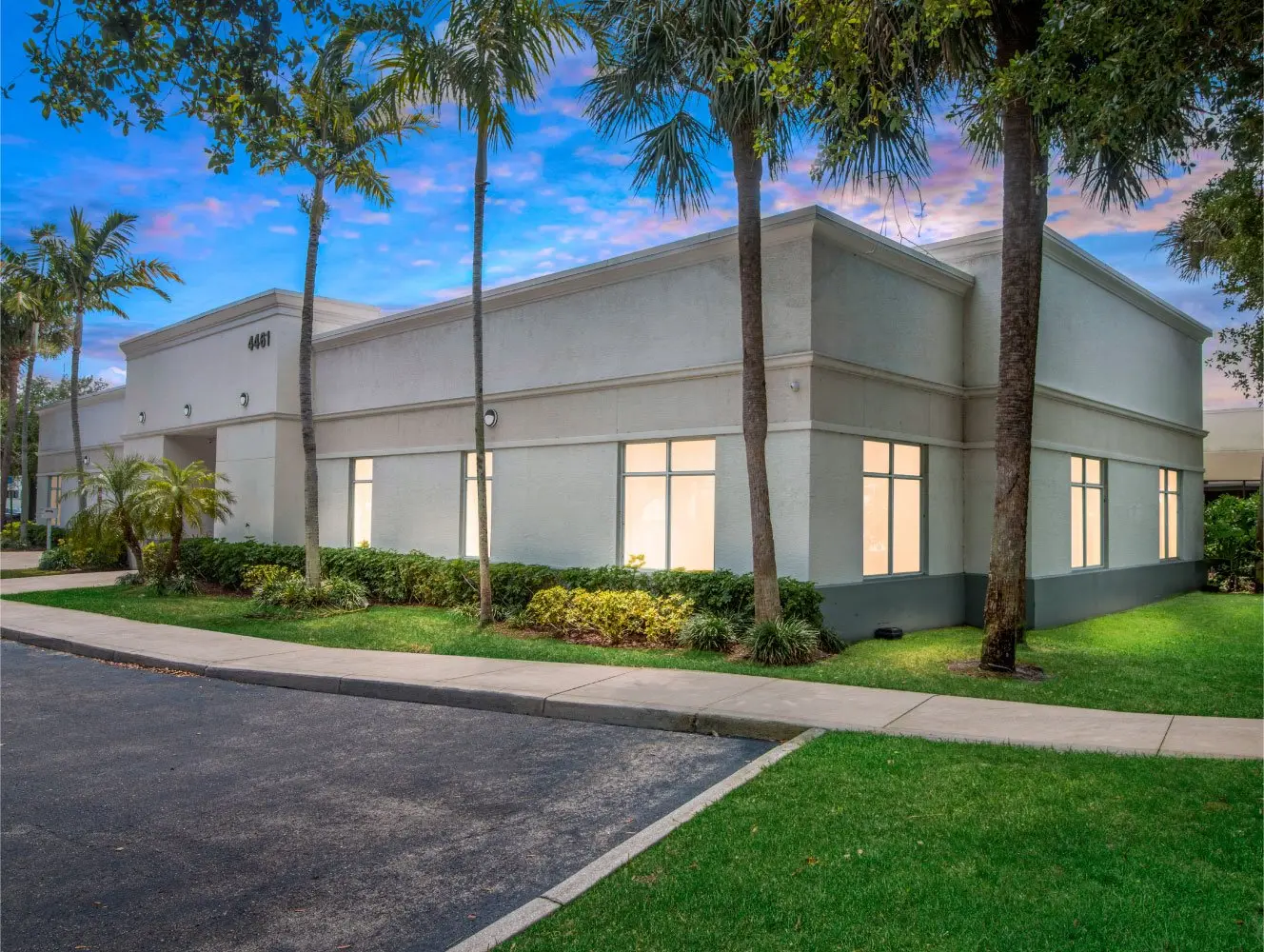
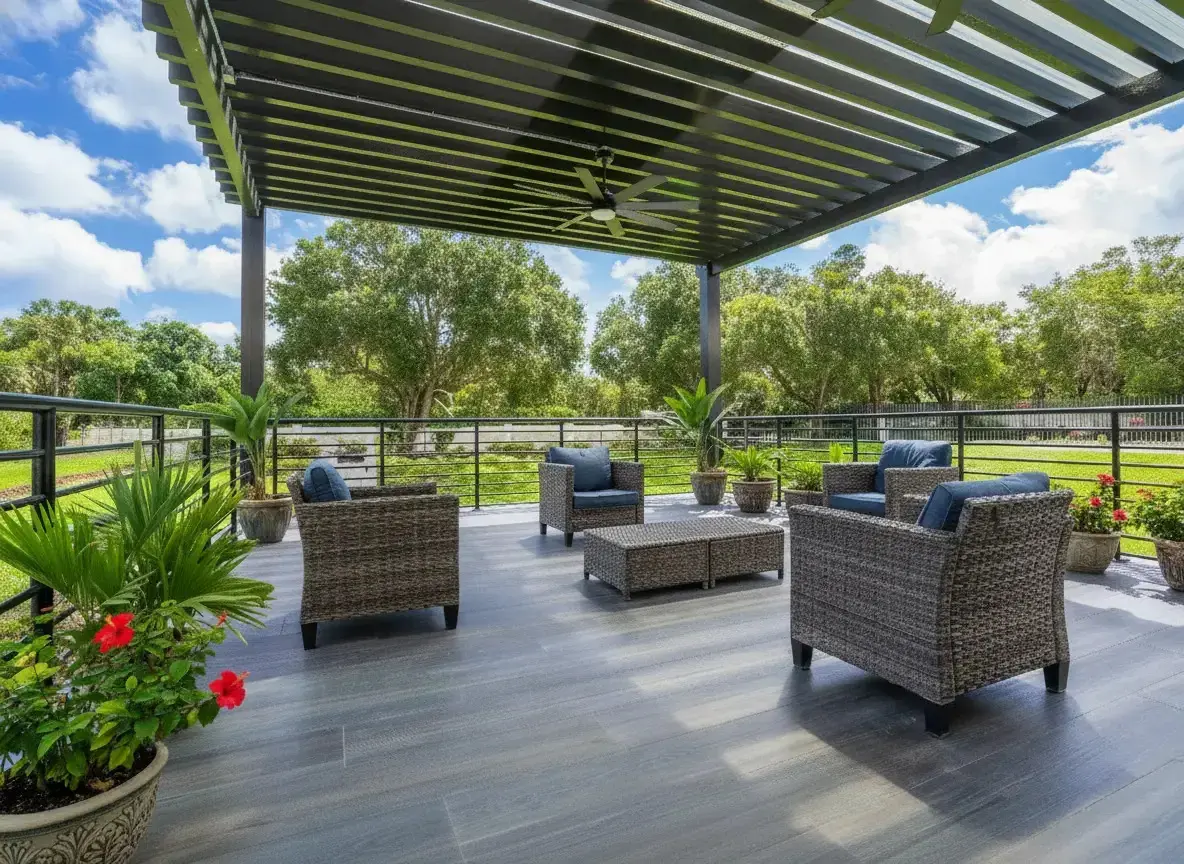
The experts at Swinton House work towards maintaining individuals’ sobriety by addressing substance use disorders. At the same time, they promote their residents’ personal change in a structured environment. They offer various support services to help you make progress in your recovery journey.
Integral to the program, however, is attendance to 12 Step meetings that foster community and consistent encouragement.They’ll help you develop coping strategies regarding issues such as pathological gambling besides helping you to find ways of avoiding relapse. Apart from recovery from drugs, they provide assistance with social services, such as finding steady work. Furthermore, resources like referrals to mental health practitioners, doctors, and other outpatient services are easily accessible to make sure you have access to the care you’ll need.
They’re far more than a residence where people live. They’re a community of professionals who understand the need for frameworks and support that are critical in the process of seeking recovery. Their team is always available, meaning that you’ll be able to get help as often as you need it.Their intense attention to the needs of individuals and the levels of care they offer make them a good ground for men who need to start over with a stable and protective environment. Due to their emphasis on responsibility and the promotion of interconnectedness, they set the stage for long-term development and recovery.
 $110
$110 
 Our Methodology


Self-pay involves paying for treatment out of your own pocket. You can use savings or credit, get a personal loan, or receive help from family and friends to fund your treatment. If you don't have insurance or your insurance plan doesn't cover a specific program, self-pay can help ensure you still get the care you need.
 Monthly
Sober Living Houses (SLHs), aka sober homes or halfway houses, are safe, substance-free, supportive living facilities for those recovering from substance abuse. Ideal for those who've just been through inpatient or outpatient treatment, SLHs are supervised environments with rules that support sobriety, such as curfews, shared chores, and therapeutic meetings. Residents are also often trained on life skills and coping skills to make it easier to transition into society. SLHs also provide a strong sense of community that can lead to the kind of deep and lasting connections with other sober individuals that supports a new, healthy lifestyle.
12-step programs are addiction recovery models based on Alcoholics Anonymous (AA). A number of substance abuse programs (including some drug and alcohol rehab centers) use the 12 steps as a basis for treatment. Beginning steps involve admitting powerlessness over the addiction and creating a spiritual basis for recovery. Middle steps including making direct amends to those who've been hurt by the addiction, and the final step is to assist others in addiction recovery in the same way. 12-Step offshoots including Narcotics Anonymous (NA), Cocaine Anonymous (CA), Dual Recovery Anonymous (DRA), Sex and Love Addicts Anonymous (SLAA) and Gamblers Anonymous (GA). Residents must attend a minimum of 12-step meetings.
The goal of treatment for alcoholism is abstinence. Those with poor social support, poor motivation, or psychiatric disorders tend to relapse within a few years of treatment. For these people, success is measured by longer periods of abstinence, reduced use of alcohol, better health, and improved social functioning. Recovery and Maintenance are usually based on 12 step programs and AA meetings.
Drug rehab in Florida provides quality treatment to help individuals overcome dependency related to a wide range of addictive substances. Programs address both the physical and mental aspects of addiction in order to help you make a full recovery.
Opioid rehabs specialize in supporting those recovering from opioid addiction. They treat those suffering from addiction to illegal opioids like heroin, as well as prescription drugs like oxycodone. These centers typically combine both physical as well as mental and emotional support to help stop addiction. Physical support often includes medical detox and subsequent medical support (including medication), and mental support includes in-depth therapy to address the underlying causes of addiction.
Substance rehabs focus on helping individuals recover from substance abuse, including alcohol and drug addiction (both illegal and prescription drugs). They often include the opportunity to engage in both individual as well as group therapy.
Adult rehab programs include therapies tailored to each client's specific needs, goals, and recovery progress. They are tailored to the specific challenges adult clients may face, including family and work pressures and commitments. From inpatient and residential treatment to various levels of outpatient services, there are many options available. Some facilities also help adults work through co-occurring conditions, like anxiety, that can accompany addiction.
Young adulthood can be an exciting, yet difficult, time of transition. Individuals in their late teens to mid-20s face unique stressors related to school, jobs, families, and social circles, which can lead to a rise in substance use. Rehab centers with dedicated young adult programs will include activities and amenities that cater to this age group, with an emphasis on specialized counseling, peer socialization, and ongoing aftercare.
Group therapy is any therapeutic work that happens in a group (not one-on-one). There are a number of different group therapy modalities, including support groups, experiential therapy, psycho-education, and more. Group therapy involves treatment as well as processing interaction between group members.
Life skills trainings involve all the skills a person must have in order to function successfully in the world. These include time management, career guidance, money management, and effective communication. Truly successful addiction recovery is based on the ability to not only live substance-free, but to thrive. Life skills teaches the practical necessities of functioning in society, which sets clients up for success in life, and therefore sobriety.
 Residential Setting
 Owner & CEO
Director – Residential Services
Director – Client Care
Director – Community Engagement
Sr. Manager – Client Care
Client Care – Case Management
Rehab.com regularly reviews this listing for accuracy but changes may occur between updates. For the most up-to-date information, please contact Swinton Place.

206 Se 1st Avenue
Delray Beach, FL 33444
Sponsored Helpline

This is my response to Mr. Wolf, who I spoke with on several occasions as the former manager of The Swinton Place. No one is "coming after you" because you posted a negative review. You were deemed inappropriate based on my experience dealing with the dually diagnosed population. After more than one conversation, and after receiving several incoherent and disjointed voicemails from you, I made the decision, and not the owner, to deny you residency. The anger and what I perceive to be paranoia in your review leaves me confident in my decision. It was not a personal issue, but simply a decision for the good of the community. I'm glad to hear that you are working, and wish you all the best going forward. The Swinton Place is one of the few remaining halfway houses that does not accept insurance, and rent is only $140 per week. There is absolutely no greed on the owner's part, and he does not operate the facility to make a quick buck. It is not a "shady" facility as Michael stated. The current manager had to plead with the owner to raise the weekly rent by $5.00, so that he can offset the cost of more frequent drug testing. Drug testing is done in house, and not through an insurance based lab for profit, as has become the industry norm. Reading your review was very disappointing to me, and you may have inadvertently steered away some of those seeking recovery.

I've tried more times than I can count to get into this halfway house, only to be told by the owner Keith. "Michael you don't work you can't live here" funny thing now that I have a full time job my money ain't green enough for him. Oh it must be the fact that I don't put up with shady run houses and have built up a reputation for being the one who blow the whistle in said flop houses. This is my constitutional right of free speech to voice my opinion so I so dare you to come after me.

The guy who runs the place (scott) is the most helpful and friendly guy and made my transition a whole lot easier. God bless that man.

Often confused with... Swinton house Differnt... April from careing kitchen Donates food AA meetingz Coffee shop vibe Delray Near atlantic Good location SUBWAX
 Back
Back
Sharing your insights and experiences can help others learn more about this rehab center.