





























































































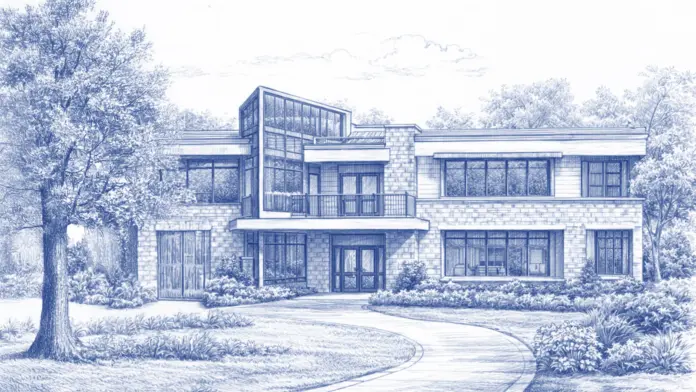
About The Magdalen House
In the first step of the program, you’ll be in residence for two weeks. The stay includes meals as well as all your basic living necessities like toiletries. The curriculum is based on the 12 Step model of recovery and is spiritually based. You’ll participate in 53 meetings, classes and workshops while in the two week program. The staff is fully trained and includes people who are also in recovery.
Many of the staff have been through the program. While in residence, they’ll help connect you with counseling and sober living situations. You’ll also talk daily to volunteers who are in recovery from alcoholism. You’ll attend meetings that are also open to the community, so you’ll become part of the local recovery community and have the chance to find a sponsor. During the two weeks, you’ll be introduced to the steps of the 12 Step recovery model. The program curriculum follows the 12 Steps in the Big Book of Alcoholics Anonymous.
While in the residential program, you’ll follow a regular schedule that starts with breakfast and meditation. It’s followed by morning chores so each person can contribute in a small way. You’ll have classes and personal time. You’ll have the opportunity to attend yoga and mindfulness classes.
Step two is a three month, nonresidential program. You’ll have recovery education, meetings and mentorship. The programs are gender specific and open to anyone who has an alcohol use disorder. You have to be sober for at least 72 hours to join step two of the program, but step one isn’t required. Many people who come out of the first step of the program use the second step as aftercare.
The third step of the program is the community aspect. This is where you’ll find the recovery meetings that work for your schedule and attend them. They have men’s, women’s and family support meetings.
Latest Reviews



Rehab Score
 Our Methodology


Location
Other Forms of Payment
 Free
FreeAddiction Treatments
Levels of Care
Drug and alcohol addiction often takes a heavy toll on one's body. Over time, a physical dependence can develop, meaning the body physiologically needs the substance to function. Detox is the process of removing drugs and/or alcohol from the body, a process that can be lethal if mismanaged. Medical detox is done by licensed medical professionals who monitor vital signs and keep you safe, healthy, and as comfortable as possible as you go through detox and withdrawal.
Sober Living Houses (SLHs), aka sober homes or halfway houses, are safe, substance-free, supportive living facilities for those recovering from substance abuse. Ideal for those who've just been through inpatient or outpatient treatment, SLHs are supervised environments with rules that support sobriety, such as curfews, shared chores, and therapeutic meetings. Residents are also often trained on life skills and coping skills to make it easier to transition into society. SLHs also provide a strong sense of community that can lead to the kind of deep and lasting connections with other sober individuals that supports a new, healthy lifestyle.
12-step programs are addiction recovery models based on Alcoholics Anonymous (AA). A number of substance abuse programs (including some drug and alcohol rehab centers) use the 12 steps as a basis for treatment. Beginning steps involve admitting powerlessness over the addiction and creating a spiritual basis for recovery. Middle steps including making direct amends to those who've been hurt by the addiction, and the final step is to assist others in addiction recovery in the same way. 12-Step offshoots including Narcotics Anonymous (NA), Cocaine Anonymous (CA), Dual Recovery Anonymous (DRA), Sex and Love Addicts Anonymous (SLAA) and Gamblers Anonymous (GA).
Completing a drug or alcohol rehab program shouldn't spell the end of substance abuse treatment. Aftercare involves making a sustainable plan for recovery, including ongoing support. This can include sober living arrangements like halfway houses, career counseling, and setting a patient up with community programs like Alcoholics Anonymous (AA) or Narcotics Anonymous (NA).
Treatments
The goal of treatment for alcoholism is abstinence. Those with poor social support, poor motivation, or psychiatric disorders tend to relapse within a few years of treatment. For these people, success is measured by longer periods of abstinence, reduced use of alcohol, better health, and improved social functioning. Recovery and Maintenance are usually based on 12 step programs and AA meetings.
During rehab in Texas, you'll deal with underlying issues that contribute to addiction. By addressing these challenges and learning healthy ways to cope with them, you'll develop strategies that help you live a drug-free lifestyle.
Substance rehabs focus on helping individuals recover from substance abuse, including alcohol and drug addiction (both illegal and prescription drugs). They often include the opportunity to engage in both individual as well as group therapy.
Programs
Adult rehab programs include therapies tailored to each client's specific needs, goals, and recovery progress. They are tailored to the specific challenges adult clients may face, including family and work pressures and commitments. From inpatient and residential treatment to various levels of outpatient services, there are many options available. Some facilities also help adults work through co-occurring conditions, like anxiety, that can accompany addiction.
Clinical Services
Research clearly demonstrates that recovery is far more successful and sustainable when loved ones like family members participate in rehab and substance abuse treatment. Genetic factors may be at play when it comes to drug and alcohol addiction, as well as mental health issues. Family dynamics often play a critical role in addiction triggers, and if properly educated, family members can be a strong source of support when it comes to rehabilitation.
Group therapy is any therapeutic work that happens in a group (not one-on-one). There are a number of different group therapy modalities, including support groups, experiential therapy, psycho-education, and more. Group therapy involves treatment as well as processing interaction between group members.
Amenities
-
 Residential Setting
 -
 Private Setting
 -
 Yoga Studio
Staff
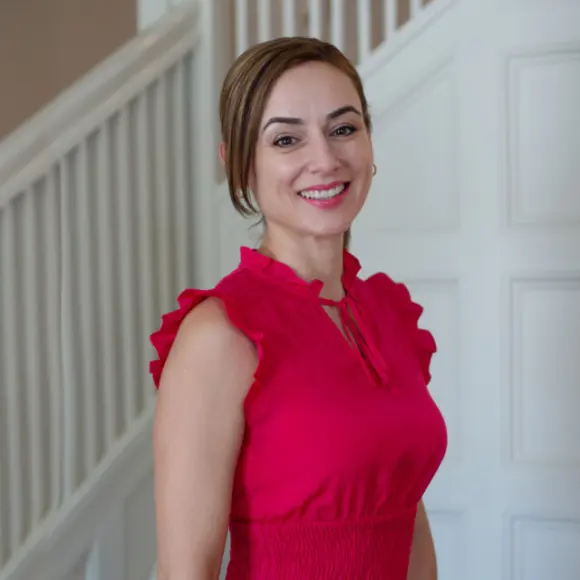
Linda Arsenio
Program Coordinator
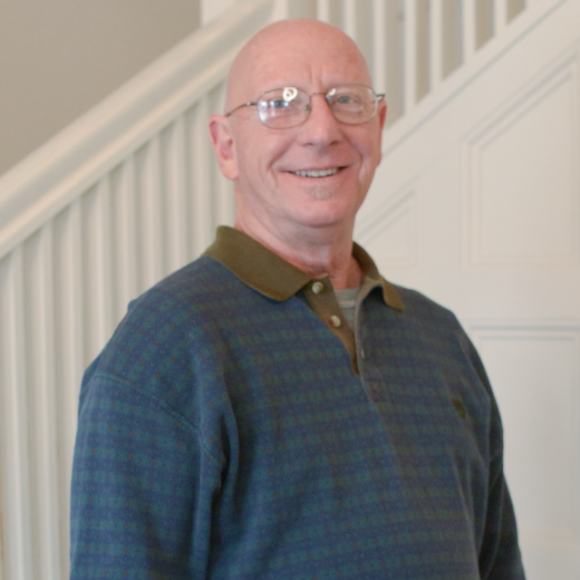
Tony Gold
Program Coordinator
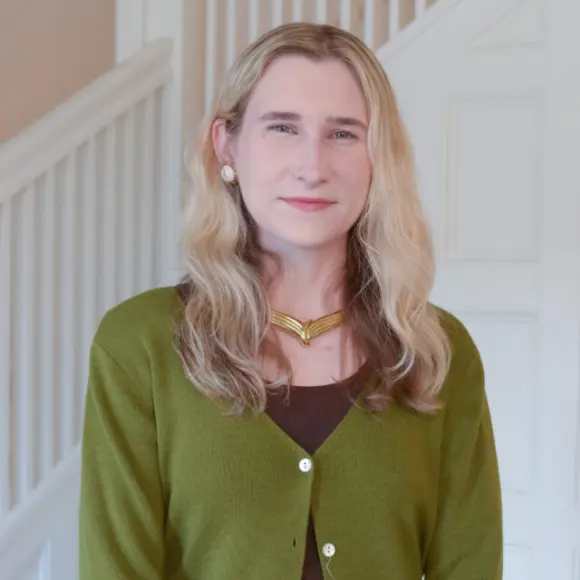
Kendall Bose
Outreach Manager
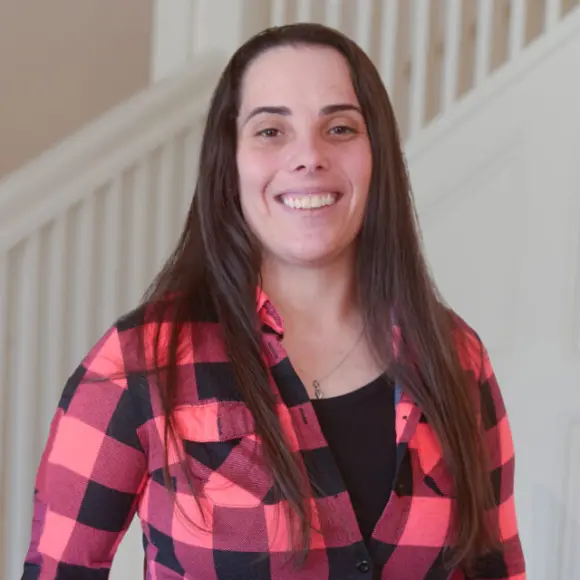
Ashleigh Castleberry
Program Coordinator
Rehab.com regularly reviews this listing for accuracy but changes may occur between updates. For the most up-to-date information, please contact The Magdalen House.
Contact Information


4513 Gaston Ave
Dallas, TX 75246
Sponsored Helpline


