Elevate Addiction Services - SLT
1
Top 10 Rehab Centers In South Lake Tahoe



















































































They’re really good at finding the best level of care for your needs and lifestyle. Once they’ve designed a personalized treatment plan for you, they can usually offer admission within a day. Their beautiful facilities give you access to their gym, walking trails, activities like basketball and kickball, yoga and Tai Chi classes, and disc golf.
Detox is the first phase of recovery that they offer. This forms part of their inpatient treatment program. Medical detox is the safest and most comfortable way to rid your body of drugs and alcohol. You’ll stay in a quiet, cozy room and have access to round the clock medical care. They help minimize your withdrawal symptoms and give you delicious meals that help your body stay strong as you go through recovery.
They’ve designed their inpatient program to address the underlying causes of addiction and the symptoms it’s created in your life. During individual therapy sessions, you’ll work with a therapist to treat co-occurring mental health conditions like depression or anxiety.
Their partial hospitalization program helps you smoothly transition from inpatient care into full independence. The program provides the same 24/7 support as full hospitalization, but it gives you the freedom and flexibility of an outpatient program.
You’ll have up to 20 hours of treatment sessions every week, which includes medical care, individual therapy and group therapy. Some people can even be cleared to participate in the program through online teletherapy. You’ll also have access to their medication management services, where their staff keep track of your medication schedule and doses for you.



 Our Methodology



Self-pay involves paying for treatment out of your own pocket. You can use savings or credit, get a personal loan, or receive help from family and friends to fund your treatment. If you don't have insurance or your insurance plan doesn't cover a specific program, self-pay can help ensure you still get the care you need.
Private insurance refers to any kind of healthcare coverage that isn't from the state or federal government. This includes individual and family plans offered by an employer or purchased from the Insurance Marketplace. Every plan will have different requirements and out of pocket costs so be sure to get the full details before you start treatment.
Medicaid is a state based program that helps lower-income individuals and families pay for healthcare. Medicaid covers addiction treatment so those enrolled can use their coverage to pay for rehab. When a program accepts Medicaid the client often pays very little or nothing out of their own pocket.
Medicare is a federal program that provides health insurance for those 65 and older. It also serves people under 65 with chronic and disabling health challenges. To use Medicare for addiction treatment you need to find a program that accepts Medicare and is in network with your plan. Out of pocket costs and preauthorization requirements vary, so always check with your provider.
Drug and alcohol addiction often takes a heavy toll on one's body. Over time, a physical dependence can develop, meaning the body physiologically needs the substance to function. Detox is the process of removing drugs and/or alcohol from the body, a process that can be lethal if mismanaged. Medical detox is done by licensed medical professionals who monitor vital signs and keep you safe, healthy, and as comfortable as possible as you go through detox and withdrawal. The length of stay at the detoxification program is determined according to the specific needs of the patient.
Residential treatment programs are those that offer housing and meals in addition to substance abuse treatment. Rehab facilities that offer residential treatment allow patients to focus solely on recovery, in an environment totally separate from their lives. Some rehab centers specialize in short-term residential treatment (a few days to a week or two), while others solely provide treatment on a long-term basis (several weeks to months). Some offer both, and tailor treatment to the patient's individual requirements.
A partial hospitalization program (PHP) is a short-term form of intensive rehab, usually for those with acute symptoms that are hard to manage but don’t require 24-hour care. PHPs have structured programming (i.e. individual and/or group therapy), and usually meet 3-5 days a week for around 6 hours (i.e. 9am-3m). Some PHPs are residential (patients sleep on site) and some are not, so patients sleep at home. PHPs can last from 1-6 months, and some offer transportation and meals.
Outpatient Programs (OP) are for those seeking mental rehab or drug rehab, but who also stay at home every night. The main difference between outpatient treatment (OP) and intensive outpatient treatment (IOP) lies in the amount of hours the patient spends at the facility. Most of the time an outpatient program is designed for someone who has completed an inpatient stay and is looking to continue their growth in recovery. Outpatient is not meant to be the starting point, it is commonly referred to as aftercare.
The goal of treatment for alcoholism is abstinence. Those with poor social support, poor motivation, or psychiatric disorders tend to relapse within a few years of treatment. For these people, success is measured by longer periods of abstinence, reduced use of alcohol, better health, and improved social functioning. Recovery and Maintenance are usually based on 12 step programs and AA meetings.
Effective drug rehab in Washington integrates care for the whole person, offering comprehensive solutions to addiction. Treatment methods address mental, physical, and relational aspects of substance abuse.
Many of those suffering from addiction also suffer from mental or emotional illnesses like schizophrenia, bipolar disorder, depression, or anxiety disorders. Rehab and other substance abuse facilities treating those with a dual diagnosis or co-occurring disorder administer psychiatric treatment to address the person's mental health issue in addition to drug and alcohol rehabilitation.
A combined mental health and substance abuse rehab has the staff and resources available to handle individuals with both mental health and substance abuse issues. It can be challenging to determine where a specific symptom stems from (a mental health issue or an issue related to substance abuse), so mental health and substance abuse professionals are helpful in detangling symptoms and keeping treatment on track.
Opioid rehabs specialize in supporting those recovering from opioid addiction. They treat those suffering from addiction to illegal opioids like heroin, as well as prescription drugs like oxycodone. These centers typically combine both physical as well as mental and emotional support to help stop addiction. Physical support often includes medical detox and subsequent medical support (including medication), and mental support includes in-depth therapy to address the underlying causes of addiction.
Adult rehab programs include therapies tailored to each client's specific needs, goals, and recovery progress. They are tailored to the specific challenges adult clients may face, including family and work pressures and commitments. From inpatient and residential treatment to various levels of outpatient services, there are many options available. Some facilities also help adults work through co-occurring conditions, like anxiety, that can accompany addiction.
Young adulthood can be an exciting, yet difficult, time of transition. Individuals in their late teens to mid-20s face unique stressors related to school, jobs, families, and social circles, which can lead to a rise in substance use. Rehab centers with dedicated young adult programs will include activities and amenities that cater to this age group, with an emphasis on specialized counseling, peer socialization, and ongoing aftercare.
Cognitive Behavioral Therapy (CBT) is a therapy modality that focuses on the relationship between one's thoughts, feelings, and behaviors. It is used to establish and allow for healthy responses to thoughts and feelings (instead of unhealthy responses, like using drugs or alcohol). CBT has been proven effective for recovering addicts of all kinds, and is used to strengthen a patient's own self-awareness and ability to self-regulate. CBT allows individuals to monitor their own emotional state, become more adept at communicating with others, and manage stress without needing to engage in substance abuse.
Creativity is inherently healing, and can help those in recovery express thoughts or feelings they might not otherwise be able to. Creative arts therapy can include music, poetry/writing, painting, sculpting, dance, theater, sandplay, and more. Unlike traditional art, the final product matters far less than the experience of creation and expression itself.
Dialectical Behavior Therapy (DBT) is a modified form of Cognitive Behavioral Therapy (CBT), a treatment designed to help people understand and ultimately affect the relationship between their thoughts, feelings, and behaviors. DBT is often used for individuals who struggle with self-harm behaviors, such as self-mutilation (cutting) and suicidal thoughts, urges, or attempts. It has been proven clinically effective for those who struggle with out-of-control emotions and mental health illnesses like Borderline Personality Disorder.
Equine therapy, aka equine-assisted therapy (EAT), is a form of experiential therapy that involves interactions and activities with horses. It does not necessarily involve riding horses, but all activities related to horses, such as feeding, grooming, haltering and leading them. A mental health professional frequently oversees the activities (often in conjunction with a horse professional), and helps patients process their thoughts, feelings, and behavior patterns during and/or after the interaction.
Research clearly demonstrates that recovery is far more successful and sustainable when loved ones like family members participate in rehab and substance abuse treatment. Genetic factors may be at play when it comes to drug and alcohol addiction, as well as mental health issues. Family dynamics often play a critical role in addiction triggers, and if properly educated, family members can be a strong source of support when it comes to rehabilitation.
Group therapy is any therapeutic work that happens in a group (not one-on-one). There are a number of different group therapy modalities, including support groups, experiential therapy, psycho-education, and more. Group therapy involves treatment as well as processing interaction between group members.
In individual therapy, a patient meets one-on-one with a trained psychologist or counselor. Therapy is a pivotal part of effective substance abuse treatment, as it often covers root causes of addiction, including challenges faced by the patient in their social, family, and work/school life.
Life skills trainings involve all the skills a person must have in order to function successfully in the world. These include time management, career guidance, money management, and effective communication. Truly successful addiction recovery is based on the ability to not only live substance-free, but to thrive. Life skills teaches the practical necessities of functioning in society, which sets clients up for success in life, and therefore sobriety.
Recreational therapy (aka therapeutic recreation) uses creative and fun activities to help with addiction recovery. Recreational therapists lead patients in entertaining and engaging activities like sports or games; art (drawing, painting, sculpture); drama, music, and dance; and/or community outings (field trips) to improve patients' physical, social, and emotional well-being.
 Private Setting
  Yoga Studio
  Gym
Gym 
CEO
COO
CFO
VP of Human Resources
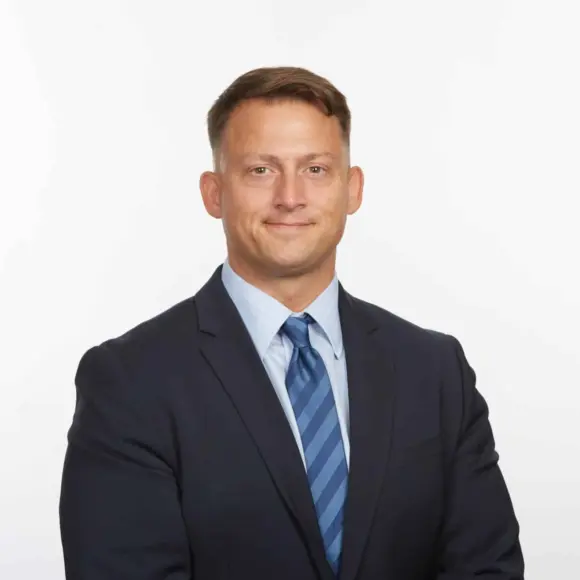
Chief Marketing Officer
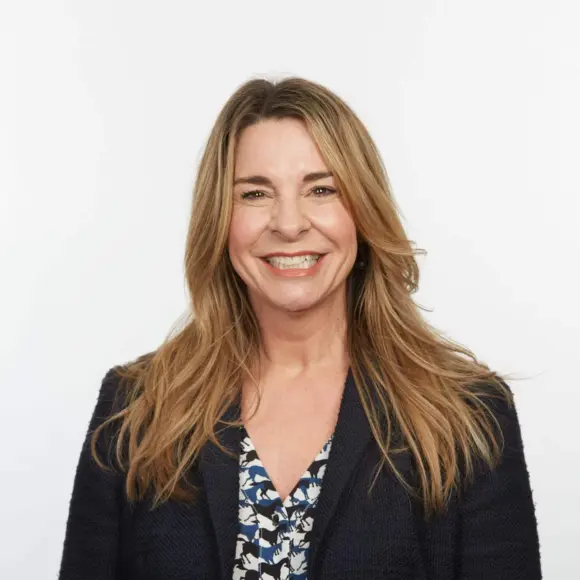
Senior VP of Operations
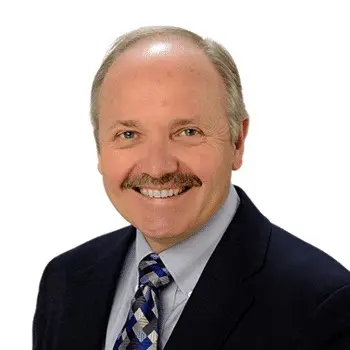
Chief Medical Officer
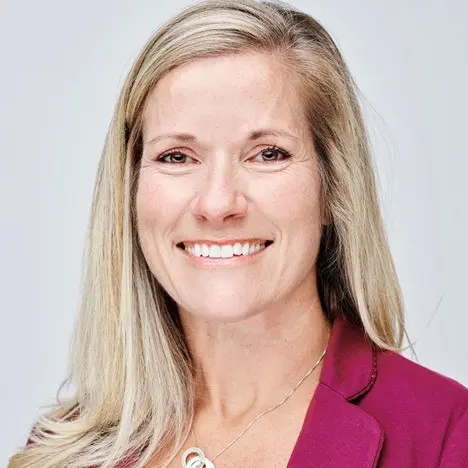
Chief Clinical Officer

The Joint Commission, formerly known as JCAHO, is a nonprofit organization that accredits rehab organizations and programs. Founded in 1951, the Joint Commision's mission is to improve the quality of patient care and demonstrating the quality of patient care.
Joint Commission Accreditation: Yes

LegitScript has reviewed The Recovery Village Ridgefield Detox Center as part of their certification program, and has determined that it meets the LegitScript standards for legality, safety and transparency.
LegitScript verified in August 2020

The National Association of Addiction Treatment Providers (NAATP) is a professional association that represents organizations in the field of addiction services. Founded in 1978, NAATP's mission is to advance addiction services and ensure that high-quality addiction treatment is available and accessible.
NAATP Member: Yes

The Substance Abuse and Mental Health Services Administration (SAMHSA) is a branch of the U.S. Department of Health and Human Services. Established in 1992 by congress, SAMHSA's mission is to reduce the impact of substance abuse and mental illness on American's communities.
SAMHSA Listed: Yes
Rehab.com regularly reviews this listing for accuracy but changes may occur between updates. For the most up-to-date information, please contact The Recovery Village Ridgefield Detox Center.

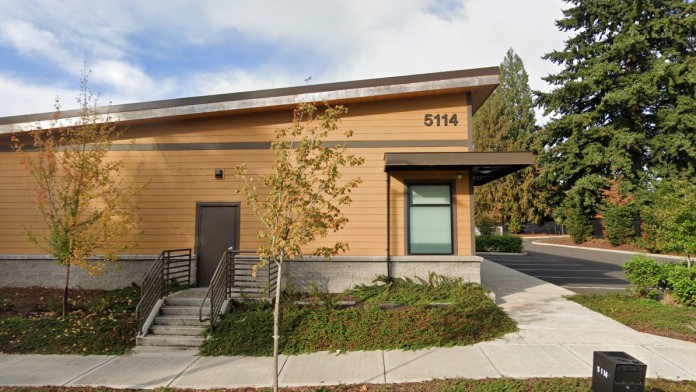
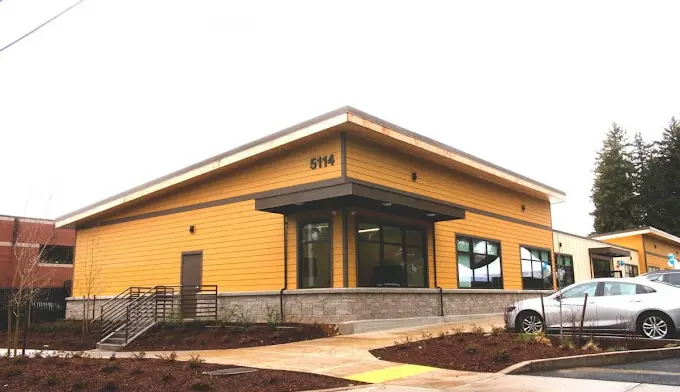
5114 NE 94th Ave
Vancouver, WA 98662
Sponsored Helpline

This detox facility is amazing. As one who’s relapsed multiple times, the staff here are some of the best I’ve encountered in my journey… They all truly care, are patient, and committed to their clients. The nursing staff is amazing. Special shout out to Alisha ( I hope I am spelling thai correctly girl!). John the clinician is absolutely awesome. He’s always willing to go the extra mile for his clients. The case manager Ashely is especially exceptional. She truly cares and empathizes with everyone. She works extremely hard at making sure, whether one only completes detox or extends to residential, that you are taken care of with medical, work, and aftercare. The lengths she goes to quell one’s concerns while being in there is outstanding and truly deserves this shout out. Jennifer the BHT is also incredibly dedicated to her clients. Treats everyone with love and respect and is always willing to lend an ear to anyone who needs it. She also truly cares about ones continued growth. All the stafIf is exceptional. As long as you have faith and are open to the process, you will not be disappointed. Chase on the nursing staff is one you and truly count on for anything. If missed anyone I truly apologize. You all will hold a special place in my heart for all your dedicated hard work. Please trust this facility and take the leap of faith for yourself.

DO NOT GO HERE! Everything they tell you on the phone is a straight up lie just to get you in. They'll tell you that you can keep taking your prescription medications and you can have this and do that. It's ALL total BS. Once you're in there, they treat you like a criminal and go back on every word they said on the phone. The treatment plan is a total joke and it's ran exactly like a prison. I found a place in California that flew me out, put me in a mansion with AMAZING staff, all covered by my insurance. You can go outside, call your family, feel like a real human being again! You can't do any of those things at "Recovery" Village, they don't even give you sunlight. The treatment plan is amazing where I'm at, three groups a day plus a meeting and a private therapist. They actually work WITH you and help with your specific needs to get better. I'm amazed, after a week I'm totally detoxed and ready to tackle life. They have a 7-Day detox program, a 30-day program and a 3-month program. They saved my life, "Recovery" Village made me want to take my life. Don't settle when it comes to something this important! Do yourself a favor and look around, there's always something better than this body brokerage, human chop shop they call a clinic.

Only leaving one star because I can’t leave zero. Zero response after leaving a message for reception, nurses station & medical director. Messages marked urgent. I expressed my need for advice regarding my loved one who reached out for me to pick him up before he was ready. It’s been 9 hours and still no response. I understand this must happen often. They lack compassion and competence.

So far trying to get help I have called 4 times in a 2 day period only to get 9 phone calls from multiple people and my information that I specifically filled out online through the website was completely wrong.i don't live in Florida as the person listed me as. I am wanting outpatient treatment video through zoom. The lady I spoke with seemed more concerned with talking about herself and her 12 years clean and talking over me to not hear what I was wanting. Now two days later for looking for help I don't even feel it's the right place to seek help with the highest level of insurance. Honestly a person would have better luck talking about life problems with a stray dog on the street. Recovery help from this place is a JOKE. Next day follow up lady calls me and tells me since I live to close they can't accept me to help out a guy with alcohol addiction. Totally shame on you for the person you are to turn someone away but I will certainly say I'm glad I'm not providing this place with my money to support an employee like her
 Back
Back
Sharing your insights and experiences can help others learn more about this rehab center.