





























































































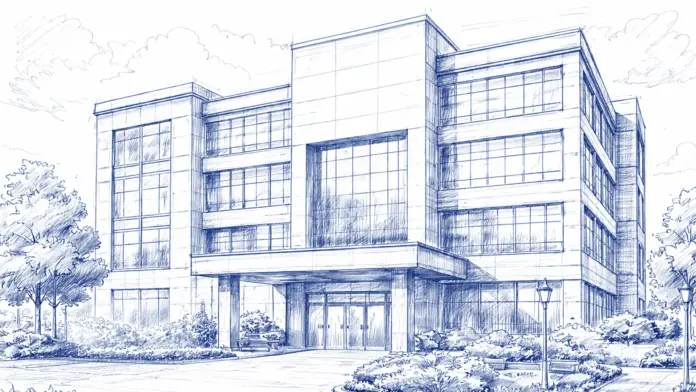
About The STOP Clinic
The STOP Clinic is a substance use treatment program in Cary, North Carolina specializing in smoking cessation and nicotine addiction.
The clinic uses auriculotherapy as its primary treatment approach offering an alternative method for individuals looking to overcome tobacco dependence.
Personalized treatment plans and telehealth options make services accessible for clients seeking flexible supportive care.
Smoking Cessation and Addiction Services at The STOP Clinic
The STOP Clinic focuses on helping clients address nicotine addiction through individualized programs.
Each treatment plan is tailored to the client’s specific needs following a complimentary phone consultation.
Auriculotherapy, a form of ear acupuncture, is the core therapeutic method used at this clinic.
Telehealth services are also available for those who prefer remote consultations, allowing clients to receive support from the comfort of home.
Key Details
- Services offered: Smoking cessation and nicotine addiction treatment
- Treatment approach: Auriculotherapy and personalized care plans
- Telehealth: Remote consultations available for added flexibility
- Payment options: Private insurance and self pay accepted
- Hours: Monday through Friday 9AM to 5PM
Latest Reviews


Keep up the good work and if you ever want to come in for a relaxation treatment, let me know!


Rehab Score
 Our Methodology


Location
Other Forms of Payment
Private insurance refers to any kind of healthcare coverage that isn't from the state or federal government. This includes individual and family plans offered by an employer or purchased from the Insurance Marketplace. Every plan will have different requirements and out of pocket costs so be sure to get the full details before you start treatment.
Self-pay involves paying for treatment out of your own pocket. You can use savings or credit, get a personal loan, or receive help from family and friends to fund your treatment. If you don't have insurance or your insurance plan doesn't cover a specific program, self-pay can help ensure you still get the care you need.
Addiction Treatments
Levels of Care
Telehealth is the use of telecommunications technologies to facilitate long-distance healthcare. Through telehealth in North Carolina, you may receive health education, counseling support, medication support, or medical consultations. Common technologies utilized include streaming media, store-and-forward imaging, and videoconferencing.
Treatments
There are many types of drug rehab in North Carolina. To receive treatment for addiction, you can choose from many inpatient and outpatient programs. Often, participants start with detox and work through a full continuum of care that continues with ongoing support for long-term recovery.
North Carolina offers substance abuse treatment programs that provide a holistic and evidence-based approach. Through a comprehensive mental health assessment, addiction experts can provide an individualized care plan specific to your needs. You can expect most rehabs programs to provide individual and group therapy, recovery meetings, and evidence-based therapies such as cognitive-behavioral therapy (CBT). Depending on your circumstances and severity of addiction, you may need more intensive care. Levels of care include outpatient, residential inpatient, intensive outpatient, and partial hospitalization. By choosing the right level of care, you're more likely to succeed in long-term recovery.
Drug and alcohol rehab programs that simultaneously treat mental health disorders are known as dual diagnosis centers. The specialized programs recognize that mental health conditions affect the whole person - physical, emotional, and spiritual. That's why mental health is at the center of many different dual diagnosis therapies, including individual and group therapy, cognitive behavioral therapy (CBT), trauma therapy, family support therapy, and more.
In North Carolina, dual-diagnosis addiction treatment programs focus on providing integrated care for individuals with co-occurring substance use disorders and mental health diagnoses. You can generally expect a range of programs, including intensive outpatient, inpatient residential, and partial hospitalization options. Therapies like cognitive-behavioral therapy (CBT), dialectical behavior therapy (DBT), trauma-informed therapy, and family therapy address both disorders and promote mental health and well-being, giving you the tools to sustain long-term recovery.
Rehab.com regularly reviews this listing for accuracy but changes may occur between updates. For the most up-to-date information, please contact The STOP Clinic.
Contact Information


875 Walnut St # 275, Cary, NC 27511
Sponsored Helpline

