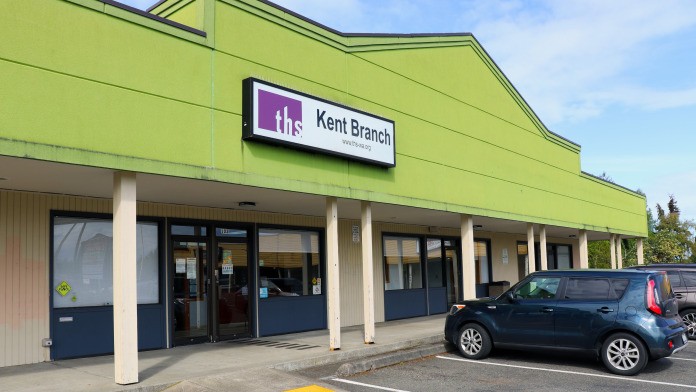
THS – Therapeutic Health Services is a mental health center that also offers drug rehab services to adults living in the Kent, Washington, area. This location is focused on mental health, but they offer some addiction counseling as well, along with recovery information. They also offer help for anyone who is dealing with drug court or has gotten a DUI/deferred prosecution or who is on legal or court probation. They have drug prevention classes and educational resources you can access. They accept Medicaid, Apple health and most common insurances.
Drug Court Services
They’ve had a service called the King County Drug Court program since 1994, which tries to help break the cycle of substance use by giving people the skills needed to live healthier and more productive lives. They work with the court to provide services such as evidence based opioid treatment, intensive drug and alcohol counseling, mental health care, case management, life skills training, employment support, educational services and community reintegration activities. Probation officers, defense attorneys, judges, prosecutors, case managers and treatment staff work together for your benefit and to stop patterns of addiction. They also have regular individual counseling and group counseling, as well as sober support meetings. While in the program you’ll have to submit to random drug tests at least twice a week.
Mental Health and Addiction Treatment
Their outpatient treatment program requires attendance once per week, while their intensive outpatient program expects three days a week of commitment from clients. These sessions are typically a combination of individual and group therapy sessions.
I absolutely love everyone who works here. Shout out to Chris, Avery & Holly.
My counselor here is hands down the best thing that happened to me, Chris runs the front and he does it well. Hes always there to help me out with anything. Holly is an O.G with her Gucci green glasses! Honestly if I hadnt stumbled into Avery my life wouldn't be where it is now. If your looking for great support and positive vibes THS kent is the place to be.
Response from the owner3 weeks ago
Hi Rosina, Thank you so much for the positive review! We deeply appreciate your shout-outs to our team!
Reviewed on 02/14/2019
4.5
What THS did for me was showing me the path step by step to recovery. That was exactly what I needed, they taught me the basic stuff and also the most complex one and now here I am completely recovered.
Scoring is assigned by a proprietary system which helps surface key metrics that determine quality. The 10-point scale factors in categories such as operations, customer satisfaction, and trust metrics. Read Full Methodology
7.5 / 10
Gallery
Accepted Insurance
Please contact to verify your specific insurance provider.
THS – Therapeutic Health Services works with several private insurance providers, please contact to verify your specific insurance provider.
Self-pay involves paying for treatment out of your own pocket. You can use savings or credit, get a personal loan, or receive help from family and friends to fund your treatment. If you don't have insurance or your insurance plan doesn't cover a specific program, self-pay can help ensure you still get the care you need.
Private insurance refers to any kind of healthcare coverage that isn't from the state or federal government. This includes individual and family plans offered by an employer or purchased from the Insurance Marketplace. Every plan will have different requirements and out of pocket costs so be sure to get the full details before you start treatment.
Military members, veterans, and eligible dependents have access to specific insurance programs that help them get the care they need. TRICARE and VA insurance can help you access low cost or no cost addiction and mental health treatment. Programs that accept military insurance often have targeted treatment focused on the unique challenges military members, veterans, and their families face.
Medicaid is a state based program that helps lower-income individuals and families pay for healthcare. Medicaid covers addiction treatment so those enrolled can use their coverage to pay for rehab. When a program accepts Medicaid the client often pays very little or nothing out of their own pocket.
Medicare is a federal program that provides health insurance for those 65 and older. It also serves people under 65 with chronic and disabling health challenges. To use Medicare for addiction treatment you need to find a program that accepts Medicare and is in network with your plan. Out of pocket costs and preauthorization requirements vary, so always check with your provider.
Financial aid can take many forms. Centers may have grants or scholarships available to clients who meet eligibility requirements. Programs that receive SAMHSA grants may have financial aid available for those who need treatment as well. Grants and scholarships can help you pai for treatment without having to repay.
Employee Assistance Program
Addiction Treatments
Levels of Care
Outpatient programs are for those seeking mental rehab or drug rehab, but who also stay at home every night. Outpatient is not meant to be the starting point, it is commonly referred to as aftercare. Weekly Aftercare (ASAM Level I.0) meets weekly in therapeutic groups facilitated by a Chemical Dependency Professional offering assistance in further development, recognition and implementation of recovery tools that support lifestyle changes which help the individual to overcome personal negative issues caused or exacerbated by substance use.
Intensive Outpatient Program (IOP) (ASAM Level II.I) focuses on intensive group counseling for persons diagnosed with a substance use disorder by exploring recovery tools and skills related to the biological, psychological, sociological and spiritual areas of the individual’s life. IOP is provided for nine hours per week over three group sessions and utilizes interactive lecture, video presentation, homework and written handouts. Each session includes the review of treatment materials as well as a therapeutic group process segment.
12-step programs are addiction recovery models based on Alcoholics Anonymous (AA). A number of substance abuse programs (including some drug and alcohol rehab centers) use the 12 steps as a basis for treatment. Beginning steps involve admitting powerlessness over the addiction and creating a spiritual basis for recovery. Middle steps including making direct amends to those who've been hurt by the addiction, and the final step is to assist others in addiction recovery in the same way. 12-Step offshoots including Narcotics Anonymous (NA), Cocaine Anonymous (CA), Dual Recovery Anonymous (DRA), Sex and Love Addicts Anonymous (SLAA) and Gamblers Anonymous (GA).
This group (ASAM Level I.0) assists individuals who have experienced recent relapse and/or have been referred to the group by individuals who recognize the need for more intense relapse prevention skills prior to the relapse experience. It is an eight week program consisting of two groups per week covering relapse prevention and direct reinforcement of the participant’s ongoing recovery program in order to encourage personal growth and support.
Treatments
The goal of treatment for alcoholism is abstinence. Those with poor social support, poor motivation, or psychiatric disorders tend to relapse within a few years of treatment. For these people, success is measured by longer periods of abstinence, reduced use of alcohol, better health, and improved social functioning. Recovery and Maintenance are usually based on 12 step programs and AA meetings.
Effective drug rehab in Washington integrates care for the whole person, offering comprehensive solutions to addiction. Treatment methods address mental, physical, and relational aspects of substance abuse.
When a young person struggles with an emotional problem like depression or anxiety and turns to drugs or alcohol, they may have a cooccurring disorder. The core of their Integrated Cognitive Therapies Program (ICTP) is one therapist who provides both mental health counseling and substance use therapy in each session. Specifically grounded in effective treatment models, ICTP can help young people improve focus in school, heal family relationships and achieve other personal goals.
A combined mental health and substance abuse rehab has the staff and resources available to handle individuals with both mental health and substance abuse issues. It can be challenging to determine where a specific symptom stems from (a mental health issue or an issue related to substance abuse), so mental health and substance abuse professionals are helpful in detangling symptoms and keeping treatment on track.
Opioid rehabs specialize in supporting those recovering from opioid addiction. They treat those suffering from addiction to illegal opioids like heroin, as well as prescription drugs like oxycodone. These centers typically combine both physical as well as mental and emotional support to help stop addiction. Physical support often includes medical detox and subsequent medical support (including medication), and mental support includes in-depth therapy to address the underlying causes of addiction.
Programs
Adult rehab programs include therapies tailored to each client's specific needs, goals, and recovery progress. They are tailored to the specific challenges adult clients may face, including family and work pressures and commitments. From inpatient and residential treatment to various levels of outpatient services, there are many options available. Some facilities also help adults work through co-occurring conditions, like anxiety, that can accompany addiction.
The THS Veterans Outreach Program is funded by the King County Veterans’ Services Levy. THS Veterans Outreach Specialists help veterans access the benefits they have earned through their military service. Specialists can assist in the upgrade of the discharge status of veterans which in many cases results in a higher amount of benefit dollars or access to new benefits. Veterans Outreach Specialists are can provide access to disability compensation, military pension, vocational rehabilitation, education benefits, burial benefits and housing loan assistance.
Young adulthood can be an exciting, yet difficult, time of transition. Individuals in their late teens to mid-20s face unique stressors related to school, jobs, families, and social circles, which can lead to a rise in substance use. Rehab centers with dedicated young adult programs will include activities and amenities that cater to this age group, with an emphasis on specialized counseling, peer socialization, and ongoing aftercare.
Clinical Services
Cognitive Behavioral Therapy (CBT) is a therapy modality that focuses on the relationship between one's thoughts, feelings, and behaviors. It is used to establish and allow for healthy responses to thoughts and feelings (instead of unhealthy responses, like using drugs or alcohol). CBT has been proven effective for recovering addicts of all kinds, and is used to strengthen a patient's own self-awareness and ability to self-regulate. CBT allows individuals to monitor their own emotional state, become more adept at communicating with others, and manage stress without needing to engage in substance abuse.
Research clearly demonstrates that recovery is far more successful and sustainable when loved ones like family members participate in rehab and substance abuse treatment. Genetic factors may be at play when it comes to drug and alcohol addiction, as well as mental health issues. Family dynamics often play a critical role in addiction triggers, and if properly educated, family members can be a strong source of support when it comes to rehabilitation.
Group therapy is any therapeutic work that happens in a group (not one-on-one). There are a number of different group therapy modalities, including support groups, experiential therapy, psycho-education, and more. Group therapy involves treatment as well as processing interaction between group members.
In individual therapy, a patient meets one-on-one with a trained psychologist or counselor. Therapy is a pivotal part of effective substance abuse treatment, as it often covers root causes of addiction, including challenges faced by the patient in their social, family, and work/school life.
THS vocational staff builds collaborations with business owners and community employers to secure job opportunities for their program participants. The THS vocational curriculum assists participants with skill development in completing job applications, forms, resumes, and interviewing skills. THS Staff provide community support services and encouragement for participants who are placed in jobs. Additionally, their staff assists participants in securing public funding as they progress through THS treatment programs.
Motivational Interviewing (MI) is a clinical approach to helping people with substance abuse issues and other conditions shift behavior in positive ways. It is more goal-oriented than traditional psychotherapy, as MI counselors directly attempt to get clients to consider making behavioral change (rather than wait for them to come to conclusions themselves). Its primary purpose is to resolve ambivalence and help clients become able to make healthy choices freely.
Nutrition therapy, aka medical nutrition therapy (MNT), is a way of treating physical, emotional, and medical conditions through diet. Specific dietary plans are designed by professional nutritionists or registered dietitians, and patients follow them in order to positively affect their physical and mental health.
Trauma therapy addresses traumatic incidents from a client's past that are likely affecting their present-day experience. Trauma is often one of the primary triggers and potential causes of addiction, and can stem from child sexual abuse, domestic violence, having a parent with a mental illness, losing one or both parents at a young age, teenage or adult sexual assault, or any number of other factors. The purpose of trauma therapy is to allow a patient to process trauma and move through and past it, with the help of trained and compassionate mental health professionals.
Amenities
Private Setting
Yoga Studio
Accreditations
The Commission on Accreditation of Rehabilitation Facilities (CARF) is a non-profit organization that specifically accredits rehab organizations. Founded in 1966, CARF's, mission is to help service providers like rehab facilities maintain high standards of care.
CARF Accreditation: Yes
Rehab.com regularly reviews this listing for accuracy but changes may occur between updates. For the most up-to-date information, please contact THS – Therapeutic Health Services.
What THS did for me was showing me the path step by step to recovery. That was exactly what I needed, they taught me the basic stuff and also the most complex one and now here I am completely recovered.
I absolutely love everyone who works here. Shout out to Chris, Avery & Holly.
My counselor here is hands down the best thing that happened to me, Chris runs the front and he does it well. Hes always there to help me out with anything. Holly is an O.G with her Gucci green glasses! Honestly if I hadnt stumbled into Avery my life wouldn't be where it is now. If your looking for great support and positive vibes THS kent is the place to be.
Response from the owner
Hi Rosina, Thank you so much for the positive review! We deeply appreciate your shout-outs to our team!
jerrod l
4 years ago
5
Rick Burns
5 years ago
1
Come I people it's treatment! What do you think? No one likes it! But if you are a quitter it's a place to go!
Benjamin Cardenas is a musician and published author of six titles. Born and raised in Miami, FL, he performs music all around South Florida and sells his books at comic book conventions and book fairs under the moniker, Benjamin Card. He currently resides in Miami with his three cats, Annette, Nastassia, and Esra.
By calling the helpline you agree to the terms of use. We do not receive any commission or fee that is dependent upon which treatment provider a caller chooses. There is no obligation to enter treatment.
Calls to numbers on a specific treatment center listing will be routed to that treatment center. Calls to any general helpline could be forwarded to SAMHSA or a verified treatment provider.
If you wish to connect with non-sponsor centers, you can browse top-rated listings, visit our homepage and browse by state, or visit SAMHSA.

 Sponsored Helpline



































































































 Private Setting
  Yoga Studio