















































































































About Hoving Home
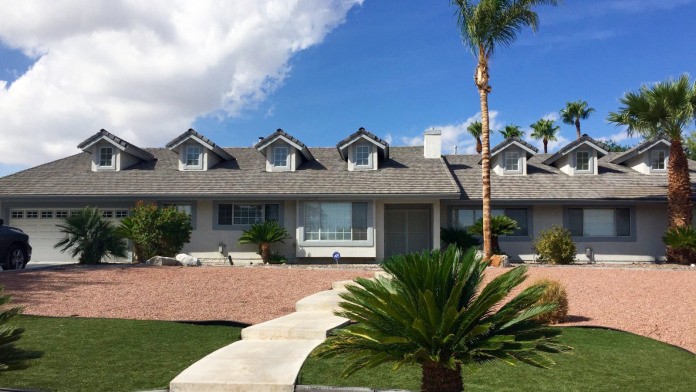
The estate grounds allow you to absorb the healing properties of nature. Here, you’ll find wandering brooks, waterfalls, and open green fields to explore. These spaces will help you connect to the outdoors and calm your mind as you complete your treatment. In addition to holistic healing, some of the addiction services offered here include mental health assessments, individual and group counseling, peer support groups, and recovery meetings. They also provide a structured sober living environment to help you sharpen your teamwork skills, build your self esteem, and learn how to communicate effectively.
What strikes me about this facility is its commitment to creating a warm, supportive environment for everyone. The providers will take the time to listen to you and understand the underlying issues that might be contributing to your self destructive behaviors, such as low confidence or underlying anger. Then, they’ll provide you with practical tools to overcome those challenges. This might mean enrolling in their Home’s Career Readiness Program, which can strengthen your work ethic as you prepare for employment.
Both six and 12-month stays are allowed here. Providers can refer you to outside resources if you need additional support as you return to living independently.
Facility Overview
 9
9 Latest Reviews



Rehab Score
 Our Methodology


Gallery

Other Forms of Payment
Private insurance refers to any kind of healthcare coverage that isn't from the state or federal government. This includes individual and family plans offered by an employer or purchased from the Insurance Marketplace. Every plan will have different requirements and out of pocket costs so be sure to get the full details before you start treatment.
Self-pay involves paying for treatment out of your own pocket. You can use savings or credit, get a personal loan, or receive help from family and friends to fund your treatment. If you don't have insurance or your insurance plan doesn't cover a specific program, self-pay can help ensure you still get the care you need.
Medicare is a federal program that provides health insurance for those 65 and older. It also serves people under 65 with chronic and disabling health challenges. To use Medicare for addiction treatment you need to find a program that accepts Medicare and is in network with your plan. Out of pocket costs and preauthorization requirements vary, so always check with your provider.
Medicaid is a state based program that helps lower-income individuals and families pay for healthcare. Medicaid covers addiction treatment so those enrolled can use their coverage to pay for rehab. When a program accepts Medicaid the client often pays very little or nothing out of their own pocket.
Addiction Treatments
Levels of Care
Residential treatment programs are those that offer housing and meals in addition to substance abuse treatment. Rehab facilities that offer residential treatment allow patients to focus solely on recovery, in an environment totally separate from their lives. Some rehab centers specialize in short-term residential treatment (a few days to a week or two), while others solely provide treatment on a long-term basis (several weeks to months). Some offer both, and tailor treatment to the patient's individual requirements.
Clients receiving services in a rehab aftercare program are typically in the maintenance phase of their recovery, having already completed intensive inpatient treatment. These clients are generally strongly engaged in addiction counseling and recovery-focused life skills training. Case managers and care teams work with clients to identify and access the medical, mental health, and social service programs they need to promote long-term sobriety. Rehab aftercare services often include peer coaching, relapse prevention, and 12 step program induction.
A partial hospitalization program (PHP) provides short-term, intensive rehab for individuals that require intensive care but don't require it 24/7. PHP treatment offers structured programming, often involving a combination of individual and group therapy sessions. Typically, a partial hospitalization program meets for an average of 90 days with sessions taking place 3-5 days a week for a minimum of 20 hours. While some PHP treatment provides on-site accommodation, others allow you to return home.
Ridding your body of alcohol and drugs in a medically supervised environment is known as medically supervised detox. During this period of inpatient care, you are monitored by a team of medical professionals whose job it is to help keep you as safe and comfortable as possible while addressing any withdrawal symptoms. Medically supervised detox is typically the first step in the recovery process, and usually takes an average of 5-7 days.
Treatments
The goal of treatment for alcoholism is abstinence. Those with poor social support, poor motivation, or psychiatric disorders tend to relapse within a few years of treatment. For these people, success is measured by longer periods of abstinence, reduced use of alcohol, better health, and improved social functioning. Recovery and Maintenance are usually based on 12 step programs and AA meetings.
When you enter drug rehab in Nevada, you receive professional assistance to remove drugs from your body and cease your body's need for the substance. You learn coping strategies and receive support to prevent relapse and enjoy long-term sobriety.
Opioid rehabs specialize in supporting those recovering from opioid addiction. They treat those suffering from addiction to illegal opioids like heroin, as well as prescription drugs like oxycodone. These centers typically combine both physical as well as mental and emotional support to help stop addiction. Physical support often includes medical detox and subsequent medical support (including medication), and mental support includes in-depth therapy to address the underlying causes of addiction.
Substance rehabs focus on helping individuals recover from substance abuse, including alcohol and drug addiction (both illegal and prescription drugs). They often include the opportunity to engage in both individual as well as group therapy.
Programs
Adult rehab programs include therapies tailored to each client's specific needs, goals, and recovery progress. They are tailored to the specific challenges adult clients may face, including family and work pressures and commitments. From inpatient and residential treatment to various levels of outpatient services, there are many options available. Some facilities also help adults work through co-occurring conditions, like anxiety, that can accompany addiction.
Recovery is most successful when clients feel accepted and validated by their peers and treatment providers. Facilities that offer LGBTQ-inclusive programming are committed to creating a safe space where everyone can grow and recover without fear of judgment or discrimination. They will have dedicated policies in place to create a safe and supportive environment that fosters free expression.
Rehabs for women provide a safe, nurturing space for female clients to heal. These treatment programs consider the specific obstacles that women can face during recovery and place a special emphasis on mental, social, physical, and reproductive health. They explore how each woman's experience has shaped the trajectory of their substance use, addressing issues such as sexual abuse and past trauma.
Clinical Services
Group therapy opportunities in Nevada allow you to see how successful recovery behaviors are modeled by your peers. You learn conflict resolution skills and are empowered to recognize your strengths and overcome your addiction.
Individual therapy provides you with a confidential setting to explore the complex factors that contribute to drug and alcohol addiction. Your therapist can provide tailored support and help you develop healthy coping strategies, improve self control, and build a foundation for sustainable sobriety.
Trauma therapy uses trauma focused care to help you understand and manage your emotional and physical responses. Using therapeutic interventions, you learn to reframe the experience. This helps to reduce your anxiety and build your resilience to face future challenges and gain control over your life.
Research clearly demonstrates that recovery is far more successful and sustainable when loved ones like family members participate in rehab and substance abuse treatment. Genetic factors may be at play when it comes to drug and alcohol addiction, as well as mental health issues. Family dynamics often play a critical role in addiction triggers, and if properly educated, family members can be a strong source of support when it comes to rehabilitation.
Life skills trainings involve all the skills a person must have in order to function successfully in the world. These include time management, career guidance, money management, and effective communication. Truly successful addiction recovery is based on the ability to not only live substance-free, but to thrive. Life skills teaches the practical necessities of functioning in society, which sets clients up for success in life, and therefore sobriety.
Recreational therapy (aka therapeutic recreation) uses creative and fun activities to help with addiction recovery. Recreational therapists lead patients in entertaining and engaging activities like sports or games; art (drawing, painting, sculpture); drama, music, and dance; and/or community outings (field trips) to improve patients' physical, social, and emotional well-being.
Amenities
-
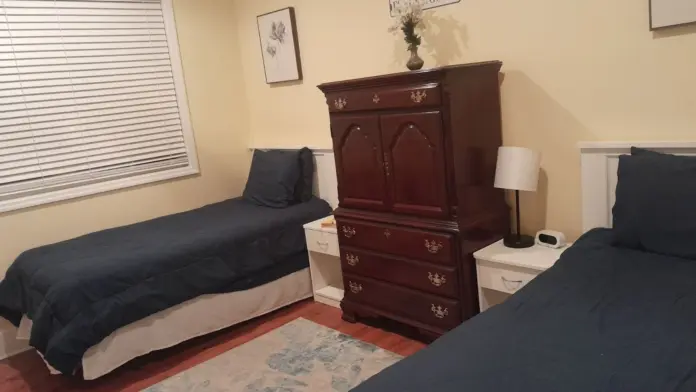
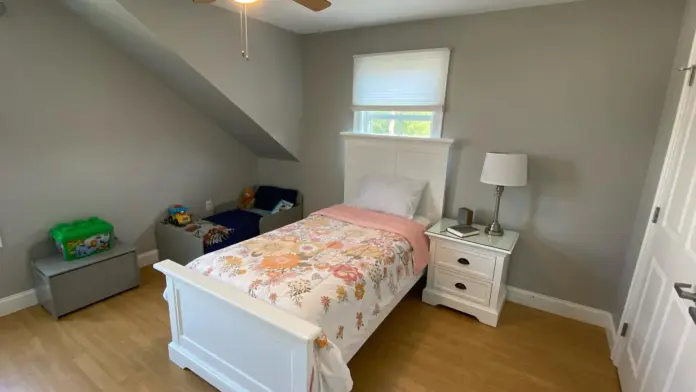
 Residential Setting
 -
 Private Setting
Staff
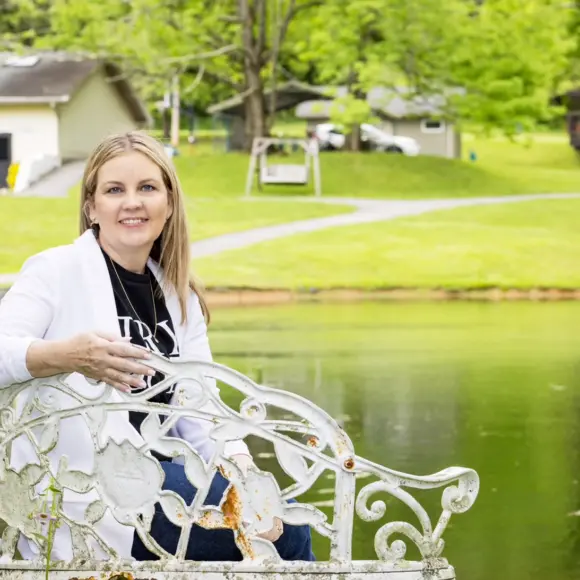
Beth Greco
President & CEO

Kathi Jones
CFO
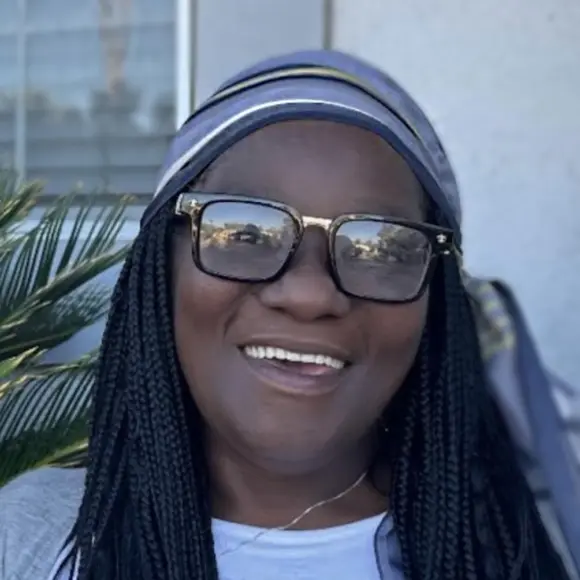
Tracey Lewis
Program Manager
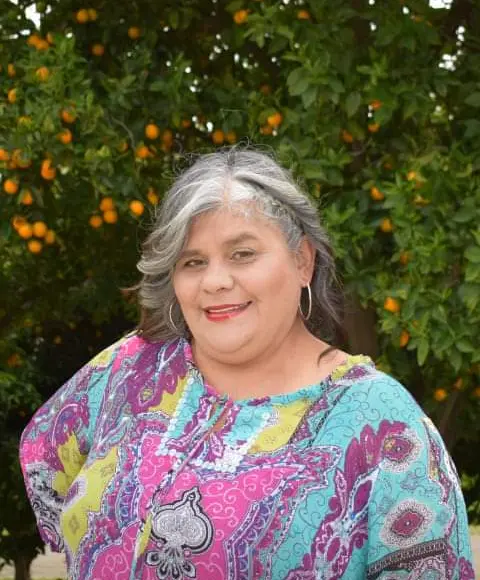
Frances Valles
Facilites Coordinator
Contact Information


4641 Corral Place
Las Vegas, NV 89119
Sponsored Helpline

