






























































































This place is amazing. Great environment and wonderful staff. They do everything on their hands to guide you through the recovery process!
About Wellspring
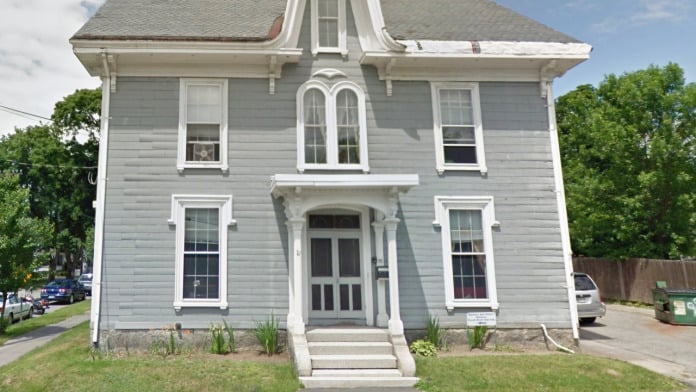
They can take in 15 men at a time who must be over 18 and substance-free upon admission. You’ll stay at the men’s home for four to six months. Your schedule will be a combination of therapy, education and practicing living skills.
You’ll join a 12 step community and become a regular participant. This is important as it helps you build your own support community that’ll be there for you throughout your recovery. Community connections are vital as you transition back into your community and regular life.
What I appreciate about them is the value they place on family relationships. Your loved ones are encouraged to visit you. As part of recovery, you’ll learn about family roles. Your daily living skills training includes chores such as cooking, cleaning and doing laundry. All these things build your self-confidence and lead to a better way of living.
When it comes to establishing a healthy lifestyle, you’ll find many walking paths and hiking trails along the Penobscot River and the many parks of Bangor. Longer hikes are available in the Bangor City Forest. Not only will you be getting exercise, but you’ll be breathing fresh air and enjoying the wild beauty of nature. This is one sure way to help you fall in love with life again.
Latest Reviews
The program changed my life. I recommend it to anyone struggling with substance use issues.
Reviewed on 03/14/2019
This place is amazing. Great environment and wonderful staff. They do everything on their hands to guide you through the recovery process!
Best treatment staff around!

Rehab Score
 Our Methodology
Scoring is assigned by a proprietary system which helps surface key metrics that determine quality. The 10-point scale factors in categories such as operations, customer satisfaction, and trust metrics. Read Full Methodology

6.1 / 10
Gallery
Other Forms of Payment
Self-pay involves paying for treatment out of your own pocket. You can use savings or credit, get a personal loan, or receive help from family and friends to fund your treatment. If you don't have insurance or your insurance plan doesn't cover a specific program, self-pay can help ensure you still get the care you need.
Financial aid can take many forms. Centers may have grants or scholarships available to clients who meet eligibility requirements. Programs that receive SAMHSA grants may have financial aid available for those who need treatment as well. Grants and scholarships can help you pai for treatment without having to repay.
Sliding scale payments are based on a client's income and family size. The goal is to make treatment affordable to everyone. By taking these factors into account, addiction recovery care providers help ensure that your treatment does not become a financial burden to you or your family, eliminating one barrier to care.
Medicaid is a state based program that helps lower-income individuals and families pay for healthcare. Medicaid covers addiction treatment so those enrolled can use their coverage to pay for rehab. When a program accepts Medicaid the client often pays very little or nothing out of their own pocket.
Addiction Treatments
Levels of Care
Outpatient Programs (OP) are for those seeking mental rehab or drug rehab, but who also stay at home every night. The main difference between outpatient treatment (OP) and intensive outpatient treatment (IOP) lies in the amount of hours the patient spends at the facility. Most of the time an outpatient program is designed for someone who has completed an inpatient stay and is looking to continue their growth in recovery. Outpatient is not meant to be the starting point, it is commonly referred to as aftercare.
Intensive outpatient programs (IOP) enable clients to remain in or return to their community while receiving high-level treatment. Most rehabs offering intensive outpatient treatment require clients to commit to a minimum of nine therapeutic hours per week, though clients who need more robust care often receive up to 20 hours of service weekly. Treatment modalities vary, but generally include psychotherapy, recovery education, evidence-based holistic therapies, and medication assisted treatment (MAT) for alcohol and/or opioid addiction.
Rehab aftercare programs facilitate continuity of care for clients transitioning out of inpatient treatment. In addition to outpatient counseling, recovery education, and other forms of care, services typically include peer coaching, relapse prevention, career counseling, and 12 step program induction. Clients often continue to receive support after being discharged from formal outpatient treatment. Case managers and care teams may provide medical, mental health, and social service referrals as a part of the clients' rehab aftercare service plan.
The best time for a drug intervention in Maine is when you think a loved one needs help with substance use and they are not seeking it. A drug intervention is an organized effort to confront them and share how their behavior has affected those around them. Intervention services can provide an intervention specialist to walk you through this process.
Drug and alcohol addiction often takes a heavy toll on one's body. Over time, a physical dependence can develop, meaning the body physiologically needs the substance to function. Detox is the process of removing drugs and/or alcohol from the body, a process that can be lethal if mismanaged. Medical detox is done by licensed medical professionals who monitor vital signs and keep you safe, healthy, and as comfortable as possible as you go through detox and withdrawal.
Treatments
The goal of treatment for alcoholism is abstinence. Those with poor social support, poor motivation, or psychiatric disorders tend to relapse within a few years of treatment. For these people, success is measured by longer periods of abstinence, reduced use of alcohol, better health, and improved social functioning. Recovery and Maintenance are usually based on 12 step programs and AA meetings.
Drug rehab in Maine is the process of helping someone learn how to live without the use of substances. Professional staff provide treatment to address the various issues of addiction. Methods often involve medication, counseling, and evidence-based therapies.
Many of those suffering from addiction also suffer from mental or emotional illnesses like schizophrenia, bipolar disorder, depression, or anxiety disorders. Rehab and other substance abuse facilities treating those with a dual diagnosis or co-occurring disorder administer psychiatric treatment to address the person's mental health issue in addition to drug and alcohol rehabilitation.
In Maine, dual-diagnosis rehabs typically provide comprehensive care to treat both mental health and substance abuse challenges. By integrating evidence-based therapies —like cognitive-behavioral therapy (CBT), dialectical behavior therapy (DBT), eye movement desensitization and reprocessing (EMDR), and experiential therapy — addiction and medical experts can support you to improve mental health and achieve long-term sobriety. You'll also learn vital skills to reduce stress and enhance your coping strategies.
Opioid rehabs specialize in supporting those recovering from opioid addiction. They treat those suffering from addiction to illegal opioids like heroin, as well as prescription drugs like oxycodone. These centers typically combine both physical as well as mental and emotional support to help stop addiction. Physical support often includes medical detox and subsequent medical support (including medication), and mental support includes in-depth therapy to address the underlying causes of addiction.
Programs
Adult rehab programs include therapies tailored to each client's specific needs, goals, and recovery progress. They are tailored to the specific challenges adult clients may face, including family and work pressures and commitments. From inpatient and residential treatment to various levels of outpatient services, there are many options available. Some facilities also help adults work through co-occurring conditions, like anxiety, that can accompany addiction.
Young adulthood can be an exciting, yet difficult, time of transition. Individuals in their late teens to mid-20s face unique stressors related to school, jobs, families, and social circles, which can lead to a rise in substance use. Rehab centers with dedicated young adult programs will include activities and amenities that cater to this age group, with an emphasis on specialized counseling, peer socialization, and ongoing aftercare.
Clinical Services
Cognitive behavioral therapy in Maine is a form of talk therapy. It involves a limited number of sessions during which the therapist helps the client become aware of negative thinking and replace it with positive thought patterns. This in turn helps the individual respond to challenges in healthier ways.
Group therapy is any therapeutic work that happens in a group (not one-on-one). There are a number of different group therapy modalities, including support groups, experiential therapy, psycho-education, and more. Group therapy involves treatment as well as processing interaction between group members.
Individual therapy offers personalized sessions for drug and alcohol addiction treatment to help uncover and address the root causes of addictive behavior. Your therapist will provide individualized, one on one support to help you build resilience and develop healthier habits with a focus on long term sobriety.
Amenities
-
 Private Setting
Staff
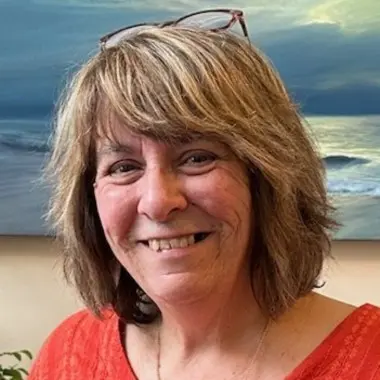
Suzanne Farley
Executive Director
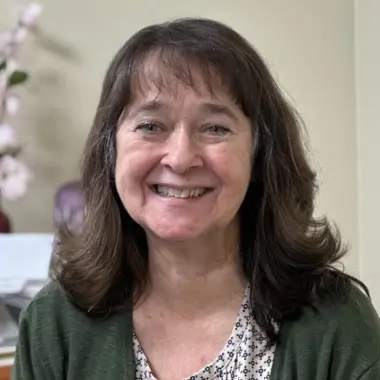
Pat Leture
Director of Operations

Rick Gwinn
Director HR
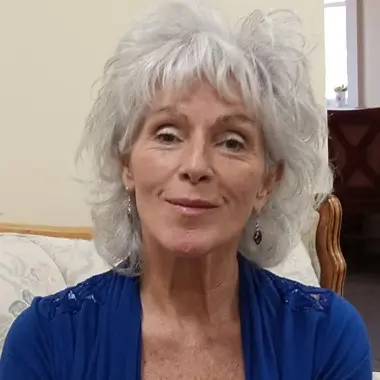
Lisa Williams
Clinical Director
Rehab.com regularly reviews this listing for accuracy but changes may occur between updates. For the most up-to-date information, please contact Wellspring.
Contact Information

98 Cumberland Street
Bangor, ME 04401
Get Help Now - 207-805-9392
Sponsored Helpline
Sponsored Helpline

