












Footprints to Recovery Addiction Treatment Centers
1
Top 10 Rehab Centers In Centennial



















































































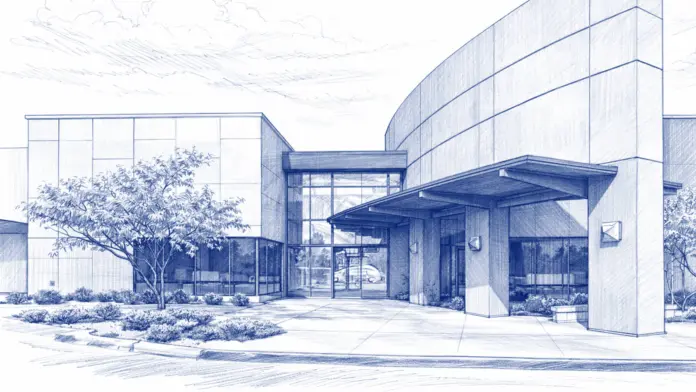
Wyoming Behavioral Institute is a Casper, Wyoming psychiatric and addiction treatment center providing crisis stabilization and longer-term care for adults, young adults, and adolescents. With 81 inpatient beds, Joint Commission accreditation, and a multidisciplinary team of psychiatrists, psychologists, therapists, and social workers, WBI serves individuals facing complex mental health challenges alongside substance use disorders. The facility accepts a broad range of insurance, including Medicare, Medicaid, and military coverage.
WBI’s core offering is inpatient residential care for individuals in acute psychiatric crisis or early recovery. The inpatient unit provides continuous observation, psychiatric evaluation, and a structured daily schedule of individual and group therapy. For those who do not require overnight hospitalization, a partial hospitalization program (PHP) provides daytime treatment with the option to return home each evening, while an intensive outpatient program (IOP) offers a flexible step-down path for people continuing to build stability.
Substance use treatment at WBI begins with medically supervised detoxification, followed by inpatient rehab that incorporates cognitive behavioral therapy (CBT), 12-step principles, and family therapy. The goal is to address both the physical and psychological dimensions of addiction within a structured, clinically supported environment.
A significant focus at Wyoming Behavioral Institute is the integrated treatment of co-occurring mental health and substance use disorders. Rather than treating each condition in isolation, WBI’s clinical team uses a concurrent approach that addresses conditions such as depression, anxiety, bipolar disorder, PTSD, and borderline personality disorder alongside addiction. Dialectical behavior therapy (DBT) and trauma-informed care are part of this integrated model.
 81
81 
 Our Methodology


Private insurance refers to any kind of healthcare coverage that isn't from the state or federal government. This includes individual and family plans offered by an employer or purchased from the Insurance Marketplace. Every plan will have different requirements and out of pocket costs so be sure to get the full details before you start treatment.
Self-pay involves paying for treatment out of your own pocket. You can use savings or credit, get a personal loan, or receive help from family and friends to fund your treatment. If you don't have insurance or your insurance plan doesn't cover a specific program, self-pay can help ensure you still get the care you need.
Medicare is a federal program that provides health insurance for those 65 and older. It also serves people under 65 with chronic and disabling health challenges. To use Medicare for addiction treatment you need to find a program that accepts Medicare and is in network with your plan. Out of pocket costs and preauthorization requirements vary, so always check with your provider.
Medicaid is a state based program that helps lower-income individuals and families pay for healthcare. Medicaid covers addiction treatment so those enrolled can use their coverage to pay for rehab. When a program accepts Medicaid the client often pays very little or nothing out of their own pocket.
Military members, veterans, and eligible dependents have access to specific insurance programs that help them get the care they need. TRICARE and VA insurance can help you access low cost or no cost addiction and mental health treatment. Programs that accept military insurance often have targeted treatment focused on the unique challenges military members, veterans, and their families face.
Outpatient rehabs allow clients to remain in or return to their home and community while receiving treatment. These programs are for clients leaving inpatient care and for those wishing to return home immediately following detox. Most outpatient programs offer multiple levels of care to evolve with clients' needs, including programming such as partial hospitalization (PHP) and intensive outpatient (IOP) care. The most common outpatient treatment modalities include psychotherapy, recovery education, holistic and integrative care, and medication assisted treatment (MAT).
Residential treatment programs are those that offer housing and meals in addition to substance abuse treatment. Rehab facilities that offer residential treatment allow patients to focus solely on recovery, in an environment totally separate from their lives. Some rehab centers specialize in short-term residential treatment (a few days to a week or two), while others solely provide treatment on a long-term basis (several weeks to months). Some offer both, and tailor treatment to the patient's individual requirements.
Clients undergoing treatment in an intensive outpatient program (IOP) typically are those who are leaving inpatient rehab or who have elected to forgo residential care following detox. Clients engage in at least nine hours of treatment weekly, on average, but may receive up to 20 hours of care, with the frequency and intensity of treatment decreasing as clients stabilize. Intensive outpatient treatment often combines psychotherapy, recovery education, holistic care, and medication assisted treatment (MAT).
Rehab aftercare programs serve clients who are medically stable and well advanced in their recovery journey, having already completed detox and/or intensive inpatient treatment. Drug rehab aftercare is designed to support clients in maintaining their sobriety as they return to their home, workplace, and community. Case managers and care teams play a pivotal role in designing a long-term care plan that meets clients' unique recovery needs and goals. Relapse prevention and peer coaching are common.
12-step programs are addiction recovery models based on Alcoholics Anonymous (AA). A number of substance abuse programs (including some drug and alcohol rehab centers) use the 12 steps as a basis for treatment. Beginning steps involve admitting powerlessness over the addiction and creating a spiritual basis for recovery. Middle steps including making direct amends to those who've been hurt by the addiction, and the final step is to assist others in addiction recovery in the same way. 12-Step offshoots including Narcotics Anonymous (NA), Cocaine Anonymous (CA), Dual Recovery Anonymous (DRA), Sex and Love Addicts Anonymous (SLAA) and Gamblers Anonymous (GA).
A sober living home in Wyoming can provide individuals in recovery the support, structure, and foundation they need to continue their recovery journey. Most residents have completed a rehab program. The setting maintains high expectations and helps residents resume normal activities so they can learn how to achieve long-term recovery when they return to mainstream society. Prices vary, but most halfway houses cost around the same in total.
Services offered by drug intervention programs often include specialists to assist with a drug intervention in Wyoming. Drug interventions are designed to encourage individuals who are struggling with addiction to get the treatment necessary for recovery. Friends and family can partner with intervention services to host an intervention and suggest a solid treatment plan to the individual. These services can also provide follow-up care for both the individual and family members.
In a partial hospitalization program (PHP), you'll receive intensive addiction treatment while being able to return home each day. PHP is a good fit for those with moderate to severe addictions and often serves as a step-down level of care. PHP treatment typically requires a minimum of 20 minimum hours a week and includes relapse prevention, medication management, and behavioral therapy services. Most insurance providers fully or partially cover PHP treatment.
At certain points in the recovery process, it's important to have support available 24/7. 24-hour clinical care offers a safe environment in which to recover from drug or alcohol addiction in peace, knowing medical detox and other treatment will happen with professionals on hand.
The safest way to rid your body of addictive drugs and/or alcohol is a medically assisted detox, which is typically held in an inpatient setting while under 24/7 medical supervision. Abruptly quitting alcohol and certain drugs (like benzodiazepines or opioids) can cause dangerous side effects, so a team of medical professionals is tasked with keeping you as safe and comfortable as possible throughout the process. After your body is detoxed of all alcohol and drugs, you'll likely transition to an inpatient treatment or maintenance program for the next stage of your recovery.
A combined mental health and substance abuse rehab has the staff and resources available to handle individuals with both mental health and substance abuse issues. It can be challenging to determine where a specific symptom stems from (a mental health issue or an issue related to substance abuse), so mental health and substance abuse professionals are helpful in detangling symptoms and keeping treatment on track.
Adult rehab programs include therapies tailored to each client's specific needs, goals, and recovery progress. They are tailored to the specific challenges adult clients may face, including family and work pressures and commitments. From inpatient and residential treatment to various levels of outpatient services, there are many options available. Some facilities also help adults work through co-occurring conditions, like anxiety, that can accompany addiction.
Young adulthood can be an exciting, yet difficult, time of transition. Individuals in their late teens to mid-20s face unique stressors related to school, jobs, families, and social circles, which can lead to a rise in substance use. Rehab centers with dedicated young adult programs will include activities and amenities that cater to this age group, with an emphasis on specialized counseling, peer socialization, and ongoing aftercare.
Recovery is most successful when clients feel accepted and validated by their peers and treatment providers. Facilities that offer LGBTQ-inclusive programming are committed to creating a safe space where everyone can grow and recover without fear of judgment or discrimination. They will have dedicated policies in place to create a safe and supportive environment that fosters free expression.
Serving in the military is both mentally and physically challenging, and can result in trauma that persists even after combat ends. Military programs are tailored to the specific and often complex needs of active duty personnel, veterans, and military families. Clients often access these programs through the U.S. Department of Veterans Affairs (VA).
Cognitive behavioral therapy (CBT) in Wyoming can occur in various formats. Common types of CBT include dialectical behavior therapy, acceptance and commitment therapy, mindfulness based cognitive therapy, and rational emotive behavior therapy. The main focus of each is to help participants change thought and behavior patterns.
Substance use disorder treatment in Wyoming may include dialectical behavior therapy. This evidence based approach seeks to give clients the tools they need to manage their emotions and make healthy changes in thinking and behavior. Treatment includes individual sessions, group skills sessions, and homework assignments.
Group therapy is any therapeutic work that happens in a group (not one-on-one). There are a number of different group therapy modalities, including support groups, experiential therapy, psycho-education, and more. Group therapy involves treatment as well as processing interaction between group members.
In individual therapy, a patient meets one-on-one with a trained psychologist or counselor. Therapy is a pivotal part of effective substance abuse treatment, as it often covers root causes of addiction, including challenges faced by the patient in their social, family, and work/school life.
Pathways/Trauma Informed Care is a treatment model for those who have experienced a traumatic life event, may struggle with substance abuse, and whose emotional and mental health have been affected by these experiences. Acute trauma is exposure to a one-time event. Complex trauma often occurs in the context of a child's early care giving system. Treatment of trauma is specialized care. This care focuses on building skills in six key areas.
For many couples, attending couples therapy in Wyoming is a powerful way to strengthen their relationship. It can be useful for improving communication, increasing intimacy, navigating addiction, or rebuilding trust. Sessions typically last about 12 weeks.
Research clearly demonstrates that recovery is far more successful and sustainable when loved ones like family members participate in rehab and substance abuse treatment. Genetic factors may be at play when it comes to drug and alcohol addiction, as well as mental health issues. Family dynamics often play a critical role in addiction triggers, and if properly educated, family members can be a strong source of support when it comes to rehabilitation.
 Residential Setting
  Private Rooms
  Gardens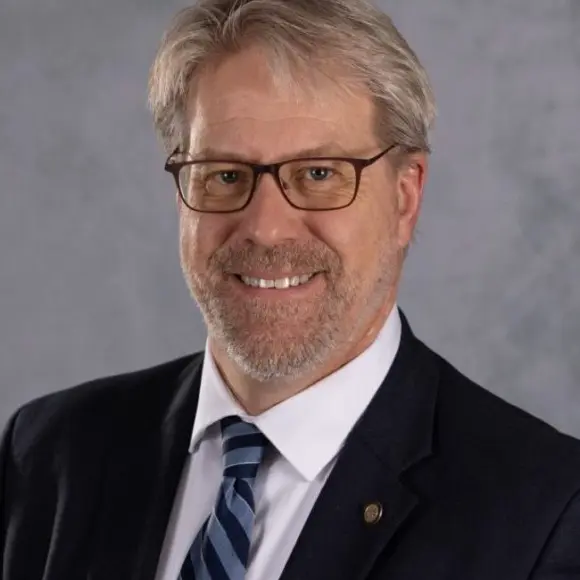
CEO
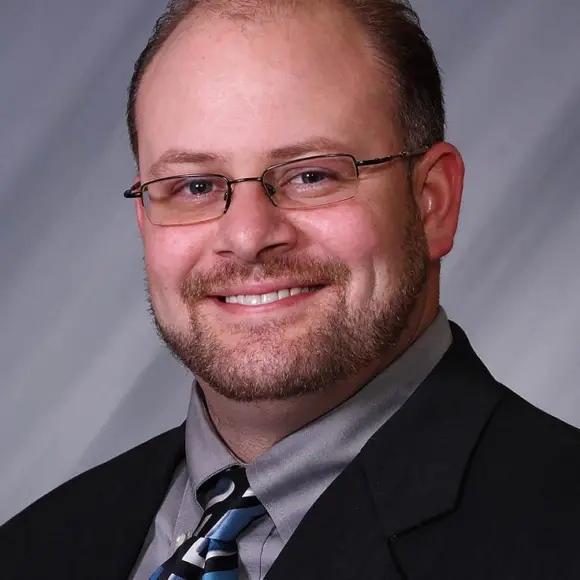
COO
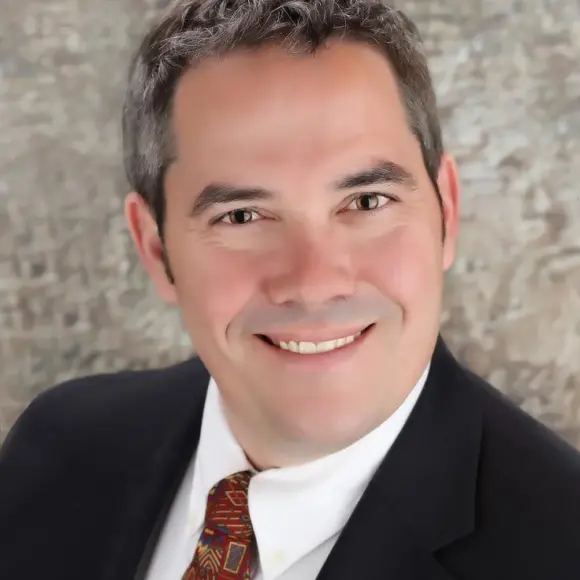
Chief Medical Officerz
Chief Nursing Officer

State Licenses are permits issued by government agencies that allow rehab organizations to conduct business legally within a certain geographical area. Typically, the kind of program a rehab facility offers, along with its physical location, determines which licenses are required to operate legally.
State License: Wyoming

The Joint Commission, formerly known as JCAHO, is a nonprofit organization that accredits rehab organizations and programs. Founded in 1951, the Joint Commision's mission is to improve the quality of patient care and demonstrating the quality of patient care.
Joint Commission Accreditation: Yes
Rehab.com regularly reviews this listing for accuracy but changes may occur between updates. For the most up-to-date information, please contact Wyoming Behavioral Institute.

2521 East 15th street
Casper WY, 82609
Sponsored Helpline

i use wbi when i need a place to go when i when i feel like i need extra help. my last visit nurse sammie and nurse Patrice made my stay nice thank you to them.

I had very little contact with WBI. I did have 3 (I think) interactions with staff which went fine. I felt my son was helped, and I was able to take him home. I hope he can build on the help he got there.


 Back
Back
Sharing your insights and experiences can help others learn more about this rehab center.
 Written By: Rockel Mundy