Get Help Now
Question iconSponsored Helpline
Phone icon 800-641-8351

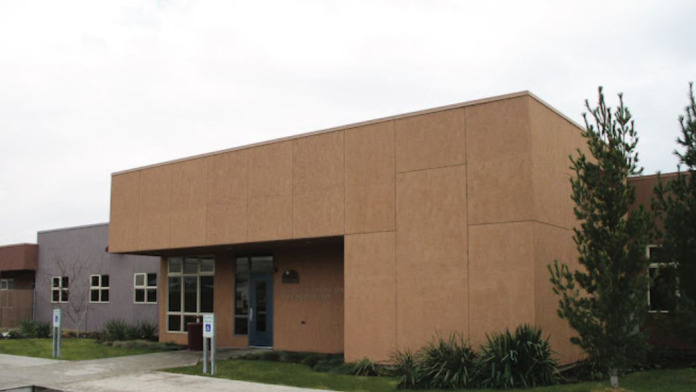
YVFWC Behavioral Health Services

918 East Mead Avenue
Yakima, WA 98903
Claim Profile
YVFWC Behavioral Health Services WA 98903

About YVFWC Behavioral Health Services

YVFWC Behavioral Health Services in Yakima is a community based behavioral health clinic within the Yakima Valley Farm Workers Clinic network, offering integrated mental health and substance use care for youth and adults.

The Mead location provides individual, family and group therapy, psychiatric evaluation, medication management and Wraparound with Intensive Services (WISe) for clients with complex needs.

YVFWC delivers patient centered, evidence based care in English and Spanish, with a focus on coordinating behavioral health alongside primary care for whole-person wellness.

Youth and Adult Outpatient SUD Care for Over 30 Years

YVFWC has provided substance use disorder treatment for more than 30 years, offering outpatient and intensive outpatient (IOP) programs, SUD evaluations and referrals to residential or inpatient care when needed.

Services are available for both youth and adults across the broader YVFWC network.

Treatment includes group, individual and family sessions along with relapse prevention skills, helping clients build sustainable recovery tools.

Patients have shared positive sentiment about the program, including praise such as “a great place to start your recovery.”

Integrated Psychiatric and Mental Health Care for Teens and Adults

The Mead clinic offers psychiatric evaluations, medication management and ongoing mental health therapy coordinated with each patient’s primary care provider.

This integrated model supports clients with co-occurring mental health and substance use concerns, plus specialty support for teens, older adults and those needing adapted communication.

Sliding Fee Discount for Income Eligible Humans

The clinic operates Monday through Friday in Yakima, Washington, with both in-person and telehealth options available for substance use services.

YVFWC accepts most Medicaid, Medicare and private health plans, and offers a sliding fee discount for income-eligible uninsured patients.

 

Similar Rehab Centers

Edited by:
Maygen Brockway, MTC

Latest Reviews

EL CHICANO
2 months ago on Google
1
Not a good place for help. Everything is a hassle. You call these people and they never pick up the phones. You leave them a voicemail they call you back days later or sometimes not at all. And when they pick up the phone they are in a bad mood A so called woman named ALMA is one of them. Very disappointing, when it comes to this place and Farm workers. But what can you expect when you have state insurance? Money talks but unfortunately I don’t have any/ enough for private insurance
Response from the owner2 weeks ago
Because of privacy regulations, we can't discuss any specifics about patient care on this forum. However, we are committed to providing high-quality care, and we take feedback very seriously. Please contact our Quality Department directly at concerns@yvfwc.org - or by phone: (509) 865-5898 ext. 2477. We are happy to discuss additional details to resolve this matter.
Dismal Nights
2 months ago on Google
1
I scheduled an appointment for the beginning of March, showed up to that appointment, there was no one there. They scheduled me on a Saturday. Waited around for 20 minutes, tried to call the office to get somebody to answer the door, no luck. They ended up rescheduling me for April 14th. I get a message today telling me that my appointment has been canceled. Now I can't get in until May 11th. Are you freaking kidding me? This is starting to get goddamn ridiculous. Do not go here unless you want to waste your time.
Response from the owner2 weeks ago
Because of privacy regulations, we can't discuss any specifics about patient care on this forum. However, we are committed to providing high-quality care, and we take feedback very seriously. Please contact our Quality Department directly at concerns@yvfwc.org - or by phone: (509) 865-5898 ext. 2477. We are happy to discuss additional details to resolve this matter.
D. E.
4 months ago on Google
1
My experience with Dr. Chris Fortier: Zero stars: I am sharing this review so that others can make an informed decision. 1. Absence of cognitive assessment The visit relied primarily on discussion of trauma history rather than assessment of cognitive function. No structured cognitive evaluation, DSM-based analysis, or review of prior neuropsychological testing was undertaken, despite documented deficits in working memory, processing speed, and executive function. 2. Dismissal of documented neuropsychological testing Dr. Fortier declined to review my neuropsychological evaluation, even though it directly addressed the cognitive concerns that were central to the appointment. 3. Oversimplification of trauma and cognition It was asserted that treating trauma alone would improve cognitive function, despite my extensive history of trauma-focused therapy and other interventions over many years without improvement in these cognitive domains. A differential diagnosis and objective data should guide care in complex cases. 4. Insufficient consideration of prior treatment efforts Previous interventions—including CBT, DBT, EMDR, cognitive training, biofeedback, and neurostimulation—were not meaningfully incorporated into treatment planning. 5. Limited engagement with patient reasoning and longitudinal history I explained my clinical reasoning, prior treatment history, and concerns, but these were not meaningfully considered or integrated into the assessment. 6. Proposed destabilizing medication changes I was advised to discontinue multiple medications and “restart,” despite the fact that my current antidepressants took many months to titrate and have been stabilizing. The risks of destabilization were not even considered. 7. Lack of transparency regarding alternative treatments Although it was stated that different medications would be used, no specific medications, mechanisms of action, or rationale were provided. This prevented informed consent and limited the ability to provide my PCP with a meaningful second opinion. 8. Emphasis on medication risks without baseline assessment Medication risks were emphasized without discussion of objective monitoring (e.g., EKG or other baseline evaluations) that could contextualize those risks. The potential risks of destabilization from removing effective medications were not considered. 9. Conditional care based on therapy participation Continued care was framed as contingent upon engaging in therapy, despite my participation in therapy since 2018 without benefit for the cognitive issues prompting this visit. Declining additional therapy with other providers should not result in refusal of patient care without referral. 10. Lack of rapport and therapeutic foundation The appointment was impersonal. There was no meaningful effort to build rapport or establish a therapeutic relationship, even when relevant shared professional context was mentioned. 11. Incongruent empathy and lack of attunement Although empathetic statements were made verbally, they were not matched by tone, facial expression, or responsiveness. This lack of attunement made the interaction inauthentic and unsupportive. 12. Inaccurate understanding of service animal law Statements made during the visit reflected misunderstanding of ADA service animal regulations, including training requirements, certification, and documentation. Accurate legal knowledge is essential when advising patients on disability-related accommodations. Overall assessment The appointment was not collaborative, data-driven, or legally informed. Significant treatment changes were proposed without incorporating patient preferences, longitudinal medication response, or objective testing. The lack of nuanced, evidence-based planning, disregard for patient autonomy, coercive refusal of care without referral was appalling! I DO NOT recommend Dr. Chris Fortier due to inadequate review of prior assessments and treatments; absence of careful, evidence-based clinical reasoning; lack of collaborative care; and unethical violation of patient autonomy.
Response from the owner2 weeks ago
Because of privacy regulations, we can't discuss any specifics about patient care on this forum. However, we are committed to providing high-quality care, and we take feedback very seriously. Please contact our Quality Department directly at concerns@yvfwc.org - or by phone: (509) 865-5898 ext. 2477. We are happy to discuss additional details to resolve this matter.
Rehab.com icon

Rehab Score

Question iconOur Methodology
Scoring is assigned by a proprietary system which helps surface key metrics that determine quality. The 10-point scale factors in categories such as operations, customer satisfaction, and trust metrics. Read Full MethodologyCaret icon
Gauge icon
5.1 / 10

Accepted Insurance

Please contact to verify your specific insurance provider.

YVFWC Behavioral Health Services works with several private insurance providers, please contact to verify your specific insurance provider.

Other Forms of Payment

Medicaid is a state based program that helps lower-income individuals and families pay for healthcare. Medicaid covers addiction treatment so those enrolled can use their coverage to pay for rehab. When a program accepts Medicaid the client often pays very little or nothing out of their own pocket.

Private insurance refers to any kind of healthcare coverage that isn't from the state or federal government. This includes individual and family plans offered by an employer or purchased from the Insurance Marketplace. Every plan will have different requirements and out of pocket costs so be sure to get the full details before you start treatment.

Self-pay involves paying for treatment out of your own pocket. You can use savings or credit, get a personal loan, or receive help from family and friends to fund your treatment. If you don't have insurance or your insurance plan doesn't cover a specific program, self-pay can help ensure you still get the care you need.

Financial aid can take many forms. Centers may have grants or scholarships available to clients who meet eligibility requirements. Programs that receive SAMHSA grants may have financial aid available for those who need treatment as well. Grants and scholarships can help you pai for treatment without having to repay.

Sliding scale payments are based on a client's income and family size. The goal is to make treatment affordable to everyone. By taking these factors into account, addiction recovery care providers help ensure that your treatment does not become a financial burden to you or your family, eliminating one barrier to care.

Medicare is a federal program that provides health insurance for those 65 and older. It also serves people under 65 with chronic and disabling health challenges. To use Medicare for addiction treatment you need to find a program that accepts Medicare and is in network with your plan. Out of pocket costs and preauthorization requirements vary, so always check with your provider.

Military members, veterans, and eligible dependents have access to specific insurance programs that help them get the care they need. TRICARE and VA insurance can help you access low cost or no cost addiction and mental health treatment. Programs that accept military insurance often have targeted treatment focused on the unique challenges military members, veterans, and their families face.

Addiction Treatments

Levels of Care

Outpatient Programs (OP) are for those seeking mental rehab or drug rehab, but who also stay at home every night. The main difference between outpatient treatment (OP) and intensive outpatient treatment (IOP) lies in the amount of hours the patient spends at the facility. Most of the time an outpatient program is designed for someone who has completed an inpatient stay and is looking to continue their growth in recovery. Outpatient is not meant to be the starting point, it is commonly referred to as aftercare.

Treatments

Many of those suffering from addiction also suffer from mental or emotional illnesses like schizophrenia, bipolar disorder, depression, or anxiety disorders. Rehab and other substance abuse facilities treating those with a dual diagnosis or co-occurring disorder administer psychiatric treatment to address the person's mental health issue in addition to drug and alcohol rehabilitation.

Mental health rehabs focus on helping individuals recover from mental illnesses like bipolar disorder, clinical depression, anxiety disorders, schizophrenia, and more. Mental health professionals at these facilities are trained to understand and treat mental health issues, both in individual and group settings.

Programs

Adult rehab programs include therapies tailored to each client's specific needs, goals, and recovery progress. They are tailored to the specific challenges adult clients may face, including family and work pressures and commitments. From inpatient and residential treatment to various levels of outpatient services, there are many options available. Some facilities also help adults work through co-occurring conditions, like anxiety, that can accompany addiction.

Young adulthood can be an exciting, yet difficult, time of transition. Individuals in their late teens to mid-20s face unique stressors related to school, jobs, families, and social circles, which can lead to a rise in substance use. Rehab centers with dedicated young adult programs will include activities and amenities that cater to this age group, with an emphasis on specialized counseling, peer socialization, and ongoing aftercare.

Clinical Services

Cognitive Behavioral Therapy (CBT) is a therapy modality that focuses on the relationship between one's thoughts, feelings, and behaviors. It is used to establish and allow for healthy responses to thoughts and feelings (instead of unhealthy responses, like using drugs or alcohol). CBT has been proven effective for recovering addicts of all kinds, and is used to strengthen a patient's own self-awareness and ability to self-regulate. CBT allows individuals to monitor their own emotional state, become more adept at communicating with others, and manage stress without needing to engage in substance abuse.

Whether a marriage or other committed relationship, an intimate partnership is one of the most important aspects of a person's life. Drug and alcohol addiction affects both members of a couple in deep and meaningful ways, as does rehab and recovery. Couples therapy and other couples-focused treatment programs are significant parts of exploring triggers of addiction, as well as learning how to build healthy patterns to support ongoing sobriety.

Dialectical Behavior Therapy (DBT) is a modified form of Cognitive Behavioral Therapy (CBT), a treatment designed to help people understand and ultimately affect the relationship between their thoughts, feelings, and behaviors. DBT is often used for individuals who struggle with self-harm behaviors, such as self-mutilation (cutting) and suicidal thoughts, urges, or attempts. It has been proven clinically effective for those who struggle with out-of-control emotions and mental health illnesses like Borderline Personality Disorder.

Experiential therapy is a form of therapy in which clients are encouraged to surface and work through subconscious issues by engaging in real-time experiences. Experiential therapy departs from traditional talk therapy by involving the body, and having clients engage in activities, movements, and physical and emotional expression. This can involve role-play or using props (which can include other people). Experiential therapy can help people process trauma, memories, and emotion quickly, deeply, and in a lasting fashion, leading to substantial and impactful healing.

Research clearly demonstrates that recovery is far more successful and sustainable when loved ones like family members participate in rehab and substance abuse treatment. Genetic factors may be at play when it comes to drug and alcohol addiction, as well as mental health issues. Family dynamics often play a critical role in addiction triggers, and if properly educated, family members can be a strong source of support when it comes to rehabilitation.

Group therapy is any therapeutic work that happens in a group (not one-on-one). There are a number of different group therapy modalities, including support groups, experiential therapy, psycho-education, and more. Group therapy involves treatment as well as processing interaction between group members.

In individual therapy, a patient meets one-on-one with a trained psychologist or counselor. Therapy is a pivotal part of effective substance abuse treatment, as it often covers root causes of addiction, including challenges faced by the patient in their social, family, and work/school life.

Trauma therapy addresses traumatic incidents from a client's past that are likely affecting their present-day experience. Trauma is often one of the primary triggers and potential causes of addiction, and can stem from child sexual abuse, domestic violence, having a parent with a mental illness, losing one or both parents at a young age, teenage or adult sexual assault, or any number of other factors. The purpose of trauma therapy is to allow a patient to process trauma and move through and past it, with the help of trained and compassionate mental health professionals.

Staff

Christy Trotter

CEO

Glen Davis

COO

Veronica Hooper, DO

Chief Medical Officer

Contact Information

Building icon

918 East Mead Avenue
Yakima, WA 98903

Explore Other Centers Near Yakima

Reviews of YVFWC Behavioral Health Services

3/5 (12 reviews)
0
Staff
0
Amenities
0
Meals
0
Value
0
Cleanliness
5
5
4
1
3
0
2
1
1
5

Reviews

5

SODAT is a great place to start your recovery! I know many who have succeeded thanks to them! I couldn't have done it without their help and support!

Reviewed on 2/15/2019
Overall Experience
Date Submitted
Reviewer

Google Reviews

2.82 (11 reviews)
EL CHICANO
2 months ago
1

Not a good place for help. Everything is a hassle. You call these people and they never pick up the phones. You leave them a voicemail they call you back days later or sometimes not at all. And when they pick up the phone they are in a bad mood A so called woman named ALMA is one of them. Very disappointing, when it comes to this place and Farm workers. But what can you expect when you have state insurance? Money talks but unfortunately I don’t have any/ enough for private insurance

Response from the owner
Because of privacy regulations, we can't discuss any specifics about patient care on this forum. However, we are committed to providing high-quality care, and we take feedback very seriously. Please contact our Quality Department directly at concerns@yvfwc.org - or by phone: (509) 865-5898 ext. 2477. We are happy to discuss additional details to resolve this matter.
Dismal Nights
2 months ago
1

I scheduled an appointment for the beginning of March, showed up to that appointment, there was no one there. They scheduled me on a Saturday. Waited around for 20 minutes, tried to call the office to get somebody to answer the door, no luck. They ended up rescheduling me for April 14th. I get a message today telling me that my appointment has been canceled. Now I can't get in until May 11th. Are you freaking kidding me? This is starting to get goddamn ridiculous. Do not go here unless you want to waste your time.

Response from the owner
Because of privacy regulations, we can't discuss any specifics about patient care on this forum. However, we are committed to providing high-quality care, and we take feedback very seriously. Please contact our Quality Department directly at concerns@yvfwc.org - or by phone: (509) 865-5898 ext. 2477. We are happy to discuss additional details to resolve this matter.
D. E.
4 months ago
1

My experience with Dr. Chris Fortier: Zero stars: I am sharing this review so that others can make an informed decision. 1. Absence of cognitive assessment The visit relied primarily on discussion of trauma history rather than assessment of cognitive function. No structured cognitive evaluation, DSM-based analysis, or review of prior neuropsychological testing was undertaken, despite documented deficits in working memory, processing speed, and executive function. 2. Dismissal of documented neuropsychological testing Dr. Fortier declined to review my neuropsychological evaluation, even though it directly addressed the cognitive concerns that were central to the appointment. 3. Oversimplification of trauma and cognition It was asserted that treating trauma alone would improve cognitive function, despite my extensive history of trauma-focused therapy and other interventions over many years without improvement in these cognitive domains. A differential diagnosis and objective data should guide care in complex cases. 4. Insufficient consideration of prior treatment efforts Previous interventions—including CBT, DBT, EMDR, cognitive training, biofeedback, and neurostimulation—were not meaningfully incorporated into treatment planning. 5. Limited engagement with patient reasoning and longitudinal history I explained my clinical reasoning, prior treatment history, and concerns, but these were not meaningfully considered or integrated into the assessment. 6. Proposed destabilizing medication changes I was advised to discontinue multiple medications and “restart,” despite the fact that my current antidepressants took many months to titrate and have been stabilizing. The risks of destabilization were not even considered. 7. Lack of transparency regarding alternative treatments Although it was stated that different medications would be used, no specific medications, mechanisms of action, or rationale were provided. This prevented informed consent and limited the ability to provide my PCP with a meaningful second opinion. 8. Emphasis on medication risks without baseline assessment Medication risks were emphasized without discussion of objective monitoring (e.g., EKG or other baseline evaluations) that could contextualize those risks. The potential risks of destabilization from removing effective medications were not considered. 9. Conditional care based on therapy participation Continued care was framed as contingent upon engaging in therapy, despite my participation in therapy since 2018 without benefit for the cognitive issues prompting this visit. Declining additional therapy with other providers should not result in refusal of patient care without referral. 10. Lack of rapport and therapeutic foundation The appointment was impersonal. There was no meaningful effort to build rapport or establish a therapeutic relationship, even when relevant shared professional context was mentioned. 11. Incongruent empathy and lack of attunement Although empathetic statements were made verbally, they were not matched by tone, facial expression, or responsiveness. This lack of attunement made the interaction inauthentic and unsupportive. 12. Inaccurate understanding of service animal law Statements made during the visit reflected misunderstanding of ADA service animal regulations, including training requirements, certification, and documentation. Accurate legal knowledge is essential when advising patients on disability-related accommodations. Overall assessment The appointment was not collaborative, data-driven, or legally informed. Significant treatment changes were proposed without incorporating patient preferences, longitudinal medication response, or objective testing. The lack of nuanced, evidence-based planning, disregard for patient autonomy, coercive refusal of care without referral was appalling! I DO NOT recommend Dr. Chris Fortier due to inadequate review of prior assessments and treatments; absence of careful, evidence-based clinical reasoning; lack of collaborative care; and unethical violation of patient autonomy.

Response from the owner
Because of privacy regulations, we can't discuss any specifics about patient care on this forum. However, we are committed to providing high-quality care, and we take feedback very seriously. Please contact our Quality Department directly at concerns@yvfwc.org - or by phone: (509) 865-5898 ext. 2477. We are happy to discuss additional details to resolve this matter.
Natalie Tinajero
5 months ago
5

This review is solely for Martha Reyes. I'd like to give my sincere thanks and appreciation to Martha. Martha has been my daughters therapist for about 2 1/2 years now and I have seen her level of professionalism, compassion and dedication in serving her clients. She not only cares for her clients but she supports them in various ways. My daughter has gained many coping strategies and is gaining confidence with the guidance and support of Martha. Martha is not only an excellent human being but an exceptional professional. Thank you Martha!

Overall Experience
Date Submitted
No reviews matching the selected filter!
Get Help Now
Question iconSponsored Helpline

Phone icon 800-641-8351

Left arrow iconBack

Write a review for YVFWC Behavioral Health Services

Sharing your insights and experiences can help others learn more about this rehab center.

Title of Your Review
This is a required field
Your Review

Reviews comments must comply with our Review Policy Content Standards. Please do not use names (job titles / positions are acceptable) of any individual or identifying features, abusive remarks, or allegations of negligence or criminal activity.

A minimum of 200 characters and max of 2,000 characters required.
This is a required field
How would you rate the facility on the following?*
Overall Experience
Must select a star rating
Accomodations & Amenities
Must select a star rating
Meals & Nutrition
N/A
Must select a star rating
Treatment Effectiveness
Must select a star rating
Admissions Process
Must select a star rating
Staff & Friendliness
Must select a star rating
Cleanliness
Must select a star rating
Value for Cost
Must select a star rating
What is your connection to this facility?
This is a required field
Your Name*
This is a required field
Your Email*
This is a required field
Spinner icon Submitting your review...
Thumbs up icon Your review was successfully submitted.

Nearby Featured Providers

Get Help Today Phone icon 800-847-1418

Question iconSponsored Helpline