










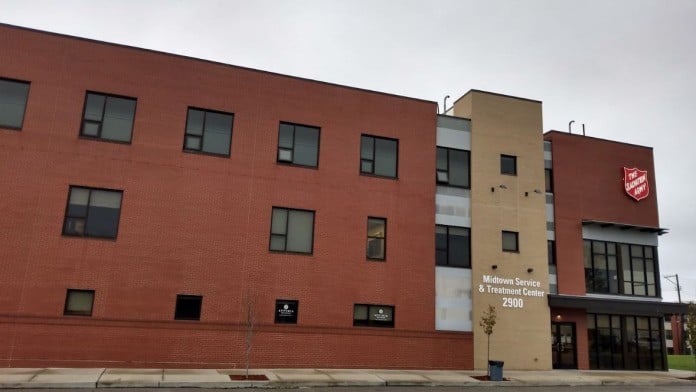
The Salvation Army Midtown Service and Treatment Center
1
Top 10 Rehab Centers In Saint Louis



















































































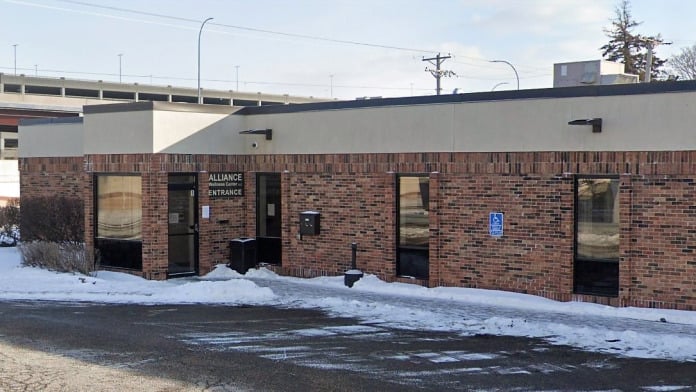
Alliance Wellness Center provides addiction treatment services in Bloomington, Minnesota. Support here is available to adults aged 18 and older, including those with co-occurring mental health issues. As for payment, they accept MN Medical Assistance Programs and other private insurance options.
The center is proud to offer culturally specific services for East African communities. However, their intensive outpatient program (IOP) is co-ed and open to all.
Their IOP offers a flexible pathway for adults looking to address their substance use disorder (SUD). The IOP is held Monday through Thursday from 5-9pm, and runs in 16-week blocks. Group counseling sessions take place in the evening, making it easier and more accessible for individuals to join who have full time work or study commitments. Participants also engage in weekly individual counseling sessions for at least one hour each week. Virtual therapy options are available to those who can’t make regular in-person sessions.
The main therapy style used here is dialectical behavioral therapy (DBT). Participants also engage in addiction and co-occurring disorders education, 12 Step support and mindfulness practices. Occasional guest speakers also step in to offer motivational talks and workshops.
As part of the IOP, individuals can benefit from support for a range of areas. Peers can assist with job hunting, training, finding stable housing, and improving financial literacy and management.

 Our Methodology


Medicare is a federal program that provides health insurance for those 65 and older. It also serves people under 65 with chronic and disabling health challenges. To use Medicare for addiction treatment you need to find a program that accepts Medicare and is in network with your plan. Out of pocket costs and preauthorization requirements vary, so always check with your provider.
Private insurance refers to any kind of healthcare coverage that isn't from the state or federal government. This includes individual and family plans offered by an employer or purchased from the Insurance Marketplace. Every plan will have different requirements and out of pocket costs so be sure to get the full details before you start treatment.
Self-pay involves paying for treatment out of your own pocket. You can use savings or credit, get a personal loan, or receive help from family and friends to fund your treatment. If you don't have insurance or your insurance plan doesn't cover a specific program, self-pay can help ensure you still get the care you need.
Medicaid is a state based program that helps lower-income individuals and families pay for healthcare. Medicaid covers addiction treatment so those enrolled can use their coverage to pay for rehab. When a program accepts Medicaid the client often pays very little or nothing out of their own pocket.
Military members, veterans, and eligible dependents have access to specific insurance programs that help them get the care they need. TRICARE and VA insurance can help you access low cost or no cost addiction and mental health treatment. Programs that accept military insurance often have targeted treatment focused on the unique challenges military members, veterans, and their families face.
Residential treatment programs are those that offer housing and meals in addition to substance abuse treatment. Rehab facilities that offer residential treatment allow patients to focus solely on recovery, in an environment totally separate from their lives. Some rehab centers specialize in short-term residential treatment (a few days to a week or two), while others solely provide treatment on a long-term basis (several weeks to months). Some offer both, and tailor treatment to the patient's individual requirements.
Outpatient rehabs typically provide a full continuum of care both for clients in early recovery and for those who are well advanced in their recovery journey. Their levels of care typically include partial hospitalization (PHP), intensive outpatient (IOP), sober living/halfway housing, and standard outpatient programming. Many outpatient facilities offer evening, night, and weekend services, including addiction counseling and recovery-focused life skills training, to accommodate clients' work and family schedules.
Substance rehabs focus on helping individuals recover from substance abuse, including alcohol and drug addiction (both illegal and prescription drugs). They often include the opportunity to engage in both individual as well as group therapy.
Adult rehab programs include therapies tailored to each client's specific needs, goals, and recovery progress. They are tailored to the specific challenges adult clients may face, including family and work pressures and commitments. From inpatient and residential treatment to various levels of outpatient services, there are many options available. Some facilities also help adults work through co-occurring conditions, like anxiety, that can accompany addiction.
Founder
Rehab.com regularly reviews this listing for accuracy but changes may occur between updates. For the most up-to-date information, please contact Alliance Wellness Center.

7632 Lockwood Ridge Road
Sarasota, FL 34243
Sponsored Helpline

My experience here at Alliance was just wonderful Aleah at the front desk is the most helpful when it comes to everything. Justus is in HR is great at what she do and helps out in what ever way she can all of the counselors are wonderful in every way alliance is a overall place that I would recommend to anyone

I can't say enough good things about Alliance Wellness Center. The staff is caring, respectful, and truly dedicated to helping people improve their lives. From the moment you walk in, you're treated with kindness and compassion. They create a welcoming environment where you feel supported every step of the way. I'm grateful for everything they've done and highly recommend Alliance Wellness Center to anyone looking for professional care and genuine support. Thank you for making a positive difference in the community!

Great and amazing experience culture specific east Africa and African American place. Been here for 7 months loved the care the take of you

This place changed my life and helped me become the man I am today , they took me in when I was paralyzed and couldn’t walk I was on a wheelchair they helped me get to physical therapy everyday and back . They took me into there sober home after realizing I had no where to go after I graduate the program , they took me in and gave me a job
 Back
Back
Sharing your insights and experiences can help others learn more about this rehab center.
 Written By: Lauren Thompson


