











Usually quick and efficient. Dr. Taylor is AMAZING ; very intelligent and well spoken. Easy to talk to.
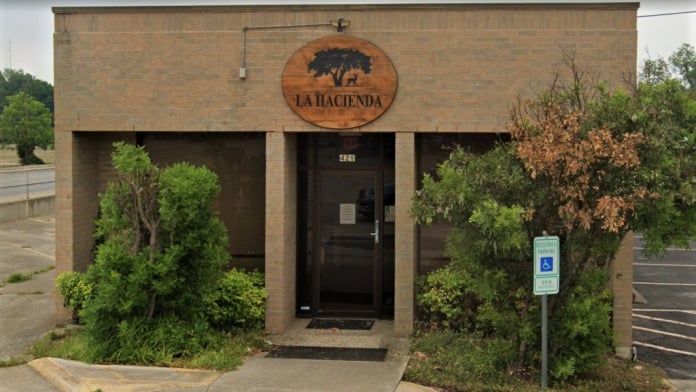
La Hacienda Treatment Center
1
Top 10 Rehab Centers In Hunt



















































































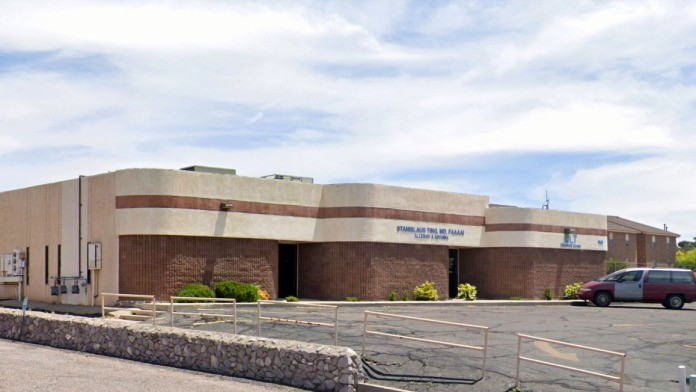
Other helpful services that are provided at this facility are discharge planning, methadone tapering and guest dosing. The core values this clinic strives to follow with all of its clients are respect, collaboration, compassion and excellence.
Methadone is used to help clients reduce their withdrawal symptoms and cravings. The medical staff will supervise you as the dosage is administered. The methadone maintenance plan is tailored to each patient’s specific needs.
You’ll receive psychological and medical support to address other aspects of addiction while you’re receiving this treatment with regular follow ups and adjustments. The medical professionals on staff specialize in treating addictions to fentanyl. Some holistic treatments you’ll receive include life skills training and family involvement.
Sometimes, you may not be able to receive your dosages at your home clinic. The guest dosing service allows clients to receive their dosage at a different clinic while traveling. This allows you to maintain your treatment without interruption.
Over time, you may eventually want to taper off of methadone. Under medical supervision, ATL Recovery Group will gradually reduce your methadone dosage. The expert team will make sure the process is carefully managed, so you have minimal withdrawal symptoms.
An additional helpful service provided at this facility is the discharge planning service. The service is designed to ensure you have continued support and care after you’ve completed MAT. The team will work with you to develop a discharge plan that includes follow up appointments, community resources, ongoing support and relapse prevention.
ALT Recovery Group is conveniently located off I-25. While you’re in the area, you can check out the New Mexico Farm & Ranch Heritage Museum and the New Mexico State University Art Museum.

 Our Methodology


Self-pay involves paying for treatment out of your own pocket. You can use savings or credit, get a personal loan, or receive help from family and friends to fund your treatment. If you don't have insurance or your insurance plan doesn't cover a specific program, self-pay can help ensure you still get the care you need.
Private insurance refers to any kind of healthcare coverage that isn't from the state or federal government. This includes individual and family plans offered by an employer or purchased from the Insurance Marketplace. Every plan will have different requirements and out of pocket costs so be sure to get the full details before you start treatment.
Medicaid is a state based program that helps lower-income individuals and families pay for healthcare. Medicaid covers addiction treatment so those enrolled can use their coverage to pay for rehab. When a program accepts Medicaid the client often pays very little or nothing out of their own pocket.
Outpatient Programs (OP) are for those seeking mental rehab or drug rehab, but who also stay at home every night. The main difference between outpatient treatment (OP) and intensive outpatient treatment (IOP) lies in the amount of hours the patient spends at the facility. Most of the time an outpatient program is designed for someone who has completed an inpatient stay and is looking to continue their growth in recovery. Outpatient is not meant to be the starting point, it is commonly referred to as aftercare.
Drug and alcohol addiction often takes a heavy toll on one's body. Over time, a physical dependence can develop, meaning the body physiologically needs the substance to function. Detox is the process of removing drugs and/or alcohol from the body, a process that can be lethal if mismanaged. Medical detox is done by licensed medical professionals who monitor vital signs and keep you safe, healthy, and as comfortable as possible as you go through detox and withdrawal.
Completing a drug or alcohol rehab program shouldn't spell the end of substance abuse treatment. Aftercare involves making a sustainable plan for recovery, including ongoing support. This can include sober living arrangements like halfway houses, career counseling, and setting a patient up with community programs like Alcoholics Anonymous (AA) or Narcotics Anonymous (NA).
Many of those suffering from addiction also suffer from mental or emotional illnesses like schizophrenia, bipolar disorder, depression, or anxiety disorders. Rehab and other substance abuse facilities treating those with a dual diagnosis or co-occurring disorder administer psychiatric treatment to address the person's mental health issue in addition to drug and alcohol rehabilitation.
Opioid rehabs specialize in supporting those recovering from opioid addiction. They treat those suffering from addiction to illegal opioids like heroin, as well as prescription drugs like oxycodone. These centers typically combine both physical as well as mental and emotional support to help stop addiction. Physical support often includes medical detox and subsequent medical support (including medication), and mental support includes in-depth therapy to address the underlying causes of addiction.
Substance rehabs focus on helping individuals recover from substance abuse, including alcohol and drug addiction (both illegal and prescription drugs). They often include the opportunity to engage in both individual as well as group therapy.
Adult rehab programs include therapies tailored to each client's specific needs, goals, and recovery progress. They are tailored to the specific challenges adult clients may face, including family and work pressures and commitments. From inpatient and residential treatment to various levels of outpatient services, there are many options available. Some facilities also help adults work through co-occurring conditions, like anxiety, that can accompany addiction.
Young adulthood can be an exciting, yet difficult, time of transition. Individuals in their late teens to mid-20s face unique stressors related to school, jobs, families, and social circles, which can lead to a rise in substance use. Rehab centers with dedicated young adult programs will include activities and amenities that cater to this age group, with an emphasis on specialized counseling, peer socialization, and ongoing aftercare.
Research clearly demonstrates that recovery is far more successful and sustainable when loved ones like family members participate in rehab and substance abuse treatment. Genetic factors may be at play when it comes to drug and alcohol addiction, as well as mental health issues. Family dynamics often play a critical role in addiction triggers, and if properly educated, family members can be a strong source of support when it comes to rehabilitation.
Group therapy is any therapeutic work that happens in a group (not one-on-one). There are a number of different group therapy modalities, including support groups, experiential therapy, psycho-education, and more. Group therapy involves treatment as well as processing interaction between group members.
In individual therapy, a patient meets one-on-one with a trained psychologist or counselor. Therapy is a pivotal part of effective substance abuse treatment, as it often covers root causes of addiction, including challenges faced by the patient in their social, family, and work/school life.
Trauma therapy addresses traumatic incidents from a client's past that are likely affecting their present-day experience. Trauma is often one of the primary triggers and potential causes of addiction, and can stem from child sexual abuse, domestic violence, having a parent with a mental illness, losing one or both parents at a young age, teenage or adult sexual assault, or any number of other factors. The purpose of trauma therapy is to allow a patient to process trauma and move through and past it, with the help of trained and compassionate mental health professionals.
 Private Setting
 Medical Director

The Commission on Accreditation of Rehabilitation Facilities (CARF) is a non-profit organization that specifically accredits rehab organizations. Founded in 1966, CARF's, mission is to help service providers like rehab facilities maintain high standards of care.
CARF Accreditation: Yes

The Substance Abuse and Mental Health Services Administration (SAMHSA) is a branch of the U.S. Department of Health and Human Services. Established in 1992 by congress, SAMHSA's mission is to reduce the impact of substance abuse and mental illness on American's communities.
SAMHSA Listed: Yes
Rehab.com regularly reviews this listing for accuracy but changes may occur between updates. For the most up-to-date information, please contact ALT Recovery Group.

1141 Mall Drive
Suite E
Las Cruces, NM 88011
Sponsored Helpline
Usually quick and efficient. Dr. Taylor is AMAZING ; very intelligent and well spoken. Easy to talk to.
ALT Recovery Group gave me a lifeline. They made the whole treatment so simple and always helped me set up transportation. Nurses care deeply about your recovery, it is a very clean place both in the atmosphere and in the building itself

I love coming on to a place where I feel the people actually know me and care about recovery... I also love when we have the overdose awareness week cuz we get goodies that whole week... Thanks to everyone at Alt... 💯

The best counsels Drs assistance nurses and Mia's in all the world and the universe she's captain marvel and my superman yes mia is all knowing .

Based on my experience with this facility I recommend you GO ELSEWHERE. If you are seeking therapy, skilled medical staff, and ethically administered Medication Assisted Therapy, including titration that is safe and complies with current state laws and best practices, which ALT Recovery emphatically does not, this is not the place. It's a pretty bad sign when the Medical Director, Dr. Escobedo, wasn't even aware of the Substance Abuse and Mental Health Services Administration's recommendations (which are considered best practices by the vast majority of medical & behavioral health providers) regarding safe reduction of Methadone. Counseling @ ALT is a farce at best. These "counselors" are glorified case managers who need a refresher in HIPPA, specific to the Privacy Act, & evidence based therapy, not a check in with no therapeutic value, but billed as therapy nonetheless. In essence ALT is a "Juice Bar". They are there to administer drugs that are hyper habit-forming to ironically combat addiction, then exploit their patient's addictions by overmedicating (incredibly high dosages), failing to provide a comprehensive approach to substance abuse treatment and profiting on each patient. Finally, though they have rid themselves of the cameras, THERE WERE LIVE CAMERAS IN THE RESTROOM for an extended period of time, & all patients of ALT were REQUIRED to give written consent to filming during urine sample collection and coerced by staff to sign consent forms or face being kicked out of the clinic, which is currently the only one of its kind in Las Cruces and the entirety of Southern New Mexico. It is standard practice for MAT facility personnel to conduct "observed UA's" when any sampling concerns arise, but cameras, never. GOOD NEWS: ALT had a monopoly on Med7cation Assisted Treatment in Las Cruces, however a NEW CLINIC IS OPENING SOON on Telshor Blvd. in LC. It is my hope that this new clinic will provide appropriate, ethical, responsive, and responsible life saving treatment for people experiencing addiction.

I love this place they are pretty much responsible for saving my life everyone who works here is also really nice p.s. I ❤️ Mia she is the best employee
 Back
Back
Sharing your insights and experiences can help others learn more about this rehab center.
 Written By: Eric Owens