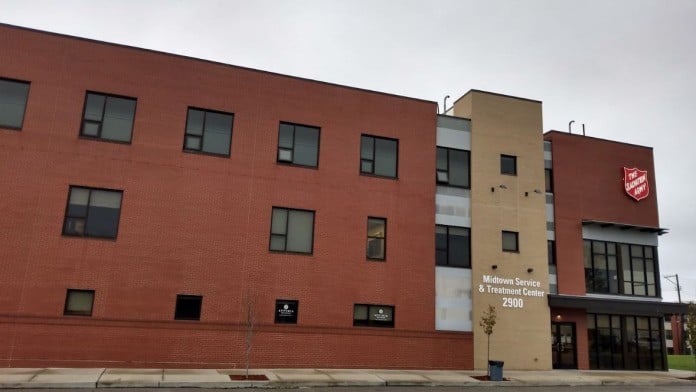
The Salvation Army Midtown Service and Treatment Center
1
Top 10 Rehab Centers In Saint Louis



















































































Anchor Recovery is an outpatient addiction treatment center in Buffalo, Minnesota, providing flexible care for adults struggling with substance use disorders. Located in downtown Buffalo, the program offers in-person and telehealth services tailored to fit around work and family commitments. With a stigma-free approach, Anchor Recovery delivers personalized treatment planning and support for co-occurring mental health concerns.
Clients can begin with a substance use assessment conducted by a licensed chemical health assessor to determine the appropriate level of care. The assessment meets the Minnesota state requirements for DWI/DUI evaluations.
Guests can then start outpatient treatment with flexible options that allow them to balance recovery while living at home. They can work on stress reduction techniques, healthier coping strategies and relapse prevention methods.
Treatment includes group therapy, individual counseling, educational workshops and relapse prevention planning, all delivered by licensed clinicians. Anchor Recovery integrates care for co-occurring mental health issues and supports all medication-assisted therapies to ensure clients receive individualized support.
These medications can relieve harsh withdrawal symptoms allowing clients to relax and focus on healing. The clinic accepts most major insurance such as Blue Cross and Medicaid plans. Sliding scale fees are available for those without healthcare coverage.

 Our Methodology


Self-pay involves paying for treatment out of your own pocket. You can use savings or credit, get a personal loan, or receive help from family and friends to fund your treatment. If you don't have insurance or your insurance plan doesn't cover a specific program, self-pay can help ensure you still get the care you need.
Medicaid is a state based program that helps lower-income individuals and families pay for healthcare. Medicaid covers addiction treatment so those enrolled can use their coverage to pay for rehab. When a program accepts Medicaid the client often pays very little or nothing out of their own pocket.
Sliding scale payments are based on a client's income and family size. The goal is to make treatment affordable to everyone. By taking these factors into account, addiction recovery care providers help ensure that your treatment does not become a financial burden to you or your family, eliminating one barrier to care.
Outpatient rehabs typically provide a full continuum of care both for clients in early recovery and for those who are well advanced in their recovery journey. Their levels of care typically include partial hospitalization (PHP), intensive outpatient (IOP), sober living/halfway housing, and standard outpatient programming. Many outpatient facilities offer evening, night, and weekend services, including addiction counseling and recovery-focused life skills training, to accommodate clients' work and family schedules.
Rehab aftercare programs provide robust, wraparound care for clients who have completed detox and/or intensive inpatient rehab. Their services may vary widely, but typically include peer coaching, relapse prevention support, 12 step program induction, career counseling, and related community reintegration services. The client's case manager and recovery team coordinates with the client to identify the rehab aftercare services they need to promote their sustained sobriety.
Intensive outpatient programs (IOP) provide one of the highest levels of care available in an outpatient setting and are designed for clients who require robust support. Many intensive outpatient rehabs offer personalized treatment plans and a variety of services, including individual, group, and family counseling, recovery-focused life skills training, holistic therapies, and medication assisted treatment (MAT). Clients typically receive between nine and 20 hours of care weekly.
12 step programs support long-term recovery through personal growth. Participants are expected to regularly attend 12 step meetings, which are free, anonymous, and accessible 365 days per year in most communities. They are also mentored by self-selected sponsors who help guide them through the steps of recovery, which are rooted in spiritual principles and designed to foster self-awareness, forgiveness, accountability, and acceptance. Religious affiliation is not required and specialized formats, including age and gender specific meetings, are available.
Telehealth in Minnesota allows you to get the care you need from anywhere. You can meet with your doctor or counselor while you're at home, at work, or wherever is most convenient for you. Using telehealth technology such as video calls or medical apps, you can consult with your provider and quickly get the medical advice you need.
Alcoholism is a chronic, progressive condition involving the excessive and compulsive consumption of alcohol. This overconsumption leads to physical dependence and alcohol addiction. Alcohol rehab in Minnesota offers resources to help individuals recover from alcoholism and maintain a sober lifestyle. Treatment typically involves a three-step process that begins with supervised detox, followed by behavioral-based rehab, then continues with sobriety maintenance.
 Opioid Addiction
Drug addiction is defined as an inability to stop using drugs even though it causes negative consequences in your life. Drug rehab in Minnesota provides treatment for drug addiction in a variety of settings including inpatient treatment and outpatient treatment.
Dual-diagnosis addiction treatment in Minnesota emphasizes integrated care for individuals with co-occurring substance use disorders and mental health conditions. Their specialized programs offer outpatient, inpatient, partial hospitalization, and intensive outpatient levels of care. Therapies such as cognitive behavioral therapy, or dialectical behavioral therapy, mindfulness-based therapy, and experiential therapy help clinical experts to treat both disorders and promote mental health and well-being. Additional services like medically assisted detox, 12-Step recovery, and aftercare support may be available to further support you in sustaining your recovery.
Substance abuse treatment programs in Minnesota are designed to support individuals to overcome addiction. These programs employ evidence-based therapies such as cognitive-behavioral therapy (CBT), dialectical behavior therapy (DBT), and eye movement desensitization and reprocessing (EMDR), together with individual and group therapy, and recovery meetings. With a variety of treatment options available, which typically include outpatient, inpatient, dual-diagnosis, and partial hospitalization, you'll be able to find a personalized treatment option that works for your individual needs.
One of the main goals of inpatient rehab is the simultaneous treatment an addiction and co-occurring mental health disorders. Services usually include individual and group counseling and relapse prevention education. Other standard therapies can include coping skills training, cognitive-behavioral therapy (CBT), motivational interviewing, and family support groups. By offering a number of critical therapies under one roof, you have a greater chance of boosting overall mental health and achieving sustained recovery.
Adult rehab programs include therapies tailored to each client's specific needs, goals, and recovery progress. They are tailored to the specific challenges adult clients may face, including family and work pressures and commitments. From inpatient and residential treatment to various levels of outpatient services, there are many options available. Some facilities also help adults work through co-occurring conditions, like anxiety, that can accompany addiction.
Young adulthood can be an exciting, yet difficult, time of transition. Individuals in their late teens to mid-20s face unique stressors related to school, jobs, families, and social circles, which can lead to a rise in substance use. Rehab centers with dedicated young adult programs will include activities and amenities that cater to this age group, with an emphasis on specialized counseling, peer socialization, and ongoing aftercare.
People benefit from group therapy sessions that offer them the chance to learn and practice conflict resolution skills with their peers. This helps you recognize your strengths and capabilities, which boosts your self confidence as you work toward overcoming addiction and building a healthier lifestyle.
Qualified therapists in Minnesota offer individual therapy to men and women so they can receive customized care tailored to their needs. Your therapist works to understand your unique circumstances and provide you with targeted interventions and coping skills essential for long term recovery.
Families in Minnesota use family therapy to understand the roles they play in addiction. Each member plays a role and contributes to a pattern of behavior. Families learn to interact in healthier ways that support each other and contribute to their loved one's journey to recovery.
Trauma therapy helps you understand and manage your mental, emotional, and physical responses to trauma. Using therapeutic interventions, you learn to reframe the experience, which in turn reduces your anxiety and helps you regain control over your life.
Therapists often use cognitive behavioral therapy in Minnesota to treat substance use disorders because it can help clients quickly identify challenges and ways to cope with them. Its structured, specific methods require fewer sessions than other types of therapy.
For a successful recovery, life skills training is key. That's why rehab programs in Minnesota include training in social skills, self care, time management, financial management, and other daily life skills. By growing in these areas, you'll gain tools that allow you to navigate challenges and avoid relapse.
Dialectical behavior therapy focuses on four skills: emotional regulation, mindfulness, acceptance and distress tolerance, and interpersonal effectiveness. Treatment involves individual sessions, as well as group sessions where you can start applying the skills you learn.
The expressive activities of experiential therapy allow you to reexperience past emotional situations safely. Your therapist can then help you reflect on the emotions that this triggered, work through past hurts, and learn how to deal with future emotional challenges.
When conducting motivational interviewing in Minnesota, the interviewer encourages clients to discuss their reasons for making changes and their need for change in their lives. The interviewer's role is to listen and reflect, to evoke conversation about commitment to change.
 Eye Movement Desensitization And Reprocessing
State Licenses are permits issued by government agencies that allow rehab organizations to conduct business legally within a certain geographical area. Typically, the kind of program a rehab facility offers, along with its physical location, determines which licenses are required to operate legally.
State License: Minnesota
Rehab.com regularly reviews this listing for accuracy but changes may occur between updates. For the most up-to-date information, please contact Anchor Recovery.

116 Central Avenue
Buffalo, MN 55313
Sponsored Helpline


My time at anchor allowed me to get back on track physically and mentally. The owner truly cares about addicts and helping us recover. I'm almost 3 years clean as a result!

We recently had the opportunity to do work at Anchor Recovery, and they were incredible to work with. Their team was extremely professional and responsive throughout the entire process. It’s clear they care deeply about their work and the people they serve. We’re grateful for the experience and would be happy to work with them again in the future.

 Back
Back
Sharing your insights and experiences can help others learn more about this rehab center.