





























































































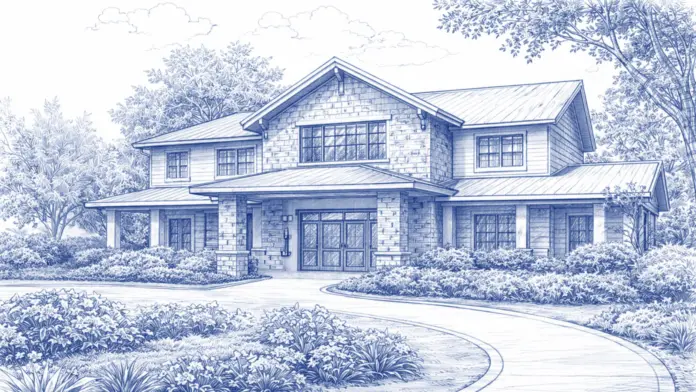
About Bridgeway Rehabilitation Services
Bridgeway Behavioral Health Services is a recovery organization that offers treatment for mental illness and co-occurring substance use disorders (SUD). The organization provides services throughout New Jersey, including from its facility in Union. At the Union facility, individuals can attend substance use and mental health counseling either virtually or in person.
They treat individuals of all ages from 6 years old and up. They welcome all insurance plans, including Medicare and Medicaid.
If you’re uninsured, they’ll assist you with figuring out a payment plan. The facility is less than three miles from Union Square in downtown Elizabeth.
Integrated Addiction Treatment and Social Services
The organization offers multiple treatment and supportive services. This includes outpatient treatment for clients with co-occurring disorders, as well as assistance for those experiencing housing instability or homelessness.
Counselors assist families affected by their loved one’s substance misuse or mental illness. Clients have noted their satisfaction with the supportiveness and compassion of the staff. Others have remarked on their positive outcomes and noted that you have to be willing to engage with community based care long term.
Community Treatment Settings
The office is near downtown Elizabeth, which offers a vibrant mix of family owned businesses, a seasonal farmer’s market and ethnic grocery stores. Veteran’s Memorial Waterfront Park is about five miles from the office and offers open lawns, chess tables and beautiful views of the New York City Skyline.
There are some private offices and group meeting spaces, but many of the services are offered in a client’s community environment. Appointments are flexible and often occur in a client’s workplace or home. The staff puts a strong emphasis on independent living and community reintegration.

Rehab Score
 Our Methodology


Location
Other Forms of Payment
Medicaid is a state based program that helps lower-income individuals and families pay for healthcare. Medicaid covers addiction treatment so those enrolled can use their coverage to pay for rehab. When a program accepts Medicaid the client often pays very little or nothing out of their own pocket.
Self-pay involves paying for treatment out of your own pocket. You can use savings or credit, get a personal loan, or receive help from family and friends to fund your treatment. If you don't have insurance or your insurance plan doesn't cover a specific program, self-pay can help ensure you still get the care you need.
Financial aid can take many forms. Centers may have grants or scholarships available to clients who meet eligibility requirements. Programs that receive SAMHSA grants may have financial aid available for those who need treatment as well. Grants and scholarships can help you pai for treatment without having to repay.
Addiction Treatments
Levels of Care
Outpatient Programs (OP) are for those seeking mental rehab or drug rehab, but who also stay at home every night. The main difference between outpatient treatment (OP) and intensive outpatient treatment (IOP) lies in the amount of hours the patient spends at the facility. Most of the time an outpatient program is designed for someone who has completed an inpatient stay and is looking to continue their growth in recovery. Outpatient is not meant to be the starting point, it is commonly referred to as aftercare.
Treatments
Many of those suffering from addiction also suffer from mental or emotional illnesses like schizophrenia, bipolar disorder, depression, or anxiety disorders. Rehab and other substance abuse facilities treating those with a dual diagnosis or co-occurring disorder administer psychiatric treatment to address the person's mental health issue in addition to drug and alcohol rehabilitation.
Mental health rehabs focus on helping individuals recover from mental illnesses like bipolar disorder, clinical depression, anxiety disorders, schizophrenia, and more. Mental health professionals at these facilities are trained to understand and treat mental health issues, both in individual and group settings.
Programs
Adult rehab programs include therapies tailored to each client's specific needs, goals, and recovery progress. They are tailored to the specific challenges adult clients may face, including family and work pressures and commitments. From inpatient and residential treatment to various levels of outpatient services, there are many options available. Some facilities also help adults work through co-occurring conditions, like anxiety, that can accompany addiction.
Young adulthood can be an exciting, yet difficult, time of transition. Individuals in their late teens to mid-20s face unique stressors related to school, jobs, families, and social circles, which can lead to a rise in substance use. Rehab centers with dedicated young adult programs will include activities and amenities that cater to this age group, with an emphasis on specialized counseling, peer socialization, and ongoing aftercare.
Clinical Services
Cognitive Behavioral Therapy (CBT) is a therapy modality that focuses on the relationship between one's thoughts, feelings, and behaviors. It is used to establish and allow for healthy responses to thoughts and feelings (instead of unhealthy responses, like using drugs or alcohol). CBT has been proven effective for recovering addicts of all kinds, and is used to strengthen a patient's own self-awareness and ability to self-regulate. CBT allows individuals to monitor their own emotional state, become more adept at communicating with others, and manage stress without needing to engage in substance abuse.
Group therapy is any therapeutic work that happens in a group (not one-on-one). There are a number of different group therapy modalities, including support groups, experiential therapy, psycho-education, and more. Group therapy involves treatment as well as processing interaction between group members.
Staff
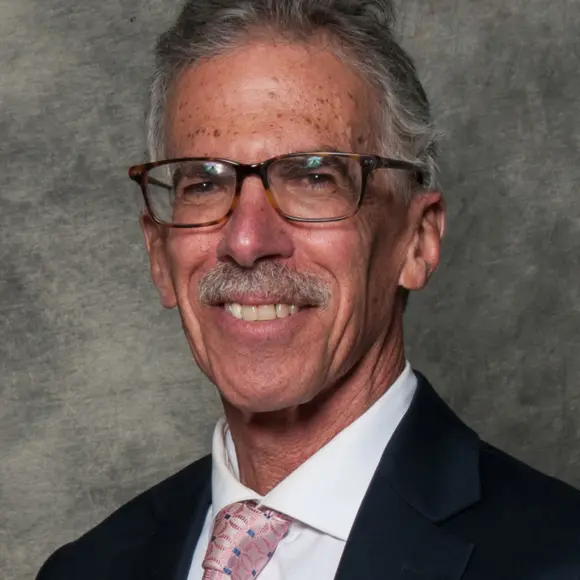
Cory Storch
President & CEO
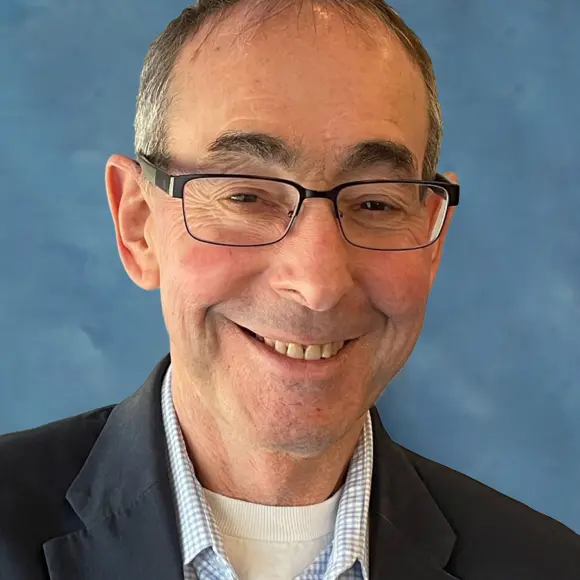
Buddy Garfinkle
Senior Vice President, Chief Program Officer
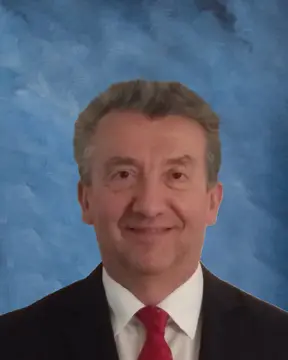
Bohdan Czartorysky, MD
Medical Director
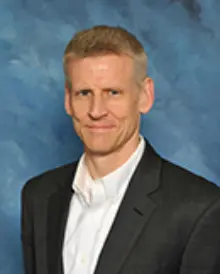
Robert Edes
COO
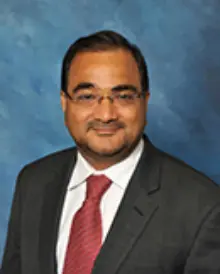
Biren Parikh
CFO
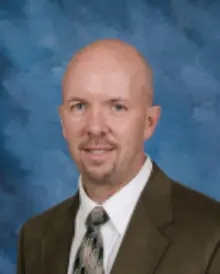
Craig Cook
Director of Data Analytics
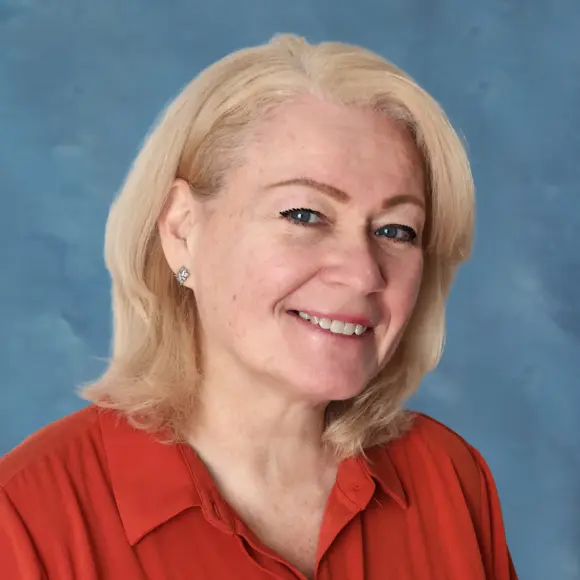
Lisa Giannascoli
Vice President of Marketing & Communications
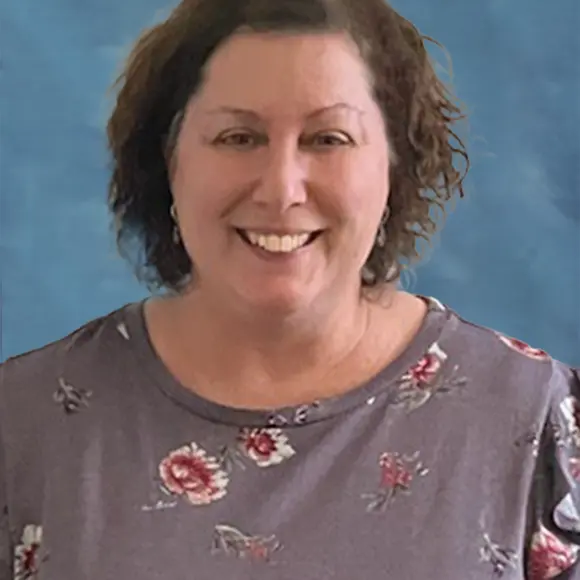
Dr. Caren Levensohn
Director of Quality Improvement
Rehab.com regularly reviews this listing for accuracy but changes may occur between updates. For the most up-to-date information, please contact Bridgeway Rehabilitation Services.
Contact Information


373 Clermont Terrace
Union, NJ 07083
Sponsored Helpline

