Our Rehab Score is designed to make it easier for you to find the best treatment centers. We combine overall ratings with recent feedback to create a score that reflects a center's quality right now.
Our Rehab Score is designed to make it easier for you to find the best treatment centers. We combine overall ratings with recent feedback to create a score that reflects a center's quality right now.
8.33 / 10
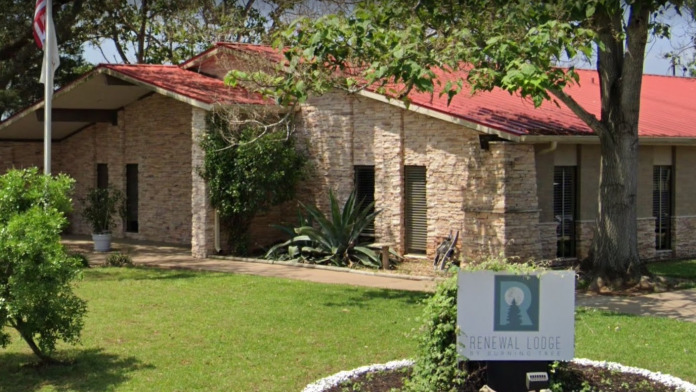
About Renewal Lodge by Burning Tree
They’re known for high quality, individualized and ‘whole person’ substance abuse treatment. This is made possible by their innovative recovery approach that incorporates evidence based therapy and mindfulness in recovery. This is in addition to addiction medicine and 12 Step immersion.
Mindfulness is by far the most outstanding feature of their recovery approach. Mindfulness makes you more aware of your behavioral patterns, cravings and disruptive thoughts. This increased awareness facilitates better decision making and emotional regulation. These are essential in maintaining lasting sobriety.
Combining mindfulness and the traditional 12 Step program enhances the efficiency of both recovery methods. This ensures a dynamic breakthrough in your recovery journey and successful rehabilitation.
The facility boasts a multidisciplinary team of licensed and highly skilled care professionals. These range from psychiatrists to counselors and clinicians. These experts are compassionate, supportive and committed to your recovery journey.
During the program you’ll participate in various individual and group therapy sessions. This helps you build solid coping skills and relapse prevention strategies. You’ll also benefit from psychoeducational lectures and gym and recreational activities. The program also involves medication management, biopsychosocial assessment/evaluation and lifetime alumni events to support ongoing recovery. Significant emphasis is placed on the family as part of the treatment process.
The facility also provides tailored aftercare plans to equip you with the tools to prevent relapse and maintain lasting recovery. This may include outpatient programming, medication management and structured transitional living.
Burning Tree Lodge gave me far more than 90 days of treatment—it gave me the tools, support, consistency, and accountability I needed to completely change the direction of my life.
I came to Burning Tree needing hopeless and broken, but I left with something I never could have built on my own: a real foundation for recovery. Through doing the work, showing up every day, being honest, and allowing others to hold me accountable, I experienced what I can only describe as a complete psychic change.
Burning Tree also gave me the space to find and build my relationship with God and connect with the fellowship of A.A. Those two things have become the foundation of my life today. The lessons, relationships, and principles I learned there continue to show up in every part of my life.
I truly believe Burning Tree Lodge is the Harvard of the 12 Steps. The depth of the work, the commitment of the people, and the environment they create are unlike anything I have experienced. It is not simply a place you go to get sober—it is a place where you learn how to live differently.
The ripple effects of what happens on that sacred ground are immeasurable. The investment you make in yourself there continues to pay dividends long after you leave.
I am incredibly grateful for Burning Tree Lodge, the people who walked beside me, the people who challenged me, and the people who refused to let me settle for anything less than a life of purpose and recovery.
If you are willing to do the work, Burning Tree will give you the tools and the opportunity to build something extraordinary.
90 days changed my life. The work continues, and for the first time in a long time, I am filled with hope for what comes next.
I will forever be grateful for Burning Tree Lodge.
Scoring is assigned by a proprietary system which helps surface key metrics that determine quality. The 10-point scale factors in categories such as operations, customer satisfaction, and trust metrics. Read Full Methodology
8.3 / 10
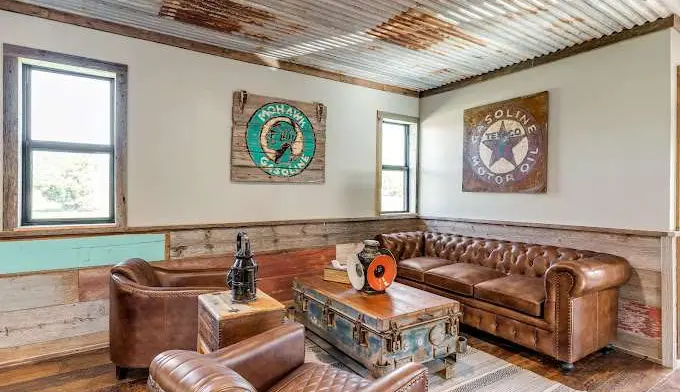
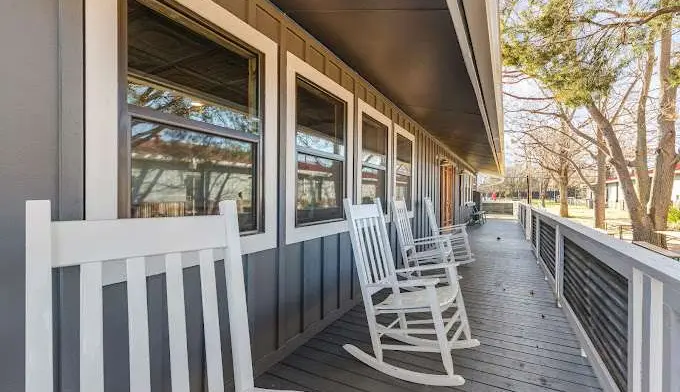
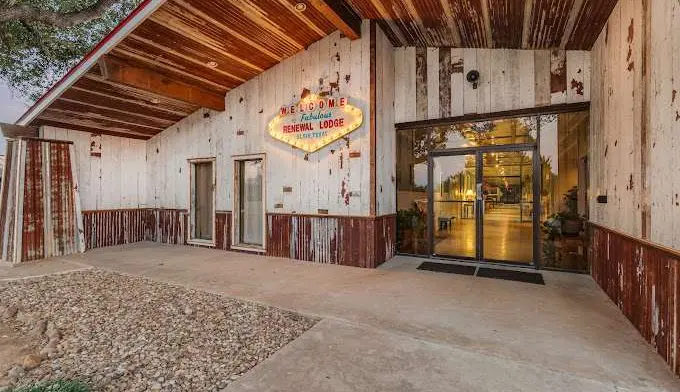
Gallery
Accepted Insurance
Please contact to verify your specific insurance provider.
Renewal Lodge by Burning Tree works with several private insurance providers, please contact to verify your specific insurance provider.
Private insurance refers to any kind of healthcare coverage that isn't from the state or federal government. This includes individual and family plans offered by an employer or purchased from the Insurance Marketplace. Every plan will have different requirements and out of pocket costs so be sure to get the full details before you start treatment.
Self-pay involves paying for treatment out of your own pocket. You can use savings or credit, get a personal loan, or receive help from family and friends to fund your treatment. If you don't have insurance or your insurance plan doesn't cover a specific program, self-pay can help ensure you still get the care you need.
Financial aid can take many forms. Centers may have grants or scholarships available to clients who meet eligibility requirements. Programs that receive SAMHSA grants may have financial aid available for those who need treatment as well. Grants and scholarships can help you pai for treatment without having to repay.
Military members, veterans, and eligible dependents have access to specific insurance programs that help them get the care they need. TRICARE and VA insurance can help you access low cost or no cost addiction and mental health treatment. Programs that accept military insurance often have targeted treatment focused on the unique challenges military members, veterans, and their families face.
Addiction Treatments
Levels of Care
After completing some form of inpatient care, many clients transition or step down to an outpatient rehab, while some choose to transition from detox directly into outpatient care. High-intensity outpatient programming, including partial hospitalization (PHP) and intensive outpatient (IOP) is widely available for clients in early recovery, those leaving detox, and those at an elevated relapse risk. Clients in outpatient care generally engage in robust addiction counseling and recovery education, and some also receive medication assisted treatment (MAT).
Inpatient, or residential, drug treatment requires that the person receiving treatment for addictions or substance abuse, residing in a facility for a designated length of time. Inpatient treatment may be either short or long term depending on the needs and situation of the individual. Both frameworks involve similar therapies. Inpatient treatment does not include detoxification, as that usually occurs in a hospital environment, but follows it.
Rehab aftercare programs are based on a model of continuing care and the premise that recovery is a life-long process requiring ongoing client support. Many rehab aftercare services include outpatient care, but clients often continue to receive support after being discharged from formal treatment. Case managers and care teams typically collaborate with clients to design their long-term care plan, which may include peer coaching, career counseling, and 12 step program induction, among other services.
12-step programs are addiction recovery models based on Alcoholics Anonymous (AA). A number of substance abuse programs (including some drug and alcohol rehab centers) use the 12 steps as a basis for treatment. Beginning steps involve admitting powerlessness over the addiction and creating a spiritual basis for recovery. Middle steps including making direct amends to those who've been hurt by the addiction, and the final step is to assist others in addiction recovery in the same way. 12-Step offshoots including Narcotics Anonymous (NA), Cocaine Anonymous (CA), Dual Recovery Anonymous (DRA), Sex and Love Addicts Anonymous (SLAA) and Gamblers Anonymous (GA).
Residents of a sober living home in Texas reside at the halfway house with others who have agreed to abstain from substances and practice sober-living skills. The relationships and accountability formed here can help individuals strengthen their mental health and achieve long-term recovery. Residents share common spaces such as kitchens and back yards, share meals together, and share household responsibilities such as cooking and cleaning.
A drug intervention in Texas may be necessary if your loved one is in denial about a substance use disorder. You can partner with intervention services to plan and execute an effective intervention that educates your loved one about addiction and encourages them to get the treatment they need. Many rehab centers offer intervention specialists who can facilitate the intervention and help with a seamless transition to inpatient rehab for treatment.
Commonly known as "day treatment," a partial hospitalization program (PHP) offers intensive addiction treatment while allowing you to return home each day. It can serve as an alternative to inpatient hospitalization or as a step-down option. Depending on your needs, PHP treatment typically averages 90 days with a weekly requirement of 6-8 hours a day. PHP treatment offers a variety of therapeutic interventions such as individual counseling, group therapy, and psychoeducation. Oftentimes PHP treatment can be fully covered by insurance.
24-hour clinical care in Texas provides a safe environment for medical detox. This setting is crucial to provide medical care during withdrawal. Certain withdrawal symptoms can cause life-threatening conditions, but patients in a supervised clinical setting have treatment readily available to address any symptoms before they become severe. Treatment can also be provided for co-occurring physical and mental health issues.
Ridding the body of harmful, addictive substances, also known as detoxification, is usually the first phase of recovery. Those going through medically assisted detox can be administered medications by a team of medical professionals who are on-site 24/7 to provide different types of therapies that help mitigate withdrawal symptoms.
Treatments
The goal of treatment for alcoholism is abstinence. Those with poor social support, poor motivation, or psychiatric disorders tend to relapse within a few years of treatment. For these people, success is measured by longer periods of abstinence, reduced use of alcohol, better health, and improved social functioning. Recovery and Maintenance are usually based on 12 step programs and AA meetings.
During rehab in Texas, you'll deal with underlying issues that contribute to addiction. By addressing these challenges and learning healthy ways to cope with them, you'll develop strategies that help you live a drug-free lifestyle.
Many of those suffering from addiction also suffer from mental or emotional illnesses like schizophrenia, bipolar disorder, depression, or anxiety disorders. Rehab and other substance abuse facilities treating those with a dual diagnosis or co-occurring disorder administer psychiatric treatment to address the person's mental health issue in addition to drug and alcohol rehabilitation.
A combined mental health and substance abuse rehab has the staff and resources available to handle individuals with both mental health and substance abuse issues. It can be challenging to determine where a specific symptom stems from (a mental health issue or an issue related to substance abuse), so mental health and substance abuse professionals are helpful in detangling symptoms and keeping treatment on track.
Opioid rehabs specialize in supporting those recovering from opioid addiction. They treat those suffering from addiction to illegal opioids like heroin, as well as prescription drugs like oxycodone. These centers typically combine both physical as well as mental and emotional support to help stop addiction. Physical support often includes medical detox and subsequent medical support (including medication), and mental support includes in-depth therapy to address the underlying causes of addiction.
Substance abuse treatment is available in Texas for anyone who's struggling with drug or alcohol addiction. These programs usually provide a comprehensive assessment and individualized treatment plan, and include evidence-based treatments, like therapies such as cognitive-behavioral therapy (CBT) to reframe unhelpful coping strategies, and dialectical behavior therapy (DBT) to help with emotional regulation and stress.
Programs
Adult rehab programs include therapies tailored to each client's specific needs, goals, and recovery progress. They are tailored to the specific challenges adult clients may face, including family and work pressures and commitments. From inpatient and residential treatment to various levels of outpatient services, there are many options available. Some facilities also help adults work through co-occurring conditions, like anxiety, that can accompany addiction.
Young adulthood can be an exciting, yet difficult, time of transition. Individuals in their late teens to mid-20s face unique stressors related to school, jobs, families, and social circles, which can lead to a rise in substance use. Rehab centers with dedicated young adult programs will include activities and amenities that cater to this age group, with an emphasis on specialized counseling, peer socialization, and ongoing aftercare.
Recovery is most successful when clients feel accepted and validated by their peers and treatment providers. Facilities that offer LGBTQ-inclusive programming are committed to creating a safe space where everyone can grow and recover without fear of judgment or discrimination. They will have dedicated policies in place to create a safe and supportive environment that fosters free expression.
Serving in the military is both mentally and physically challenging, and can result in trauma that persists even after combat ends. Military programs are tailored to the specific and often complex needs of active duty personnel, veterans, and military families. Clients often access these programs through the U.S. Department of Veterans Affairs (VA).
Clinical Services
Cognitive Behavioral Therapy (CBT) is a therapy modality that focuses on the relationship between one's thoughts, feelings, and behaviors. It is used to establish and allow for healthy responses to thoughts and feelings (instead of unhealthy responses, like using drugs or alcohol). CBT has been proven effective for recovering addicts of all kinds, and is used to strengthen a patient's own self-awareness and ability to self-regulate. CBT allows individuals to monitor their own emotional state, become more adept at communicating with others, and manage stress without needing to engage in substance abuse.
Treatment that takes a dialectical behavior therapy approach focuses on four strategies. Distress tolerance will help you accept and tolerate intense emotions. Emotional regulation will teach you to manage those emotions. Mindfulness will keep you in the present moment instead of regret or worry. Interpersonal effectiveness will teach you to manage your relationships.
Group therapy is any therapeutic work that happens in a group (not one-on-one). There are a number of different group therapy modalities, including support groups, experiential therapy, psycho-education, and more. Group therapy involves treatment as well as processing interaction between group members.
In individual therapy, a patient meets one-on-one with a trained psychologist or counselor. Therapy is a pivotal part of effective substance abuse treatment, as it often covers root causes of addiction, including challenges faced by the patient in their social, family, and work/school life.
Motivational Interviewing (MI) is a clinical approach to helping people with substance abuse issues and other conditions shift behavior in positive ways. It is more goal-oriented than traditional psychotherapy, as MI counselors directly attempt to get clients to consider making behavioral change (rather than wait for them to come to conclusions themselves). Its primary purpose is to resolve ambivalence and help clients become able to make healthy choices freely.
Trauma therapy addresses traumatic incidents from a client's past that are likely affecting their present-day experience. Trauma is often one of the primary triggers and potential causes of addiction, and can stem from child sexual abuse, domestic violence, having a parent with a mental illness, losing one or both parents at a young age, teenage or adult sexual assault, or any number of other factors. The purpose of trauma therapy is to allow a patient to process trauma and move through and past it, with the help of trained and compassionate mental health professionals.
Couples therapy helps couples learn to control emotions, trust each other, and communicate more effectively. It can be useful for short term intervention for a specific issue or for working on the relationship long term.
Research clearly demonstrates that recovery is far more successful and sustainable when loved ones like family members participate in rehab and substance abuse treatment. Genetic factors may be at play when it comes to drug and alcohol addiction, as well as mental health issues. Family dynamics often play a critical role in addiction triggers, and if properly educated, family members can be a strong source of support when it comes to rehabilitation.
Life skills trainings involve all the skills a person must have in order to function successfully in the world. These include time management, career guidance, money management, and effective communication. Truly successful addiction recovery is based on the ability to not only live substance-free, but to thrive. Life skills teaches the practical necessities of functioning in society, which sets clients up for success in life, and therefore sobriety.
What you eat has a significant effect on your mental and physical health. That's why many addiction recovery programs in Texas incorporate nutrition therapy in their treatment. This therapy teaches you how addiction affects nutrition, what foods are best to eat during recovery, and how to shop for and prepare healthy meals.
Recreational therapy (aka therapeutic recreation) uses creative and fun activities to help with addiction recovery. Recreational therapists lead patients in entertaining and engaging activities like sports or games; art (drawing, painting, sculpture); drama, music, and dance; and/or community outings (field trips) to improve patients' physical, social, and emotional well-being.
Experiential therapy is a form of therapy in which clients are encouraged to surface and work through subconscious issues by engaging in real-time experiences. Experiential therapy departs from traditional talk therapy by involving the body, and having clients engage in activities, movements, and physical and emotional expression. This can involve role-play or using props (which can include other people). Experiential therapy can help people process trauma, memories, and emotion quickly, deeply, and in a lasting fashion, leading to substantial and impactful healing.
When used as recommended, nicotine replacement therapy in Texas provides enough nicotine to help you avoid severe cravings and withdrawal symptoms after quitting smoking. This increases comfort so you're less likely to relapse into your smoking habit.
Amenities
Gym
Yoga Studio
Residential Setting
Private Rooms
Staff & Accreditations
Staff
Peter Piraino, LMSW, LCDC, LISAC
Chief Executive Officer
Alejando D Kudisch, M.D., D.L.F.A.P.A, DR
Medical Director
Joshua New, LCSW
Clinical Director
Brook McKenzie, LCDC
Chief Operations Officer
David Elliott
Founder and President
Olivia Wilder
Director of Admissions
Accreditations
The Substance Abuse and Mental Health Services Administration (SAMHSA) is a branch of the U.S. Department of Health and Human Services. Established in 1992 by congress, SAMHSA's mission is to reduce the impact of substance abuse and mental illness on American's communities.
SAMHSA Listed: Yes
State Licenses are permits issued by government agencies that allow rehab organizations to conduct business legally within a certain geographical area. Typically, the kind of program a rehab facility offers, along with its physical location, determines which licenses are required to operate legally.
State License: Texas
The Joint Commission, formerly known as JCAHO, is a nonprofit organization that accredits rehab organizations and programs. Founded in 1951, the Joint Commision's mission is to improve the quality of patient care and demonstrating the quality of patient care.
The National Association of Addiction Treatment Providers (NAATP) is a professional association that represents organizations in the field of addiction services. Founded in 1978, NAATP's mission is to advance addiction services and ensure that high-quality addiction treatment is available and accessible.
NAATP Member: Yes
Member ID: 18613
Rehab.com regularly reviews this listing for accuracy but changes may occur between updates. For the most up-to-date information, please contact Renewal Lodge by Burning Tree.
Very toxic culture. This is not the place to send your loved ones. I dropped off my wife entrusting staff to take care of her. From the moment she arrived she was belittled, called a puppet for following directions. Even her Burning Tree counselor said Burning tree was v ...
Read More
They truly care about their clients and make sure to set them up for success when they get out
Jeremy Bilotto
1 month ago
5
Burning Tree Lodge gave me far more than 90 days of treatment—it gave me the tools, support, consistency, and accountability I needed to completely change the direction of my life.
I came to Burning Tree needing hopeless and broken, but I left with something I never could have built on my own: a real foundation for recovery. Through doing the work, showing up every day, being honest, and allowing others to hold me accountable, I experienced what I can only describe as a complete psychic change.
Burning Tree also gave me the space to find and build my relationship with God and connect with the fellowship of A.A. Those two things have become the foundation of my life today. The lessons, relationships, and principles I learned there continue to show up in every part of my life.
I truly believe Burning Tree Lodge is the Harvard of the 12 Steps. The depth of the work, the commitment of the people, and the environment they create are unlike anything I have experienced. It is not simply a place you go to get sober—it is a place where you learn how to live differently.
The ripple effects of what happens on that sacred ground are immeasurable. The investment you make in yourself there continues to pay dividends long after you leave.
I am incredibly grateful for Burning Tree Lodge, the people who walked beside me, the people who challenged me, and the people who refused to let me settle for anything less than a life of purpose and recovery.
If you are willing to do the work, Burning Tree will give you the tools and the opportunity to build something extraordinary.
90 days changed my life. The work continues, and for the first time in a long time, I am filled with hope for what comes next.
I will forever be grateful for Burning Tree Lodge.
Elijah Gay
1 month ago
5
Professional, friendly. The program and staff are top notch.
Wes Pruett
1 month ago
5
This place literally saved my life. I don't know a higher praise than that. They taught me how to live, not just how to get sober. If you are at your rock bottom and you're willing to do anything...this is the place. Hands down the best decision (aside from proposing to my wife lol) that I've ever made.
Chika Uchendu is an expert freelance SEO writer, proofreader and editor with over 10 years experience delivering compelling and digestible articles across multiple verticals for various reputable digital publishers. His core specialties are personal finance and investing, technology, and health and wellness. He is deeply passionate about addiction treatment and recovery and is dedicated to raising awareness and offering valuable insights that help individuals understand and overcome this critical issue. He has a master’s in digital marketing. In his free time, he enjoys playing sports, hiking and outdoor adventures, and traveling to explore new cultures.
By calling the helpline you agree to the terms of use. We do not receive any commission or fee that is dependent upon which treatment provider a caller chooses. There is no obligation to enter treatment.
Calls to numbers on a specific treatment center listing will be routed to that treatment center. Calls to any general helpline could be forwarded to SAMHSA or a verified treatment provider.
If you wish to connect with non-sponsor centers, you can browse top-rated listings, visit our homepage and browse by state, or visit SAMHSA.

 Sponsored Helpline


































































































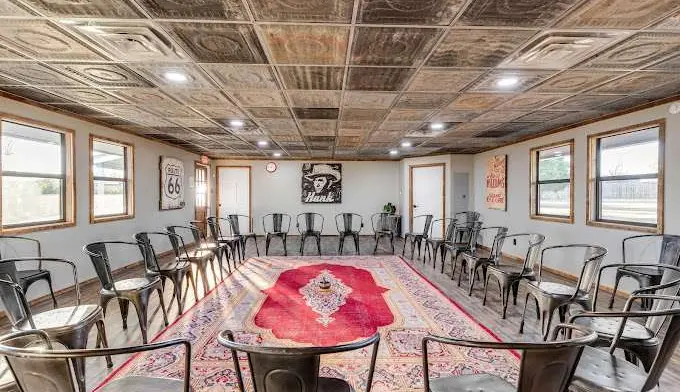
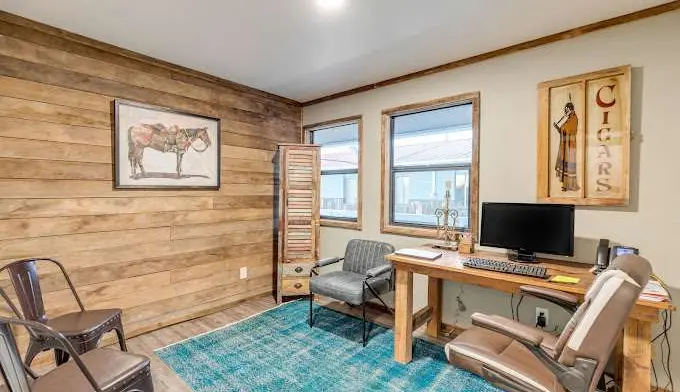
 Gym
Gym  Yoga Studio
  Residential Setting
  Private Rooms