





























































































About Cambridge Place
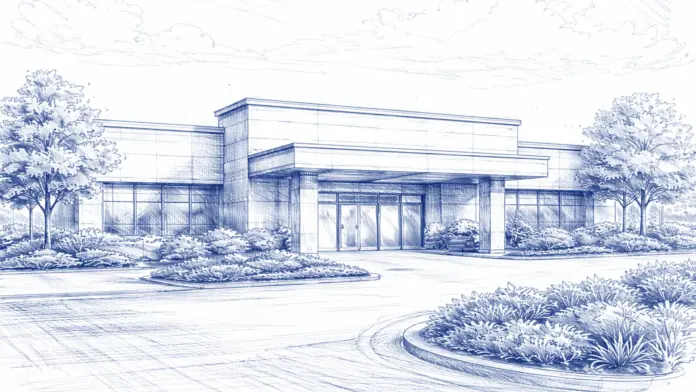
Cambridge Place is a women’s residential recovery program in Smithfield, North Carolina operated by Robeson Health Care Corporation.
Cambridge Place is built around a simple but powerful idea: mothers should not have to choose between recovery and being with their children.
The apartment based facility serves pregnant and postpartum mothers as well as parenting women receiving Work First assistance offering substance use treatment alongside outpatient mental health and SACOT services.
Family-Centered Residential Recovery for Women
Cambridge Place provides 24 hour supervised apartment style residential living designed specifically for mothers in recovery from substance use.
Five apartments are dedicated to the Perinatal Program for pregnant and postpartum women with newborns, while eight apartments support the CASAWORKS Program for parenting women with children under age 12.
Treatment blends evidence-based approaches such as cognitive behavioral therapy and motivational interviewing using the Matrix Model, relapse prevention, and trauma-related counseling with 12-step support.
Wraparound services including onsite child care and transportation, developmental screenings, and medical and dental access help mothers stabilize while parenting.
CASAWORKS: Recovery Meets Employment Readiness
The CASAWORKS track pairs substance use treatment with job readiness and employment training for Work First eligible mothers.
This integrated model addresses both recovery and long term financial stability helping women build the skills and support systems needed to sustain healthy and independent family lives.

Rehab Score
 Our Methodology


Location
Other Forms of Payment
Self-pay involves paying for treatment out of your own pocket. You can use savings or credit, get a personal loan, or receive help from family and friends to fund your treatment. If you don't have insurance or your insurance plan doesn't cover a specific program, self-pay can help ensure you still get the care you need.
Financial aid can take many forms. Centers may have grants or scholarships available to clients who meet eligibility requirements. Programs that receive SAMHSA grants may have financial aid available for those who need treatment as well. Grants and scholarships can help you pai for treatment without having to repay.
Military members, veterans, and eligible dependents have access to specific insurance programs that help them get the care they need. TRICARE and VA insurance can help you access low cost or no cost addiction and mental health treatment. Programs that accept military insurance often have targeted treatment focused on the unique challenges military members, veterans, and their families face.
Medicaid is a state based program that helps lower-income individuals and families pay for healthcare. Medicaid covers addiction treatment so those enrolled can use their coverage to pay for rehab. When a program accepts Medicaid the client often pays very little or nothing out of their own pocket.
Medicare is a federal program that provides health insurance for those 65 and older. It also serves people under 65 with chronic and disabling health challenges. To use Medicare for addiction treatment you need to find a program that accepts Medicare and is in network with your plan. Out of pocket costs and preauthorization requirements vary, so always check with your provider.
Addiction Treatments
Levels of Care
Residential treatment programs are those that offer housing and meals in addition to substance abuse treatment. Rehab facilities that offer residential treatment allow patients to focus solely on recovery, in an environment totally separate from their lives. Some rehab centers specialize in short-term residential treatment (a few days to a week or two), while others solely provide treatment on a long-term basis (several weeks to months). Some offer both, and tailor treatment to the patient's individual requirements.
Rehab aftercare programs offer a complete continuum of care for clients in the maintenance phase of recovery and are predicated on the idea that addiction disease is a chronic condition prone to relapse and warranting continuing care. Clients collaborate with their care team and case manager to access the specific rehab aftercare services they need to promote their sustained sobriety. Peer coaching, relapse prevention services, career counseling, and 12 step program induction are common in these programs.
12 step programs are based on a model of life-long recovery and are rooted in peer support and spiritual development. Regular attendance at 12 step meetings is the cornerstone of treatment, as is the selection of a peer sponsor to guide participants through the steps of recovery. These steps are based on non-denominational spiritual principles and are designed to foster self-awareness, forgiveness, acceptance, and accountability. Specialized programs are widely available, including programs for teens, seniors, and families.
Intervention services can provide customized interventions tailored to the needs of the individual and family. An intervention specialist can design and conduct a drug intervention in North Carolina that encourages the individual to enter treatment in a non-coercive manner. The specialist will meet with the family to plan the intervention, then provide expert insights to guide the process and appropriate follow-up care.
A medically assisted detox is the safest way to remove addictive drugs and alcohol from your body. A team of licensed medical professionals will look after you 24/7 to monitor your health, help minimize discomfort, and provide medications if necessary to alleviate any withdrawal symptoms. This process is typically the first step in your recovery and may take around 5-7 days, although length will depend on your individual needs.
Programs
Adult rehab programs include therapies tailored to each client's specific needs, goals, and recovery progress. They are tailored to the specific challenges adult clients may face, including family and work pressures and commitments. From inpatient and residential treatment to various levels of outpatient services, there are many options available. Some facilities also help adults work through co-occurring conditions, like anxiety, that can accompany addiction.
Young adulthood can be an exciting, yet difficult, time of transition. Individuals in their late teens to mid-20s face unique stressors related to school, jobs, families, and social circles, which can lead to a rise in substance use. Rehab centers with dedicated young adult programs will include activities and amenities that cater to this age group, with an emphasis on specialized counseling, peer socialization, and ongoing aftercare.
Recovery is most successful when clients feel accepted and validated by their peers and treatment providers. Facilities that offer LGBTQ-inclusive programming are committed to creating a safe space where everyone can grow and recover without fear of judgment or discrimination. They will have dedicated policies in place to create a safe and supportive environment that fosters free expression.
Serving in the military is both mentally and physically challenging, and can result in trauma that persists even after combat ends. Military programs are tailored to the specific and often complex needs of active duty personnel, veterans, and military families. Clients often access these programs through the U.S. Department of Veterans Affairs (VA).
Clinical Services
Clients who receive cognitive behavioral therapy in North Carolina typically attend five to 20 sessions. During this time, they work with their therapist to learn healthier patterns of thinking, which can help them change their behavior related to substance use.
Counseling that applies dialectical behavior therapy teaches you coping skills to apply to your daily life. The focus is on intense emotions and developing coping mechanisms to manage them. Therapy sessions are a series of teaching lessons that help you develop these coping skills.
Men and women enjoy a supportive environment within group therapy sessions for drug and alcohol addiction treatment. You can share your experiences and build connections with your peers while receiving encouragement from individuals who have faced similar challenges.
You usually develop a strong bond with your therapist during individual therapy sessions. This helps you explore the underlying causes of your substance use in a safe and nonjudgmental environment. Therapists help you develop effective coping strategies you can use in the community and improve your self awareness so you understand your addiction triggers.
If you're struggling with insecurity about your ability to make changes in your life, motivational interviewing in North Carolina could be a good solution. This type of therapy offers support and empowerment to help you explore your options and decide how to move forward with positive changes.
Trauma therapy helps you reclaim your life after experiencing or witnessing a traumatic event. Therapists help to process these memories, which promotes emotional healing and reduces anxiety in social situations. This improves your overall well being and increases your self confidence.
During couples therapy in North Carolina, a psychologist helps you and your partner resolve problems that are occurring in your relationship. This licensed therapist uses talk therapy to help you both work through challenges together. The process involves learning new skills to better handle conflict and life issues.
Family therapy sessions address the emotional toll that addiction has had on the family unit and individual members. Therapists work with families to develop better coping strategies, which in turn create a stable environment for their loved one's recovery process.
Accreditations

State Licenses are permits issued by government agencies that allow rehab organizations to conduct business legally within a certain geographical area. Typically, the kind of program a rehab facility offers, along with its physical location, determines which licenses are required to operate legally.
State License: North Carolina

The Joint Commission, formerly known as JCAHO, is a nonprofit organization that accredits rehab organizations and programs. Founded in 1951, the Joint Commision's mission is to improve the quality of patient care and demonstrating the quality of patient care.
Joint Commission Accreditation: Yes
Rehab.com regularly reviews this listing for accuracy but changes may occur between updates. For the most up-to-date information, please contact Cambridge Place.
Contact Information

109 Cambridge Place
Smithfield, NC 27577
Sponsored Helpline
