Get Help Now
Question iconSponsored Helpline
Phone icon 800-641-8351

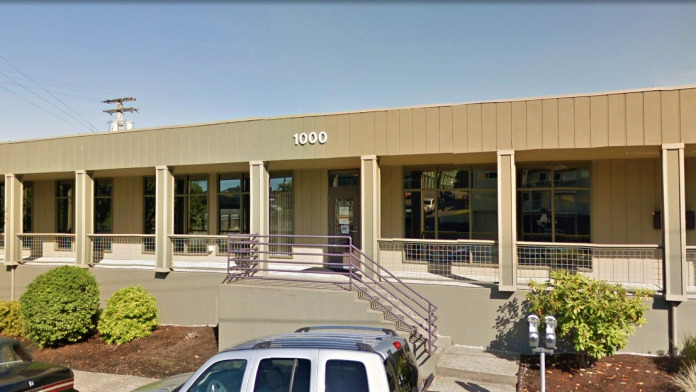
Capital Recovery Center

1000 Cherry Street SE
Olympia, WA 98501
Claim Profile
Capital Recovery Center WA 98501

About Capital Recovery Center

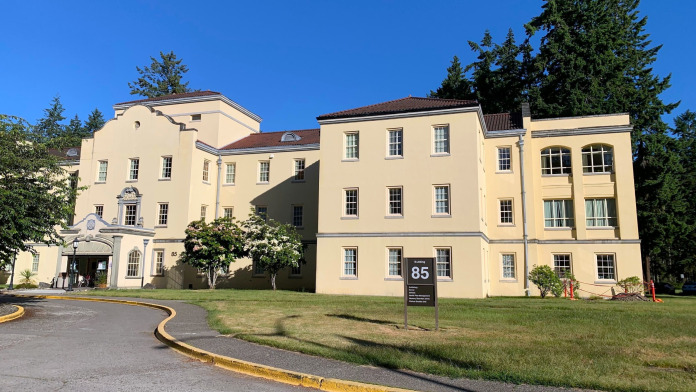
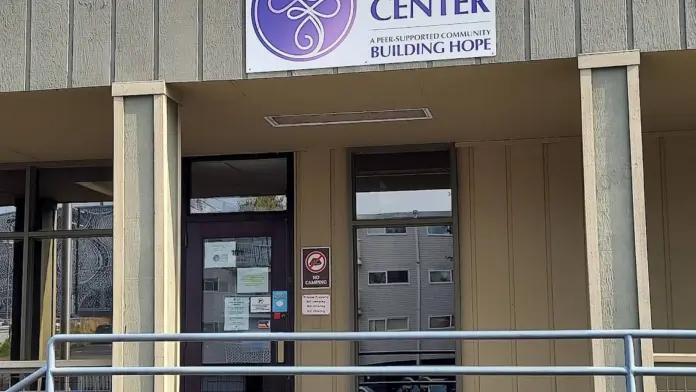
Capital Recovery Center has been serving its community since 1989, providing mental health and addiction treatment as well as social support services to clients of all ages. As one of a few locations, this particular facility is based in Olympia, Washington.

Peer Support Services in the Capital of Washington State

As part of your first steps in recovery, you’ll take part in strengths-based mental health assessments with a peer mental health professional. Following this initial stage, you can then access peer led groups and will be assigned a Certified Peer Counselor (CPC). You’ll meet with your CPC one-on-one on a weekly basis and they’ll help you establish recovery goals that you can revisit and review as you progress through your journey.

Peer support encompasses peer counseling, support groups, and providing clients with a safe space to share, and hold the experiences of others in the spirit of community and accountability.

Medication-Assisted Treatment (MAT) for Substance Abuse in Olympia, WA

Just a 10-minute walk away from this center is another of the organization’s locations, and this one offers MAT for opioid use disorder. Walk-ins and same-day visits are accepted, and medication can be dispensed on-site. Best of all? You won’t be charged for your visit or for the medication you need.

Support here is available to individuals who are homeless and people who’ve been recently incarcerated. They also serve pregnant individuals, young people, veterans, and tribal members. Peer recovery coaches are here to support while medication options available include buprenorphine and injectable options Vivitrol and Sublocade. STI testing, as well as testing for HIV and hepatitis C are also provided.

Similar Rehab Centers

Latest Reviews

Donald Martin
2 months ago on Google
5
Legendary. These people make it possible to get state or federal IDs, SSA benefits, cell phones, credit cards, open bank accounts... Get Medicaid/ food stamps... It's the only service I've encountered in 20 years that actually helps homeless people. The main problem is that general delivery, Olympia 98501 doesn't work. I didn't get my last 3 letters and called the Washington State post master general... Who told me the the guy who runs that post office refuses to find my mail. I tracked my mail to the Olympia post office and he refused to look I never received my Medicaid card, my united healthcare card, my social security card, and my advice to you is simple: Avoid the post office, and use Capital Recovery instead.
Stylez Major
1 year ago on Google
5
Very friendly and considerate staff. Awesome peer counselor Jeannie I work with. Good community and free lunch for participants.
Angelica Wilson
2 years ago on Google
4
Undergone good changes and has great tools groups
Rehab.com icon

Rehab Score

Question iconOur Methodology
Scoring is assigned by a proprietary system which helps surface key metrics that determine quality. The 10-point scale factors in categories such as operations, customer satisfaction, and trust metrics. Read Full MethodologyCaret icon
Gauge icon
7.1 / 10

Other Forms of Payment

Private insurance refers to any kind of healthcare coverage that isn't from the state or federal government. This includes individual and family plans offered by an employer or purchased from the Insurance Marketplace. Every plan will have different requirements and out of pocket costs so be sure to get the full details before you start treatment.

Self-pay involves paying for treatment out of your own pocket. You can use savings or credit, get a personal loan, or receive help from family and friends to fund your treatment. If you don't have insurance or your insurance plan doesn't cover a specific program, self-pay can help ensure you still get the care you need.

Financial aid can take many forms. Centers may have grants or scholarships available to clients who meet eligibility requirements. Programs that receive SAMHSA grants may have financial aid available for those who need treatment as well. Grants and scholarships can help you pai for treatment without having to repay.

Medicaid is a state based program that helps lower-income individuals and families pay for healthcare. Medicaid covers addiction treatment so those enrolled can use their coverage to pay for rehab. When a program accepts Medicaid the client often pays very little or nothing out of their own pocket.

Addiction Treatments

Levels of Care

Outpatient Programs (OP) are for those seeking mental rehab or drug rehab, but who also stay at home every night. The main difference between outpatient treatment (OP) and intensive outpatient treatment (IOP) lies in the amount of hours the patient spends at the facility. Most of the time an outpatient program is designed for someone who has completed an inpatient stay and is looking to continue their growth in recovery. Outpatient is not meant to be the starting point, it is commonly referred to as aftercare.

Inpatient rehab enables clients who are exiting detox or who are at an increased risk of relapse to focus on their recovery in a highly structured and supportive environment. Inpatient rehabs provide intensive clinical supervision and high-level treatment. Clients remain at the facility through the length of their program and typically receive multiple addiction counseling and education sessions per day. Holistic therapies, such as yoga, message, and meditation, may be used to relieve stress and ease discomfort.

Rehab aftercare programs support clients as they focus on maintaining their sobriety after intensive (often inpatient) treatment. These programs adhere to a model of life-long recovery, addressing addiction disease as a chronic, relapsing condition. Rehab aftercare services vary widely based on the specific and evolving needs of the client, but often include peer coaching, relapse prevention support, and 12 step program induction. Clients, case managers, and care teams typically collaborate on long-term care plans.

Medical detox is often the first step in addiction recovery and involves ridding the body of drugs and/or alcohol in a supervised inpatient setting. If you've become physically dependent on substances like alcohol, benzodiazepines (like Xanax), or opioids, quitting abruptly may cause uncomfortable or even dangerous side effects. In medically assisted detox, a team of medical professionals will help manage any potential withdrawal symptoms with the aim of keeping you as safe and comfortable as possible.

Treatments

Many of those suffering from addiction also suffer from mental or emotional illnesses like schizophrenia, bipolar disorder, depression, or anxiety disorders. Rehab and other substance abuse facilities treating those with a dual diagnosis or co-occurring disorder administer psychiatric treatment to address the person's mental health issue in addition to drug and alcohol rehabilitation.

Mental health rehabs focus on helping individuals recover from mental illnesses like bipolar disorder, clinical depression, anxiety disorders, schizophrenia, and more. Mental health professionals at these facilities are trained to understand and treat mental health issues, both in individual and group settings.

Programs

Adult rehab programs include therapies tailored to each client's specific needs, goals, and recovery progress. They are tailored to the specific challenges adult clients may face, including family and work pressures and commitments. From inpatient and residential treatment to various levels of outpatient services, there are many options available. Some facilities also help adults work through co-occurring conditions, like anxiety, that can accompany addiction.

Young adulthood can be an exciting, yet difficult, time of transition. Individuals in their late teens to mid-20s face unique stressors related to school, jobs, families, and social circles, which can lead to a rise in substance use. Rehab centers with dedicated young adult programs will include activities and amenities that cater to this age group, with an emphasis on specialized counseling, peer socialization, and ongoing aftercare.

Clinical Services

Group therapy is any therapeutic work that happens in a group (not one-on-one). There are a number of different group therapy modalities, including support groups, experiential therapy, psycho-education, and more. Group therapy involves treatment as well as processing interaction between group members.

In individual therapy, a patient meets one-on-one with a trained psychologist or counselor. Therapy is a pivotal part of effective substance abuse treatment, as it often covers root causes of addiction, including challenges faced by the patient in their social, family, and work/school life.

Trauma therapy addresses traumatic incidents from a client's past that are likely affecting their present-day experience. Trauma is often one of the primary triggers and potential causes of addiction, and can stem from child sexual abuse, domestic violence, having a parent with a mental illness, losing one or both parents at a young age, teenage or adult sexual assault, or any number of other factors. The purpose of trauma therapy is to allow a patient to process trauma and move through and past it, with the help of trained and compassionate mental health professionals.

One goal of family therapy is to provide a platform where members have a safe place to talk about the challenges that addiction has created in their lives. Using guided sessions, therapists help individual family members develop healthy communication skills and address unresolved issues between themselves to support their loved one's sobriety.

Life skills training in Washington involves relearning how to manage daily living. It boosts your abilities and confidence so you can overcome challenges both big and small, without returning to substance use.

When your body is properly nourished, healing is much faster. That's why nutrition therapy is an important part of drug rehab in Washington. It helps you learn how to take care of your body so you can heal both mentally and physically from addiction.

Participating in creative arts therapy in Washington does not require any skill in the arts. It's not about what you're creating. It is about the creative process. Options include writing, music, art, and dance therapies.

Experiential therapy is a form of therapy in which clients are encouraged to surface and work through subconscious issues by engaging in real-time experiences. Experiential therapy departs from traditional talk therapy by involving the body, and having clients engage in activities, movements, and physical and emotional expression. This can involve role-play or using props (which can include other people). Experiential therapy can help people process trauma, memories, and emotion quickly, deeply, and in a lasting fashion, leading to substantial and impactful healing.

The advantage of nicotine replacement therapy in Washington is the absence of the many harmful chemicals that are present in cigarette smoke. These products supply the nicotine only, so you don't suffer from extreme withdrawal and can feel more comfortable as you quit smoking.

Amenities

  • home-setting iconResidential Setting
  • private-room iconPrivate Rooms

Staff & Accreditations

Staff

Krissy White, BA, CAAR, CPC

Executive Director

Christie Goodrich, BA

Finance Manager

Bobbi Douglas

Executive Assistant

Darlene Hein

Chair

Donna Lousie Elam

Secretary

Cindy Mattingly

Treasurer

Paula Rauen

BOD

Kevin Johnson

BOD

Accreditations

The Substance Abuse and Mental Health Services Administration (SAMHSA) is a branch of the U.S. Department of Health and Human Services. Established in 1992 by congress, SAMHSA's mission is to reduce the impact of substance abuse and mental illness on American's communities.

SAMHSA Listed: Yes

Rehab.com regularly reviews this listing for accuracy but changes may occur between updates. For the most up-to-date information, please contact Capital Recovery Center.

Contact Information

Building icon

1000 Cherry Street SE
Olympia WA, 98501

Explore Other Centers Near Olympia

Reviews of Capital Recovery Center

3.08/5 (24 reviews)
0
Staff
0
Amenities
0
Meals
0
Value
0
Cleanliness
5
11
4
2
3
0
2
0
1
11

Reviews

5

They are specialized in empowering individuals in need. In the end, people like me are able to achieve and maintain good mental health for a long time.

Reviewed on 2/16/2019
1

They favor drug and alcohol addicts and criminals! Most peer specialists are not well-adjusted or knowledgeable enough to counsel others.

Reviewed on 10/2/2018
Overall Experience
Date Submitted
Reviewer

Google Reviews

3.09 (22 reviews)
Angelica Wilson
3 weeks ago
1

Linda McFadden. Violated my privacy and hippa in the lobby. She stated she had seen me at a hospital that she had worked at four years ago Called South Sound behavioral health hospital. She in fact is incorrect she said this in front of my Caregiver. She asked me about my disabilities and why I wanted to be seen did I have drug addiction alcohol addiction? What did I need to get seen for? This is a pure organization I shared with her. I was interested in the autism spectrum group as I have autism level one. I also shared that I needed to be speaking with Peer because I’m dealing with grief and loss they make accusations that aren’t accurate. They lack person first communication and de-escalation skills. I did not escalate. But I was direct. This lady is New and misunderstands what had happened and why fell off the books. A Peer should not be the one scheduling the appointments. It creates an un Peer like power dynamic, which is why my Caregiver had to go with me. Every time I went in my appointments were scheduled around her schedule my Caregiver‘s schedule we showed up many times lost many hours that we could’ve used somewhere else just to not be seen and while she was on vacation, and I was completing my education and moving into an apartment, they wanted me to make an appointment that I could not make so they dumped me as a client. There are not very many autism groups in the community so to be told I can’t attend really feels limiting. I made a review five years ago. It is still true. Tell this day they’re building needs improvements for wheelchair accessibility there does need to be a cleanup of staff as far as relationships. There’s an inappropriate power dynamic going on colleagues hiring their friends, family hiring our family people being removed and asked to leave and being brought back a staff a second third fifth time. Inappropriate animals in the building. Inappropriate distribution of food and donations. I got told I cannot go back. I never got to talk to the director. She said she did not have to put anything in writing saying why I couldn’t be there. She threatened me, saying if I ever came back shoot, I would be asked to leave on the spot. I have lost a lot of sleep and I’ve been extremely stressed out over this incident. I am somebody who knows how to handle food. I am somebody who knows how to deal with blood-borne pathogens. I am somebody that’s trained in Peer coaching Peer counseling. I would not be surprised if the director herself doesn’t know what is happening. & if she does know things she’s listening to the wrong audience. There is a few past directors I could probably point her to if she really wanted to have valid correct information. There are people that really need to be at Capital recovery center. They need to figure this stuff out & get on the right side of history so this organization can do what it was intended to I was there when it was being written up I know exactly what it is supposed to be. This isn’t it. I might have differences with people, but I still admire & support the reasons Of what made Capital Recovery Center, Capital recovery center is a home a home for many of Capital clubhouses first participants some of which have also worked there. They bridge gaps &made sure that people still had Resources on clubhouses were going down. I remember what made clubhouses a bad name. Clubhouses are not bad clubhouses help integrate people it helps people with disabilities. Find jobs or find purpose & contribution to society very thing that helps people stay in recovery. I have been in a group with autism facilitator & another facility & I know them to understand autism and understand the resources available in the community & how to cope with it. I have a lot going on in my life. I’m in DVR. I’m going to school. I’m working. And my service animals is dying. I’m also processing grief and loss of one of there former clients who died.

Donald Martin
2 months ago
5

Legendary. These people make it possible to get state or federal IDs, SSA benefits, cell phones, credit cards, open bank accounts... Get Medicaid/ food stamps... It's the only service I've encountered in 20 years that actually helps homeless people. The main problem is that general delivery, Olympia 98501 doesn't work. I didn't get my last 3 letters and called the Washington State post master general... Who told me the the guy who runs that post office refuses to find my mail. I tracked my mail to the Olympia post office and he refused to look I never received my Medicaid card, my united healthcare card, my social security card, and my advice to you is simple: Avoid the post office, and use Capital Recovery instead.

Krishna
11 months ago
1

When you ask for all communication be through the mail (for proof of contact) and verification off the debt via the mail, THEY Hang up on you.

Stylez Major
1 year ago
5

Very friendly and considerate staff. Awesome peer counselor Jeannie I work with. Good community and free lunch for participants.

Overall Experience
Date Submitted
No reviews matching the selected filter!
Get Help Now
Question iconSponsored Helpline

Phone icon 800-641-8351

Left arrow iconBack

Write a review for Capital Recovery Center

Sharing your insights and experiences can help others learn more about this rehab center.

Title of Your Review
This is a required field
Your Review

Reviews comments must comply with our Review Policy Content Standards. Please do not use names (job titles / positions are acceptable) of any individual or identifying features, abusive remarks, or allegations of negligence or criminal activity.

A minimum of 200 characters and max of 2,000 characters required.
This is a required field
How would you rate the facility on the following?*
Overall Experience
Must select a star rating
Accomodations & Amenities
Must select a star rating
Meals & Nutrition
N/A
Must select a star rating
Treatment Effectiveness
Must select a star rating
Admissions Process
Must select a star rating
Staff & Friendliness
Must select a star rating
Cleanliness
Must select a star rating
Value for Cost
Must select a star rating
What is your connection to this facility?
This is a required field
Your Name*
This is a required field
Your Email*
This is a required field
Spinner icon Submitting your review...
Thumbs up icon Your review was successfully submitted.

Nearby Featured Providers

Get Help Today Phone icon 800-847-1418
Question iconSponsored Helpline