





























































































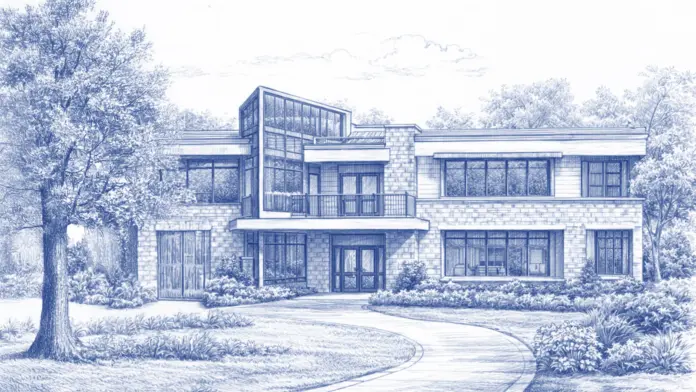
About Central City Behavioral Health & Access Center
Central City Behavioral Health & Access Center on Philip Street in New Orleans focuses its services on assisting those with substance use treatment, counseling and individual and group therapy.
They also offer crisis intervention services, peer support, early childhood services and access to various social and community services and programs. They are located inside the Metropolitan Human Services District.
SUD Treatment for Opioid Addiction and Co-Occurring Mental Health Issues
When you first arrive at Central City, they assess and evaluate your needs and conditions and work with you to create an individualized treatment plan to help you achieve your wellness goals. I find it good to know that they will also provide you with medication-assisted treatment if you require medication to help in curbing your cravings from opioid addiction.
Individual Counseling and Group Therapy
While in treatment, they provide you with one-on-one counseling and access to group therapy to help you work through trauma you may have experienced in your life or other pivotal moments that may have led to addiction. They offer an integrated care team of medical providers to assist in your healing including addiction counseling, nurses and addiction doctors who will continue to monitor and treat your conditions as you work towards sobriety.
Walk-In Services and Transportation for Uninsured Clients
I like that they also offer walk-in services to those in need of immediate care and accept State-funded medical programs for payment of their services. In addition, they offer transportation to and from your treatment if you do not have insurance.

Rehab Score
 Our Methodology


Location
Other Forms of Payment
Medicaid is a state based program that helps lower-income individuals and families pay for healthcare. Medicaid covers addiction treatment so those enrolled can use their coverage to pay for rehab. When a program accepts Medicaid the client often pays very little or nothing out of their own pocket.
Private insurance refers to any kind of healthcare coverage that isn't from the state or federal government. This includes individual and family plans offered by an employer or purchased from the Insurance Marketplace. Every plan will have different requirements and out of pocket costs so be sure to get the full details before you start treatment.
Self-pay involves paying for treatment out of your own pocket. You can use savings or credit, get a personal loan, or receive help from family and friends to fund your treatment. If you don't have insurance or your insurance plan doesn't cover a specific program, self-pay can help ensure you still get the care you need.
Addiction Treatments
Levels of Care
Clients enrolled in outpatient rehab typically need less intensive supervision and support than those in inpatient care. Clients may continue to work and attend school while participating in addiction counseling and recovery education during the evening, night, or weekend. Clients also often enter intensive outpatient (IOP) treatment immediately upon exiting residential care, which provides them with high-level step-down support as they reintegrate into their homes and communities.
Inpatient rehab gives clients a chance to focus on their recovery in a highly structured and supportive environment away from outside distractions, stressors, and addiction triggers. Clients reside at the treatment facility and engage in intensive psychotherapy, which may include individual, group, and family counseling.
Treatments
Alcoholism - also known as alcohol use disorder (AUD), alcohol dependence, and alcohol addiction - is a chronic condition that describes a form of problem drinking that causes harm to a person's health and relationships. To treat AUD, alcohol rehab in Louisiana is usually necessary. This typically involves three phases: medical detox to safely withdraw from alcohol, rehabilitation through evidence-based therapies, and support for long-term recovery maintenance.
 Opioid Addiction
Specialized substance abuse treatment programs in Louisiana can address addiction and any co-occurring mental health disorders. These programs offer a range of care options, including outpatient, inpatient, and partial hospitalization programs. Expert clinicians utilize evidence-based therapies such as cognitive-behavioral therapy (CBT), dialectical behavior therapy (DBT), and trauma-focused therapy to address substance abuse and promote mental health. Other recovery supports include 12-Step meetings, skills workshops, psychoeducation, and an aftercare plan to enhance your chances of long-term recovery.
Programs
The providers who specialize in the children's rehab space understand the specialized needs that this population faces. School-based and social services such as tutoring and family counseling are often central to treatment. Child programs may also address the needs of youth experiencing substance abuse in the home, including a parent's or sibling's addiction.
Adult rehab programs include therapies tailored to each client's specific needs, goals, and recovery progress. They are tailored to the specific challenges adult clients may face, including family and work pressures and commitments. From inpatient and residential treatment to various levels of outpatient services, there are many options available. Some facilities also help adults work through co-occurring conditions, like anxiety, that can accompany addiction.
Clinical Services
Men and women in Louisiana who seek individual therapy for drug and alcohol addiction treatment will receive therapy in a focused and supportive environment. Therapists customize interventions to your unique situation. This helps you understand the addictive process and develop coping strategies to help achieve and maintain sobriety.
People gain great insight into the patterns of behaviors and the triggers that underlie addiction when they participate in group therapy sessions. Your peers will discuss their experiences and strategies they use to manage addictive behaviors, offering you a greater opportunity to learn coping skills that work.
Rehab.com regularly reviews this listing for accuracy but changes may occur between updates. For the most up-to-date information, please contact Central City Behavioral Health & Access Center.
Contact Information


2221 Philip St, New Orleans, LA 70113
Sponsored Helpline


