





























































































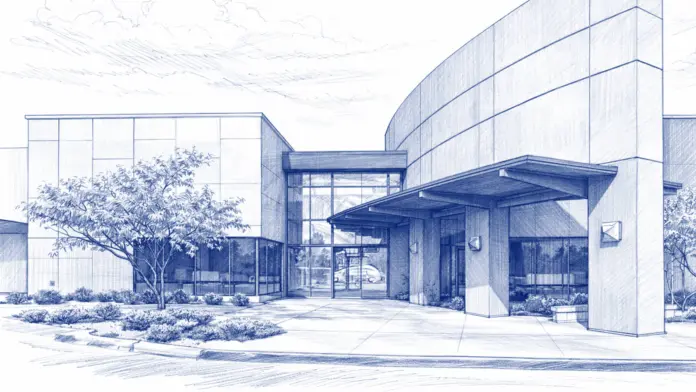
About Clinical Counseling Associates
Clinical Counseling Associates is an outpatient mental health and addiction counseling practice in Liberty, Missouri providing individualized therapy for substance use disorders and co-occurring conditions. Their approach combines evidence based therapies with personalized treatment planning to support lasting recovery and emotional wellness.
Outpatient Addiction and Mental Health Services
Clinical Counseling Associates offers outpatient counseling for individuals struggling with alcohol and drug addiction as well as mental health concerns such as depression, anxiety, and PTSD.
Therapeutic approaches include Cognitive Behavioral Therapy, family therapy, and group therapy. The practice also provides specialized support for veterans, first responders, and LGBTQ+ clients along with dual diagnosis treatment for those facing addiction alongside mental health challenges.
Key Details About Clinical Counseling Associates
- Location: Seaport Office Development in Liberty, Missouri the practice’s original and largest location
- Services offered: Outpatient counseling for substance use and co-occurring mental health disorders
- Who they serve: Children, teens, and adults of all genders, including veterans, first responders, and LGBTQ+ clients
- Therapeutic approach: CBT, family therapy, group therapy, and individualized treatment planning
- Payment options: Self pay, sliding scale fees, payment plans, and most major insurance plans accepted
- Special features: In-person and telehealth sessions available with seven therapy animals on site
Latest Reviews



Rehab Score
 Our Methodology


Location
Other Forms of Payment
Private insurance refers to any kind of healthcare coverage that isn't from the state or federal government. This includes individual and family plans offered by an employer or purchased from the Insurance Marketplace. Every plan will have different requirements and out of pocket costs so be sure to get the full details before you start treatment.
Self-pay involves paying for treatment out of your own pocket. You can use savings or credit, get a personal loan, or receive help from family and friends to fund your treatment. If you don't have insurance or your insurance plan doesn't cover a specific program, self-pay can help ensure you still get the care you need.
Sliding scale payments are based on a client's income and family size. The goal is to make treatment affordable to everyone. By taking these factors into account, addiction recovery care providers help ensure that your treatment does not become a financial burden to you or your family, eliminating one barrier to care.
Addiction Treatments
Levels of Care
Outpatient rehab enables clients to continue to work, attend school, or reside at home while undergoing treatment, including addiction counseling and recovery-focused life skills training. Evening, night, and weekend sessions are available at many facilities to ensure continuous access to care on the client's schedule. Many centers also offer ancillary services, such as career coaching and peer mentoring, to promote clients' sustained recovery and community integration. Higher-level outpatient treatment, including intensive outpatient (IOP) care, is also widely available.
The delivery of health services via telecommunications technology is known as telehealth. Examples of telehealth in Missouri include live video conferencing, store-and-forward electronic transmission, live video conferencing, and remote patient monitoring (RPM).
Treatments
Individuals who suffer from alcoholism drink to the extent that they harm themselves or others and have an impaired ability to stop drinking. Their alcohol use disorder may be classified as mild, moderate, or severe. At any level, alcohol rehab in Missouri can help individuals overcome alcohol addiction. Treatment includes physiological, psychological, and social aspects to provide comprehensive care that leads to long-term recovery.
 Opioid Addiction
Drug rehab in Missouri usually involves several phases: detox, rehab, and aftercare. The rehab phase may include a combination of inpatient and outpatient treatments, as the individual moves through a continuum of care on their recovery journey.
Substance abuse treatment programs in Missouri help individuals struggling with substance abuse and co-occurring mental health disorders. These programs utilize evidence-based therapies like cognitive-behavioral therapy (CBT), dialectical behavior therapy (DBT), and mindfulness-based interventions. With a range of treatment options available, including outpatient, inpatient, and residential programs, you can find the right program to meet your unique needs and improve your quality of life.
Inpatient treatment provides mental health services with residency in the rehab facility for the duration of treatment. During treatment, you'll likely participate in evidence-based therapies like cognitive-behavioral therapy (CBT) and dialectical behavior therapy (DBT), medication management, and skill development – all under the guidance of an expert mental health therapist. By focusing on both aspects of your mental health and treating your addiction, you'll gain vital skills to cope with cravings, manage stress, and prevent relapse. Family therapy or mindfulness training may also be available, which helps to improve mental health.
Specialized dual-diagnosis addiction treatment programs in Missouri include inpatient residential rehab, outpatient, intensive outpatient, detox, and partial hospitalization programs. Offering a full continuum of care, their clinicians have the expertise to treat individuals with co-occurring substance use disorder and mental health conditions at the same time. The benefits of dual-diagnosis treatment are enhanced recovery outcomes, improved overall health and well-being, and it equips individuals with the information and skills required to sustain long-term sobriety.
Programs
Teen programs are designed to address the unique pressures teens face, pressures that can drive them to experiment with dangerous, addictive substances. They need programs that meet them exactly where they are and give them tools for long-term recovery. Therapy can help teenagers understand and work through underlying issues so they can reclaim the life ahead of them.
Adult rehab programs include therapies tailored to each client's specific needs, goals, and recovery progress. They are tailored to the specific challenges adult clients may face, including family and work pressures and commitments. From inpatient and residential treatment to various levels of outpatient services, there are many options available. Some facilities also help adults work through co-occurring conditions, like anxiety, that can accompany addiction.
The providers who specialize in the children's rehab space understand the specialized needs that this population faces. School-based and social services such as tutoring and family counseling are often central to treatment. Child programs may also address the needs of youth experiencing substance abuse in the home, including a parent's or sibling's addiction.
Recovery is most successful when clients feel accepted and validated by their peers and treatment providers. Facilities that offer LGBTQ-inclusive programming are committed to creating a safe space where everyone can grow and recover without fear of judgment or discrimination. They will have dedicated policies in place to create a safe and supportive environment that fosters free expression.
Serving in the military is both mentally and physically challenging, and can result in trauma that persists even after combat ends. Military programs are tailored to the specific and often complex needs of active duty personnel, veterans, and military families. Clients often access these programs through the U.S. Department of Veterans Affairs (VA).
Clinical Services
The goal of cognitive behavioral therapy in Missouri is to help clients change their thinking and behavioral patterns. Strategies of treatment include role playing, facing fears, and calming techniques.
Family therapy sessions help individual family members in Missouri learn to improve their communication skills and understand how the family dynamic is both affected by addiction and affects their loved one's addiction. Therapists work with individual members to identify and modify negative behaviors which helps create a more supportive home environment.
Peer support within a group therapy session in Missouri allows you to interact with your peers who are also struggling with drug addiction. You can share your stories and learn how to express your emotions openly in a non judgmental setting. These strategies help to reduce your feelings of isolation which are often associated with addiction.
Rehab.com regularly reviews this listing for accuracy but changes may occur between updates. For the most up-to-date information, please contact Clinical Counseling Associates.
Contact Information


Seaport Office Development, 100 Westwoods Dr, Liberty, MO 64068
Sponsored Helpline


