






























































































About Community Health Action
In the beginning stages of your journey of recovery, it can be challenging and uncomfortable with seeking help without having the fear of judgment. Their Next Step Resource Recovery Center is extremely helpful and welcoming to help provide you guidance that includes daily counseling. They offer workshops, activities, and meetings. This helps you develop connections to form a support network with others in the community who are in the same shoes and are active in their recovery. They also have recovery support workers available to assist you with creating goals and offering you options to get you connected to the help you need.
The syringe exchange program assists with harm reduction and provides information for safer injections. They offer sterile clean supplies which help reduce the transmission of HIV, HEP-C, and other bloodborne pathogens.
They also have programs available for people within the LGBTQIA+ community. These programs are available for folks who are seeking support and assistance with substance use, food security, chronic illness, and domestic violence.
Latest Reviews



Rehab Score
 Our Methodology


Location
Other Forms of Payment
Medicaid is a state based program that helps lower-income individuals and families pay for healthcare. Medicaid covers addiction treatment so those enrolled can use their coverage to pay for rehab. When a program accepts Medicaid the client often pays very little or nothing out of their own pocket.
Self-pay involves paying for treatment out of your own pocket. You can use savings or credit, get a personal loan, or receive help from family and friends to fund your treatment. If you don't have insurance or your insurance plan doesn't cover a specific program, self-pay can help ensure you still get the care you need.
Financial aid can take many forms. Centers may have grants or scholarships available to clients who meet eligibility requirements. Programs that receive SAMHSA grants may have financial aid available for those who need treatment as well. Grants and scholarships can help you pai for treatment without having to repay.
Sliding scale payments are based on a client's income and family size. The goal is to make treatment affordable to everyone. By taking these factors into account, addiction recovery care providers help ensure that your treatment does not become a financial burden to you or your family, eliminating one barrier to care.
Addiction Treatments
Levels of Care
Outpatient Programs (OP) are for those seeking mental rehab or drug rehab, but who also stay at home every night. The main difference between outpatient treatment (OP) and intensive outpatient treatment (IOP) lies in the amount of hours the patient spends at the facility. Most of the time an outpatient program is designed for someone who has completed an inpatient stay and is looking to continue their growth in recovery. Outpatient is not meant to be the starting point, it is commonly referred to as aftercare.
Intensive Outpatient Programs (IOP) are for those who want or need a very structured treatment program but who also wish to live at home and continue with certain responsibilities (such as work or school). IOP substance abuse treatment programs vary in duration and intensity, and certain outpatient rehab centers will offer individualized treatment programs.
Treatments
The goal of treatment for alcoholism is abstinence. Those with poor social support, poor motivation, or psychiatric disorders tend to relapse within a few years of treatment. For these people, success is measured by longer periods of abstinence, reduced use of alcohol, better health, and improved social functioning. Recovery and Maintenance are usually based on 12 step programs and AA meetings.
When you choose drug rehab in New York, you'll participate in a variety of treatments that are designed to help you live a drug-free lifestyle. Common methods of treatment include group, individual, and family counseling, medication management, nutrition, exercise, and management of co-occurring mental health disorders.
Opioid rehabs specialize in supporting those recovering from opioid addiction. They treat those suffering from addiction to illegal opioids like heroin, as well as prescription drugs like oxycodone. These centers typically combine both physical as well as mental and emotional support to help stop addiction. Physical support often includes medical detox and subsequent medical support (including medication), and mental support includes in-depth therapy to address the underlying causes of addiction.
Substance rehabs focus on helping individuals recover from substance abuse, including alcohol and drug addiction (both illegal and prescription drugs). They often include the opportunity to engage in both individual as well as group therapy.
Programs
Adult rehab programs include therapies tailored to each client's specific needs, goals, and recovery progress. They are tailored to the specific challenges adult clients may face, including family and work pressures and commitments. From inpatient and residential treatment to various levels of outpatient services, there are many options available. Some facilities also help adults work through co-occurring conditions, like anxiety, that can accompany addiction.
Clinical Services
Group therapy is any therapeutic work that happens in a group (not one-on-one). There are a number of different group therapy modalities, including support groups, experiential therapy, psycho-education, and more. Group therapy involves treatment as well as processing interaction between group members.
Staff

Ericker Onaga
Executive Director
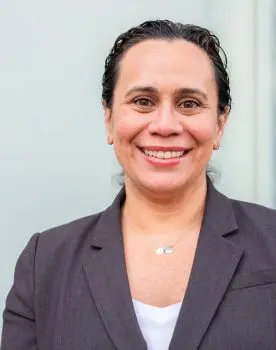
Jasmin Valentin
Chief Program Officer
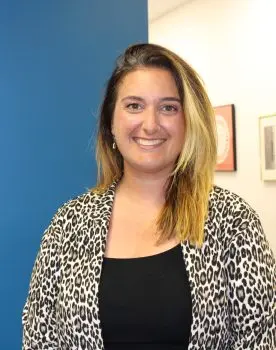
Amanda Wexler
Chief Strategy Officer

Aja Stubbs
VP, Behavioral Health

Adam Smith, PhD
Chairman, BOD
Jack Cuffe
Vice Chairman, BOD
Dana Walker-Boyd
Secretary, BOD
Aubrey E. Saunders
Treasurer, BOD
Rehab.com regularly reviews this listing for accuracy but changes may occur between updates. For the most up-to-date information, please contact Community Health Action.
Contact Information


56 Bay Street
2nd, 3rd, and 4th Floors
Staten Island, NY 10301
Sponsored Helpline

