





























































































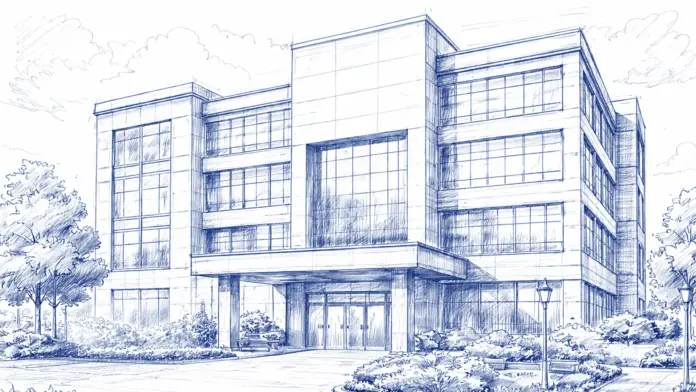
About Crossroads Recovery Center of Louisiana
Crossroads Recovery Center of Louisiana is a substance use disorder treatment center in Baton Rouge, Louisiana. They provide outpatient treatment and counseling for alcohol and opioid addiction, as well as life coaching.
They accept commercial insurance plans with Aetna, Blue Cross, Cigna, TriWest and United Health. Medicaid eligible clients can access services for $50 per visit through a community-access grant.
Personalized Outpatient Detox Plans
Clients have the option to enroll in a medication-assisted treatment (MAT) program that includes the use of Suboxone, buprenorphine, Brixadi, Sublocade and Vivitrol.
Ambulatory detox lets clients receive a personalized medical treatment plan with clinic visits scheduled as needed for careful monitoring and adjustment. Medication is free for Medicaid clients.
Telemedicine for Convenient Care
On-site counseling helps clients manage cravings, cope with triggers and build strategies to stay sober while addressing the underlying issues that often accompany addiction.
I noticed that they offer telemedicine services that let clients connect with doctors, nurse practitioners and therapists online to receive care safely and conveniently from home.
Continued Support After Treatment
After completing outpatient treatment, they provide ongoing support through counseling and guidance on connecting with local support groups or sober living options. Continued support helps clients stay on track and build lasting recovery beyond the clinic.
Latest Reviews



Rehab Score
 Our Methodology


Location
Other Forms of Payment
Medicaid is a state based program that helps lower-income individuals and families pay for healthcare. Medicaid covers addiction treatment so those enrolled can use their coverage to pay for rehab. When a program accepts Medicaid the client often pays very little or nothing out of their own pocket.
 Free
FreeSelf-pay involves paying for treatment out of your own pocket. You can use savings or credit, get a personal loan, or receive help from family and friends to fund your treatment. If you don't have insurance or your insurance plan doesn't cover a specific program, self-pay can help ensure you still get the care you need.
Addiction Treatments
Levels of Care
Clients enrolled in outpatient rehab typically need less intensive supervision and support than those in inpatient care. Clients may continue to work and attend school while participating in addiction counseling and recovery education during the evening, night, or weekend. Clients also often enter intensive outpatient (IOP) treatment immediately upon exiting residential care, which provides them with high-level step-down support as they reintegrate into their homes and communities.
The first step in the addiction recovery process involves flushing all addictive drugs and alcohol from your body while under 24/7 medical supervision. Known as a medically assisted detox, this level of care takes into account that quitting your drug of choice cold turkey can be very dangerous once you've become physically dependent. In a medical detox, your team of medical professionals helps to ensure your safety and comfort. Most people transition to an inpatient treatment or maintenance program upon completion.
Inpatient rehab gives clients a chance to focus on their recovery in a highly structured and supportive environment away from outside distractions, stressors, and addiction triggers. Clients reside at the treatment facility and engage in intensive psychotherapy, which may include individual, group, and family counseling.
Treatments
Alcoholism - also known as alcohol use disorder (AUD), alcohol dependence, and alcohol addiction - is a chronic condition that describes a form of problem drinking that causes harm to a person's health and relationships. To treat AUD, alcohol rehab in Louisiana is usually necessary. This typically involves three phases: medical detox to safely withdraw from alcohol, rehabilitation through evidence-based therapies, and support for long-term recovery maintenance.
While each drug rehab in Louisiana offers unique elements, recovery support often follows a similar pattern. Detox is followed by inpatient and/or outpatient care, then aftercare support is provided once the participant completes the initial program.
 Opioid Addiction
Specialized substance abuse treatment programs in Louisiana can address addiction and any co-occurring mental health disorders. These programs offer a range of care options, including outpatient, inpatient, and partial hospitalization programs. Expert clinicians utilize evidence-based therapies such as cognitive-behavioral therapy (CBT), dialectical behavior therapy (DBT), and trauma-focused therapy to address substance abuse and promote mental health. Other recovery supports include 12-Step meetings, skills workshops, psychoeducation, and an aftercare plan to enhance your chances of long-term recovery.
Programs
Adult rehab programs include therapies tailored to each client's specific needs, goals, and recovery progress. They are tailored to the specific challenges adult clients may face, including family and work pressures and commitments. From inpatient and residential treatment to various levels of outpatient services, there are many options available. Some facilities also help adults work through co-occurring conditions, like anxiety, that can accompany addiction.
Rehab.com regularly reviews this listing for accuracy but changes may occur between updates. For the most up-to-date information, please contact Crossroads Recovery Center of Louisiana.
Contact Information


4626 Sherwood Common Blvd Ste 402, Baton Rouge, LA 70816
Sponsored Helpline



