Tree House Recovery PDX
1
Top 10 Rehab Centers In Portland



















































































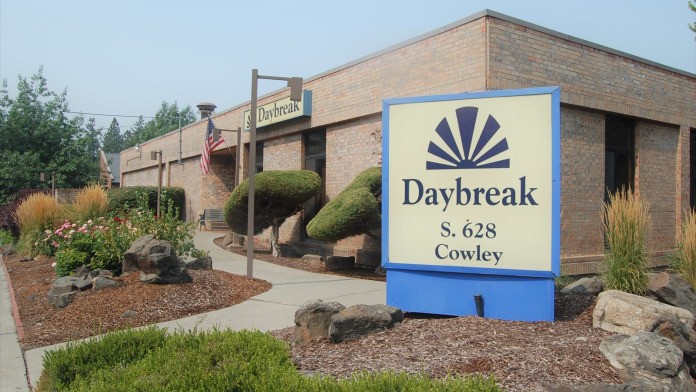
Daybreak Youth Services – Spokane Inpatient is an adolescent addiction treatment center in Spokane, Washington offering residential and inpatient substance use treatment for teens struggling with drug and alcohol disorders.
The program serves youth ages 13 to 17 with a full continuum of care that includes inpatient and outpatient treatment with aftercare services. Daybreak takes a trauma informed, family centered approach that integrates evidence based clinical care with youth specific support.
The Spokane Inpatient program provides 24-hour supervised residential care in a structured therapeutic environment designed specifically for adolescents.
Youth receive comprehensive clinical assessments upon entry, with treatment plans that address both substance use and co-occurring mental health concerns through integrated care.
Programming includes counseling alongside life skills development, relapse prevention, and psychiatric evaluation with medication management as needed.
Educational services are provided on-site so teens can continue their schoolwork during treatment, and discharge planning supports a smooth transition to outpatient or community-based continuing care.

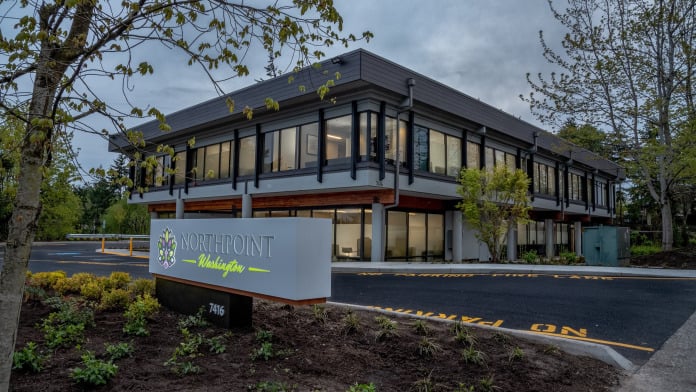
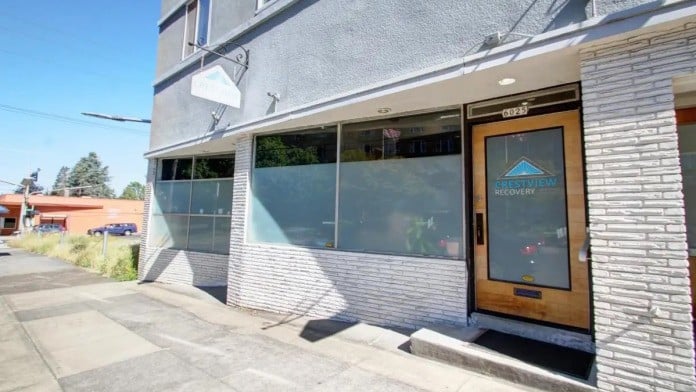
 43
43 
 Our Methodology


Private insurance refers to any kind of healthcare coverage that isn't from the state or federal government. This includes individual and family plans offered by an employer or purchased from the Insurance Marketplace. Every plan will have different requirements and out of pocket costs so be sure to get the full details before you start treatment.
Self-pay involves paying for treatment out of your own pocket. You can use savings or credit, get a personal loan, or receive help from family and friends to fund your treatment. If you don't have insurance or your insurance plan doesn't cover a specific program, self-pay can help ensure you still get the care you need.
Medicaid is a state based program that helps lower-income individuals and families pay for healthcare. Medicaid covers addiction treatment so those enrolled can use their coverage to pay for rehab. When a program accepts Medicaid the client often pays very little or nothing out of their own pocket.
Inpatient rehab enables clients who are exiting detox or who are at an increased risk of relapse to focus on their recovery in a highly structured and supportive environment. Inpatient rehabs provide intensive clinical supervision and high-level treatment. Clients remain at the facility through the length of their program and typically receive multiple addiction counseling and education sessions per day. Holistic therapies, such as yoga, message, and meditation, may be used to relieve stress and ease discomfort.
12-step programs are addiction recovery models based on Alcoholics Anonymous (AA). A number of substance abuse programs (including some drug and alcohol rehab centers) use the 12 steps as a basis for treatment. Beginning steps involve admitting powerlessness over the addiction and creating a spiritual basis for recovery. Middle steps including making direct amends to those who've been hurt by the addiction, and the final step is to assist others in addiction recovery in the same way. 12-Step offshoots including Narcotics Anonymous (NA), Cocaine Anonymous (CA), Dual Recovery Anonymous (DRA), Sex and Love Addicts Anonymous (SLAA) and Gamblers Anonymous (GA).
It can be difficult for family and friends to carry out a successful drug intervention in Washington on their own. Intervention services can help. These services typically include education about addiction and enabling behaviors, expert facilitation for interventions, and recommendations for appropriate treatment. Often, the involvement of intervention services can create a smooth transition into rehab.
24-hour clinical care in Washington includes a team of medical professionals who are on-site 24/7 to provide the care you need. Medical staff can provide medications and other physical treatment to help you safely navigate withdrawal. Counselors offer mental and emotional support. Other specialists who offer additional resources may include nutritionists, family therapists, and case managers.
The goal of treatment for alcoholism is abstinence. Those with poor social support, poor motivation, or psychiatric disorders tend to relapse within a few years of treatment. For these people, success is measured by longer periods of abstinence, reduced use of alcohol, better health, and improved social functioning. Recovery and Maintenance are usually based on 12 step programs and AA meetings.
Effective drug rehab in Washington integrates care for the whole person, offering comprehensive solutions to addiction. Treatment methods address mental, physical, and relational aspects of substance abuse.
Many of those suffering from addiction also suffer from mental or emotional illnesses like schizophrenia, bipolar disorder, depression, or anxiety disorders. Rehab and other substance abuse facilities treating those with a dual diagnosis or co-occurring disorder administer psychiatric treatment to address the person's mental health issue in addition to drug and alcohol rehabilitation.
A combined mental health and substance abuse rehab has the staff and resources available to handle individuals with both mental health and substance abuse issues. It can be challenging to determine where a specific symptom stems from (a mental health issue or an issue related to substance abuse), so mental health and substance abuse professionals are helpful in detangling symptoms and keeping treatment on track.
Opioid rehabs specialize in supporting those recovering from opioid addiction. They treat those suffering from addiction to illegal opioids like heroin, as well as prescription drugs like oxycodone. These centers typically combine both physical as well as mental and emotional support to help stop addiction. Physical support often includes medical detox and subsequent medical support (including medication), and mental support includes in-depth therapy to address the underlying causes of addiction.
Adult rehab programs include therapies tailored to each client's specific needs, goals, and recovery progress. They are tailored to the specific challenges adult clients may face, including family and work pressures and commitments. From inpatient and residential treatment to various levels of outpatient services, there are many options available. Some facilities also help adults work through co-occurring conditions, like anxiety, that can accompany addiction.
Young adulthood can be an exciting, yet difficult, time of transition. Individuals in their late teens to mid-20s face unique stressors related to school, jobs, families, and social circles, which can lead to a rise in substance use. Rehab centers with dedicated young adult programs will include activities and amenities that cater to this age group, with an emphasis on specialized counseling, peer socialization, and ongoing aftercare.
Often, substance use disorder originates with negative thinking patterns. Cognitive behavioral therapy in Washington is designed to help individuals change these patterns of thought, which leads to changes in behavior and freedom from addiction.
Dialectical behavior therapy (DBT) is a highly structured form of therapy that teaches skills to help participants change negative thoughts and behaviors. Applying a philosophy of acceptance and change, you'll learn and practice these skills to break unhealthy patterns and establish healthy ones.
Clinicians who apply motivational interviewing techniques engage with their clients as equal partners. This method avoids warnings and confrontation and instead allows clients to analyze their situation and explore their options. This technique is often used when the client feels unsure about their ability or desire to change.
The goal of trauma therapy is to help you heal from the aftereffects of a traumatic experience. Your therapist will provide you with a safe and supportive space to process these trauma memories and develop better coping strategies that enhance your emotional resilience.
Creativity is inherently healing, and can help those in recovery express thoughts or feelings they might not otherwise be able to. Creative arts therapy can include music, poetry/writing, painting, sculpting, dance, theater, sandplay, and more. Unlike traditional art, the final product matters far less than the experience of creation and expression itself.
 Yoga Studio
  Residential Setting
  Private Rooms
  Hiking
CEO
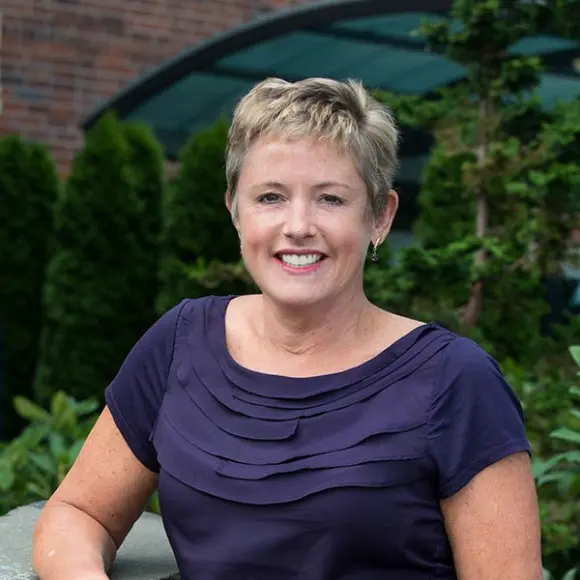
SECRETARY
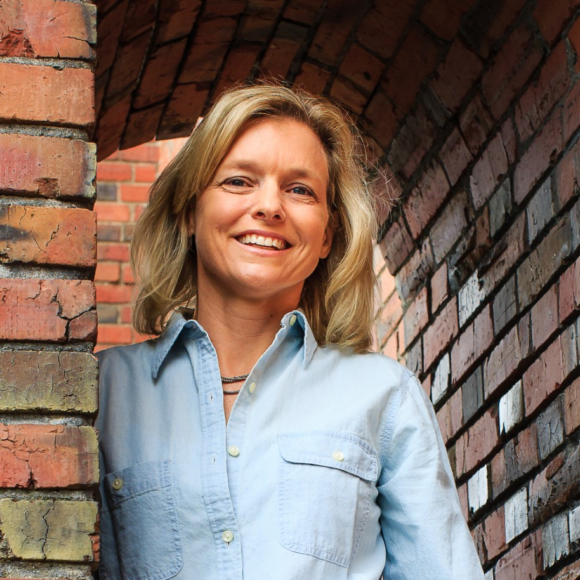
TREASURER
VICE CHAIR

The Substance Abuse and Mental Health Services Administration (SAMHSA) is a branch of the U.S. Department of Health and Human Services. Established in 1992 by congress, SAMHSA's mission is to reduce the impact of substance abuse and mental illness on American's communities.
SAMHSA Listed: Yes

The Commission on Accreditation of Rehabilitation Facilities (CARF) is a non-profit organization that specifically accredits rehab organizations. Founded in 1966, CARF's, mission is to help service providers like rehab facilities maintain high standards of care.
CARF Accreditation: Yes

State Licenses are permits issued by government agencies that allow rehab organizations to conduct business legally within a certain geographical area. Typically, the kind of program a rehab facility offers, along with its physical location, determines which licenses are required to operate legally.
State License: Washington
Rehab.com regularly reviews this listing for accuracy but changes may occur between updates. For the most up-to-date information, please contact Daybreak Youth Services – Spokane Inpatient.

628 S Cowley St
Spokane, WA 99202
Sponsored Helpline

i went here in February, there was so many fights and there was ALOT of drama between clients and the staff didn’t really do anything about it. my counselor was Erica, definitely recommend her she is absolutely amazing. being able to go on outings like to the horse ranch or to the movies was really nice and being able to visit home for a few hours was great! phone call times were pretty fair, 10 minutes everyday, on weekends you get 30 if i remember correctly. i went there on my 13th birthday and they let me pick if i wanted cake or brownies and everyone sang happy birthday to me, ive definitely had great memories at daybreak

I was at daybreak for over a year. During that time, they hid four different lawsuits from staff and encouraged staff to ignore the DOH. Staff were expected to work well over 100 hours to keep staffing at the minimum for the ratio. Staff are also not allowed to leave the building and aren't given a lunch. We had staff miss appointments for L&I on a regular basis because you aren't allowed to leave before the end of your shift for any reason. You are required to sit with clients during their meals, but can't eat due too "covid precautions". We were told we couldn't report being assaulted by clients or risk losing our jobs on a daily basis. When staff safety concerns are brought to management they say that this is just what you signed up for and don't address the issue. Management plays favorites and any complaints you make will be turned on you. I personally reported inappropriate staff and client relations more than once and was told that it was my fault that this happened and management couldn't do anything. They only care about select few staff and are openly prejudiced towards both staff and clients.

THIS IS AVA UHM THIS PLACE IS FULL OF MF G’S JOE KEVIN JONA MAC KAITLYN AND ONE MORE IDK HOW TO SPELL IT OH MY GOSH AND TITUS OMG AND BRITTNEYYYYYYYYY OMG WALTER JOE KEVIN WALTER IF U SEE THIS I LOVE YOU SO MUCH YOU CHANGED MY LIFE I LOVE YOU MISS YOU THIS PLACE IS LIT WEAR SHOES IN THE SHOWER LOVE YOU KEVIN JOE WALTER 4 MONTHS SOBERRRR I MISS YOUR HUGS JONA I LOVE YOU

I came here 2018. I was 15 (now I'm 20)it was great when I was there. Staff & therapists,( Jason was my counselor) , They were nice , accepting & caring. There was also many activities : Horse back riding, Rock climbing, Boxing, Gym, Dance classes, Yoga, laser tag, pool party, looking at puppies Etc. The Food was Great & always gave us snacks. They gave us Bath and Both works & Makeup palletes every weekend. It was a great rehab & it helped me out a lot is what I can say. I seen some review of people who I went to the facility with and I can say That what she said isn't even close to True & She was In the just To start Problems (She was a Karen) . If you don't want to be in a rehab or need to be in one in general don't be in there just to Start Problems because there's people who do want the help & this place will help you so I definitely recommend it. If you say this place is bad , clearly you've never been to Foster Care cause this place Was Great. Idk How it is Now But my Experience there was Amazing.
 Back
Back
Sharing your insights and experiences can help others learn more about this rehab center.