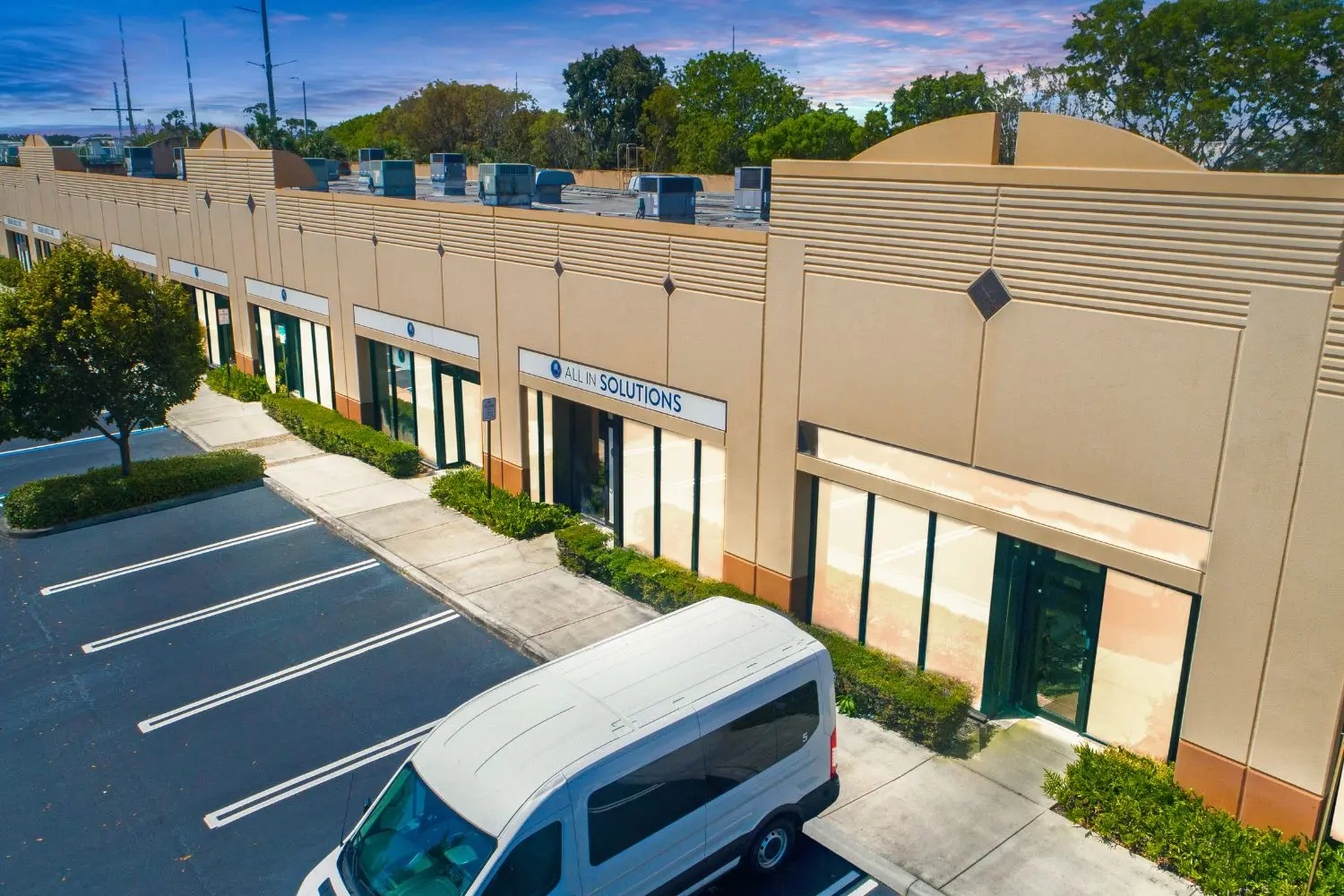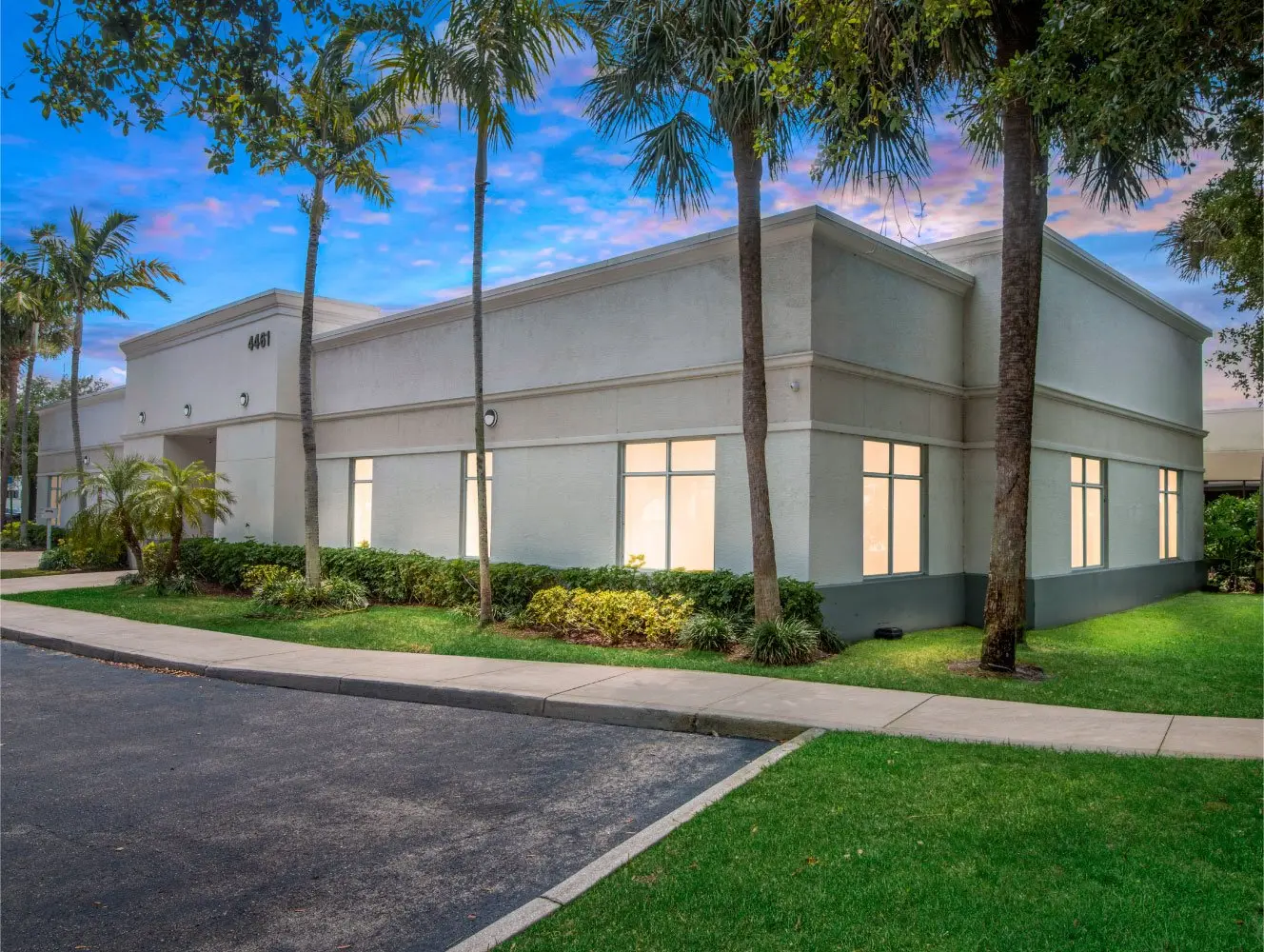
All In Solutions Wellness Center
1
Top 10 Rehab Centers In West Palm Beach



















































































Design Recovery is an addiction treatment center in Jacksonville Beach, Florida, that primarily serves adults aged 18 and older. It’s an LGBTQ+ inclusive environment that also accepts students, working adults and those seeking flexible care. Most major health plans are accepted, along with self-pay. Payment plans are available to those who need them.
The partial hospitalization program (PHP) is the center’s highest level of care, operating Monday to Friday, from 9am to 4:30pm. Evenings and weekends are yours either to spend at home, or in a sober living residence of your choosing. The program typically lasts roughly 60 to 90 days, though your customized program can vary.
PHP involves many of the typical elements you’d expect, like individual and group therapy, using more traditional methods, alongside eye movement desensitization and reprocessing (EMDR) therapy for an added somatic element. Meanwhile, surf therapy also features alongside other holistic therapeutic approaches.
In its less conventional approach, surf therapy provides a dynamic alternative to talk-based approaches. With its origins going back to the 70s, it was originally used as a way to treat post-traumatic stress disorder (PTSD).
Since then, it’s been used to treat addiction due to its ability to help individuals develop a stronger mind-body connection, helping them heal damage incurred from addictive behaviors. Talking is replaced by doing, allowing participants to put plans into action through activity-based focus and dedication.
Other holistic treatment elements that feature on PHP, as well as the intensive outpatient programming (IOP) and standard care, include nutritional support, yoga, art therapy, and fitness-based activities.
 61 - 90
 Our Methodology


Private insurance refers to any kind of healthcare coverage that isn't from the state or federal government. This includes individual and family plans offered by an employer or purchased from the Insurance Marketplace. Every plan will have different requirements and out of pocket costs so be sure to get the full details before you start treatment.
Self-pay involves paying for treatment out of your own pocket. You can use savings or credit, get a personal loan, or receive help from family and friends to fund your treatment. If you don't have insurance or your insurance plan doesn't cover a specific program, self-pay can help ensure you still get the care you need.
Often referred to as "day treatment," a partial hospitalization program (PHP) offers an intensive treatment option that allows individuals to return home at night. PHP treatment typically requires a minimum of 20 hours a week for an average of 90 days. Participants attend daily therapeutic sessions, receive medication management, and have access to skilled medical professionals. While costs can vary, most insurance will fully or partially cover a partial hospitalization program.
Intensive outpatient programs (IOP) involve frequent and robust therapeutic sessions for clients requiring high-level care. Clients may engage in a combination of medication assisted treatment (MAT), addiction counseling, recovery skills training, and holistic therapies for a minimum of nine and a maximum of 20 hours per week. Intensive outpatient rehab is designed primarily for persons in early recovery, those exiting detox or inpatient care, and those at an elevated relapse risk.
Outpatient rehabs encompass multiple levels of care to facilitate clients' progress through their recovery journey. Clients who are stepping down from inpatient treatment may require intensive outpatient (IOP) treatment, which involves more frequent and substantive therapeutic interventions than does standard outpatient care. Outpatient centers typically provide extensive addiction counseling, including individual, group, and family therapy. Medication assisted treatment programs (MAT) and recovery-focused life skills training are also common in outpatient care.
When a person has alcohol use disorder (AUD), also referred to as alcoholism or alcohol addiction, they experience withdrawal symptoms when they stop drinking. This physical dependence results from overuse of alcohol, which may be used as a coping mechanism or escape. Individuals who have AUD can overcome the alcohol addiction through alcohol rehab in Florida. This treatment process involves essential therapy and supports to help the individual achieve and maintain recovery.
Drug rehab in Florida provides quality treatment to help individuals overcome dependency related to a wide range of addictive substances. Programs address both the physical and mental aspects of addiction in order to help you make a full recovery.
In Florida, dual-diagnosis addiction treatment treats mental health and substance use disorders concurrently to enhance successful recovery outcomes and improve overall health. Specialized rehab programs include medical detox, outpatient, residential treatment, and intensive outpatient programs. Using evidence-based therapies, like dialectical behavioral therapy or medication-assisted treatment, clinicians successfully treat dual-diagnosis addiction and mental health conditions. Other activities include group therapy and skills training, to equip you with the skills required to achieve and sustain your recovery.
Therapists who apply cognitive behavioral therapy in Florida believe patient thoughts and behaviors are closely linked. They use this treatment method to help clients change their thought patterns so they can also change behaviors and break free from substance abuse.
Dialectical behavior therapy in Florida consists of individual therapy and group instruction. This structured program is a form of psychotherapy that incorporates the development of skills for managing emotions and relationships.
 Eye Movement Desensitization And Reprocessing
Individual therapy often includes Cognitive Behavioral Therapy. This is a structured approach to identifying and changing negative thought patterns. During therapy you learn how what you think drives your actions so you can develop healthier coping strategies to manage addiction triggers and reduce drug use.

The Joint Commission, formerly known as JCAHO, is a nonprofit organization that accredits rehab organizations and programs. Founded in 1951, the Joint Commision's mission is to improve the quality of patient care and demonstrating the quality of patient care.
Joint Commission Accreditation: Yes

LegitScript has reviewed Design Recovery as part of their certification program, and has determined that it meets the LegitScript standards for legality, safety and transparency.
LegitScript verified in

State Licenses are permits issued by government agencies that allow rehab organizations to conduct business legally within a certain geographical area. Typically, the kind of program a rehab facility offers, along with its physical location, determines which licenses are required to operate legally.
State License: Florida
Rehab.com regularly reviews this listing for accuracy but changes may occur between updates. For the most up-to-date information, please contact Design Recovery.

3000 3rd St S, Jacksonville Beach, FL 32250
Sponsored Helpline

sadly, i been many Programs like this, and this best one i been , help mw threw joghney and kicking the shit out addiction

This is by far the best treatment center in Jacksonville. The staff is the best! They actually set you up for success so that you have the best chance to stay sober for the rest of your life.


What a great place for one of my loved ones! David, Chris Jason and team are top notch! Could not ask for anything more from a recovery center!
 Back
Back
Sharing your insights and experiences can help others learn more about this rehab center.