















































































































About Discovery Mood & Anxiety Program – Fresno
Discovery Mood & Anxiety Program in Fresno, California, is a now-defunct mental health and drug rehab facility. Previously accredited by The Joint Commission, it once provided gender-specific care to teens aged 11 to 17 years as well as adults aged 18 and older. Most commercial insurance plans were accepted, along with Medicaid, Medicare, and self-pay.
Holistic & Integrated Treatment in San Joaquin Valley
This facility was once a leading provider of addiction treatment and mental health services, supporting clients through detox, remission, relapse, and beyond. Clients used to access medication-assisted treatment (MAT) to lessen cravings and other withdrawal symptoms.
Clients also engaged in regular group and individual therapy to process the emotional and psychological aspects of withdrawal and get to the root of their addiction. Other services available included peer support community groups, parenting education, family therapy as well as outreach and volunteering opportunities.
Therapy For Addiction Recovery
Various therapeutic methods were used here to support both clients overall mental health, while also directly targeting addictive behavioral patterns and coping mechanisms. These included contingency management to encourage and incentivize positive behaviors as well as motivational enhancement therapy.
Even though his location is closed, there are other Discovery Mood & Anxiety centers throughout SoCal that can assist.

Rehab Score
 Our Methodology


Gallery

Other Forms of Payment
Private insurance refers to any kind of healthcare coverage that isn't from the state or federal government. This includes individual and family plans offered by an employer or purchased from the Insurance Marketplace. Every plan will have different requirements and out of pocket costs so be sure to get the full details before you start treatment.
Self-pay involves paying for treatment out of your own pocket. You can use savings or credit, get a personal loan, or receive help from family and friends to fund your treatment. If you don't have insurance or your insurance plan doesn't cover a specific program, self-pay can help ensure you still get the care you need.
Addiction Treatments
Levels of Care
Clients receiving treatment at an outpatient rehab typically do not require hospitalization or intensive supervision and support. Outpatient addiction counseling and recovery education are often offered during the morning, evening, night, and weekend, allowing clients to tailor treatment to their own schedule. Partial hospitalization (PHP) and intensive outpatient (IOP) programs are the most time-intensive and are designed for clients who are at an increased relapse risk and/or who need more robust therapeutic support.
Inpatient rehab provides intensive treatment for clients exiting detox, those in early recovery, and those at an elevated risk of relapse. Unlike outpatient drug rehab, clients receiving inpatient care reside at the facility for the duration of the program. The length of stay may range from two weeks to 18 months or more, depending on the client's needs and the program's design. Inpatient treatment typically involves extensive addiction education and recovery-focused life skills training.
Participants engaged in 12 step programs receive intensive peer coaching (sponsorship) and community support. Spiritual development as a means of achieving psychological and emotional healing and growth is the cornerstone of 12 step recovery, but religious affiliations are not required. Meetings are free, anonymous, and open to the public, though specialized formats are available, including groups for seniors, teens, and family members. Evening, night, and day meetings are conducted year-round in most communities.
A partial hospitalization program (PHP) is a short-term form of intensive rehab, usually for those with acute symptoms that are hard to manage but don’t require 24-hour care. PHPs have structured programming (i.e. individual and/or group therapy), and usually meet 3-5 days a week for around 6 hours (i.e. 9am-3m). Some PHPs are residential (patients sleep on site) and some are not, so patients sleep at home. PHPs can last from 1-6 months, and some offer transportation and meals.
Treatments
Many of those suffering from addiction also suffer from mental or emotional illnesses like schizophrenia, bipolar disorder, depression, or anxiety disorders. Rehab and other substance abuse facilities treating those with a dual diagnosis or co-occurring disorder administer psychiatric treatment to address the person's mental health issue in addition to drug and alcohol rehabilitation.
Mental health rehabs focus on helping individuals recover from mental illnesses like bipolar disorder, clinical depression, anxiety disorders, schizophrenia, and more. Mental health professionals at these facilities are trained to understand and treat mental health issues, both in individual and group settings.
Programs
Young adulthood can be an exciting, yet difficult, time of transition. Individuals in their late teens to mid-20s face unique stressors related to school, jobs, families, and social circles, which can lead to a rise in substance use. Rehab centers with dedicated young adult programs will include activities and amenities that cater to this age group, with an emphasis on specialized counseling, peer socialization, and ongoing aftercare.
Clinical Services
Cognitive behavioral therapy in California is a method that therapists often use for the effective treatment of substance use disorders. It is based on the principle that substance abuse stems from unhelpful ways of thinking and patterns of behavior, which can be changed by helping the individual learn better ways of coping.
Dialectical Behavior Therapy (DBT) is a modified form of Cognitive Behavioral Therapy (CBT), a treatment designed to help people understand and ultimately affect the relationship between their thoughts, feelings, and behaviors. DBT is often used for individuals who struggle with self-harm behaviors, such as self-mutilation (cutting) and suicidal thoughts, urges, or attempts. It has been proven clinically effective for those who struggle with out-of-control emotions and mental health illnesses like Borderline Personality Disorder.
In individual therapy, a patient meets one-on-one with a trained psychologist or counselor. Therapy is a pivotal part of effective substance abuse treatment, as it often covers root causes of addiction, including challenges faced by the patient in their social, family, and work/school life.
Trauma therapy is a structured approach used by therapists to help you heal from a past traumatic event. Your therapist works with you to identify the traumatic memory and process the information so you experience emotional healing and a sense of safety and stability.
Family therapy offers a platform for members to have an open dialogue about the challenges that addiction has placed on the family unit. Through guided sessions, therapists can help families develop healthy communication skills and address unresolved issues. By working together toward a common goal, they help to support their loved one's sobriety.
Amenities
-
 Residential Setting
 -
 Private Rooms
Staff & Accreditations
Staff
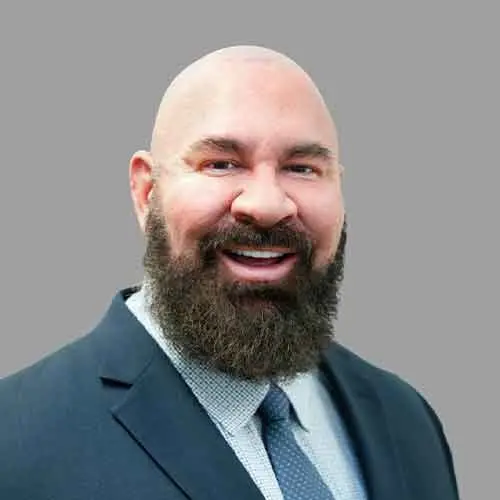
Matthew Ruble, , MD
Chief Medical Officer
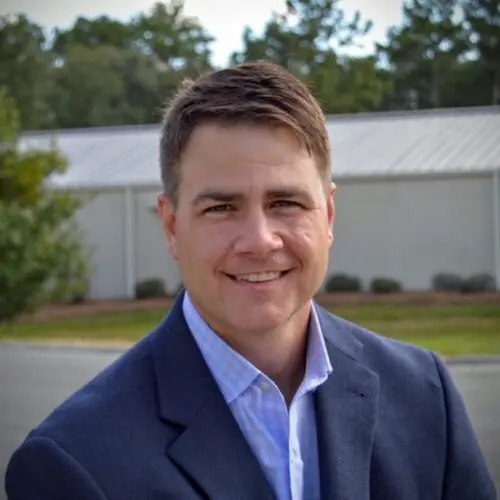
Stephen Register
President, Mental Health Division
Accreditations

The Joint Commission, formerly known as JCAHO, is a nonprofit organization that accredits rehab organizations and programs. Founded in 1951, the Joint Commision's mission is to improve the quality of patient care and demonstrating the quality of patient care.
Joint Commission Accreditation: Yes


