Get Help Now
Question iconSponsored Helpline

Phone icon 800-784-1361
Claim Profile

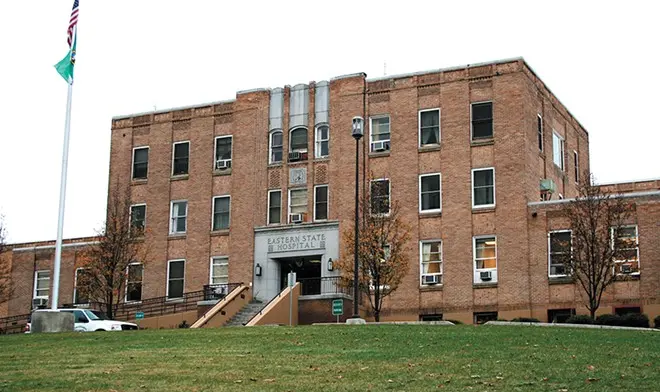
Eastern State Hospital

850 Maple Street
Medical Lake, WA 99022
Claim Profile
Eastern State Hospital WA 99022

About Eastern State Hospital

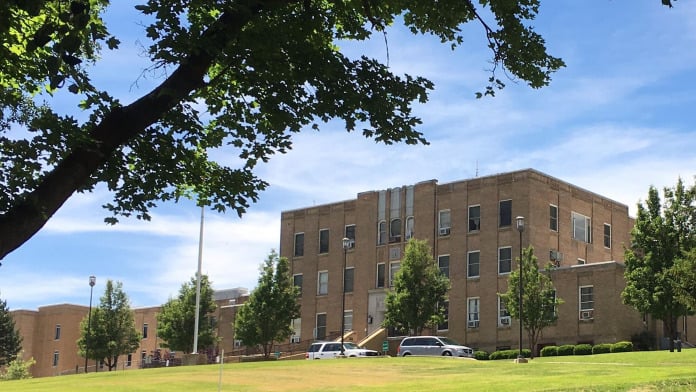
Eastern State Hospital, located in Medical Lake, Washington is a public alcohol and drug rehab that offers treatment for a variety of substance abuse addictions including co-occurring mental health disorders. They offer supervised medical treatment to safely manage withdrawal symptoms during detoxification, residential care providing long term support for addiction recovery, as well as flexible outpatient addiction therapy allowing patients to live at home while receiving regular treatment. Additional levels of care offered include relapse prevention and 12-step therapy. Specialty rehab programs at Eastern State Hospital include age-appropriate treatment for teens addressing adolescent-specific issues, specialized drug rehab for veterans, addressing combat-related trauma and reintegration, and inclusive treatment respecting diverse sexual orientations and gender identities. Patients at Eastern State Hospital will find the residential setting creates an immersive environment promoting full engagement in recovery away from daily triggers. Eastern State Hospital has received accreditations from the state of Washington and The Joint Commission.

Similar Rehab Centers

Facility Overview

Bed icon 375
Number of Available Beds

Latest Reviews

Shemika Cheatham
2 weeks ago on Google
5
I was on the website with information about the hospital I learned so much about it. Part of it was rebuilt awhile back. It was like a tour it explained the about area, activities and purpose.
Mark Wiens
2 months ago on Google
5
Your failed parenting is not the fault of the state or its institutions. YOU are the reason your son/daughter is the way they are
Don Rowden
4 months ago on Google
5
This place is great, it made me realize I'm not crazy....They are. Highly recommended
Rehab.com icon

Rehab Score

Question iconOur Methodology
Scoring is assigned by a proprietary system which helps surface key metrics that determine quality. The 10-point scale factors in categories such as operations, customer satisfaction, and trust metrics. Read Full MethodologyCaret icon
Gauge icon
6.2 / 10

Other Forms of Payment

Private insurance refers to any kind of healthcare coverage that isn't from the state or federal government. This includes individual and family plans offered by an employer or purchased from the Insurance Marketplace. Every plan will have different requirements and out of pocket costs so be sure to get the full details before you start treatment.

Self-pay involves paying for treatment out of your own pocket. You can use savings or credit, get a personal loan, or receive help from family and friends to fund your treatment. If you don't have insurance or your insurance plan doesn't cover a specific program, self-pay can help ensure you still get the care you need.

Financial aid can take many forms. Centers may have grants or scholarships available to clients who meet eligibility requirements. Programs that receive SAMHSA grants may have financial aid available for those who need treatment as well. Grants and scholarships can help you pai for treatment without having to repay.

Sliding scale payments are based on a client's income and family size. The goal is to make treatment affordable to everyone. By taking these factors into account, addiction recovery care providers help ensure that your treatment does not become a financial burden to you or your family, eliminating one barrier to care.

Medicare is a federal program that provides health insurance for those 65 and older. It also serves people under 65 with chronic and disabling health challenges. To use Medicare for addiction treatment you need to find a program that accepts Medicare and is in network with your plan. Out of pocket costs and preauthorization requirements vary, so always check with your provider.

Military members, veterans, and eligible dependents have access to specific insurance programs that help them get the care they need. TRICARE and VA insurance can help you access low cost or no cost addiction and mental health treatment. Programs that accept military insurance often have targeted treatment focused on the unique challenges military members, veterans, and their families face.

Addiction Treatments

Levels of Care

Clients enrolled in an outpatient rehab program typically engage in multiple therapeutic sessions each week, but reside in their own homes and communities while receiving care. Outpatient treatment typically involves extensive addiction counseling, including family and group therapy. Most programs also emphasize recovery-focused life skills training and medical, mental health, and social support services to promote clients' sustained sobriety. Evening, night, weekend, and virtual services are widely available to accommodate the schedules of working professionals, students, and caregivers.

Residential treatment programs are those that offer housing and meals in addition to substance abuse treatment. Rehab facilities that offer residential treatment allow patients to focus solely on recovery, in an environment totally separate from their lives. Some rehab centers specialize in short-term residential treatment (a few days to a week or two), while others solely provide treatment on a long-term basis (several weeks to months). Some offer both, and tailor treatment to the patient's individual requirements.

Rehab aftercare programs support clients as they focus on maintaining their sobriety after intensive (often inpatient) treatment. These programs adhere to a model of life-long recovery, addressing addiction disease as a chronic, relapsing condition. Rehab aftercare services vary widely based on the specific and evolving needs of the client, but often include peer coaching, relapse prevention support, and 12 step program induction. Clients, case managers, and care teams typically collaborate on long-term care plans.

12 step programs support participants' psychological, spiritual, and emotional development as integral to sustained recovery. Though 12 step recovery programs are based on the belief in a non-denominational higher power, religious affiliation is not required. Group meetings are paper-led, anonymous, free, and available daily, including on holidays, in most communities. Peer sponsors selected by the participants provide one-on-one coaching and support. Specialized formats are widely available, including programming for youth, seniors, and families.

24-hour clinical care in Washington includes a team of medical professionals who are on-site 24/7 to provide the care you need. Medical staff can provide medications and other physical treatment to help you safely navigate withdrawal. Counselors offer mental and emotional support. Other specialists who offer additional resources may include nutritionists, family therapists, and case managers.

Medical detox is often the first step in addiction recovery and involves ridding the body of drugs and/or alcohol in a supervised inpatient setting. If you've become physically dependent on substances like alcohol, benzodiazepines (like Xanax), or opioids, quitting abruptly may cause uncomfortable or even dangerous side effects. In medically assisted detox, a team of medical professionals will help manage any potential withdrawal symptoms with the aim of keeping you as safe and comfortable as possible.

Treatments

Many of those suffering from addiction also suffer from mental or emotional illnesses like schizophrenia, bipolar disorder, depression, or anxiety disorders. Rehab and other substance abuse facilities treating those with a dual diagnosis or co-occurring disorder administer psychiatric treatment to address the person's mental health issue in addition to drug and alcohol rehabilitation.

Mental health rehabs focus on helping individuals recover from mental illnesses like bipolar disorder, clinical depression, anxiety disorders, schizophrenia, and more. Mental health professionals at these facilities are trained to understand and treat mental health issues, both in individual and group settings.

Programs

Adult rehab programs include therapies tailored to each client's specific needs, goals, and recovery progress. They are tailored to the specific challenges adult clients may face, including family and work pressures and commitments. From inpatient and residential treatment to various levels of outpatient services, there are many options available. Some facilities also help adults work through co-occurring conditions, like anxiety, that can accompany addiction.

Young adulthood can be an exciting, yet difficult, time of transition. Individuals in their late teens to mid-20s face unique stressors related to school, jobs, families, and social circles, which can lead to a rise in substance use. Rehab centers with dedicated young adult programs will include activities and amenities that cater to this age group, with an emphasis on specialized counseling, peer socialization, and ongoing aftercare.

Recovery is most successful when clients feel accepted and validated by their peers and treatment providers. Facilities that offer LGBTQ-inclusive programming are committed to creating a safe space where everyone can grow and recover without fear of judgment or discrimination. They will have dedicated policies in place to create a safe and supportive environment that fosters free expression.

Serving in the military is both mentally and physically challenging, and can result in trauma that persists even after combat ends. Military programs are tailored to the specific and often complex needs of active duty personnel, veterans, and military families. Clients often access these programs through the U.S. Department of Veterans Affairs (VA).

Clinical Services

Group therapy is any therapeutic work that happens in a group (not one-on-one). There are a number of different group therapy modalities, including support groups, experiential therapy, psycho-education, and more. Group therapy involves treatment as well as processing interaction between group members.

In individual therapy, a patient meets one-on-one with a trained psychologist or counselor. Therapy is a pivotal part of effective substance abuse treatment, as it often covers root causes of addiction, including challenges faced by the patient in their social, family, and work/school life.

Trauma therapy addresses traumatic incidents from a client's past that are likely affecting their present-day experience. Trauma is often one of the primary triggers and potential causes of addiction, and can stem from child sexual abuse, domestic violence, having a parent with a mental illness, losing one or both parents at a young age, teenage or adult sexual assault, or any number of other factors. The purpose of trauma therapy is to allow a patient to process trauma and move through and past it, with the help of trained and compassionate mental health professionals.

Research clearly demonstrates that recovery is far more successful and sustainable when loved ones like family members participate in rehab and substance abuse treatment. Genetic factors may be at play when it comes to drug and alcohol addiction, as well as mental health issues. Family dynamics often play a critical role in addiction triggers, and if properly educated, family members can be a strong source of support when it comes to rehabilitation.

When your body is properly nourished, healing is much faster. That's why nutrition therapy is an important part of drug rehab in Washington. It helps you learn how to take care of your body so you can heal both mentally and physically from addiction.

Experiential therapy is a form of therapy in which clients are encouraged to surface and work through subconscious issues by engaging in real-time experiences. Experiential therapy departs from traditional talk therapy by involving the body, and having clients engage in activities, movements, and physical and emotional expression. This can involve role-play or using props (which can include other people). Experiential therapy can help people process trauma, memories, and emotion quickly, deeply, and in a lasting fashion, leading to substantial and impactful healing.

Nicotine Replacement Therapy (NRT) is a way of getting nicotine into the bloodstream without smoking. It uses products that supply low doses of nicotine to help people stop smoking. The goal of therapy is to cut down on cravings for nicotine and ease the symptoms of nicotine withdrawal.

Amenities

  • home-setting iconResidential Setting

Staff & Accreditations

Staff

Lisa Yanagida

Chief of Staff

Dana Phelps

Director Vocational Rehabilitation

Kevin Bovenkamp

Assistant Secretary Behavioral Health

Accreditations

State Licenses are permits issued by government agencies that allow rehab organizations to conduct business legally within a certain geographical area. Typically, the kind of program a rehab facility offers, along with its physical location, determines which licenses are required to operate legally.

State License: Washington

The Joint Commission, formerly known as JCAHO, is a nonprofit organization that accredits rehab organizations and programs. Founded in 1951, the Joint Commision's mission is to improve the quality of patient care and demonstrating the quality of patient care.

Joint Commission Accreditation: Yes

Contact Information

Building icon

850 Maple Street
Medical Lake, WA 99022

Explore Other Centers Near Medical Lake

Reviews of Eastern State Hospital

3.31/5 (35 reviews)
0
Staff
0
Amenities
0
Meals
0
Value
0
Cleanliness
5
19
4
2
3
1
2
1
1
17

Reviews

1

I was hospitalized there after having a crisis I had with my psych meds. Their solution was to drug me with more things. Yeah, no logic. This place had a really depressing atmosphere

Reviewed on 2/16/2019
Overall Experience
Date Submitted
Reviewer

Google Reviews

3.3823529411765 (34 reviews)
Shemika Cheatham
2 weeks ago
5

I was on the website with information about the hospital I learned so much about it. Part of it was rebuilt awhile back. It was like a tour it explained the about area, activities and purpose.

Mark Wiens
2 months ago
5

Your failed parenting is not the fault of the state or its institutions. YOU are the reason your son/daughter is the way they are

Don Rowden
4 months ago
5

This place is great, it made me realize I'm not crazy....They are. Highly recommended

Tina Massey
4 months ago
1

Overall Experience
Date Submitted
No reviews matching the selected filter!
Get Help Now
Question iconSponsored Helpline

Phone icon 800-784-1361

Left arrow iconBack

Write a review for Eastern State Hospital

Sharing your insights and experiences can help others learn more about this rehab center.

Title of Your Review
This is a required field
Your Review

Reviews comments must comply with our Review Policy Content Standards. Please do not use names (job titles / positions are acceptable) of any individual or identifying features, abusive remarks, or allegations of negligence or criminal activity.

A minimum of 200 characters and max of 2,000 characters required.
This is a required field
How would you rate the facility on the following?*
Overall Experience
Must select a star rating
Accomodations & Amenities
Must select a star rating
Meals & Nutrition
N/A
Must select a star rating
Treatment Effectiveness
Must select a star rating
Admissions Process
Must select a star rating
Staff & Friendliness
Must select a star rating
Cleanliness
Must select a star rating
Value for Cost
Must select a star rating
What is your connection to this facility?
This is a required field
Your Name*
This is a required field
Your Email*
This is a required field
Spinner icon Submitting your review...
Thumbs up icon Your review was successfully submitted.

Nearby Featured Providers

Get Help Today Phone icon 800-823-7153
Question iconSponsored Helpline