Ashwood Recovery – Outpatient
1
Top 10 Rehab Centers In Boise



















































































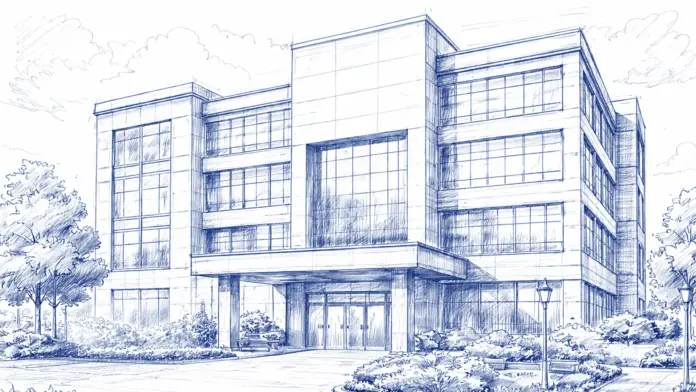
Eastside Center for Healing is a behavioral health practice and addiction treatment provider in Bellevue, Washington that offers outpatient counseling and structured recovery programs for substance use and mental health concerns.
The center provides assessment, individual and group therapy, an Intensive Outpatient Program (IOP) and ongoing outpatient care for adults, teens, children, couples, and families.
Eastside Center for Healing offers assessment and treatment planning, individual counseling, outpatient continuing care, and an IOP rooted in mindfulness, neuroscience, and trauma informed care.
The IOP emphasizes skill building, meditation, and alternative recovery pathways like SMART Recovery and Refuge Recovery with no requirement to participate in 12-step programs. The team also coordinates referrals and planning for clients who may need inpatient level care.
The practice serves adults, teens, and children as young as 6 as well as couples and families dealing with addiction, trauma, anxiety, depression, or relational issues. Specialized support is available for professionals in high stakes roles including first responders and airline pilots and the center affirms its expertise with LGBTQ+ clients.


 Our Methodology


Sliding scale payments are based on a client's income and family size. The goal is to make treatment affordable to everyone. By taking these factors into account, addiction recovery care providers help ensure that your treatment does not become a financial burden to you or your family, eliminating one barrier to care.
Intensive outpatient programs (IOP) are frequently used to facilitate clients' transition from inpatient to outpatient care. Clients who are more stable may also choose to enter IOP rather than a residential rehab following detox. Intensive outpatient treatment typically consists of nine to 20 therapeutic hours per week, with services ranging from psychotherapy to recovery education to holistic care. Many programs offer medication assisted treatment (MAT) for opioid and/or alcohol addiction.
Telehealth in Washington gives you the option to receive treatment remotely. Instead of visiting a counselor or doctor in person, you can schedule a video call or phone call. Telehealth technology also allows your healthcare provider to monitor your physical condition remotely.
Alcoholism is a chronic condition that often includes periods of relapse. A person with his alcohol addiction has become physically and/or psychologically dependent on alcohol. Often, alcohol use disorders occur alongside other mental health disorders. It is important to receive dual diagnosis treatment for both. Alcohol rehab in Washington can address co-occurring disorders through a variety of behavioral therapies and evidence-based approaches.
Effective drug rehab in Washington integrates care for the whole person, offering comprehensive solutions to addiction. Treatment methods address mental, physical, and relational aspects of substance abuse.
Inpatient and outpatient drug and alcohol rehabs are typically the best option if you're looking for substance abuse treatment in Washington. These programs employ evidence-based therapies such as cognitive-behavioral therapy (CBT), dialectical behavior therapy (DBT), and holistic approaches to help you overcome addiction, enhance your coping skills, and promote your mental health. Together, you'll learn the vital skills to support long-term sobriety and overall well-being.
If you have both a substance abuse problem and a mental health disorder like depression, bipolar disorder, or anxiety, it is known as a co-occurring disorder or a dual diagnosis. Dealing with substance abuse, alcoholism, or drug addiction is already difficult, but it becomes even more difficult when you combine addiction with mental health problems. That's why it's essential to treat both conditions at the same time.
Washington's specialized dual-diagnosis addiction treatment programs provide inpatient and intensive outpatient care for individuals with co-occurring substance use disorders and mental health conditions. Treatment generally includes psychiatric evaluations and individualized treatment planning, evidence-based therapies, mindfulness-based programming, and group therapy address both disorders and promote mental health. Treating both disorders simultaneously can improve long-term outcomes and sustain sobriety.
Teen programs are designed to address the unique pressures teens face, pressures that can drive them to experiment with dangerous, addictive substances. They need programs that meet them exactly where they are and give them tools for long-term recovery. Therapy can help teenagers understand and work through underlying issues so they can reclaim the life ahead of them.
Adult rehab programs include therapies tailored to each client's specific needs, goals, and recovery progress. They are tailored to the specific challenges adult clients may face, including family and work pressures and commitments. From inpatient and residential treatment to various levels of outpatient services, there are many options available. Some facilities also help adults work through co-occurring conditions, like anxiety, that can accompany addiction.
The providers who specialize in the children's rehab space understand the specialized needs that this population faces. School-based and social services such as tutoring and family counseling are often central to treatment. Child programs may also address the needs of youth experiencing substance abuse in the home, including a parent's or sibling's addiction.
Often, substance use disorder originates with negative thinking patterns. Cognitive behavioral therapy in Washington is designed to help individuals change these patterns of thought, which leads to changes in behavior and freedom from addiction.
Group therapy is a safe space that offers you a confidential environment to openly discuss your challenges with addiction and the progress you're making without fear of judgment. Group therapy participants share responsibility for recovery, which fosters a collective commitment to sobriety.
 Metropolitan Area
 Rehab.com regularly reviews this listing for accuracy but changes may occur between updates. For the most up-to-date information, please contact Eastside Center for Healing.

1940 116th Ave NE UNIT 103, Bellevue, WA 98004
Sponsored Helpline

I’m very grateful that I found Laura. As someone in law enforcement, it can be difficult to find a therapist who truly understands the culture, the job, and the cumulative effects that years of exposure to traumatic situations can have on a person. From my first conversations with Laura, I felt comfortable talking with her. She listens without judgment, asks the right questions, and has a way of helping you look at things differently without ever making you feel pressured. I’ve been able to talk openly about experiences and feelings that are not always easy to explain to someone who has never worked in this profession. What stands out most to me is that Laura genuinely understands first responders and trauma. I never feel like I have to explain or defend why certain things affect me the way they do. She understands that trauma isn’t always one single event—it can build over many years. Laura is compassionate, knowledgeable, patient, and very genuine. She has helped me better understand myself and what I’ve been dealing with, and I have a tremendous amount of respect and appreciation for her. I would highly recommend Laura to any first responder, law enforcement officer, or anyone struggling with trauma who is looking for someone they can trust and speak honestly with.

It was incredibly difficult to find the right individual for therapy. I couldn't have been luckier. Having left Betty Ford Center it was recommended I find a therapist that specializes in addiction "drugs and alcohol." I went through quite a few before I found the right fit. I have continued growing as a human. You must know the past to understand today. Thank you Laura

Laura Halford is an exceptional professional therapist who combines deep expertise with genuine empathy. She creates a safe and supportive environment where clients feel heard and understood. Her approach is tailored to each individual's needs, making therapy both effective and empowering. Whether you're dealing with stress, anxiety, or personal growth challenges, Laura's insightful guidance and compassionate demeanor make a real difference. Highly recommended for anyone seeking meaningful progress in their mental health journey.

Extremely disappointed in Eastside Center for Healing especially Laura Halford for how they handled my children’s care and legal boundaries. Despite our court-ordered parenting plan clearly stating that therapy records “shall not be released without court order,” Laura chose to ignore that and released confidential records without my consent and without a court order. When I raised the issue, she dismissed the legal language and attempted to reinterpret the order — despite not being an attorney. This is a serious breach of both legal and ethical responsibilities, and one that undermines trust in their entire practice. Additionally, throughout my family’s time working with Eastside, their policies have been inconsistent, unclear, and seemingly adjusted on the fly depending on what is most convenient or beneficial for them in the moment. What they tell you one week may change the next — with no real explanation or accountability. To be clear, other clinics have properly followed the parenting plan and refused to release therapy records for this exact reason. Eastside made a reckless decision based on bad judgment and pressure from outside parties, and now the damage is done. If you’re a parent navigating custody or legal matters, I strongly recommend finding a provider that respects court orders, honors confidentiality, and doesn’t rewrite policies to suit their needs. – Patrick
 Back
Back
Sharing your insights and experiences can help others learn more about this rehab center.